Water Damage Restoration in Totowa
A wet doorway can be the visible edge of a much larger problem. Totowa property owners need water removal, moisture checks and a repair plan that follows the actual path of damage.
(888) 471-9821Talk through the water damage- Standing water removal
- Material moisture checks
- Sewage cleanup
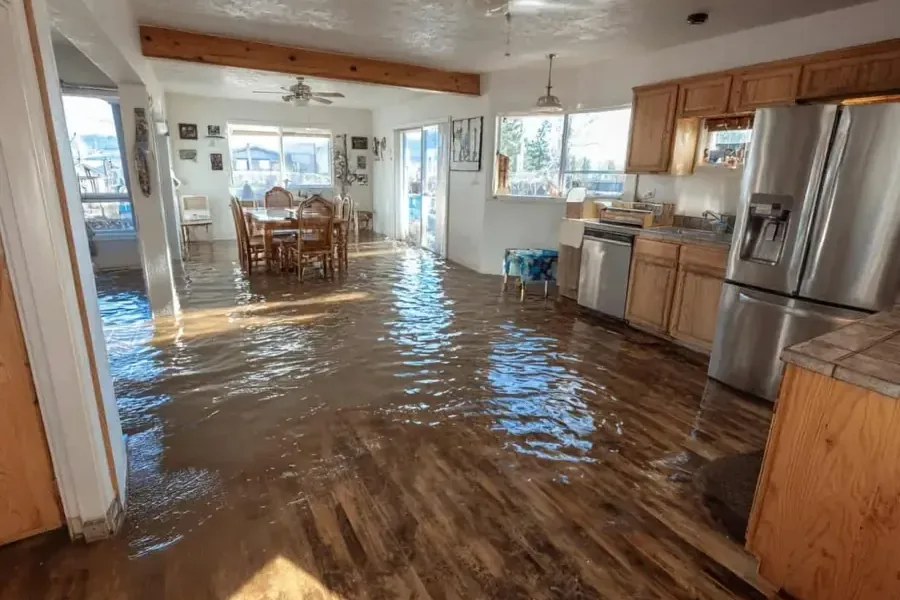
The source, affected rooms and condition of the water shape the cleanup plan before drying equipment is placed.
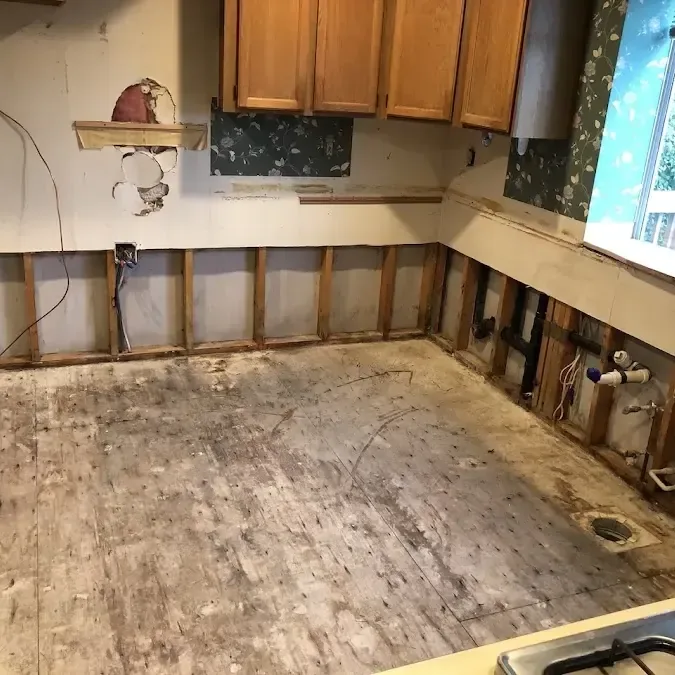
Keep the first decisions simple and safe
- Pause at the doorwayStanding water near outlets or electrical equipment warrants staying outside the room until the electrical hazard has been assessed.
- Stop a reachable sourceA dry, accessible shutoff may limit a supply leak; reaching it must not involve crossing water or touching wet equipment.
- Separate people from damageChildren and pets need a dry route away from wastewater, loose ceiling material and slippery flooring around the affected area.
- Record visible changesPhotos from a safe position can capture water boundaries, damaged belongings and the time the problem was first noticed.
- Describe the spreadThe first conversation should cover the water source, rooms involved and whether additional water is still entering the building.
Different leaks need different cleanup decisions
A supply pipe release and a backed up toilet require different handling. These services address the source, damaged materials and practical next steps for each situation.
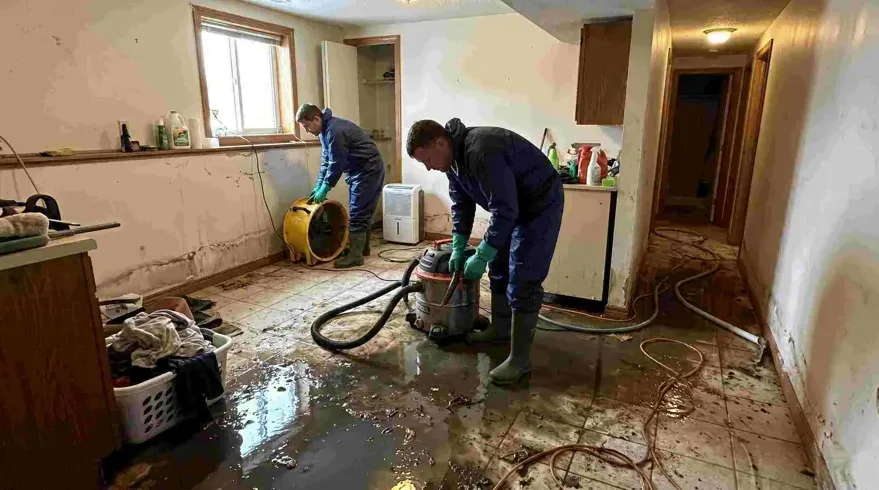 Water ExtractionStanding water must be removed from floors and recesses before equipment can address the moisture absorbed into surrounding materials.
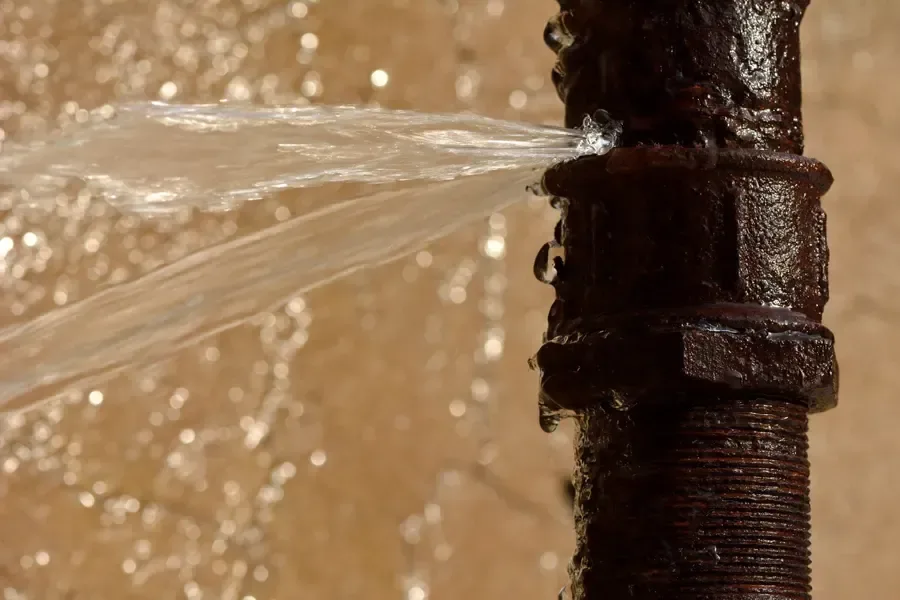 Burst Pipe Water DamageA pressurized pipe break can wet several surfaces at once, including cavities beyond the room where the spray first appeared.
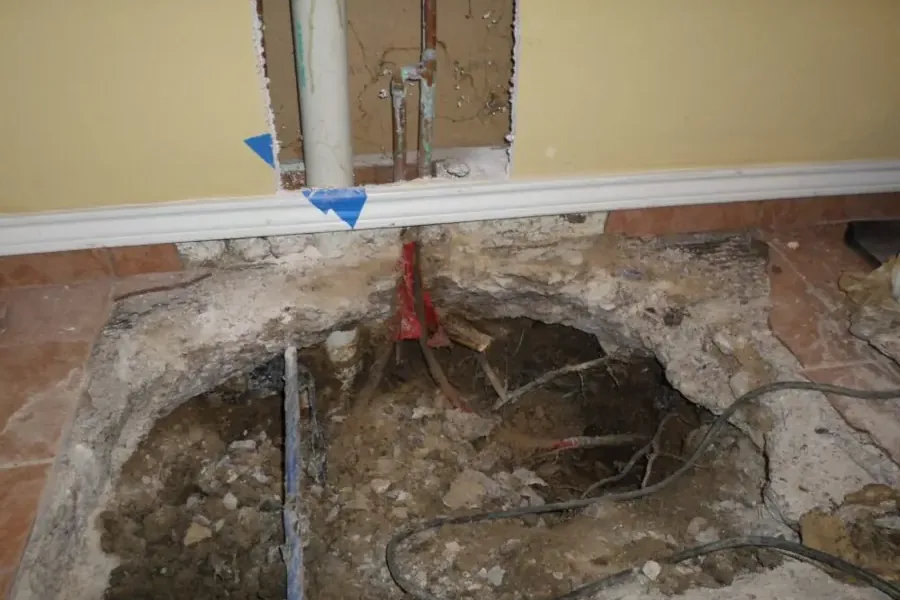 Slab Leak Water DamageDamp floor edges need source tracing and moisture measurements before decisions about opening concrete or lifting finished flooring are made.
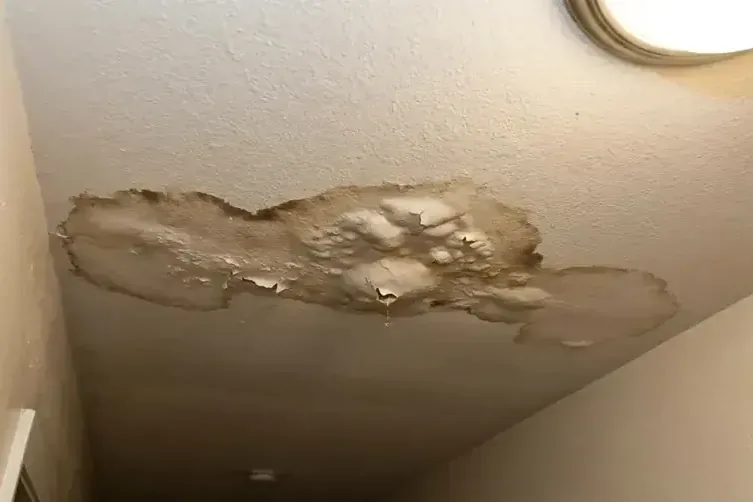 Ceiling Leak Water DamageA swollen ceiling needs a protected area below it and inspection above the stain before damaged finishes are replaced.
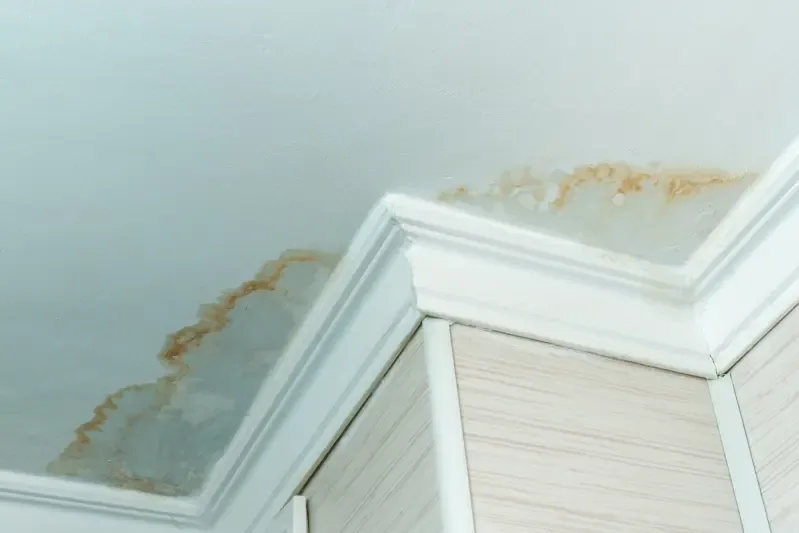 Roof Leak Water DamageRain entering overhead can travel along framing, leaving wet insulation and ceilings away from the first visible roof opening.
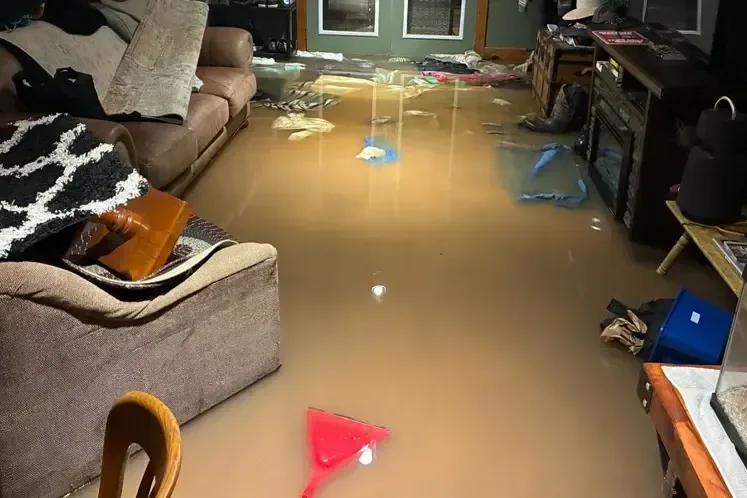 Storm Flood CleanupOutside floodwater brings a different cleanup problem, with debris, affected contents and access conditions influencing the order of work.
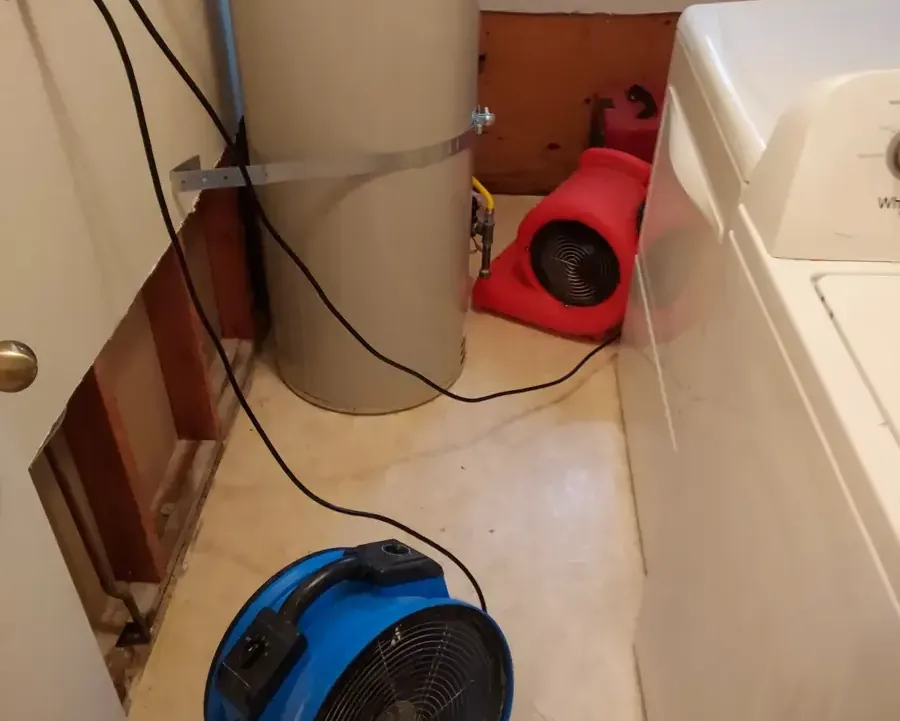
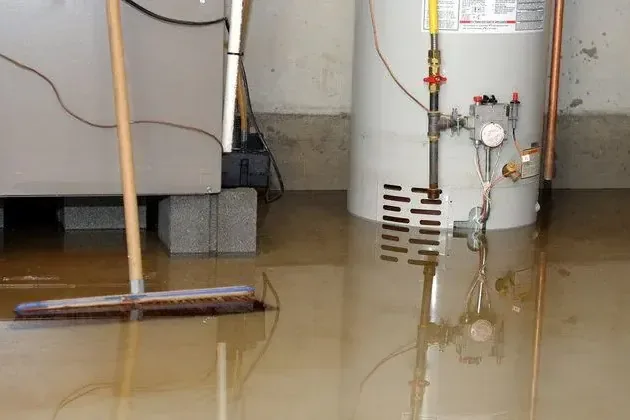 Water Heater Leak CleanupA leaking tank can soak nearby trim and stored belongings while water continues spreading beyond the equipment footprint.
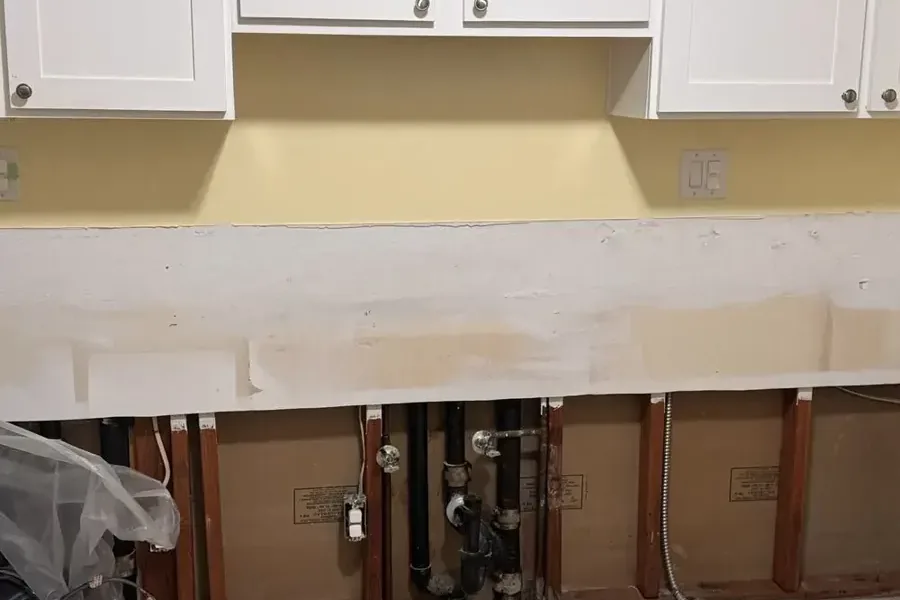 Appliance Leak Water DamageWater behind a dishwasher or washing machine can remain hidden beneath flooring after the visible spill has been wiped away.
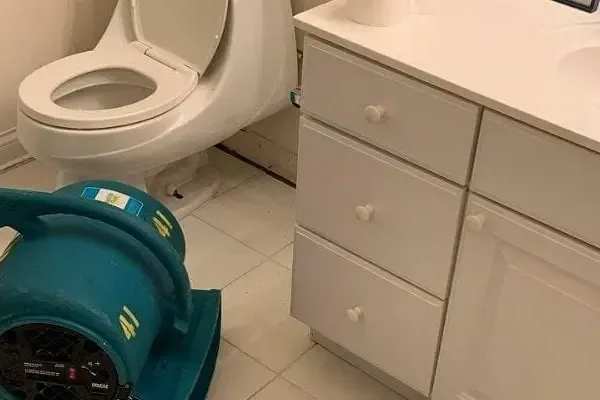 Toilet Overflow CleanupThe water source matters: a supply connection leak needs different handling from bowl water that has crossed the bathroom threshold.
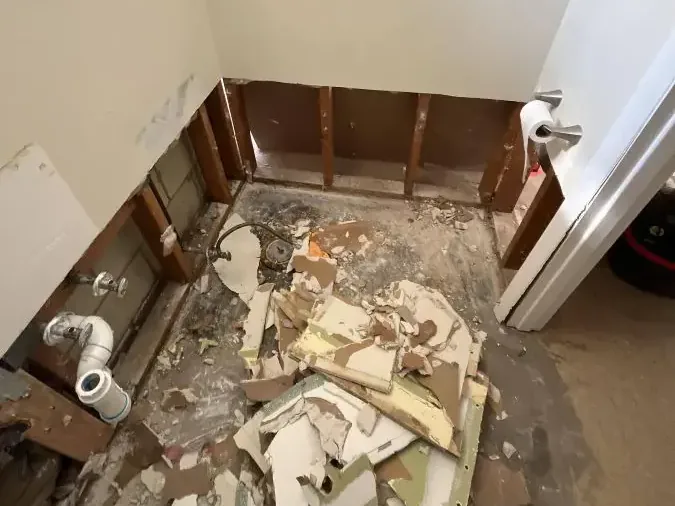
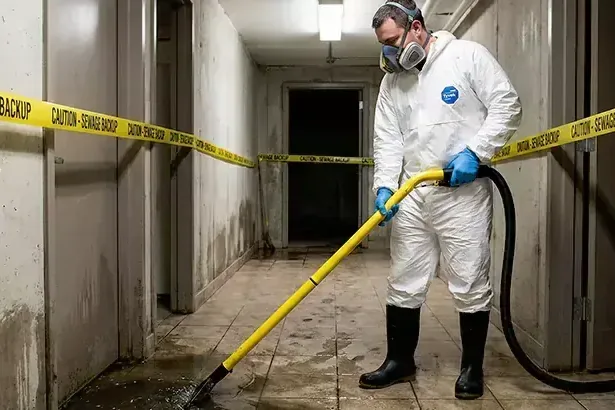 Sewage Backup CleanupWastewater cleanup requires restricted access, controlled removal and material decisions that account for contamination throughout the affected area.
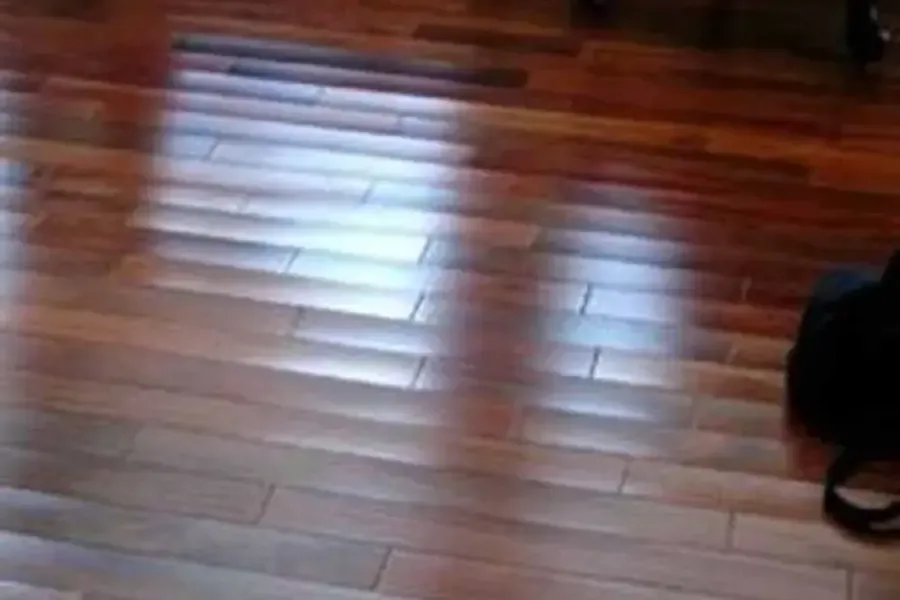 Hardwood Floor Water DamageWet boards need measurements through the floor assembly before sanding, covering or replacing sections becomes a sensible next step.
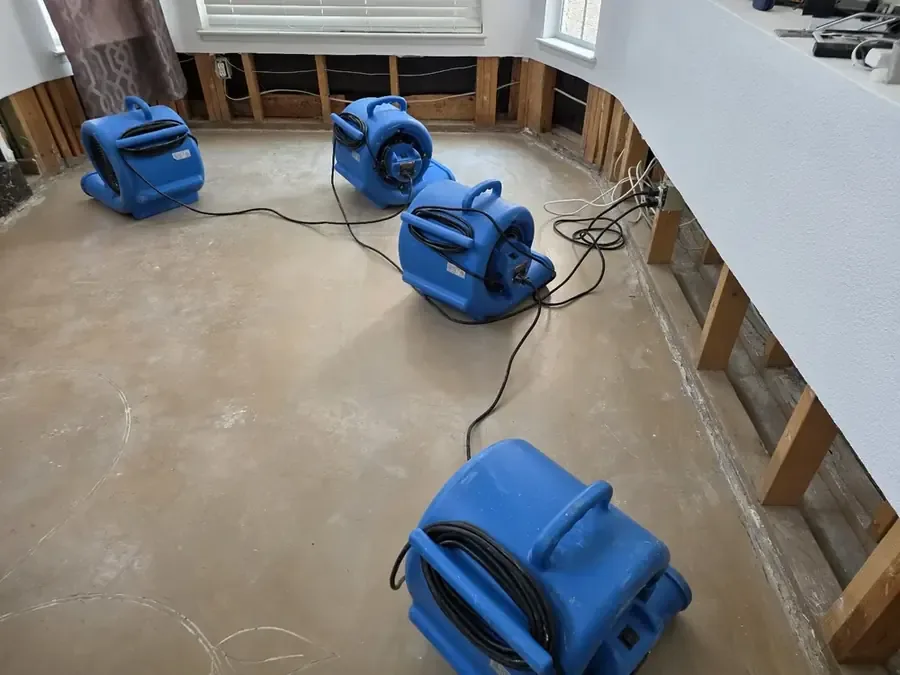 Structural DryingFraming and wall assemblies may retain moisture after a room looks dry; drying plans should follow measured changes in materials.
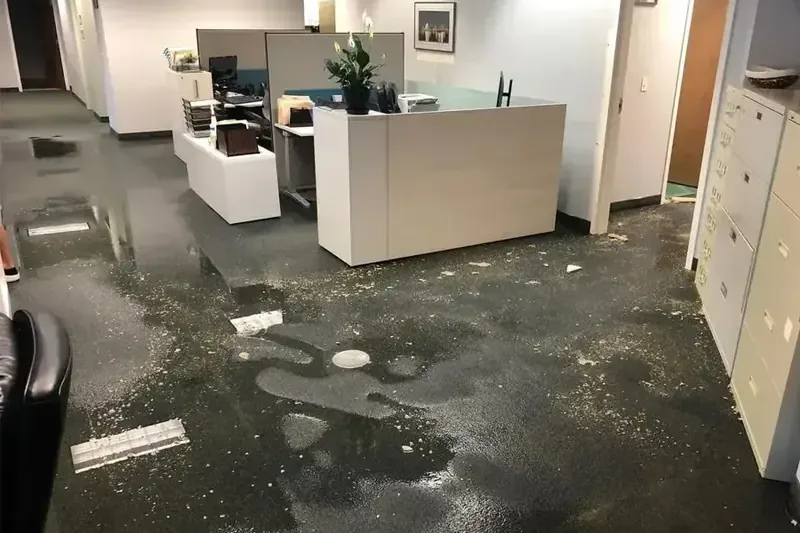 Commercial Water DamageBusiness cleanup must account for occupied areas, equipment, inventory and safe circulation as damaged rooms are isolated and dried.
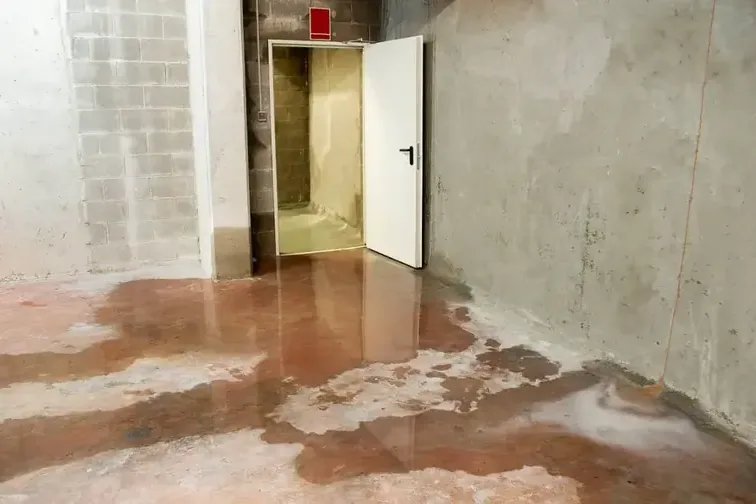 Basement Flooding CleanupWhere a property has a basement, standing water requires attention to electrical access, entry routes and moisture behind finished walls.
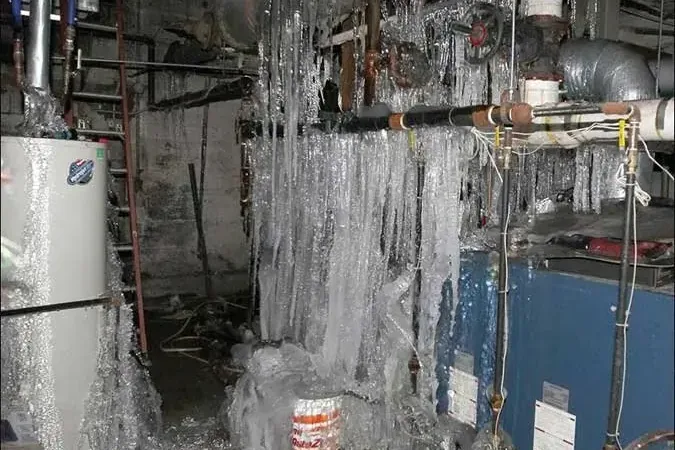 Frozen Pipe Water DamageA thawing split pipe can release water into concealed spaces, making inspection necessary even when the initial flow appears small.
Decisions connected to the damaged materials
A room can look ready for repairs while its lower walls remain wet. The assessment should explain that difference in practical terms.
- 01
Identify the active release
The first assessment separates water still entering the property from moisture left behind, so removal work does not conceal an unresolved source.
- 02
Remove water and residues
Extraction equipment and cleanup methods should suit the water condition and access, including recesses that cannot be reached with a household mop.
- 03
Track the hidden moisture
Measurements at selected material locations show whether drying is progressing and whether a cavity or floor layer needs additional attention before closing.
- 04
Prepare the repair boundary
The final scope distinguishes dry, retained materials from damaged finishes needing replacement, giving the next trade a defined starting point for restoration.
An orderly route through a disruptive problem
The Municipal Complex and Public Library sit on Cherba Place. For surrounding properties, a useful cleanup plan starts inside the affected building: where water traveled, what it touched and how those materials can be reached.
- Source control
- Measured material drying
- Clear repair handoff
Trace the route
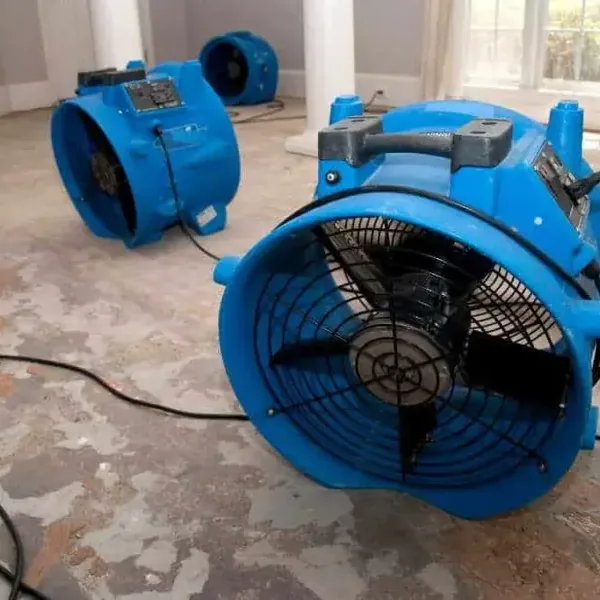
Moisture findings should connect the visible spill with nearby wall edges, thresholds and floor layers that may have received water along its path.
Separate repair responsibilities
The plan should identify the cleanup work and the plumbing or building repairs needed to stop the source and restore the damaged assembly.
Explain retained materials
A decision to keep flooring or framing needs a reason tied to condition, contamination and drying access, with reassessment as the work progresses.
Leave a readable record
Photos, readings and scope notes help property owners follow what changed, why an opening was needed and which repairs remain after drying finishes.
Describe what escaped before choosing the cleanup
Supply water
Water from a broken supply connection can soak porous materials quickly. The assessment follows its route and checks changes in condition after release.
Explore pipe release cleanupUsed appliance water
A dishwasher or washer discharge may carry residues into flooring and cabinets, affecting which materials can be cleaned and which need removal.
Check appliance spill handlingSewage intrusion
Wastewater requires a contained work area and deliberate handling of contaminated contents, surfaces and porous finishes before drying can finish the job.
Understand wastewater removalWhat changes water damage costs in Totowa?
Cleanup estimates depend on the wet area, water condition and access to hidden materials. A contained release needs a different scope from contaminated water across several rooms. An onsite assessment separates immediate work from later reconstruction costs.
These planning ranges do not replace an inspection. Separate source repairs, replacement finishes and contents work should be identified clearly so the estimate describes the actual proposed work.
Keep a record as conditions change
A clear damage record supports conversations about scope and coverage. The insurer decides coverage under the policy; the cleanup record should describe what happened at the property.
- Photograph the first safely visible water boundary
- Write down when the leak became apparent
- Keep receipts for necessary temporary damage measures
- Record affected rooms and damaged stored belongings
- Save repair findings that identify the water source
Paying directly for cleanup
For a directly paid job, a written scope can separate urgent extraction from material removal and drying, helping the owner understand what each stage is intended to achieve.
Any later change should identify the newly discovered damage and its effect on cost, especially when opening a wall reveals moisture that was inaccessible during the first inspection.
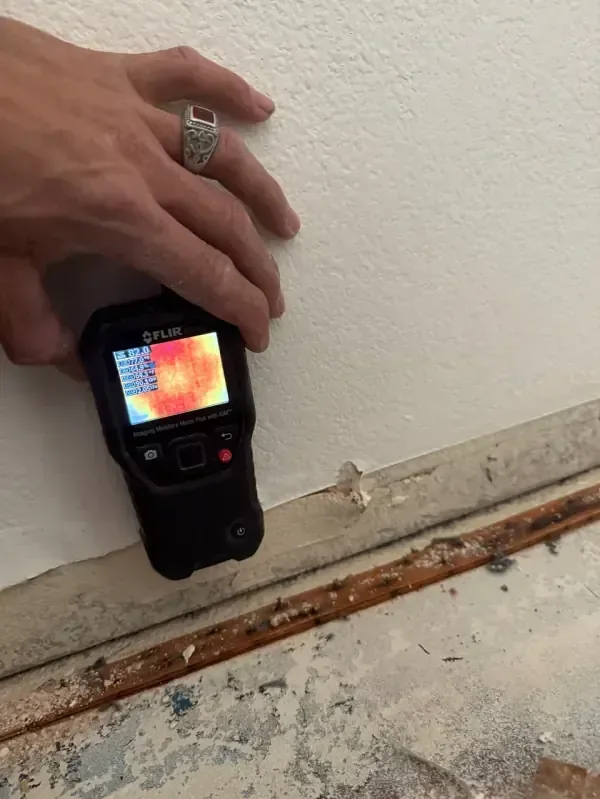
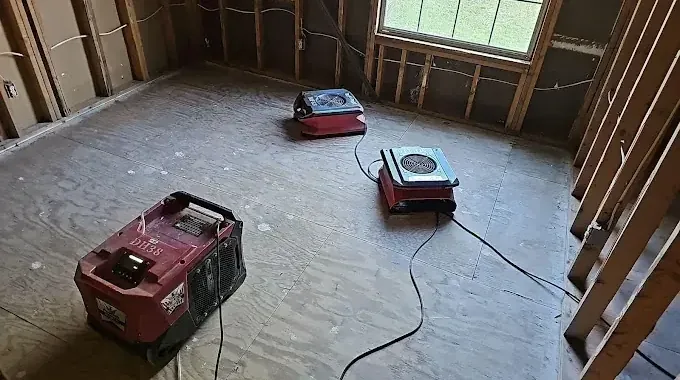
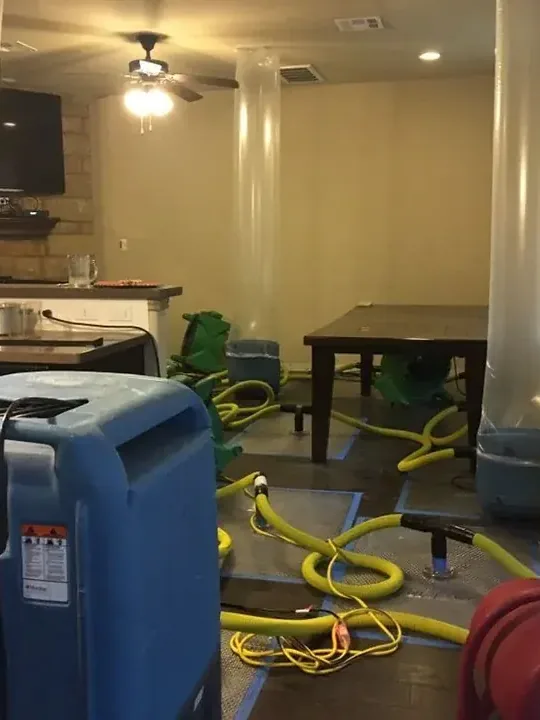
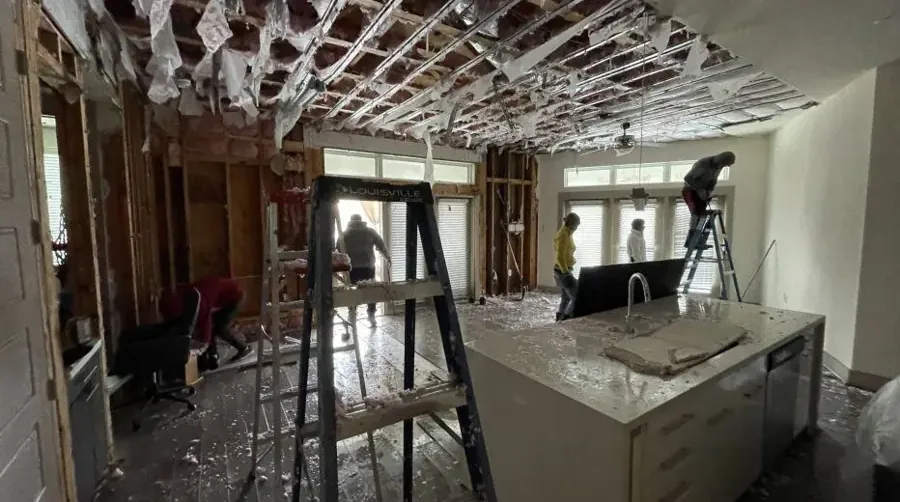
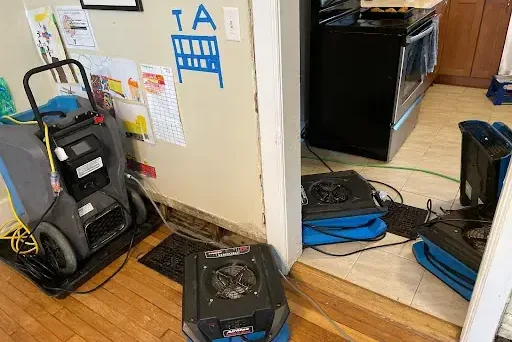
A closer look at water removal and drying
Totowa streets and property access
Location details for the visit
Totowa Road, Cherba Place, Union Boulevard, U.S. Route 46
Borough ZIP codes
07502, 07511, 07512
Other service areas
Explain access before moving equipment
The Community Center is on Union Boulevard, while Interstate 80 passes through the borough. A nearby landmark helps identify the area during the initial conversation.
Building access needs a separate description: stairs, locked entrances, wet passageways and equipment locations affect the work area. The water removal page explains the initial cleanup stage.
(888) 471-9821Explain the property accessPlan before you call
Nearby service areas
Water damage questions in detail
Woodland Park Basement Water After Repeated Storms
Woodland Park basement flooding: record returning water, assess sump access, separate extraction from drying and check hidden materials after repeated storms.
Totowa Sewage Backups and Returning Drain Water
Totowa sewage backups need drain source checks and controlled cleanup. Record returning water, restrict affected rooms and coordinate plumbing and drying work.
North Caldwell Laundry Leaks After Water Flushing
North Caldwell laundry leaks: separate flushing notices from water on the floor, inspect washer connections and trace moisture beneath cabinets and wall edges.
Useful context for borough property owners
River conditions, drinking water notices and an indoor plumbing failure call for different responses. Separating those issues helps a property owner act on the right information.
- 1Community notifications. Borough emergency notifications include critical alerts and boil water notices for residents and businesses; an indoor leak still needs property inspection.
- 2Municipal drinking water. The borough buys its drinking water from Passaic Valley Water Commission and performs additional sampling within its own distribution system.
- 3Wastewater collection. The Sewer Department manages sanitary sewage collection and conveyance from individual users through a borough system that includes seven pumping stations.
- 4Repair planning. The Building Department states that most property improvements require permits; repair questions can be discussed before damaged finishes are reconstructed.
- 5Property records. Construction Permit Self Service allows owners to view permit history, which can help organize existing building information for the repair conversation.
Current preparedness: Totowa Office of Emergency Management links residents to Passaic River flood levels, supporting awareness of changing river conditions before a property cleanup begins.
Questions before cleanup begins
Is surface cleanup enough after a small spill?
Water can move beneath trim or into flooring joints while the visible puddle remains small. An assessment checks those edges and nearby materials. The amount on the surface alone does not determine whether the wall or subfloor needs drying.
What information helps with the first conversation?
The property owner can describe where water appeared, whether it continues flowing and which rooms are involved. Details about electrical equipment, ceiling changes or wastewater help set priorities. Photos can supplement that description when they can be taken safely.
Who handles a municipal water concern?
Totowa has a municipal Water Department. A concern about public water service belongs in that municipal conversation, while a leaking fixture or pipe inside a building requires property assessment. The source needs identification before cleanup and repair responsibilities are sorted.
Can a room be occupied during drying?
Occupancy depends on contamination, electrical conditions, access and the work being performed. Equipment and hoses also affect walking routes. The cleanup plan should identify restricted areas and explain whether a usable dry portion of the property can remain separate.
Does every wet wall have to be removed?
Removal depends on the material, water condition and access for cleaning and drying. Some assemblies can be retained; others need openings or replacement. Measurements and physical condition help determine the scope instead of an automatic decision based on a stain.
Where can river conditions be checked?
The borough emergency management office links residents to Passaic River flood levels. Community alerts also provide important instructions. Property owners should follow official access restrictions and describe actual indoor conditions when arranging cleanup after water has entered a building.
Will the cleanup estimate include rebuilding?
That depends on the written scope. Water removal, cleaning and material drying may be priced separately from plumbing repair, flooring installation or ceiling replacement. Each proposed phase should explain its purpose and identify any work requiring another trade.
When should permit questions be raised?
The Building Department says permits are needed for most improvements. Questions about the proposed repair belong early in planning, especially before concealed assemblies are rebuilt. Owners can also inspect existing permit history through the borough Construction Permit Self Service.
What shows that drying has finished?
Completion should be supported by measurements in the affected materials and a comparison with suitable dry conditions. A pleasant room temperature or a dry looking surface is insufficient. The handoff should identify retained materials and any repair work still outstanding.
Start with where the water went
The next useful step is a clear description of the damage, followed by an assessment of source control, removal and material drying.
(888) 471-9821Discuss a property cleanup planCaldwell Water Damage Restoration
Caldwell, NJ and nearby Essex County
(888) 471-9821 · open 24/7
Water and sewage losses only
Find us on Google