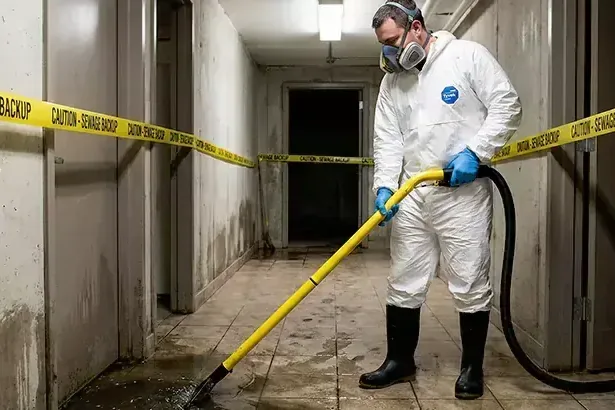
The Totowa Sewer Department manages sanitary sewage collection and conveyance from individual users. When wastewater returns through a household fixture, the immediate tasks are to stop adding water, keep people out of the affected space and arrange investigation of the drainage problem. The building cleanup then needs its own controlled route and material decisions.
Key takeaways
- Avoid flushing or running fixtures to test a drain that is already returning water.
- Keep occupants, pets and ordinary cleaning equipment outside the affected room.
- Record which fixture showed water first and whether other drains changed at the same time.
- Arrange plumbing investigation separately from removal of contaminated water and materials.
- Confirm the drainage problem is addressed before rebuilding the cleaned area.
Capture the sequence without creating another release
A useful report starts with the first fixture that changed: water rising in a toilet, returning through a floor drain or appearing in another low fixture. The occupant can describe what was happening at that moment, including whether an appliance was draining.
Those observations help the responding professional choose where the investigation should begin.
Repeated flushing or running taps can add more water to an obstructed drainage path. The safer reporting approach uses what has already been observed.
Photographs from outside the affected boundary can show the water level and room condition without asking anyone to step into wastewater or handle belongings that have been in contact with it.
The sewage backup cleanup service addresses the contaminated room and contents. A plumbing assessment addresses why drainage failed.
The contacts responsible for those tasks should share the reported sequence so cleanup does not proceed on the assumption that clearing visible water has also resolved the underlying drain problem.
- Name the first affected fixture and its room.
- Note whether other fixtures changed without testing them again.
- Record continued inflow from a safe location.
- Identify any occupied area reached by the returning water.
Describe the municipal system accurately when reporting
The borough describes a sanitary pumping system that conveys sewage to a central pump station, with treatment and disposal through Passaic Valley Sewerage Commissioners in Newark. This gives a local context for reporting collection problems.
The report about a household incident should still focus on the observed fixtures, rooms and timing that the investigating contact can check.
A municipal report and a private plumbing inspection may need different information. The municipal contact may ask about the broader pattern, while the plumbing professional examines the building drainage arrangement.
The owner should keep both records, including what each contact inspected and any next action requested, so responsibility for follow up remains clear.
The Community Center is on Union Boulevard, and the Municipal Complex is on Totowa Road at Cherba Place. These are local reference points for navigating borough services.
A household loss report should identify the affected property directly to the responsible contact and avoid assigning a cause from another location's condition or from the general sewer system description.
Set a controlled route through the affected building
Wastewater cleanup requires a boundary that occupants can understand and respect. The route from the affected room to the exterior should be planned before equipment and removed materials begin moving.
A short route is useful only when it also avoids carrying contamination across the rooms that remain occupied or through storage intended to stay clean.
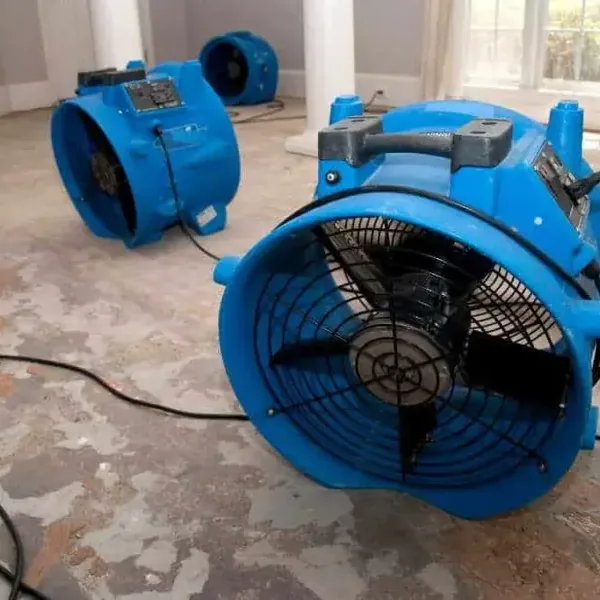
Ordinary household fans and vacuums should stay out of the wastewater area. The cleanup crew selects equipment and handling procedures for the actual water condition and affected materials.
The owner can assist by identifying room access, sensitive contents and any shared circulation that must remain available, without handling contaminated objects or crossing the work boundary.
A staging location should distinguish materials awaiting assessment from those approved for removal. Items do not become suitable for clean storage merely because visible water has drained away.
Clear labels and controlled movement help the crew preserve useful contents records while keeping the room's contaminated handling separate from daily household activity.
- Keep a dry route available for occupants where possible.
- Do not carry wet rugs or boxes into clean storage.
- Leave protective equipment selection to the cleanup professionals.
- Identify shared entrances before removal work starts.
Assess contact with materials beyond the puddle
The water boundary can reach wall bases, cabinet feet, floor seams and the underside of stored contents. Inspection should record that contact even when the liquid is shallow.
A room photograph taken after extraction may miss the original boundary, so the initial views are valuable when deciding which materials require cleaning, removal or further assessment.
Absorbent and nonabsorbent materials can require different treatment. Construction, attachment and the ability to access hidden surfaces also affect the decision.
The crew should describe each affected assembly in the scope, including layers exposed during removal, instead of grouping a carpet, cabinet base and concrete surface under a single label such as wet floor.
Water extraction is one part of the cleanup sequence. Contamination control and the condition of retained surfaces still need to be addressed before ordinary drying arrangements are appropriate.
The work record should make that sequence understandable so an owner can see why draining the room does not complete the restoration job.
- Mark the observed wastewater boundary on walls and fixtures.
- Photograph contents before authorized disposal.
- Record inaccessible backing or enclosed floor layers.
- Separate cleaning decisions from later finish replacement.
Check for recurrence before enclosing the work area
A cleared room can receive more wastewater if the drainage problem remains active. The plumbing contact should document what was found and what was done to restore drainage.
Any controlled testing belongs under that professional's direction, with the cleanup team aware of the test so renewed water can be recognized and the work area protected.
Drying should then focus on retained materials that have completed the required cleanup. The structural drying page explains how material readings support that work.
Measuring the same labeled locations over successive visits helps distinguish continuing wetness from a new release, especially where a wall base or floor edge remains slow to respond.
If wastewater returns, the observation should be added to the source history and the contamination boundary reassessed. Simply restarting a fan would leave the changed condition unaddressed.
Keeping the room accessible until the source and material conditions are resolved gives the next contractor a sound basis for closing walls or replacing floor finishes.
Build a handoff around separate plumbing and cleanup outcomes
The final folder should contain the drainage finding, cleanup scope, removed material list and drying outcome. Each document answers a different practical question.
The plumbing report explains the source intervention, while the restoration record identifies which rooms and materials were treated and what repair work is still needed before normal use resumes.
Totowa allows property owners to view permit history through Construction Permit Self Service, and the Building Department states that permits are needed for most property improvements. When the loss leads to alteration or repair, the owner can describe the proposed work to the department.
The actual project scope should determine the questions asked.
An occupant returning to the room needs a clear explanation of remaining restrictions, unfinished surfaces and the next contractor's access requirements. A completed extraction invoice alone does not supply that information.
The handoff should show the current room condition and the tasks still pending, making it easier to coordinate repairs without overlooking a concealed wet section.
- Retain the drain investigation report with the cleanup documents.
- List removed finishes by room and position.
- Identify any unresolved recurrence or inaccessible material.
- Photograph the prepared repair area before reconstruction begins.
Questions
Should a toilet be flushed again to see whether the drain cleared?
Additional fixture use can produce another release while the drainage condition is unresolved. A plumbing professional should direct any testing after assessing the problem and arranging protection of the affected space.
Is every sewage return a municipal pump problem?
The investigating contacts need to locate the actual drainage fault. The household report should describe the fixture sequence and affected rooms, allowing the building and collection system to be assessed as appropriate.
Can household fans dry the area first?
Wastewater calls for controlled cleanup before ordinary drying arrangements. The crew should assess contamination and choose equipment suited to the affected surfaces and work boundary.
What if the room floods again during restoration?
The renewed return needs to be reported as a change in the source condition. The crew should reassess affected materials and coordinate with the plumbing contact before continuing the previous cleanup plan.
What should remain after damaged finishes are removed?
The owner should have photographs of exposed assemblies, an identified removal scope and a record of retained material conditions. Those documents allow the repair contractor to understand the prepared space and remaining work.