Water Damage Restoration in Clifton
Water inside a home needs a clear sequence: control the release, separate unsafe areas, remove pooled water and measure what remains inside floors and walls before repair work begins.
(888) 471-9821Discuss this property's water damage- Standing water removal
- Material moisture checks
- Wastewater cleanup
Describe the source, affected level and access conditions when calling, including any electrical hazards near the wet area.
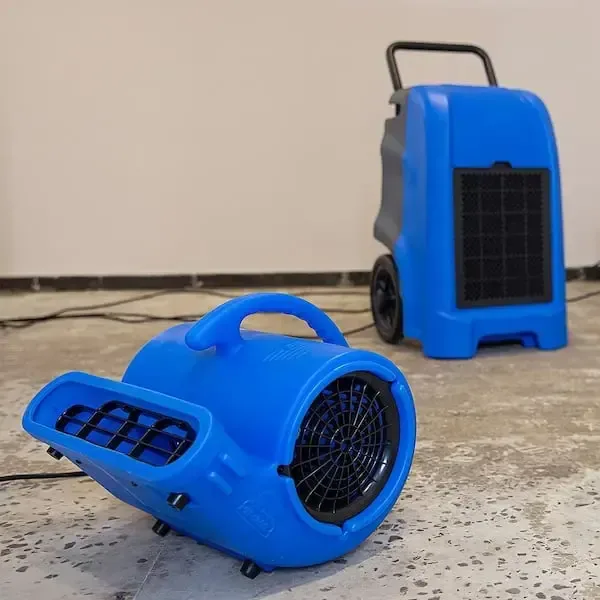
Reduce exposure while the cleanup is arranged
- Keep access clearPeople and pets should remain outside rooms with standing water, loose ceilings or uncertain electrical conditions until hazards receive attention.
- Stop a safe sourceA reachable supply shutoff may limit a plumbing release, provided reaching it does not require crossing water or disturbing equipment.
- Record visible changesPhotographs from a dry position can capture water edges, damaged belongings and ceiling changes before cleanup alters the scene.
- Separate dry belongingsMove accessible dry possessions away from the affected doorway without carrying wet items across otherwise usable rooms.
- Describe the situationThe initial conversation should identify the building level, suspected source, occupied areas and any restrictions on safe entry.
Choose the problem that matches the damage
A supply pipe, overflowing fixture and outdoor flood leave different cleanup needs. Select the closest situation for practical details about access, affected materials and drying.
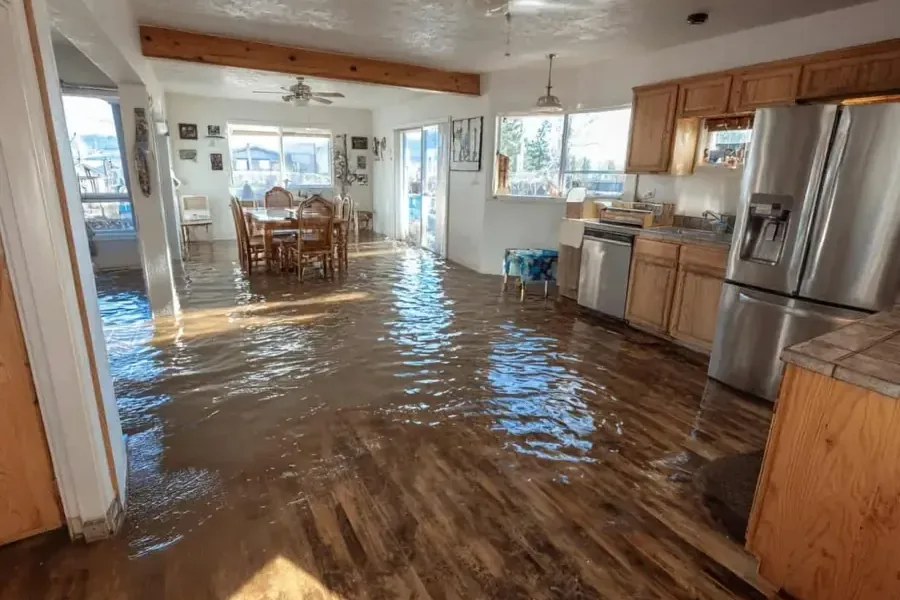
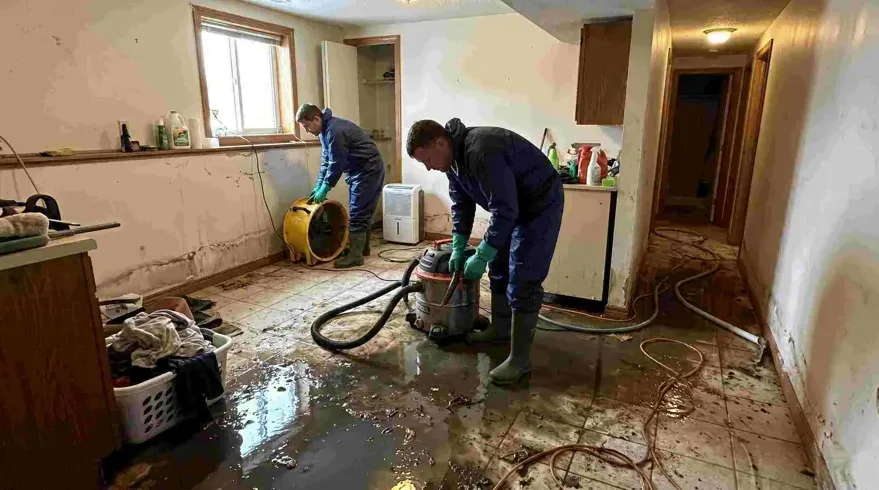 Water ExtractionPooled water removal focuses on room access, floor depth and the surfaces underneath before equipment changes from extraction to drying.
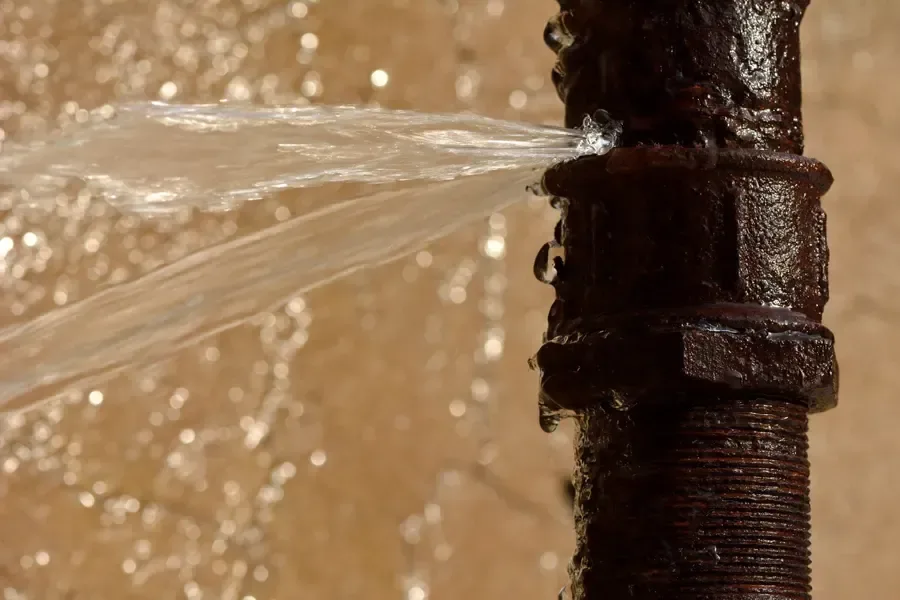 Burst Pipe Water DamageA ruptured supply pipe can wet several connected cavities; inspection follows the release beyond the room containing the broken fitting.
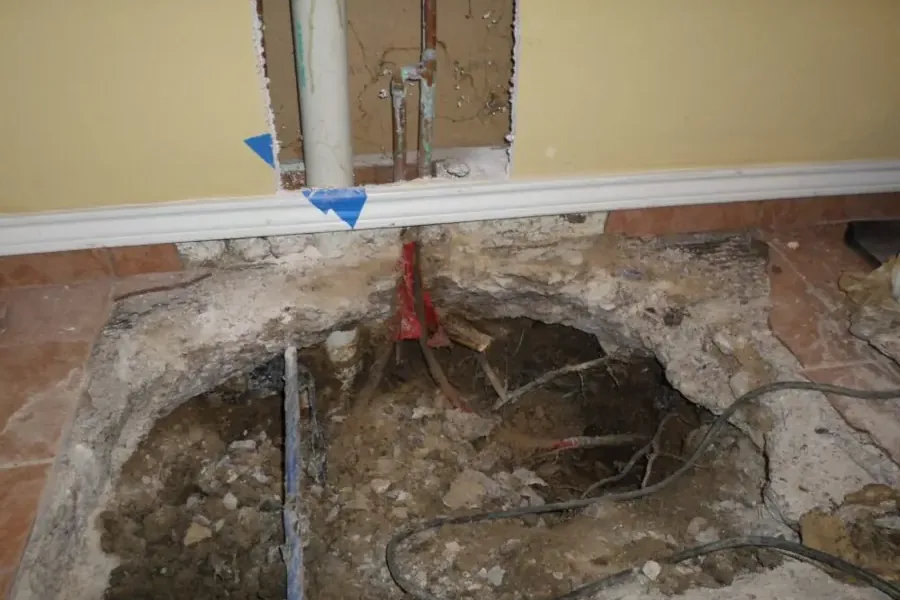 Slab Leak Water DamageWater beneath a concrete floor calls for coordinated plumbing access and moisture checks along coverings, partitions and nearby floor edges.
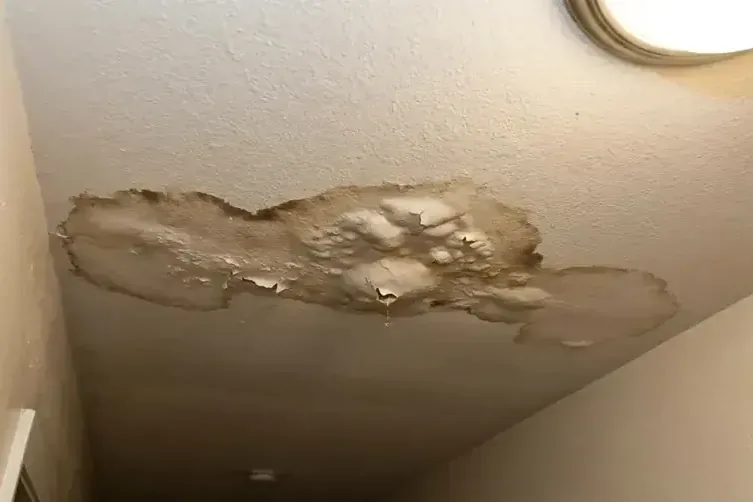 Ceiling Leak Water DamageSagging overhead finishes require a protected area below while the source and hidden wet insulation receive separate attention.
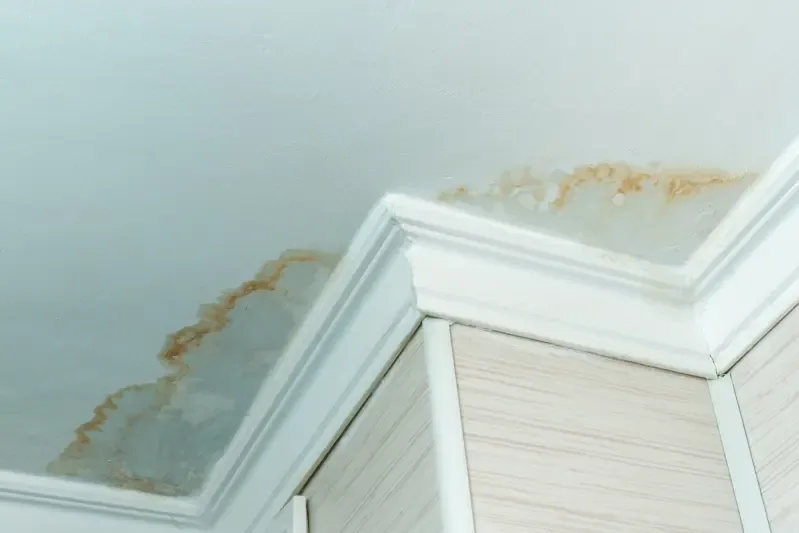 Roof Leak Water DamageRain entering above a room may travel through the attic before appearing indoors, so the visible stain starts the inspection.
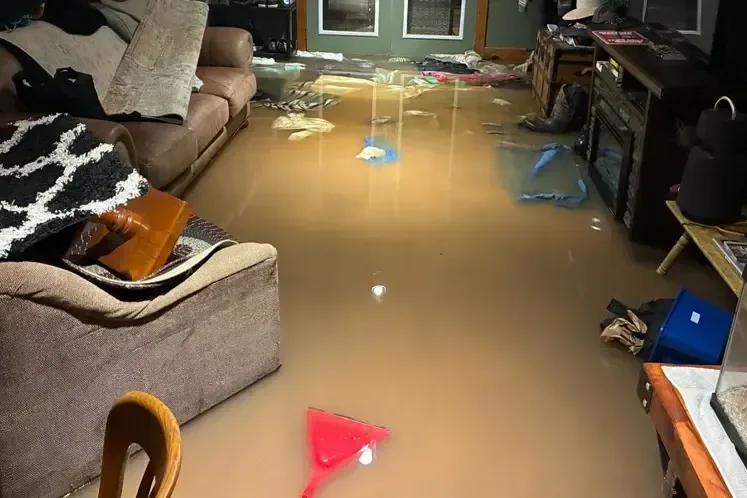 Storm Flood CleanupOutdoor flood entry requires attention to deposits and affected contents as well as water removal from accessible indoor spaces.
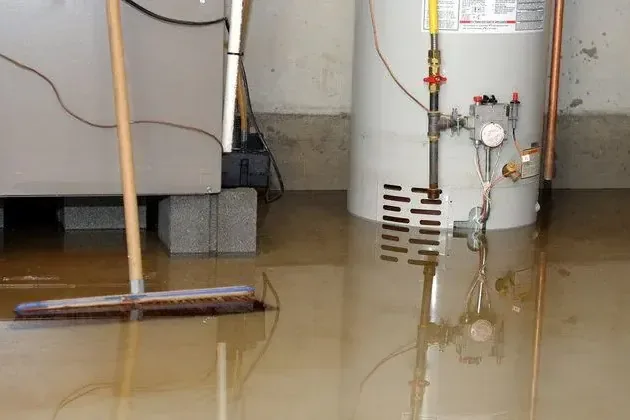 Water Heater Leak CleanupTank water can spread beneath adjacent finishes; cleanup includes the utility area and adjoining materials reached by the release.
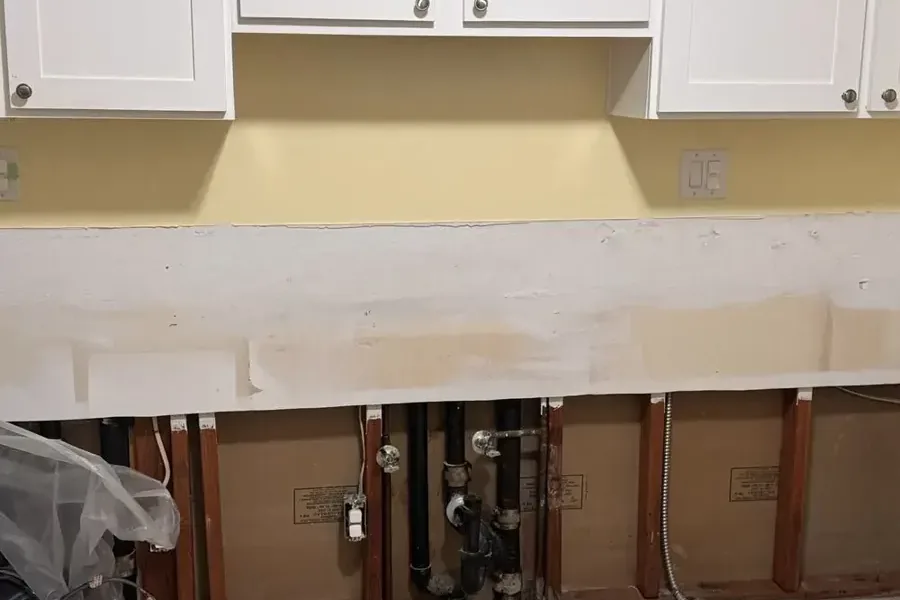 Appliance Leak Water DamageLeaks behind appliances deserve inspection under cabinets and flooring, where water can remain after the visible kitchen spill disappears.
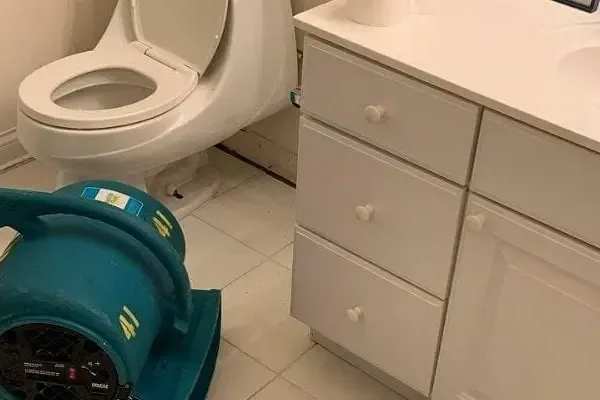 Toilet Overflow CleanupOverflow cleanup starts with the water source and contamination level, then follows the spill through bathroom edges and doorways.
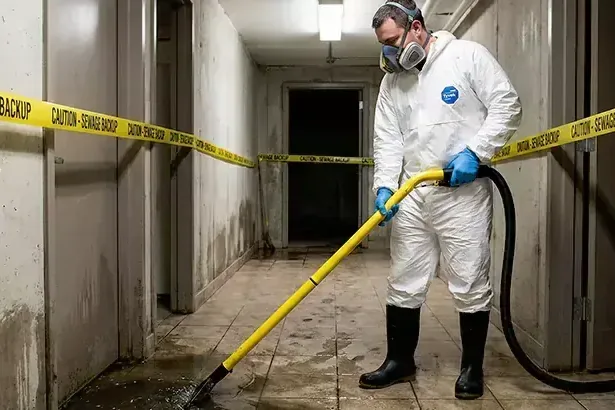 Sewage Backup CleanupWastewater requires restricted access, removal of unsalvageable porous materials and cleaning before drying equipment operates in the affected space.
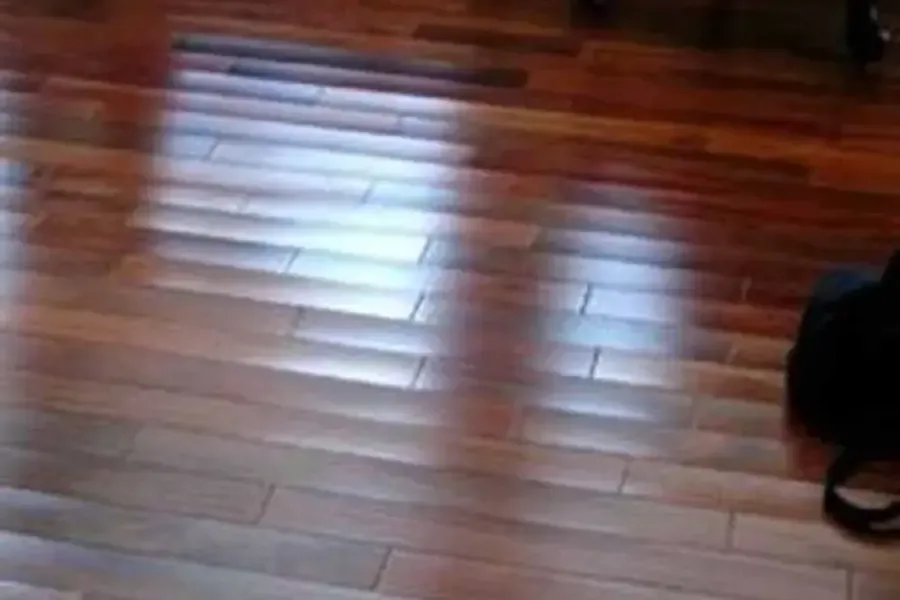 Hardwood Floor Water DamageWet boards need measurements through the floor assembly before decisions about controlled drying, removal or later refinishing become useful.
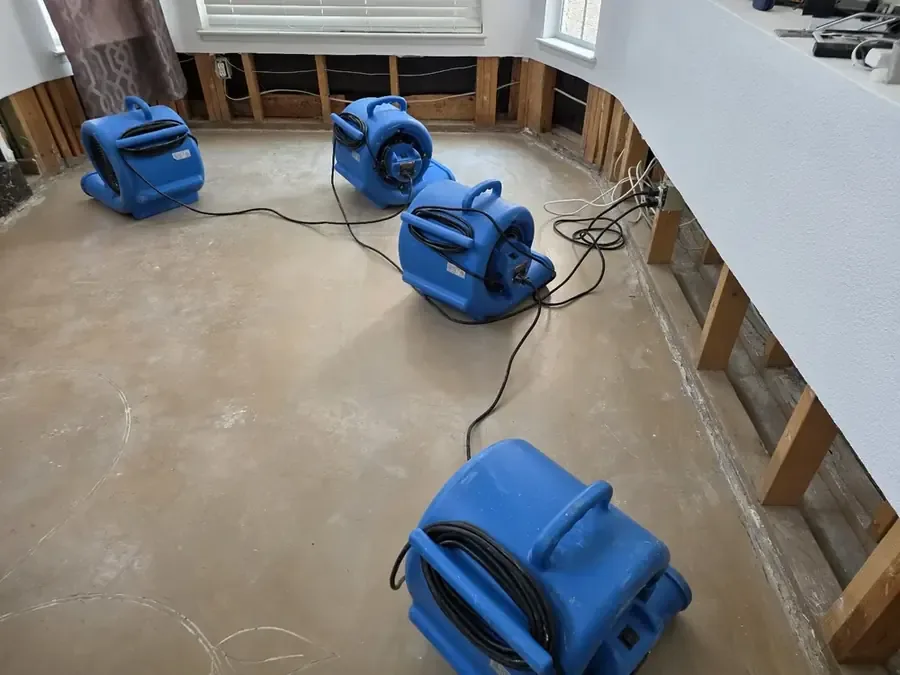 Structural DryingMoisture readings establish which walls, framing and floor layers still need controlled drying after standing water has been removed.
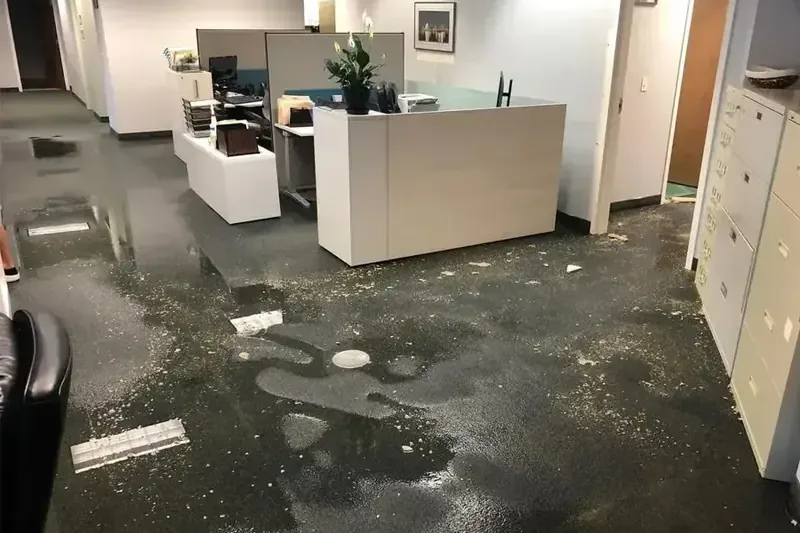 Commercial Water DamageA business cleanup plan separates affected work areas from usable space and coordinates equipment, contents handling and access with management.
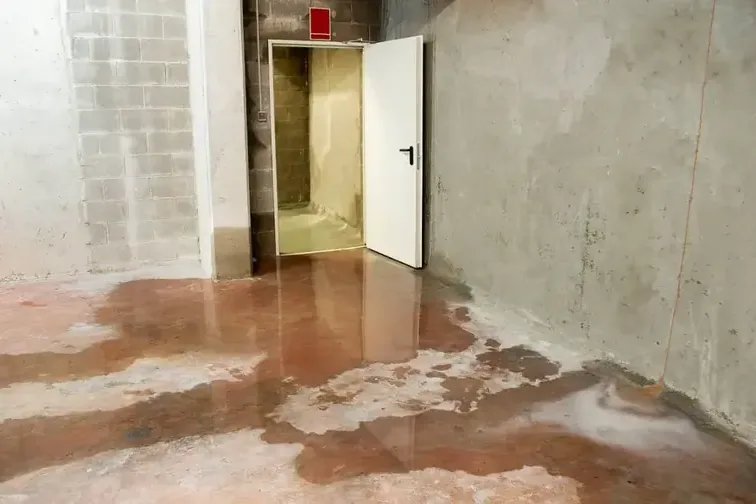 Basement Flooding CleanupLower-level pumping must account for electrical access, water entry and saturated belongings before the room can move toward drying.
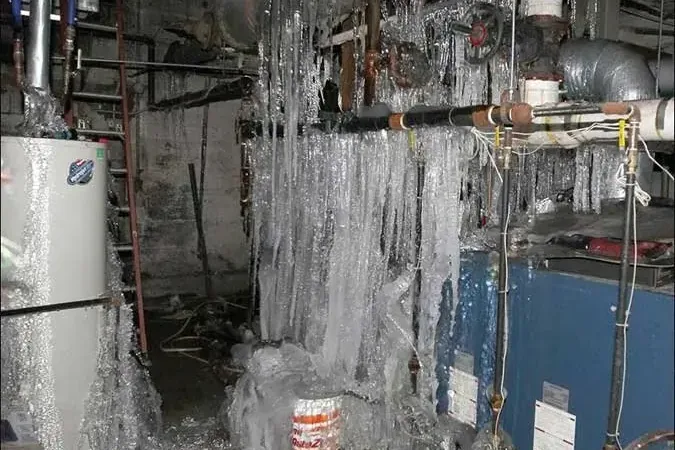 Frozen Pipe Water DamageDamage can become visible as a frozen pipe thaws; cleanup tracks released water through nearby cavities and occupied rooms.
Make the wet assembly visible
A clear cleanup scope connects each action to the material affected, with attention to access, contamination and the measurements needed before rebuilding.
- 01
Define the affected boundary
An initial inspection follows water paths through the room, adjacent partitions and accessible lower levels while noting unsafe areas that need separate attention.
- 02
Remove accessible water
Extraction tools match the surface and water depth, with contents moved only when handling them will not spread contamination or cause further damage.
- 03
Expose retained moisture
Materials that prevent useful drying are assessed individually, and any planned opening should have a stated purpose tied to the wet assembly.
- 04
Track the drying result
Repeated readings at consistent points show whether the materials are progressing toward the selected drying target and whether equipment placement needs adjustment.
Connect removal, cleaning and drying
Water damage work changes as the source is controlled and materials become accessible. The plan should explain the order of operations, the rooms included and how progress will be recorded before finishes are restored.
- Source identified
- Water removed
- Readings compared
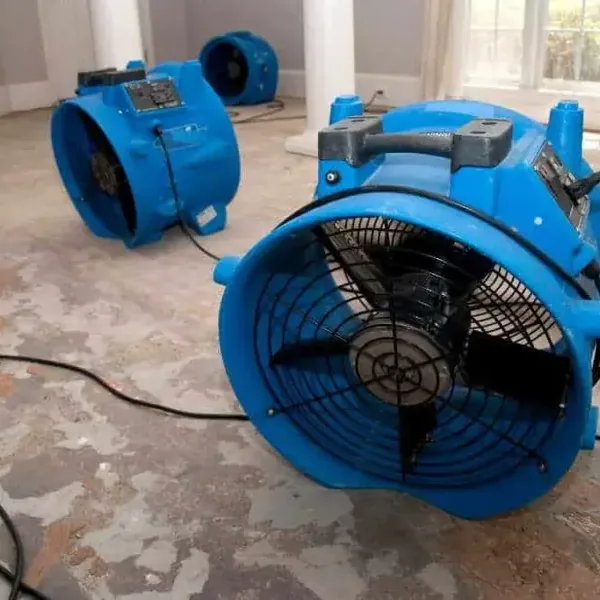
Room by room scope
The assessment follows wet edges into adjoining spaces, identifies affected contents and distinguishes surface water from moisture retained behind finishes or beneath floor coverings.
Source coordination
Plumbing or roof repairs address the release itself, while the restoration scope explains extraction, cleaning and drying work needed inside the affected building.
Recorded moisture
Measurements at identified locations provide a practical basis for equipment placement and later comparisons, keeping the drying decision tied to the actual assembly.
Repair handoff
The closing record identifies removed materials, remaining access openings and drying results so repair planning can begin with a clearer account of existing conditions.
Separate supply water from contaminated releases
Supply pipe release
Water from a broken supply pipe still needs prompt removal, with attention to contact time and every material encountered along its path.
Follow a pipe releaseUsed appliance water
Appliance discharge may carry residues that change cleaning and disposal decisions, especially when it travels beneath cabinets or into absorbent flooring.
Inspect appliance water spreadSewage intrusion
Wastewater calls for controlled access and a contamination cleanup plan before the affected room can return to ordinary household use.
Understand wastewater cleanupWhat shapes a Clifton cleanup estimate?
The affected area, water source and number of wet material layers shape the estimate. A written scope should distinguish extraction, removal, cleaning and drying, with repair or source correction costs identified separately before work is authorized.
These planning ranges do not replace a property assessment. The estimate should explain the actual wet area, salvage decisions and conditions that could change the scope.
Document before materials leave
Photographs, an item inventory and dated work records help explain the loss. Coverage decisions depend on the policy and the circumstances reported to the insurer.
- Photograph room boundaries before extraction changes them
- List belongings with their visible damage noted
- Keep source repair invoices with cleanup records
- Record dates when water changes were discovered
- Retain estimates and material moisture documentation together
When payment comes directly
A self-funded cleanup still benefits from a written scope. The affected materials, disposal needs and equipment plan should be clear before authorization, including any expected follow-up visits.
Questions about optional repair work belong beside the cleanup estimate. Separating immediate water removal from later finish replacement makes the sequence easier to understand and budget for.
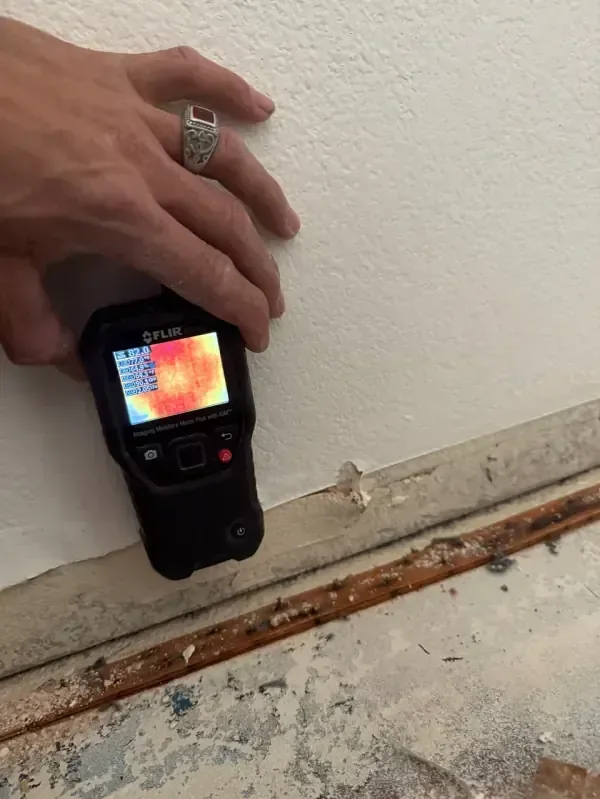
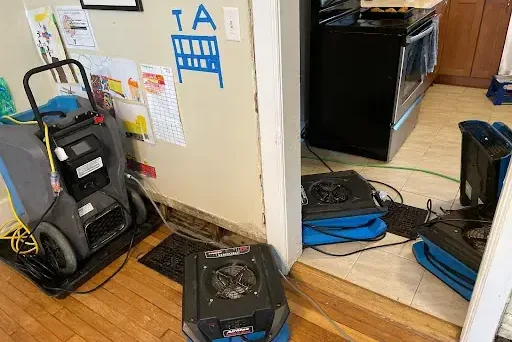
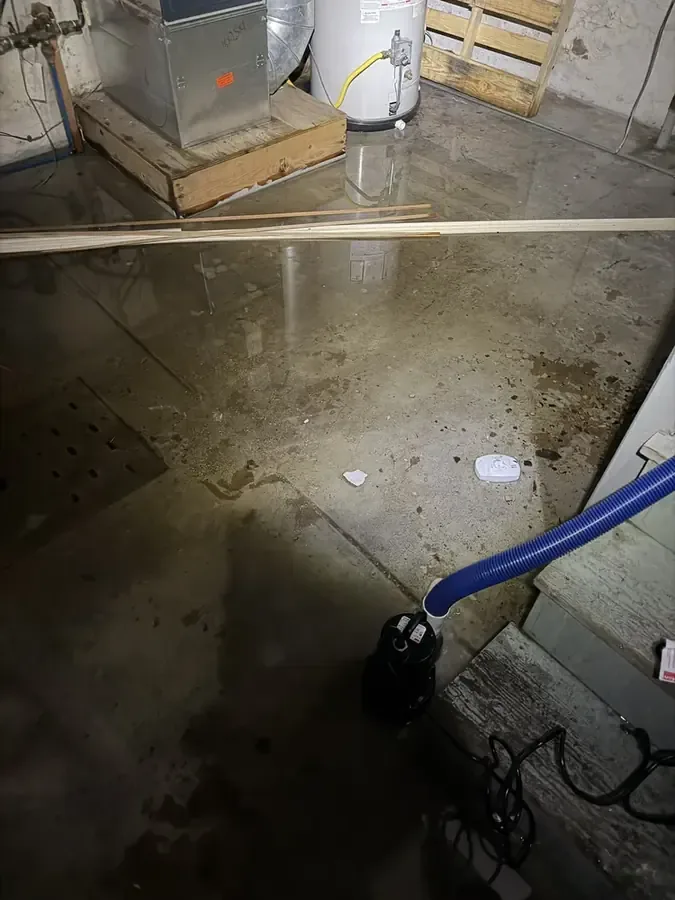
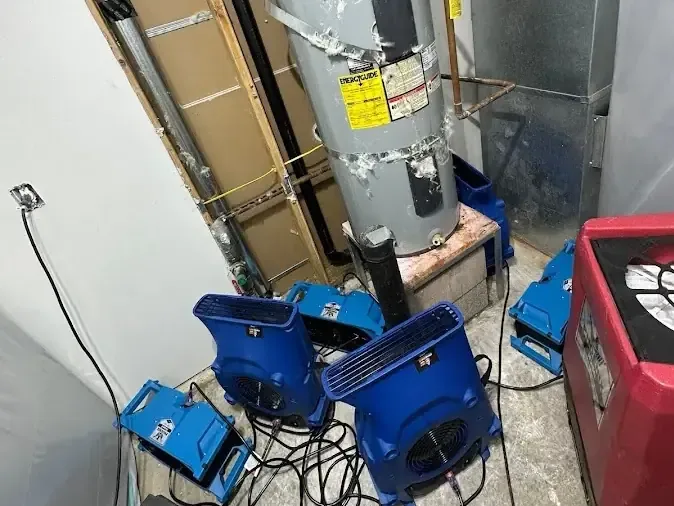
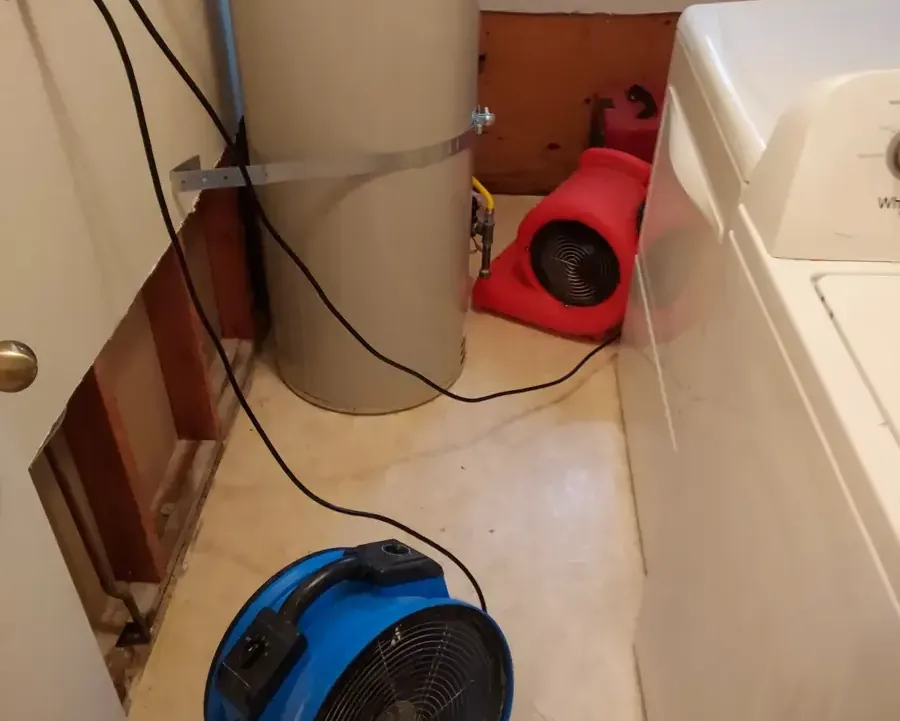
Removal and drying across affected indoor surfaces
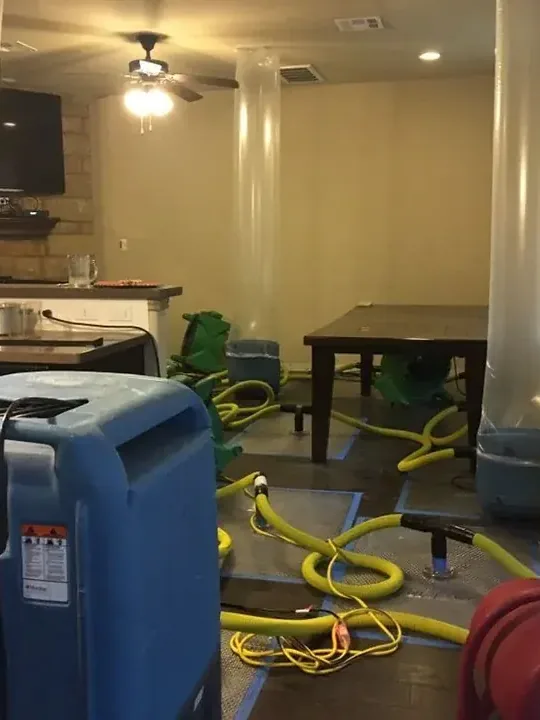
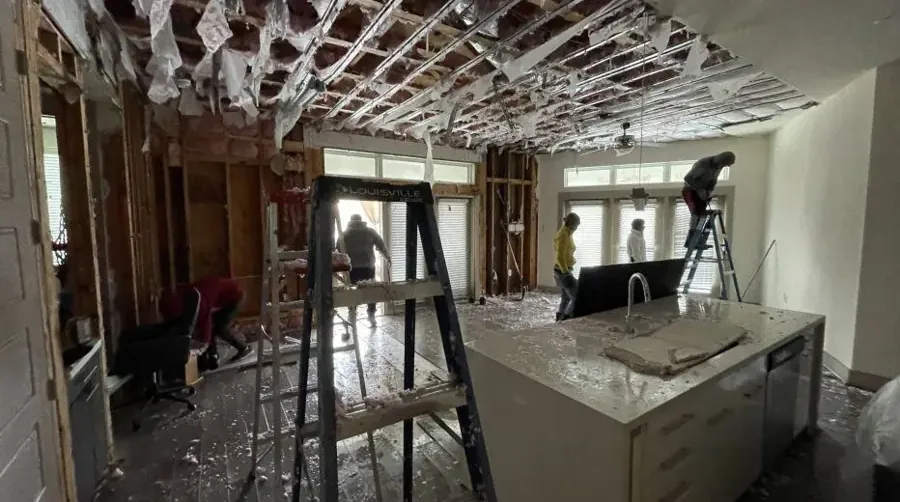
Arrange cleanup around the affected building
Major routes in town
Route 3, Route 46, Route 19, Route 21, Garden State Parkway
Listed ZIP areas
07011, 07012, 07013, 07014
Additional town pages
Describe the entrance and wet level
Clifton includes residential areas such as Dutch Hill and Albion Place, along with business settings in Allwood. Building access details help define the practical work area.
For a location in Athenia or Delawanna, identify the affected entrance, interior level and occupied rooms when arranging an assessment. Mention any standing water near electrical equipment.
(888) 471-9821Discuss access for this propertyPlan before you call
Nearby service areas
Water damage questions in detail
Woodland Park Basement Water After Repeated Storms
Woodland Park basement flooding: record returning water, assess sump access, separate extraction from drying and check hidden materials after repeated storms.
Totowa Sewage Backups and Returning Drain Water
Totowa sewage backups need drain source checks and controlled cleanup. Record returning water, restrict affected rooms and coordinate plumbing and drying work.
North Caldwell Laundry Leaks After Water Flushing
North Caldwell laundry leaks: separate flushing notices from water on the floor, inspect washer connections and trace moisture beneath cabinets and wall edges.
Flood history deserves practical preparation
The Passaic River forms part of the city's northeastern boundary, while Weasel Brook passes through Weasel Brook Park. Indoor damage still requires a building-specific assessment.
- 1Basement entry. The Hurricane Ida update described municipal assistance with pumping flooded basements; a flooded lower level needs electrical and entry hazards assessed first.
- 2Stormwater management. The city's Watershed Improvement Plan includes addressing stormwater flooding, while household cleanup starts with the particular opening and rooms reached by water.
- 3Sanitary blockage. The Sewer Division responds to sanitary sewer blockages and house lateral stoppages. Indoor wastewater damage also requires a separate cleanup plan.
- 4Drainage maintenance. A separate municipal crew maintains storm drain inlets and manholes, making the distinction between outdoor drainage reports and interior damage useful.
- 5Household releases. A failed appliance, tank or supply fitting can create water damage independently of outdoor conditions. Source control limits further wetting during restoration.
September 5, 2021: Following Hurricane Ida, the city reported flooded-basement pumping, evacuations and utility repairs, showing the importance of safe access during a wider cleanup.
Questions about water damage work
What matters most during the first conversation?
The source, affected building level and current hazards matter more than a guessed water volume. Useful details include whether water is still entering, whether the ceiling has changed shape and whether anyone must cross a wet area to reach utilities.
Does every wet wall need removal?
A wet wall needs inspection before that decision. Material type, contamination, access and moisture readings determine whether controlled drying is practical or an opening is needed. Surface appearance alone cannot show the condition of insulation or framing concealed inside the assembly.
Is outdoor floodwater handled like a pipe spill?
Outdoor entry may bring sediment and contaminants into a building, changing cleaning and disposal needs. A supply release has a different starting point, but its condition also changes with time and contact. The cleanup scope should identify the actual source and path.
Can household fans finish the drying?
Air movement can affect exposed surfaces while moisture remains beneath flooring or inside walls. Effective drying requires an appropriate setup and material checks. Fans should not spread contaminated water residues or direct air through an area that has not been cleaned.
Who handles a blocked municipal sewer?
Clifton Public Works lists sanitary sewer blockages and house lateral stoppages among Sewer Division responses. A report about a drainage problem and a plan for contaminated indoor materials serve different purposes. The source condition should be addressed alongside safe interior cleanup.
What records should stay with damaged belongings?
Keep photographs and an inventory showing the item, its location and visible condition. The city's Hurricane Ida update asked residents to inventory damaged or lost contents for assistance claims. Insurer instructions should also be considered before items leave the property.
Can business operations continue during cleanup?
That depends on safe separation, utilities, contamination and the layout of the occupied space. Management should identify essential routes and sensitive equipment. Affected rooms may need restricted access even when a separate dry area remains available for ordinary business activity.
How is a drying endpoint selected?
The endpoint relates to the materials involved and appropriate comparison readings, with checks at consistent locations. A dry-looking surface is only part of the picture. Recorded results should explain whether concealed layers remain wet and whether access needs to change.
What should a written estimate make clear?
An estimate should identify the rooms included, anticipated material removal, cleaning tasks and drying equipment. It should also distinguish source repair and finish reconstruction from restoration work. Any condition that may expand the scope should be explained before additional work proceeds.
Describe the water damage before it spreads further
An assessment begins with the affected rooms, the suspected release and the access conditions needed to plan extraction, cleaning and material drying.
(888) 471-9821Discuss the next cleanup stepCaldwell Water Damage Restoration
Caldwell, NJ and nearby Essex County
(888) 471-9821 · open 24/7
Water and sewage losses only
Find us on Google