Frozen Pipe Water Damage in Clifton
A pipe that appears quiet while frozen may release water as it thaws. The restoration assessment needs to track that changing source condition alongside wet cavities, connected flooring and any occupied room below the damaged section.
(888) 471-9821Discuss water appearing during the thaw- Changing release assessment
- Concealed cavity checks
- Controlled repair handoff
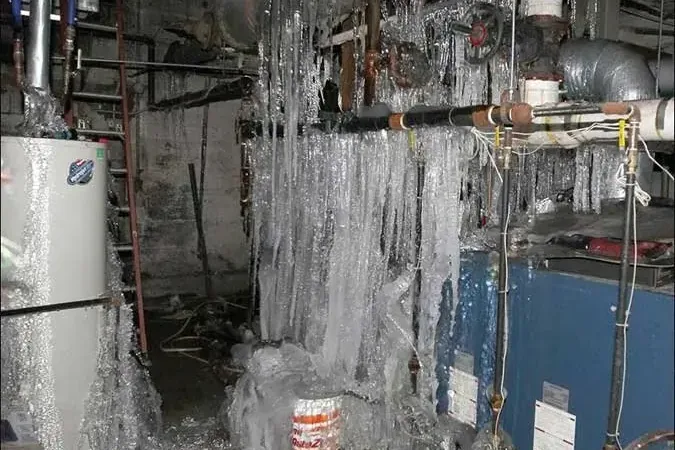
First steps for frozen pipe water damage
- Treat thawing as a changing condition. Describe new drips or growing wet areas during thawing. Keep affected rooms accessible for inspection while appropriate plumbing assistance assesses the changing source condition.
- Avoid improvised pipe heating. Unsafe heating methods can create hazards around damaged plumbing and concealed materials. Source handling should be coordinated with appropriate plumbing assistance, especially when electrical exposure or inaccessible connections complicate the affected area.
- Preserve access to connected rooms. Water inside a cavity can reach another room or the level below. Keep visible wet edges and repair openings accessible so inspection can trace the path through adjoining assemblies without repeated contents movement.
- Keep repair and drying records together. Plumbing findings explain source correction, while material readings explain restoration progress. Keeping both records with photographs helps show what happened at the pipe and what remained wet around the repaired section afterward.
How frozen pipe water damage is handled
Establish the pipe and release status
The assessment records whether the pipe remains frozen, whether water is actively escaping and what source work is planned. Safe access comes first around utilities and wet surfaces. Restoration planning then identifies the rooms already affected while allowing for changes as the plumbing condition develops.
Trace the water through connected materials
Inspection follows visible wet edges and accessible cavities from the damaged section into adjoining walls and floors. A room below may need checking where water has traveled downward. The record distinguishes the plumbing repair opening from the broader moisture boundary requiring extraction or selective restoration access.
Expose and dry the retained layers
After source correction and necessary water removal, materials are evaluated for retention or removal. Equipment targets the wet assembly that remains, including concealed edges reached through appropriate openings. Repeated checks establish whether drying is progressing and whether another layer prevents access to retained moisture.
What does frozen pipe water damage cost in Clifton, NJ?
Frozen pipe cleanup pricing in Clifton depends on the thaw release, connected wet layers and access required. The estimate should separate plumbing correction from extraction, selective removal and material drying, with later wall or floor reconstruction described distinctly from the restoration work.
For a closer planning number, run the water damage cost calculator. The restoration contractor who responds sets the real scope after the walkthrough and the moisture map.
Frozen Pipe Water Damage restoration sequence
- 01
Establish the pipe and release status
The assessment records whether the pipe remains frozen, whether water is actively escaping and what source work is planned. Safe access comes first around utilities and wet surfaces. Restoration planning then identifies the rooms already affected while allowing for changes as the plumbing condition develops.
- 02
Trace the water through connected materials
Inspection follows visible wet edges and accessible cavities from the damaged section into adjoining walls and floors. A room below may need checking where water has traveled downward. The record distinguishes the plumbing repair opening from the broader moisture boundary requiring extraction or selective restoration access.
- 03
Expose and dry the retained layers
After source correction and necessary water removal, materials are evaluated for retention or removal. Equipment targets the wet assembly that remains, including concealed edges reached through appropriate openings. Repeated checks establish whether drying is progressing and whether another layer prevents access to retained moisture.
- 04
Complete a coordinated repair handoff
The closing documentation identifies the source repair status, removed finishes and material drying results. Any cavity still requiring attention remains clearly noted. Wall and floor repairs can then be planned around the actual condition of the structure instead of assuming the repaired pipe marks the end of the loss.
Frozen plumbing creates a changing situation: a quiet pipe can begin releasing water as the frozen section thaws. The damage assessment should account for that possibility while establishing safe source control. Water already in a wall or beneath a floor needs attention even after the failed section is repaired.
Describe the pipe location and the first wet surface
Albion Place is a mostly residential neighborhood beside Garret Mountain Reservation. In a home there, useful information includes the pipe's accessible location and the room where water first appeared. The restoration plan follows the individual release through nearby materials rather than treating the whole building as one undifferentiated wet area.
Athenia is centrally located and has a train station. An affected property there may need plumbing access coordinated with furnishings and occupied rooms. The first visible puddle can sit below or beyond the damaged section, so inspection should connect the pipe opening with the actual interior water path.
Keep thawing and restoration tasks distinct
Improvised heating or opening of plumbing can create additional hazards. Appropriate source assessment should establish how the pipe can be handled safely, while restoration examines the resulting wet assembly. A repair opening may expose framing but leave water trapped under an adjoining finish or inside a connected partition.
- Note any increase in water as the pipe condition changes.
- Keep electrical exposure near the release in the access assessment.
- Check ceilings below an affected upper room for new changes.
- Document wet edges that extend beyond the plumbing repair opening.
Close the loss with material results
Richfield provides another central residential location for a building-specific assessment. Once the release is controlled, drying decisions follow the retained layers and available access. Burst pipe cleanup addresses related supply-water spread, while the final restoration record should distinguish completed pipe work from the condition of the walls and floors around it.
Safety planning starts with Ready.gov flood precautions; household water-use checks appear at EPA WaterSense.
Related water damage services in Clifton
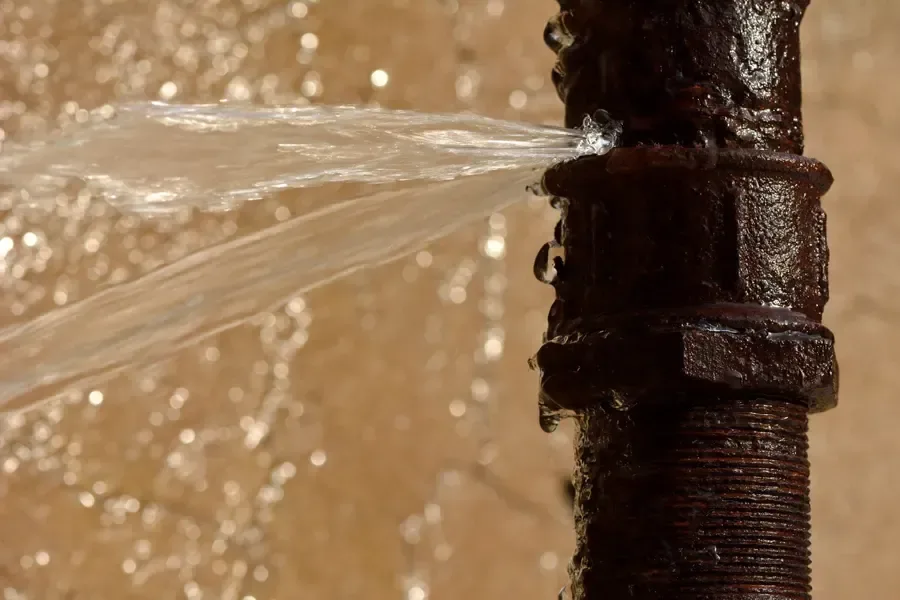 Burst Pipe Water Damage in CliftonBurst-pipe cleanup follows pressurized water through cavities, floor openings and room edges. A plumber repairs the damaged pipe while restoration technicians remove escaped water and establish a drying plan for connected materials.
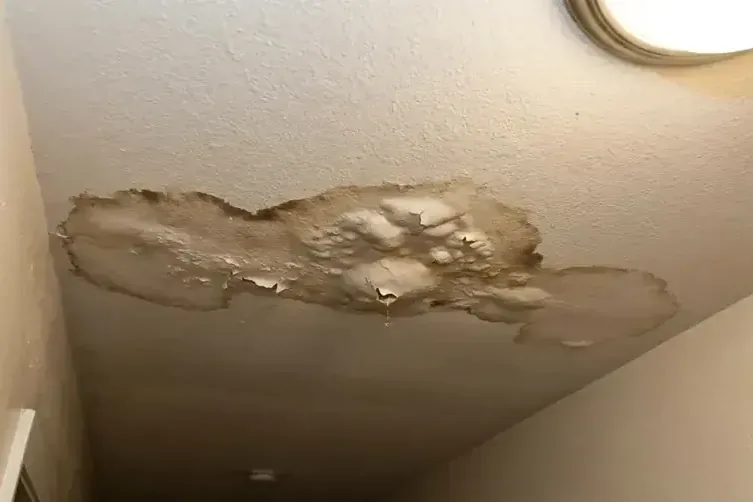 Ceiling Leak Water Damage in CliftonCeiling cleanup addresses wet drywall, insulation and framing after an overhead release. The source may sit in a bathroom, supply pipe or another space above the stain, so inspection follows the water path.
Frozen Pipe Water Damage in CaldwellFrozen-pipe restoration addresses escaped water after cold exposure damages a supply pipe or fitting. Plumbing professionals inspect and repair the source while the mitigation crew checks wet cavities, floors and adjoining rooms.
Frozen pipe water damage in Clifton, NJ
Clifton frozen pipe assessments include Albion Place, Athenia and Richfield, with the affected pipe location and visible water path evaluated at the individual property.
The same service nearby: frozen pipe water damage in Caldwell, Woodland Park, Totowa.
Water damage restoration in Clifton · every town coveredFrozen Pipe Water Damage questions
Can a frozen pipe leak only after thawing starts?
A damaged pipe may release water as thawing restores flow. New wet areas or increased dripping help locate the developing path. Source assessment and interior inspection should account for these changes while identifying materials reached by the release.
Should occupants try to heat the pipe quickly?
Improvised heating can create hazards, especially around concealed materials, electrical components or damaged connections. Appropriate plumbing assistance should establish a safe approach to the source. The restoration conversation can begin with observed water and access conditions without requiring an occupant to attempt a thaw.
Does stopping the water eliminate hidden damage?
Source control prevents continued release, while water already inside a partition or floor remains a restoration concern. Material checks establish where moisture traveled and what access is needed. A repaired fitting or pipe section cannot by itself show the condition of the surrounding assembly.
Why inspect the level below the damaged pipe?
Water may travel down through openings or along framing before becoming visible elsewhere. Ceiling changes or wet floor edges below the release deserve attention. Inspection follows those observations and accessible readings rather than assuming the room containing the damaged pipe is the only affected space.
Can the plumbing opening be patched immediately?
The opening may still be needed to inspect and dry surrounding materials. Closing it too early can conceal retained moisture or limit useful access. The repair plan should connect source correction with documented material conditions before the wall or floor finish is replaced.
What if the water stopped before cleanup was arranged?
The affected materials can remain wet after the visible release ends. Describe where water appeared and any change in wall, ceiling or floor condition. Those observations help locate checks, while the current source status and material readings establish what restoration work remains necessary.
How are contents near the pipe handled?
Their condition and position determine whether safe movement is practical. Wet belongings should be documented and moved through a route that protects dry rooms. Furnishings should not return against the repair area until they no longer block moisture checks, equipment or access needed for the assembly.
Connect pipe correction with a dry assembly
The restoration result should account for water already released into walls and floors before replacement finishes close the space around the repaired plumbing.
(888) 471-9821Plan the thaw damage cleanupCaldwell Water Damage Restoration
Caldwell, NJ and nearby Essex County
(888) 471-9821 · open 24/7
Water and sewage losses only
Find us on Google