Lincoln Park Water Damage Restoration
A wet floor needs more than a mop when water reaches walls or concealed layers. Lincoln Park cleanup starts with the entry source, safe access and the materials holding moisture.
(888) 471-9821Talk through the water loss- Source assessment
- Material moisture checks
- Water and sewage cleanup
River overflow and household leaks require different cleanup decisions, even when the visible puddles look much alike.
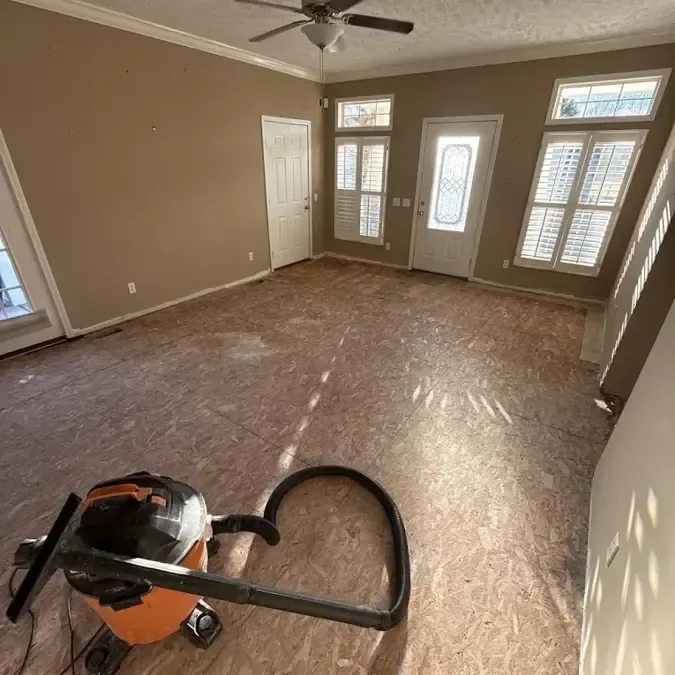
Keep people clear and describe what changed
- Stay on dry groundKeep people out of standing water where electricity, unstable ceilings or contamination may make entry unsafe.
- Interrupt a plumbing releaseUse an accessible shutoff from a dry position; avoid entering a wet utility room to reach a valve.
- Leave flood routes openMove vehicles only when travel is safe, and follow road restrictions instead of crossing water to reach the property.
- Record visible changesPhotograph the water boundary and damaged belongings from a safe location before moving items or discarding anything.
- Explain the starting pointDescribe the first wet room, continuing inflow and any sewage odor so the cleanup assessment addresses the actual conditions.
Match the cleanup to the water source
Describe where water first appeared and what it touched. The service choices below separate plumbing releases, outdoor flooding and moisture trapped inside building assemblies after removal.
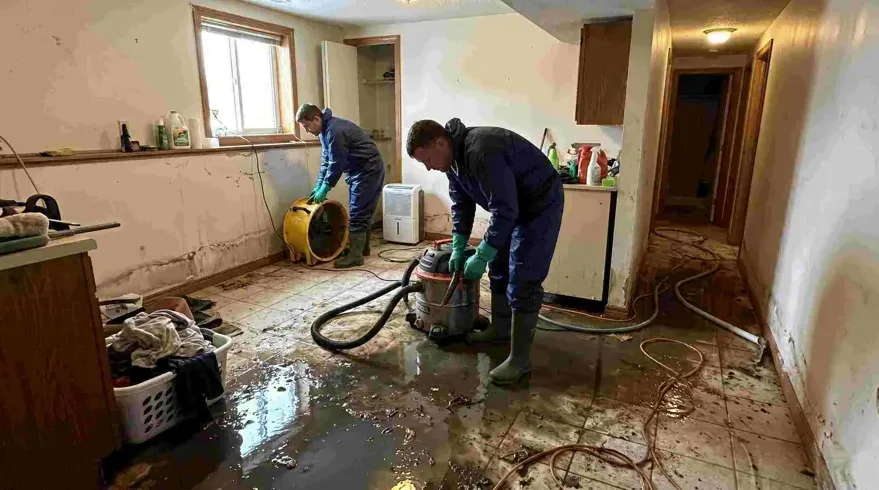 Water ExtractionStanding water removal begins with safe pump access, source classification and a plan for the damp materials beneath the puddle.
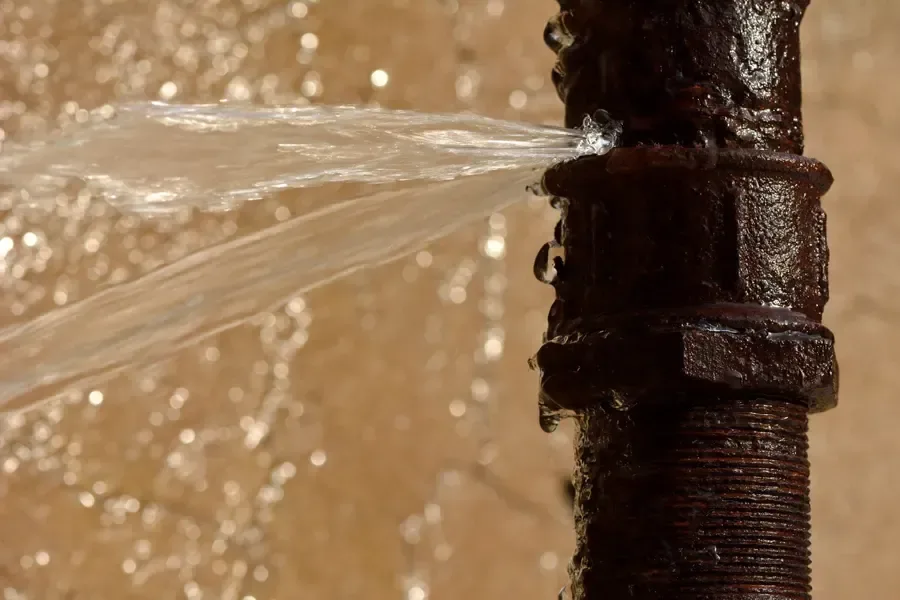 Burst Pipe Water DamageA broken supply pipe can wet several rooms before isolation. Cleanup follows the spray path through walls and floor edges.
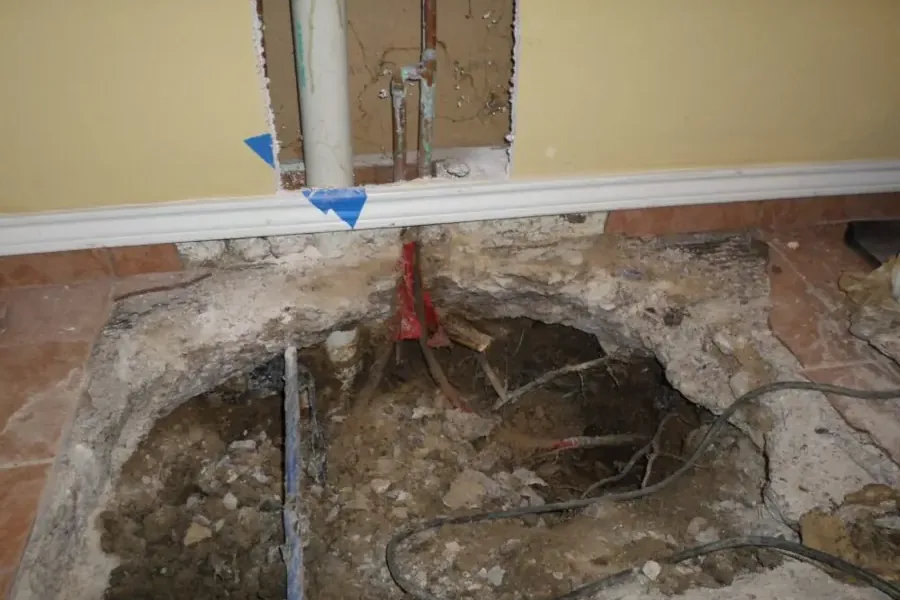 Slab Leak Water DamageMoisture rising at a floor seam needs leak diagnosis and assembly checks before anyone chooses a concrete access point.
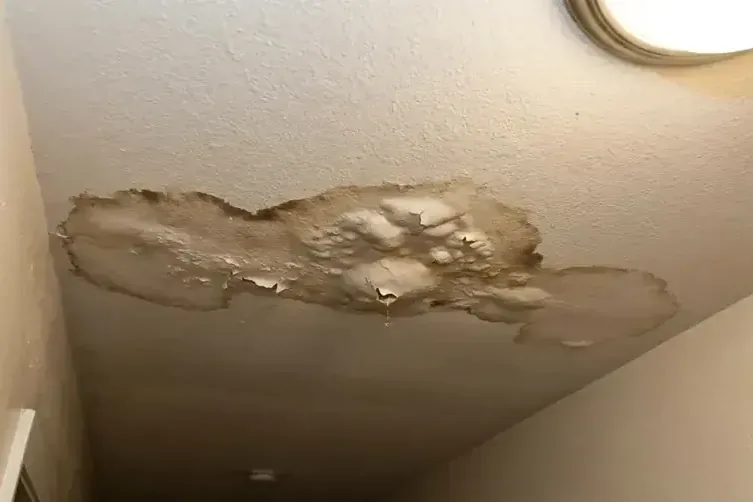 Ceiling Leak Water DamageSagging overhead finishes require a cleared room and careful inspection of the layers above the visible stain.
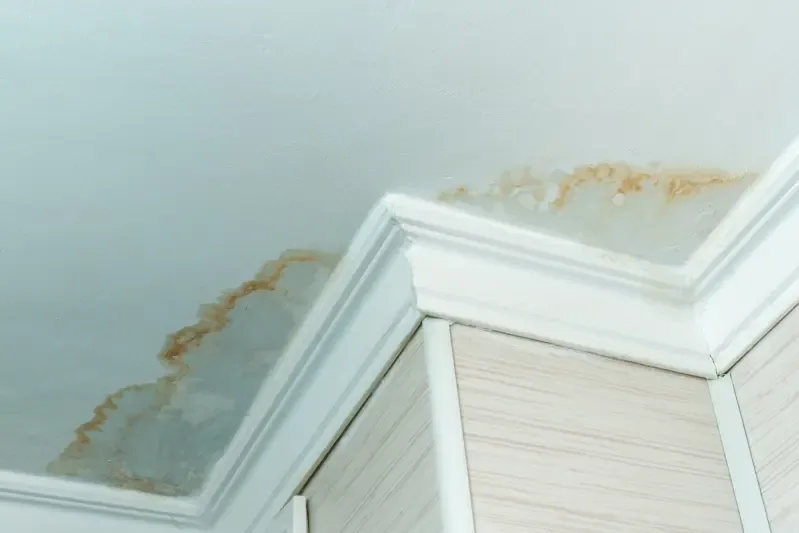 Roof Leak Water DamageRain entry can travel across attic framing. Interior drying follows the affected path after roof access and repair are addressed.
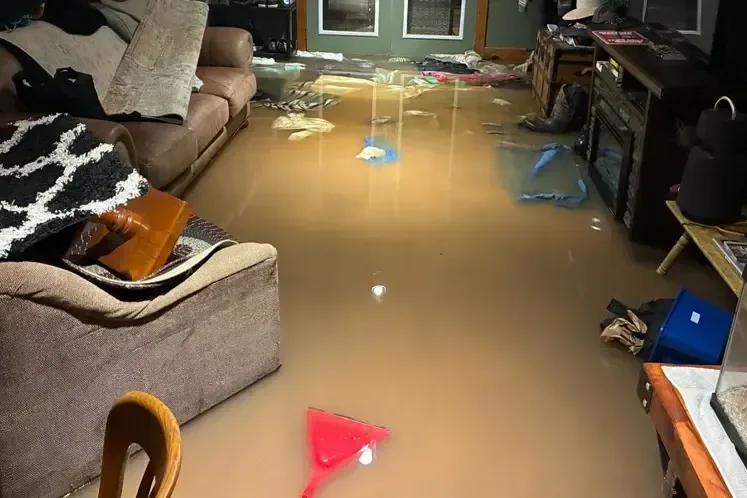 Storm Flood CleanupOutside floodwater brings a different cleanup burden. Entry routes, contaminated contents and safe building access shape the work.
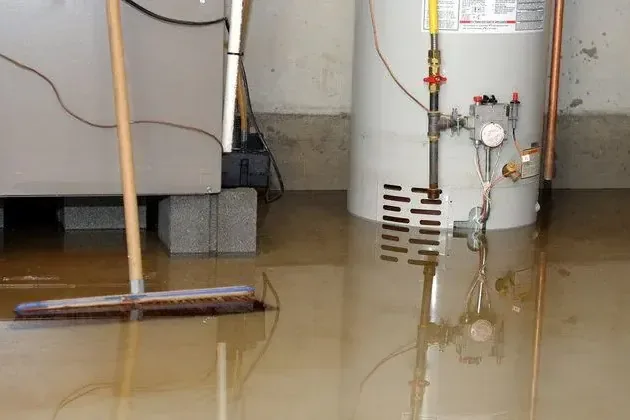 Water Heater Leak CleanupWater around a tank may spread under nearby partitions. Equipment isolation and material drying need separate attention.
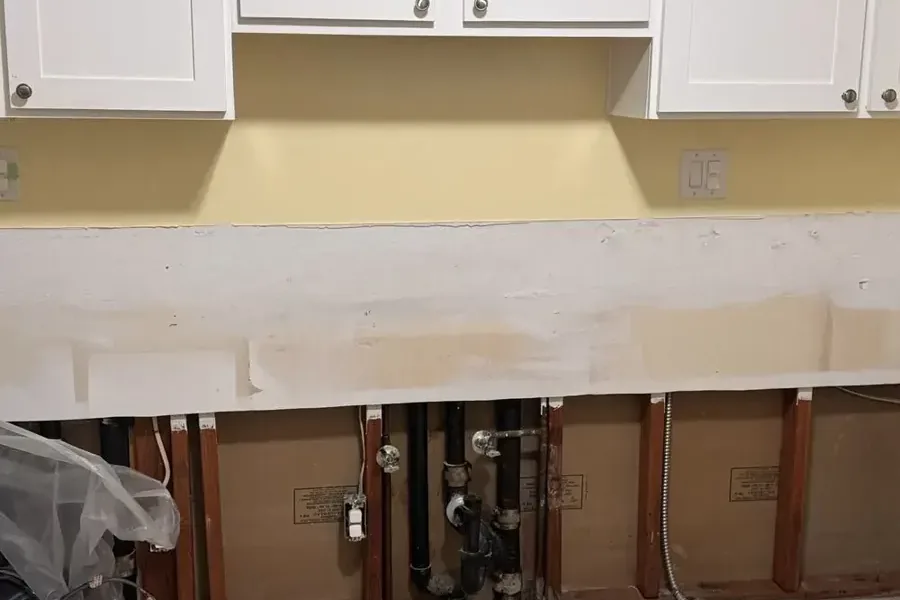 Appliance Leak Water DamageA dishwasher or washer release can disappear beneath cabinetry. Inspection checks the recess, flooring seams and adjoining occupied spaces.
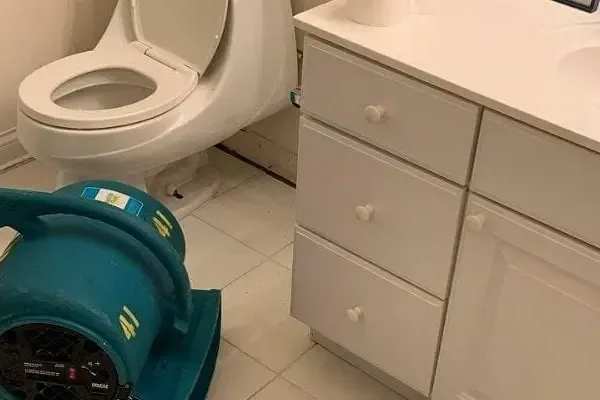 Toilet Overflow CleanupA bathroom overflow requires identifying whether water came from the supply or bowl before selecting cleaning methods and material removal.
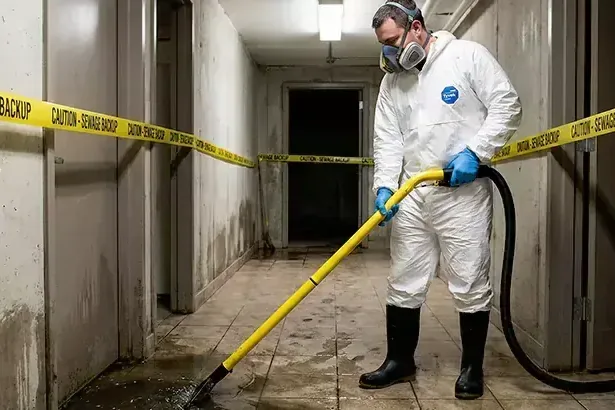 Sewage Backup CleanupWastewater rising through a drain needs restricted access, controlled removal and plumbing diagnosis before the room returns to use.
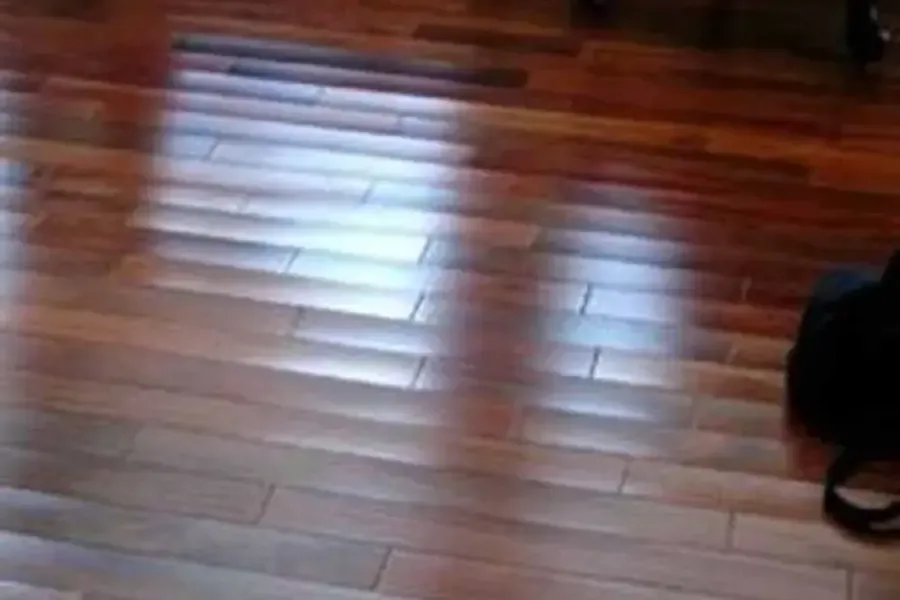 Hardwood Floor Water DamageWet boards and their supporting layers need moisture measurements. Appearance alone cannot determine whether sanding or replacement should begin.
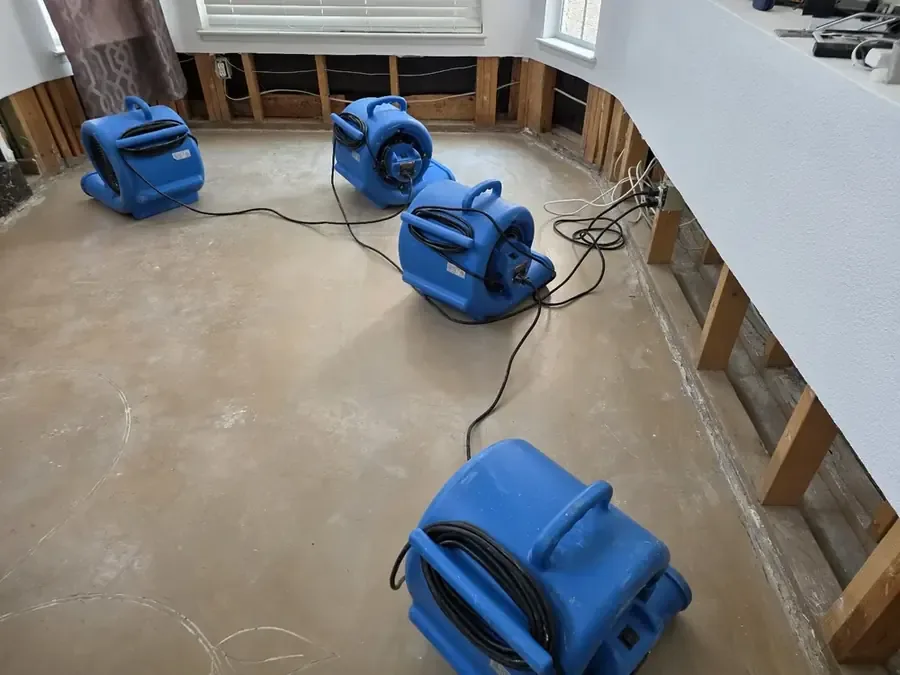 Structural DryingWalls and framing may stay damp after extraction. Measured drying tracks the hidden moisture that an empty room can conceal.
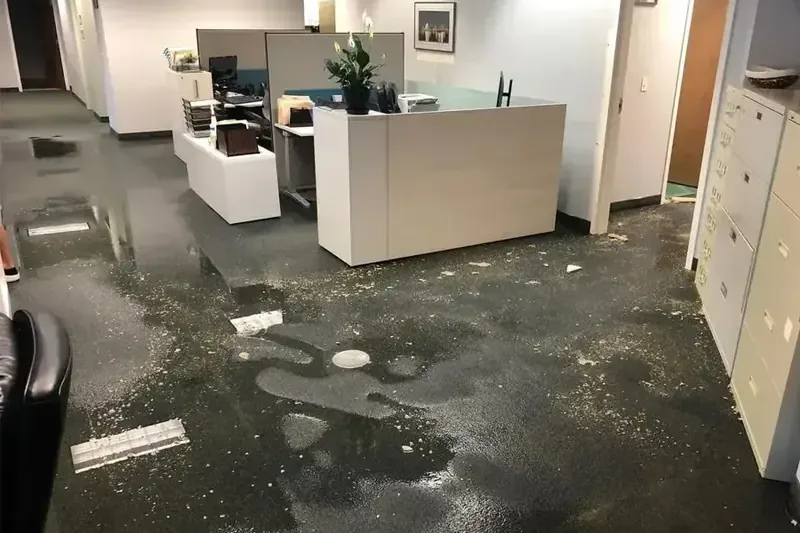 Commercial Water DamageWater in occupied business space affects access, stock and work schedules. The cleanup plan separates restricted rooms from usable areas.
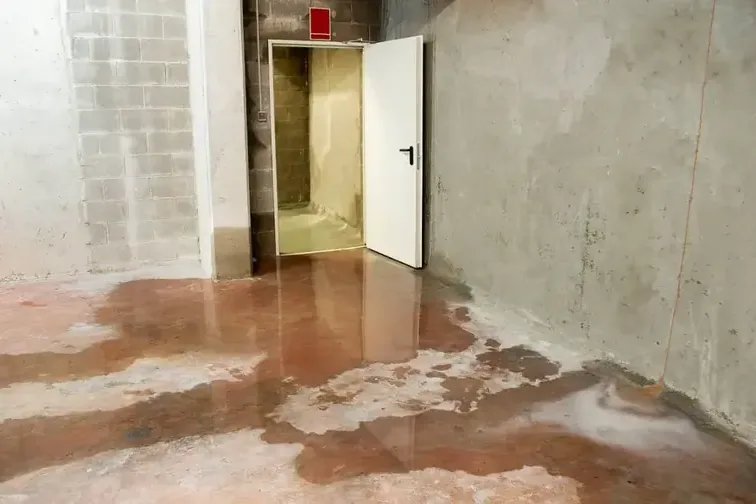 Basement Flooding CleanupLower-level flooding requires checking electrical hazards, outside water pressure and the route into finished rooms before removing water.
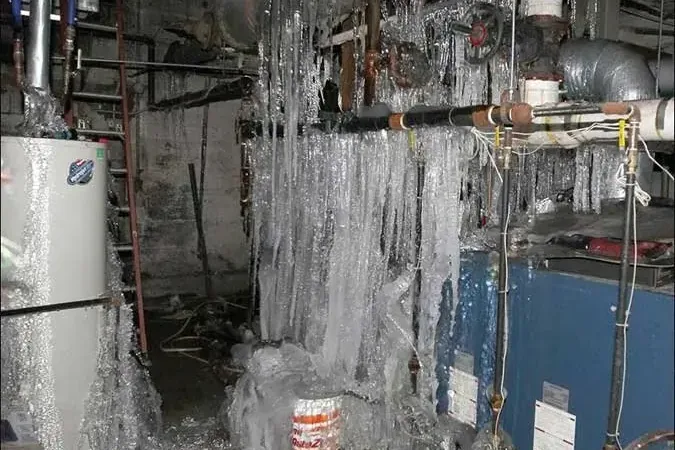 Frozen Pipe Water DamageA thawing pipe can release water into closed cavities. Shutoff access and professional plumbing help come before reopening damaged rooms.
Look beyond the visible puddle
Useful restoration decisions connect the water source to the materials affected, with a clear reason for each removal and drying step.
- 01
Locate the release
Identify whether plumbing, weather or a drain caused the wetting, then determine whether water continues entering before setting the removal sequence.
- 02
Expose affected layers
Assess floor coverings and wall cavities for trapped moisture. Selective openings should answer a specific access need while protecting materials that remain usable.
- 03
Manage evaporation
Place drying equipment around the actual assembly and available safe power. Record room conditions and adjust airflow as wet materials release moisture.
- 04
Check before rebuilding
Compare final readings with the drying target, document unresolved repairs and coordinate any permitted construction inspections before restored surfaces conceal the work.
Build the drying plan around the room
The path from water removal to reconstruction depends on contamination, access and the layers that became wet. A room can look orderly while concealed material still needs drying, so completion requires more than a visual walk-through.
- Inspect assemblies
- Track moisture movement
- Document remaining work
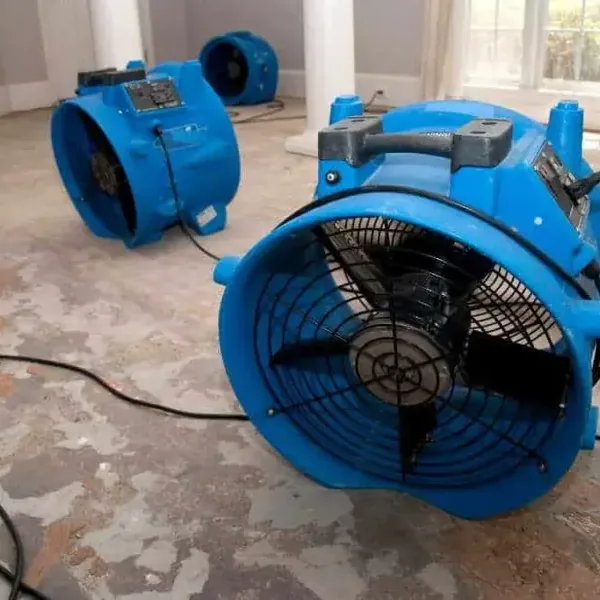
Defined wet boundary
Inspection follows moisture into adjacent spaces rather than assuming a doorway stopped the release. Dry comparison areas help establish where additional checks belong.
Separate repair responsibilities
A plumber or roofer may need to stop the source while restoration addresses wet materials. The work sequence should identify those handoffs before closing cavities.
Material decisions
Cleanable surfaces, saturated insulation and damaged flooring have different needs. The scope should explain which assemblies can be dried and which require removal.
Recorded progress
Moisture readings and photographs provide a record of changing conditions. Equipment adjustments should follow those findings instead of a fixed calendar assumption.
Water appearance cannot settle contamination questions
Supply release
Water from a broken supply pipe begins with a different exposure history than water that has crossed soil, waste or dirty storage areas.
Trace a pipe releaseAppliance discharge
A leaking appliance may release incoming water or used wash water. The operating cycle and surfaces contacted help determine the cleanup approach.
Inspect appliance wettingWastewater entry
Sewage requires separating affected areas from normal household use and evaluating absorbent materials before routine drying equipment is introduced.
Address drain contaminationWhat changes restoration cost in Lincoln Park?
Planning ranges depend on the volume removed, contamination and how far moisture traveled into building layers. A small accessible release costs differently from flooded finished rooms. Inspection should define the affected materials before a written estimate is accepted.
These amounts support early planning. Source repair, reconstruction and coverage decisions need their own scope; the condition of the actual rooms determines the proposed work.
Document the loss as it changes
Photographs and a written timeline help explain the incident. Preserve the distinction between the source repair, emergency cleanup and later replacement work when organizing claim information.
- Photograph the first visible water boundary safely
- Record when the leak was first noticed
- Keep invoices for temporary protection and repairs
- List affected contents with their room locations
- Save drying records alongside the proposed work scope
When paying directly
A self-funded cleanup still benefits from an itemized estimate. Ask which tasks address immediate damage, which depend on plumbing repairs and which can wait until the structure dries.
Separate optional finish changes from necessary water damage work. A clear written boundary makes it easier to compare scopes and authorize the next stage without losing track of remaining repairs.
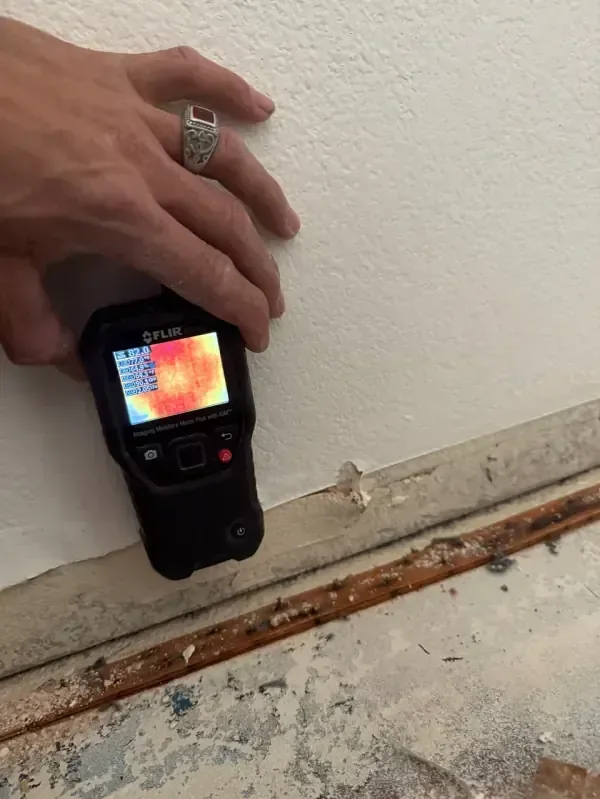
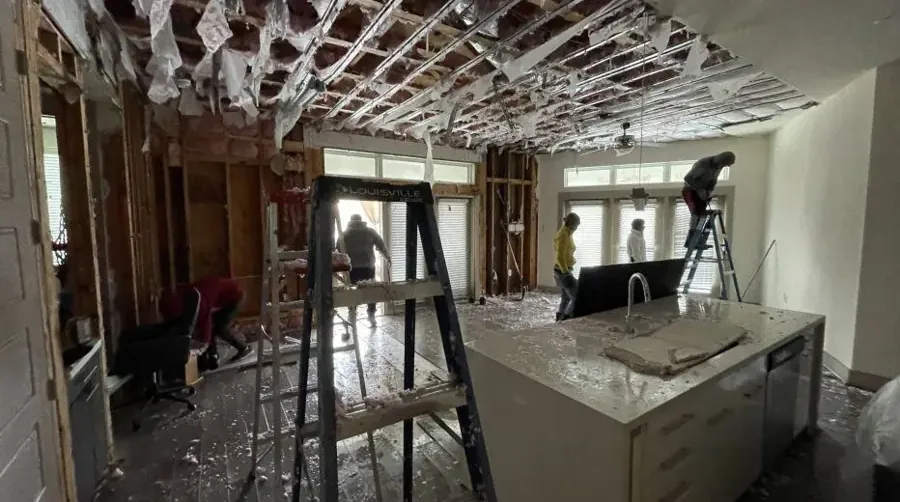
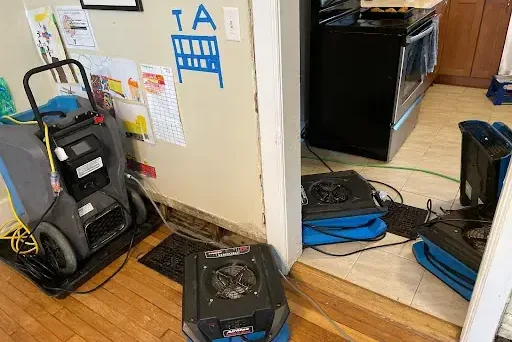
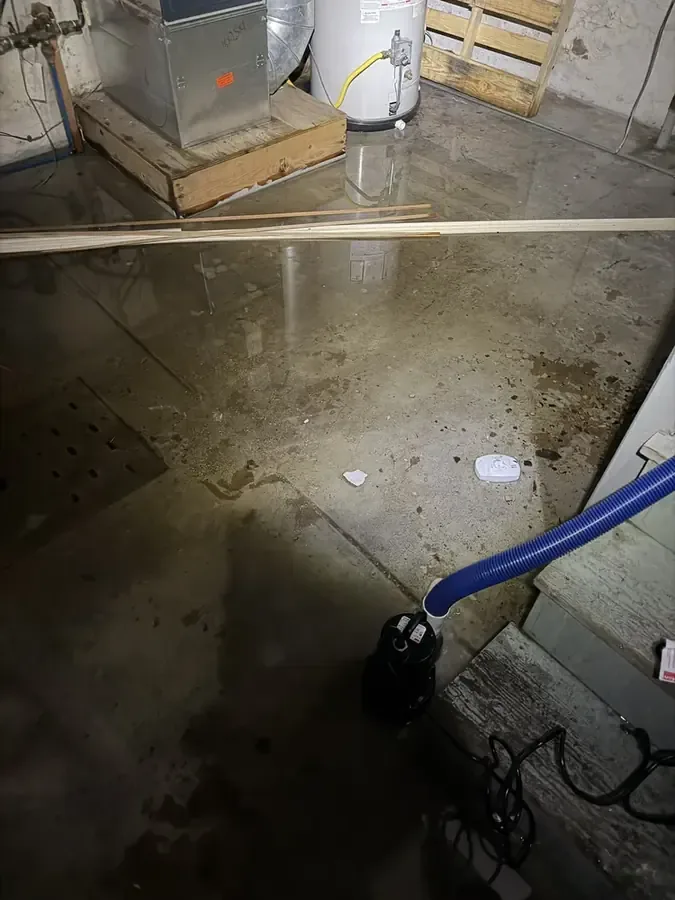
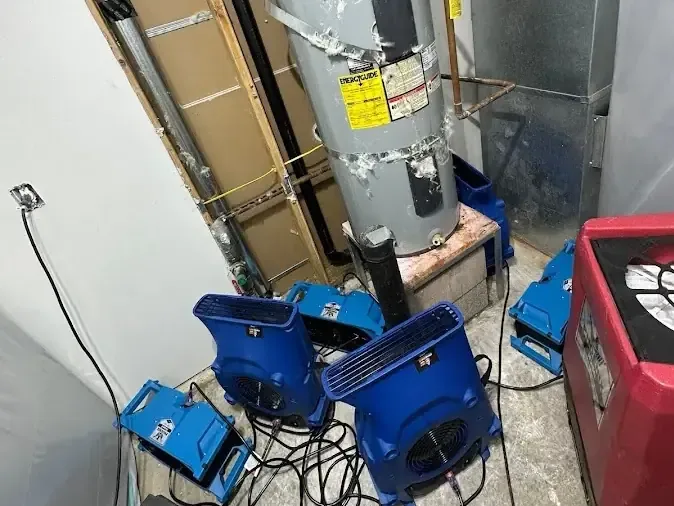
Removal and drying reach beyond finished room surfaces
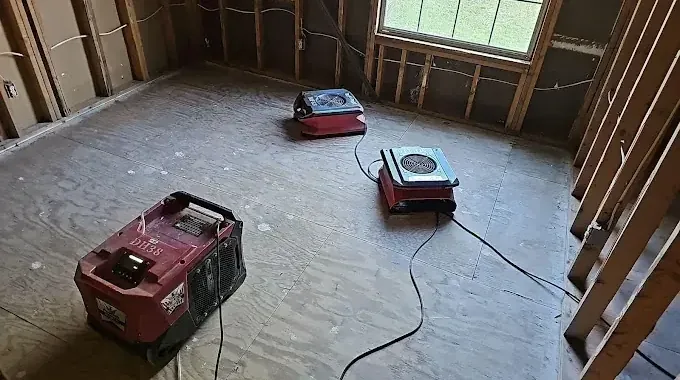
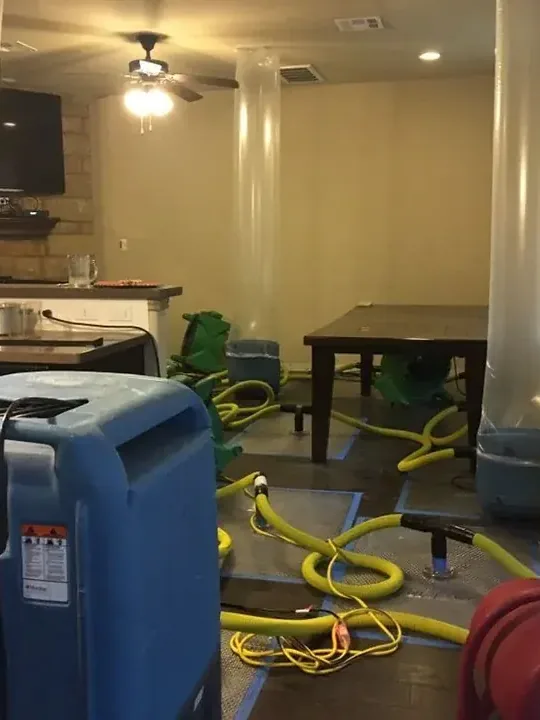
Plan access to the affected property
Road references for arrival
Boonton Turnpike, Comly Road, Beaverbrook Road, Two Bridges Road
Postal area
07035
Nearby service areas
Describe the usable entrance
Lincoln Park lies in Morris County, with the railway bisecting the borough. Identify the property entrance and any current access restriction when describing the location.
Borough flood guidance warns that roads and bridges can close. Cleanup access depends on current conditions, particularly when water or a power interruption affects the building.
(888) 471-9821Explain the property accessPlan before you call
Nearby service areas
Water damage questions in detail
Woodland Park Basement Water After Repeated Storms
Woodland Park basement flooding: record returning water, assess sump access, separate extraction from drying and check hidden materials after repeated storms.
Totowa Sewage Backups and Returning Drain Water
Totowa sewage backups need drain source checks and controlled cleanup. Record returning water, restrict affected rooms and coordinate plumbing and drying work.
North Caldwell Laundry Leaks After Water Flushing
North Caldwell laundry leaks: separate flushing notices from water on the floor, inspect washer connections and trace moisture beneath cabinets and wall edges.
Different entry paths across the borough
The Passaic River borders the south and the Pompton River shapes the east. Low-lying areas experience periodic waterway overflow, while individual properties require their own assessment.
- 1Drainage channels. Beaver Dam Brook, East Ditch and West Ditch appear in borough flood guidance. Identify the actual water entry point during assessment.
- 2Changing road access. Route 202 includes Main Street and Boonton Turnpike in evacuation guidance. Current closures matter more than a familiar route when arranging entry.
- 3Property variation. Flood risk can differ within the same neighborhood. Building openings, current water conditions and the affected rooms determine the immediate cleanup scope.
- 4Plumbing isolation. Borough frozen-pipe instructions direct owners to shut off the main supply after a burst. The valve is often near the meter.
- 5Repair coordination. Alterations and renovations require permits. Project scope and documentation support the application, with inspections during permitted work and a final inspection afterward.
August to September 2011: Hurricane Irene produced the greatest flood of record described by the borough, underscoring the need to track access and incoming water during major events.
Questions after water appears
Can cleanup begin while water is still entering?
The source and access hazards need attention first. A controlled plumbing release may allow staged extraction, while ongoing outdoor flooding can make entry unsafe. Describe the current inflow so the proposed work does not assume the event has ended.
Does a dry surface mean the wall is ready?
A painted surface can dry before insulation or framing behind it. Measurements and selective inspection help establish the condition of the whole assembly. Replacing trim or closing a cavity too early can hide moisture that still needs removal.
Is river flooding handled like a supply leak?
Outdoor water can carry soil and contaminants into the building. Its cleanup may require different protective measures and material removal than a recent supply leak. The source history and surfaces contacted should be established before choosing equipment or cleaning methods.
What information helps with a basement assessment?
Describe water depth from a safe vantage point, any electrical equipment involved and whether water is entering through a doorway, drain or wall. Also identify finished rooms and stored belongings. Avoid walking into the basement just to obtain more detail.
Who handles a broken pipe during restoration?
Plumbing diagnosis and repair need coordination with cleanup. The restoration scope addresses water removal and affected materials, while the plumbing work stops or corrects the release. Both tasks should be sequenced before a repaired wall or floor conceals the pipe.
Can occupants remain in the unaffected rooms?
That depends on safe access, contamination and the work area. Drying equipment, removed flooring and open ceilings can change how rooms are used. Ask for a clear separation between restricted spaces and any areas that remain suitable for normal occupancy.
How should damaged belongings be documented?
Photograph items in place when safe, then record their room and visible condition. Keep purchase records or identifying details when available. Coordinate disposal with the relevant claim contact so removal of contaminated or damaged contents does not erase the loss record.
Are all nearby properties exposed to identical flood risk?
No. Borough guidance states that flood risk can vary between properties within a neighborhood. The Passaic River setting alone cannot describe an individual building. Assessment should focus on that property's entry paths, current water conditions and the materials actually affected.
When can reconstruction follow the drying work?
Rebuilding should follow the documented drying assessment and completion of necessary source repairs. For permitted construction, inspection requirements also shape the sequence. Keep records of the exposed assembly and confirm remaining tasks before replacement finishes cover the repaired area.
Make the next cleanup decision with a clear scope
Describe the source, wet rooms and access conditions in Lincoln Park so assessment can focus on the damage that needs attention first.
(888) 471-9821Talk about the next cleanup stepCaldwell Water Damage Restoration
Caldwell, NJ and nearby Essex County
(888) 471-9821 · open 24/7
Water and sewage losses only
Find us on Google