Commercial Water Damage in Lincoln Park
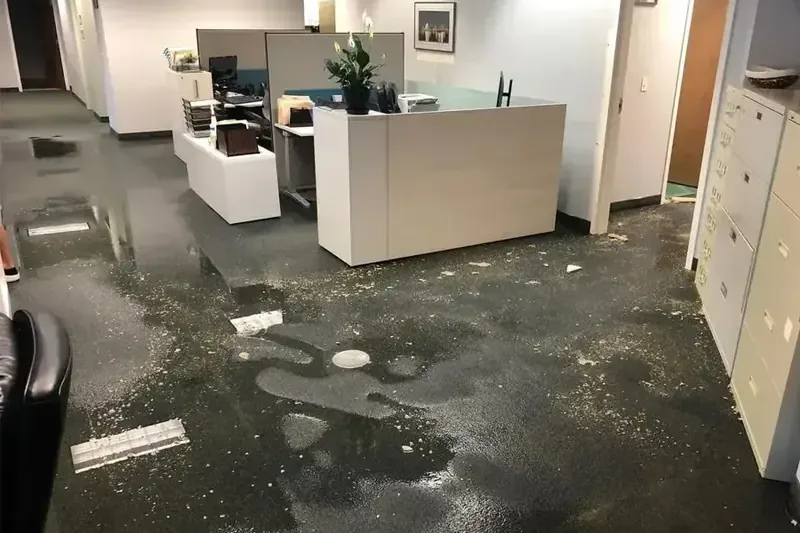
A wet business room affects more than its flooring. Commercial water damage cleanup in Lincoln Park coordinates staff access, affected contents and the building's repair responsibilities while establishing which areas need restriction and drying.
(888) 471-9821Explain the business space affected- Occupancy planning
- Contents separation
- Repair coordination
First steps for commercial water damage
- Name the responsible building contact. Identify who can authorize entry, communicate with occupants and coordinate other trades. A clear contact prevents equipment placement or room restrictions from conflicting with building access arrangements.
- Restrict the affected work area. Keep staff and visitors away from standing water, wet electrical devices and unstable finishes. Do not route ordinary foot traffic through the damage simply because a doorway remains open.
- Document business contents safely. Photograph reachable furnishings, stored items and equipment before movement. Ask the responsible owner to identify sensitive contents and handling restrictions without operating wet devices to test their condition.
- Describe operational access needs. Explain which rooms remain occupied and which entrances or shared corridors must stay available. The proposed cleanup sequence can then account for safe circulation and planned material removal.
How commercial water damage is handled
Map damage alongside normal building use
The assessment identifies wet rooms, shared routes and the decision contact for access. Source repair status and contamination determine initial restrictions. The manager's description of business use helps establish where equipment, contents handling and material removal can occur without creating an unplanned conflict with occupied areas.
Create a practical removal sequence
Water recovery and selective material removal are arranged around safe entry and handling routes. Affected business contents are documented separately from building finishes. Specialized equipment remains subject to its owner's service arrangements, while restoration focuses on the water exposure and materials within the agreed work scope.
Dry retained assemblies with access controls
Equipment placement addresses the wet structure while maintaining clear restrictions around hoses, cables and open finishes. Readings track material response, and access changes are communicated to the responsible contact. The arrangement can evolve as rooms move through cleanup, drying and readiness for later repair.
What does commercial water damage cost in Lincoln Park, NJ?
Commercial water damage costs in Lincoln Park depend on affected zones, contents handling and access constraints within the building. These ranges illustrate scale. The written scope should distinguish cleanup and drying from specialized equipment service, business contents decisions and later construction work.
For a closer planning number, run the water damage cost calculator. The restoration contractor who responds sets the real scope after the walkthrough and the moisture map.
Commercial Water Damage restoration sequence
- 01
Map damage alongside normal building use
The assessment identifies wet rooms, shared routes and the decision contact for access. Source repair status and contamination determine initial restrictions. The manager's description of business use helps establish where equipment, contents handling and material removal can occur without creating an unplanned conflict with occupied areas.
- 02
Create a practical removal sequence
Water recovery and selective material removal are arranged around safe entry and handling routes. Affected business contents are documented separately from building finishes. Specialized equipment remains subject to its owner's service arrangements, while restoration focuses on the water exposure and materials within the agreed work scope.
- 03
Dry retained assemblies with access controls
Equipment placement addresses the wet structure while maintaining clear restrictions around hoses, cables and open finishes. Readings track material response, and access changes are communicated to the responsible contact. The arrangement can evolve as rooms move through cleanup, drying and readiness for later repair.
- 04
Provide a zone-by-zone completion handoff
The record identifies completed treatment, material condition and remaining construction or source work for each affected area. Managers can then plan use around actual readiness rather than the departure of a particular machine. Any required permit inspections are coordinated with the reconstruction sequence before finish closure.
Cleanup in a workplace begins with knowing who can authorize access and where people still need to move. A wet reception area, storage room or office can interrupt circulation even when adjoining spaces remain dry. The restoration boundary and the operating boundary should be discussed together.
Establish the building's practical work zones
The borough sewer schedule includes a one-family/office category among its property types. Actual business layouts still need individual assessment. Identify shared entrances, rooms used by other occupants and any contents that require special handling by their owner before equipment or removed materials move through the space.
Main Street, Boonton Turnpike and County Route 504 help describe access within the borough. Flood warnings include closed roads and bridges, so deliveries and monitoring visits must use current conditions. A familiar route or scheduled workday does not resolve a temporary access restriction.
Protect the record of affected business property
Photograph wet furnishings, stored goods and equipment from safe locations. The responsible business contact should identify priority records or sensitive items and arrange the appropriate professional to assess specialized equipment. Contents decisions need their own documentation alongside the building material scope.
- Designate a contact for keys and access changes.
- Keep employees outside wet electrical or contaminated areas.
- Separate dry storage from removed wet building materials.
- Identify plumbing repair and building ownership responsibilities early.
Let occupancy follow the condition of each zone
Some work areas may require restriction while others remain accessible through a protected route. That decision depends on contamination, equipment and building safety, not a promise that every business can remain fully open during cleanup.
Measured structural drying can continue after liquid removal. Where reconstruction involves alterations, coordinate borough permit requirements and inspection stages before reopening finishes. The handoff should explain completed zones and remaining work so managers can plan around actual conditions.
Safety planning starts with Ready.gov flood precautions; household water-use checks appear at EPA WaterSense.
Related water damage services in Lincoln Park
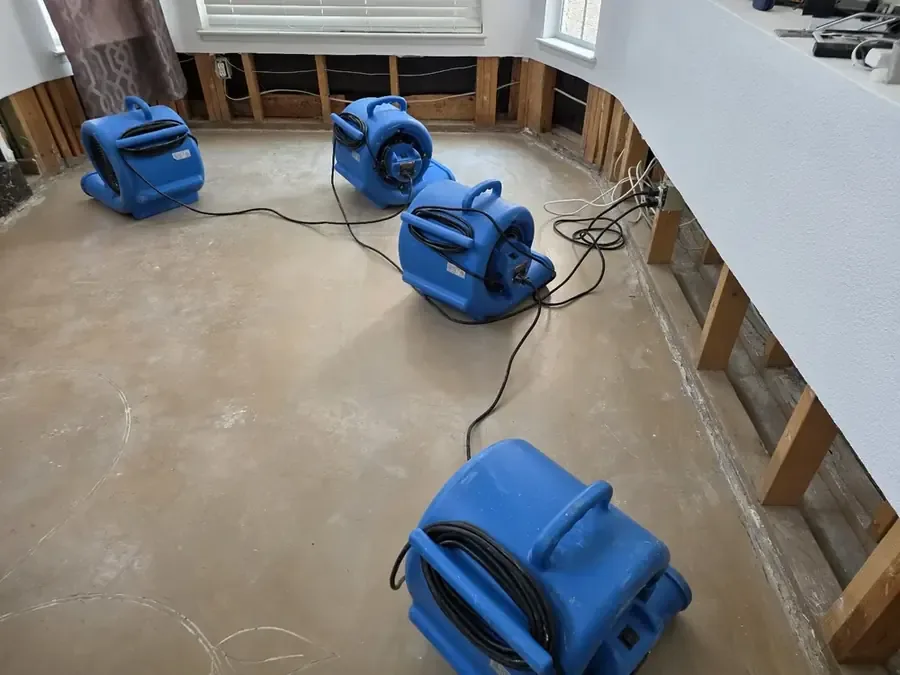 Structural Drying in Lincoln ParkStructural drying removes retained moisture from salvageable building materials after source control and extraction. Air movement, dehumidification and temperature management work together, with repeated measurements showing whether the affected assembly is responding.
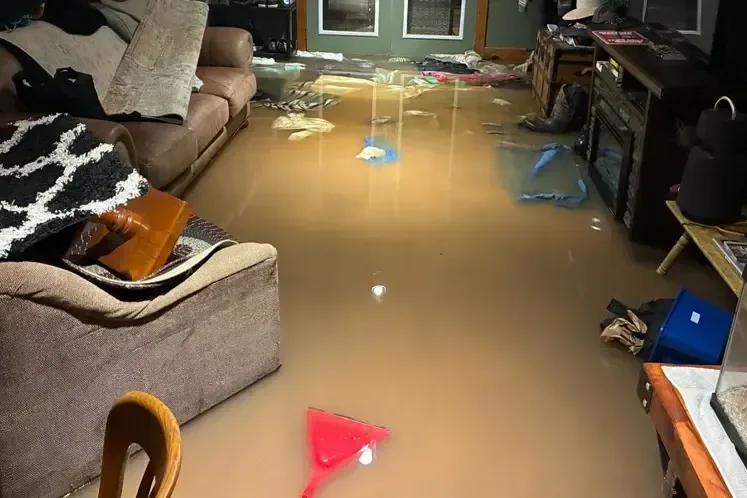 Storm Flood Cleanup in Lincoln ParkStorm flood cleanup addresses water that enters from outside at doors, lower openings or other access points. The crew treats the affected space as contaminated and plans removal, cleaning and drying around safe entry.
Commercial Water Damage in CaldwellCommercial restoration combines extraction and material drying with access coordination. The contractor identifies wet zones, protects unaffected routes and records work by area so the building contact can understand what remains available and what needs restriction.
Commercial water damage in Lincoln Park, NJ
Lincoln Park business assessments consider occupied rooms, shared building access and affected contents, with source repair coordination and current travel conditions included in the proposed cleanup sequence.
The same service nearby: commercial water damage in Caldwell, Totowa, North Caldwell.
Water damage restoration in Lincoln Park · every town coveredCommercial Water Damage questions
Can the business remain open during cleanup?
That depends on safe access, contamination and the work area. Some dry zones may remain usable while others require restriction. The plan should identify those boundaries clearly instead of assuming normal traffic can continue through equipment, wet surfaces or open building assemblies.
Who should coordinate access in a shared building?
A responsible manager or authorized contact should coordinate keys, occupancy and other trades. Shared hallways and neighboring rooms may be affected even when the source is within one unit. Clear communication helps keep inspection and removal routes aligned with the building's actual use.
Are damaged computers included in building drying?
Specialized equipment needs its own evaluation by the appropriate owner or service professional. Restoration can document water exposure and coordinate safe handling, while the equipment professional determines whether an electronic device is suitable to operate. Keep those responsibilities explicit.
What records help describe a commercial loss?
Keep photographs of affected rooms and contents, a timeline of the incident and source repair records. Add the drying measurements and a written list of restricted areas. Those documents connect the physical damage with the work performed and the decisions still pending.
Can equipment be moved to clear a business aisle?
Discuss circulation needs before moving drying equipment. Its position may support a particular material or controlled work zone. The arrangement can be adjusted deliberately, but unplanned relocation can interrupt drying or create a new access problem around cables and wet assemblies.
Does one dry room mean the whole building is ready?
Each affected zone needs its own assessment. Water can reach connected cavities or rooms with different materials and drying access. A useful handoff identifies readiness by area, with remaining restrictions and reconstruction tasks listed rather than treating the building as one uniform space.
How do flood-related road closures affect work?
Current access restrictions can change equipment delivery, contents movement and monitoring arrangements. Borough flood warnings include roads and bridges, so the manager should report any closure affecting the property. Scheduling must reflect safe available access rather than relying only on the usual route.
Plan each room's return to service
Use documented material conditions and completed work zones to coordinate repairs and occupancy, with unresolved equipment or construction tasks kept visible in the handoff.
(888) 471-9821Coordinate occupied-space recoveryCaldwell Water Damage Restoration
Caldwell, NJ and nearby Essex County
(888) 471-9821 · open 24/7
Water and sewage losses only
Find us on Google