Woodland Park Water Damage Restoration
Water inside a home needs a clear starting point. Restoration in Woodland Park begins with the source, safe room access and a plan for removing moisture from affected building materials.
(888) 471-9821Talk through the water problem- Source assessment
- Measured material drying
- Clear cleanup scope
A dry looking floor can conceal wet layers. Moisture measurements help determine the work still needed.
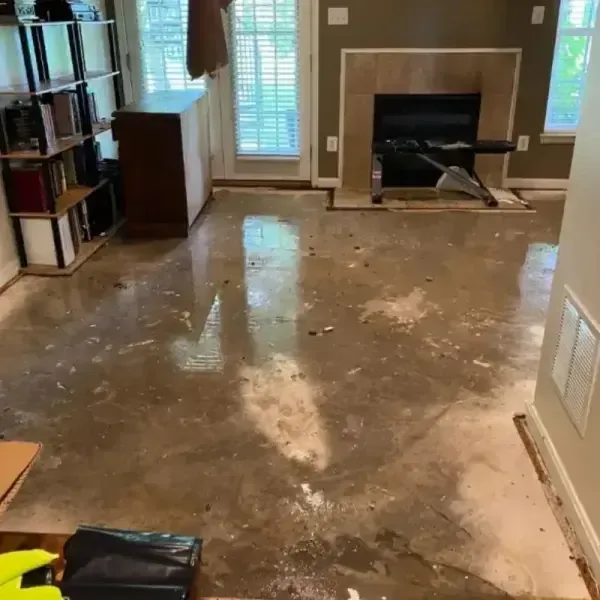
Keep people clear and preserve useful details
- Avoid unsafe roomsWet electrical equipment, sagging ceilings and contaminated water are reasons to stay out until qualified help assesses access.
- Stop a reachable sourceA safely accessible water valve may limit a supply leak. Nobody should cross standing water to reach shutoffs.
- Record the visible changePhotographs from a dry doorway can capture water height, damaged belongings and the apparent starting point before removal begins.
- Separate clean belongingsUnwet possessions can be moved away from the affected boundary when the route and handling conditions are safe.
- Describe the situationThe initial conversation should cover active flow, affected floors, access restrictions and whether sewage or outside water is involved.
Cleanup for the part of the building affected
A ceiling drip, sewage backup and soaked wood floor need different decisions. Select the damage below for practical steps, drying considerations and estimated restoration costs.
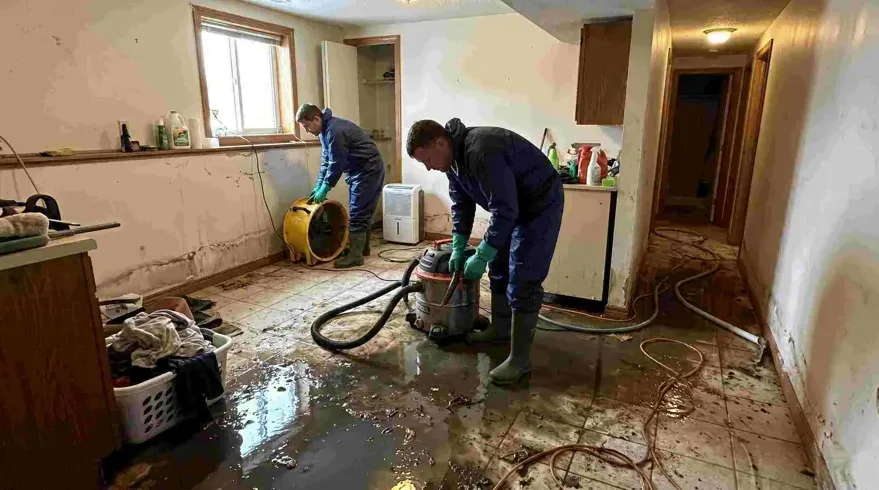 Water ExtractionStanding water removal begins with a safe route, the water source and the floor materials that remain wet beneath it.
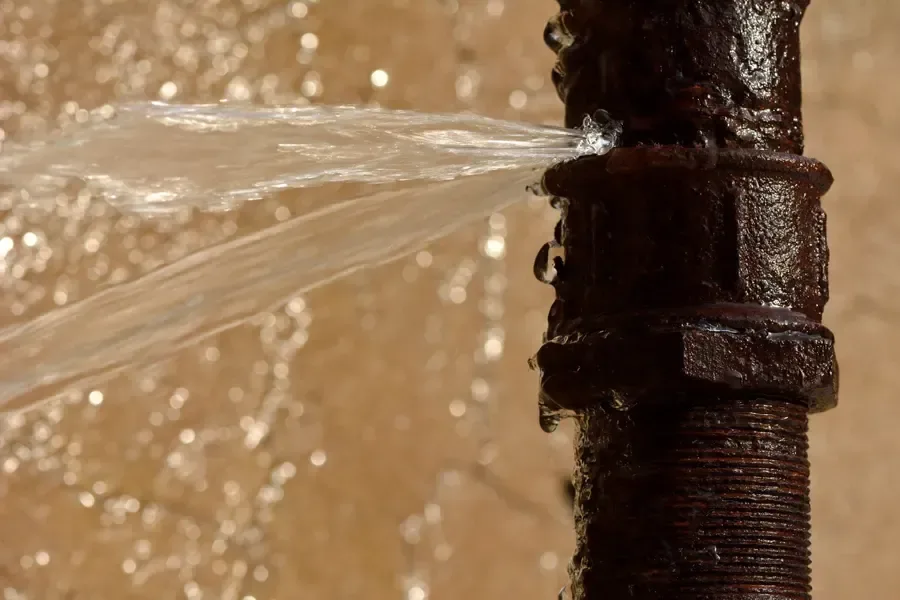 Burst Pipe Water DamageEscaping supply water can travel through several rooms. Cleanup follows the wet path after the damaged pipe has been isolated.
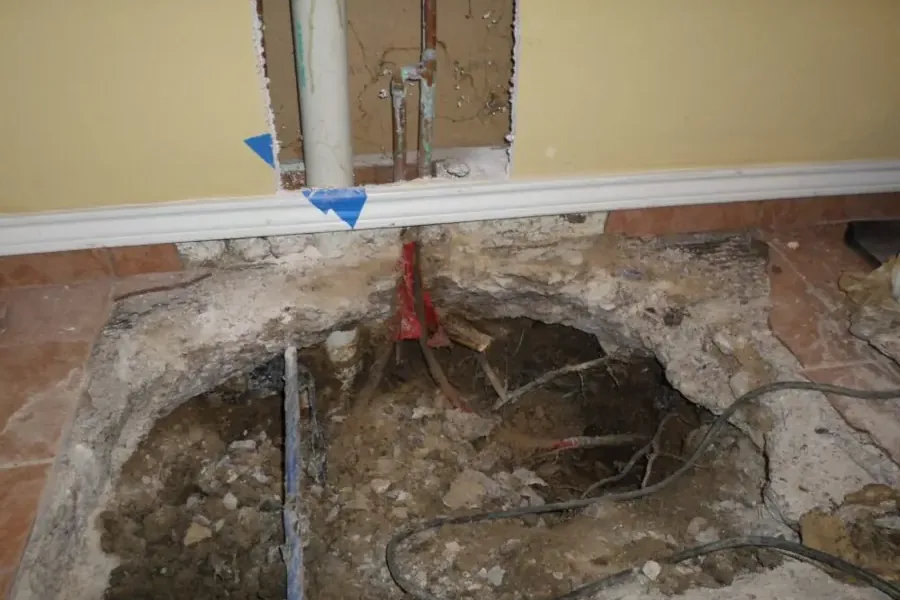 Slab Leak Water DamageConcealed plumbing beneath concrete needs a repair plan coordinated with moisture assessment of floor coverings and adjoining wall bases.
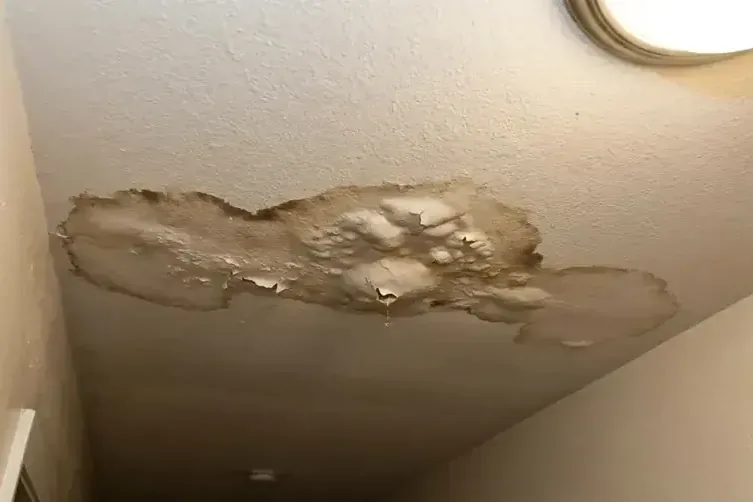 Ceiling Leak Water DamageA stained overhead surface needs source tracing and a stability check before opening wet cavities or replacing damaged finishes.
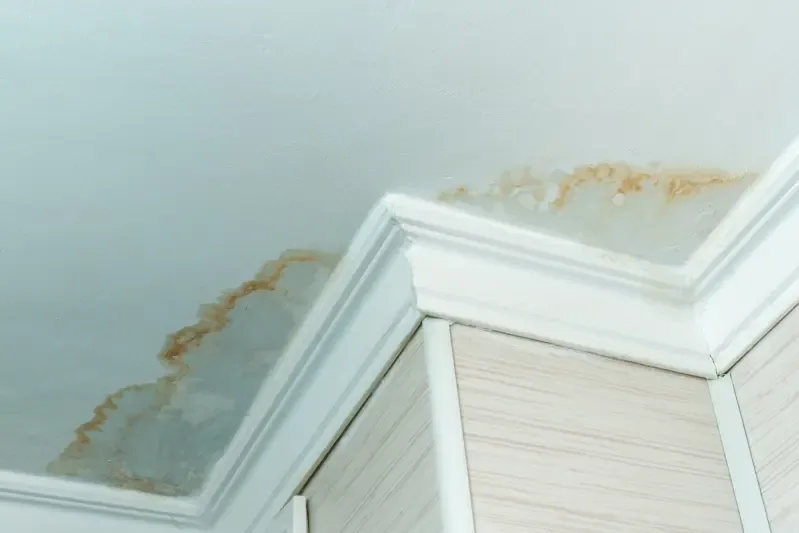 Roof Leak Water DamageRain entry can soak insulation above a room. Interior restoration checks the route from the roof opening to the ceiling.
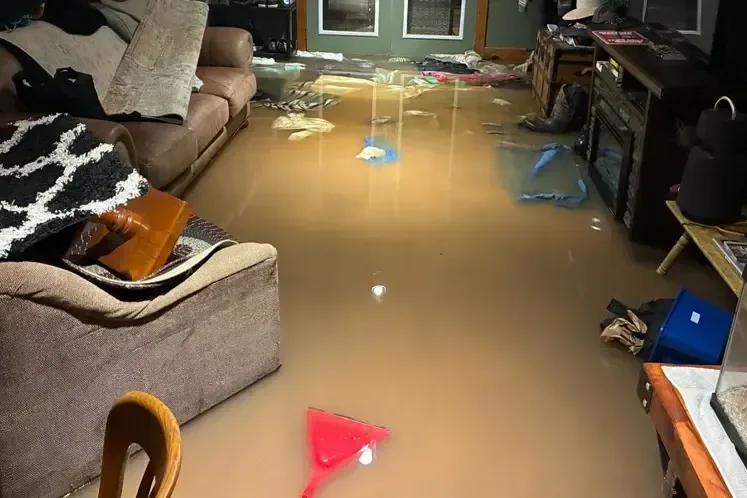 Storm Flood CleanupOutside water brings cleanup concerns beyond a puddle. Entry routes, sediment and affected porous materials shape the restoration scope.
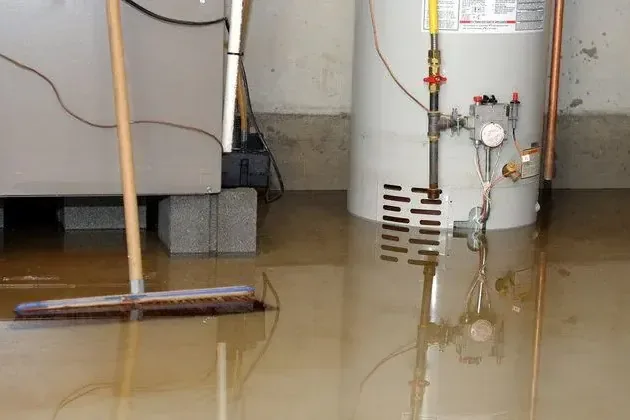 Water Heater Leak CleanupWater around a tank can reach storage and nearby flooring. Equipment isolation comes before work in the wet utility area.
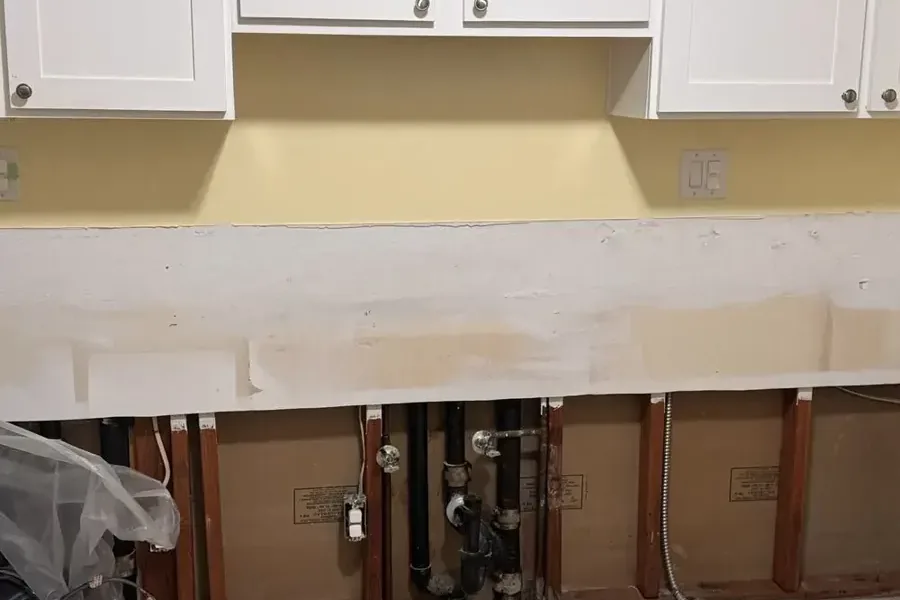 Appliance Leak Water DamageA leaking washer or dishwasher may wet surfaces behind cabinets. The assessment reaches beyond the visible appliance footprint.
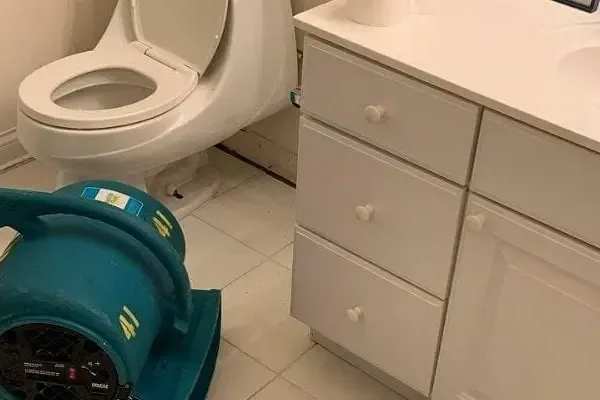 Toilet Overflow CleanupAn overflow requires attention to the water source and contamination before deciding which bathroom surfaces can be cleaned and dried.
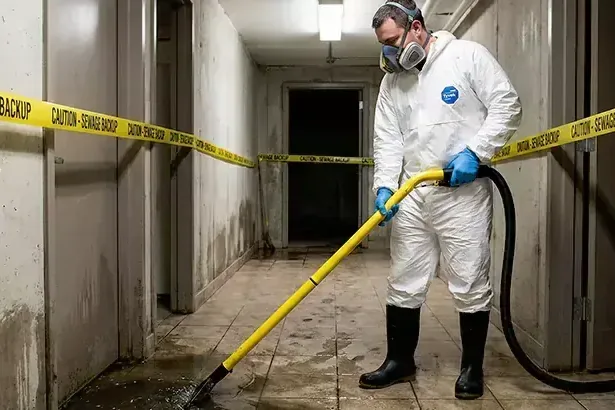 Sewage Backup CleanupWastewater in occupied rooms requires restricted access, controlled removal and cleaning before drying the building materials that can remain.
 Hardwood Floor Water DamageRaised board edges call for measurements below the finish. Drying decisions consider the wood, underlayment and supporting floor assembly.
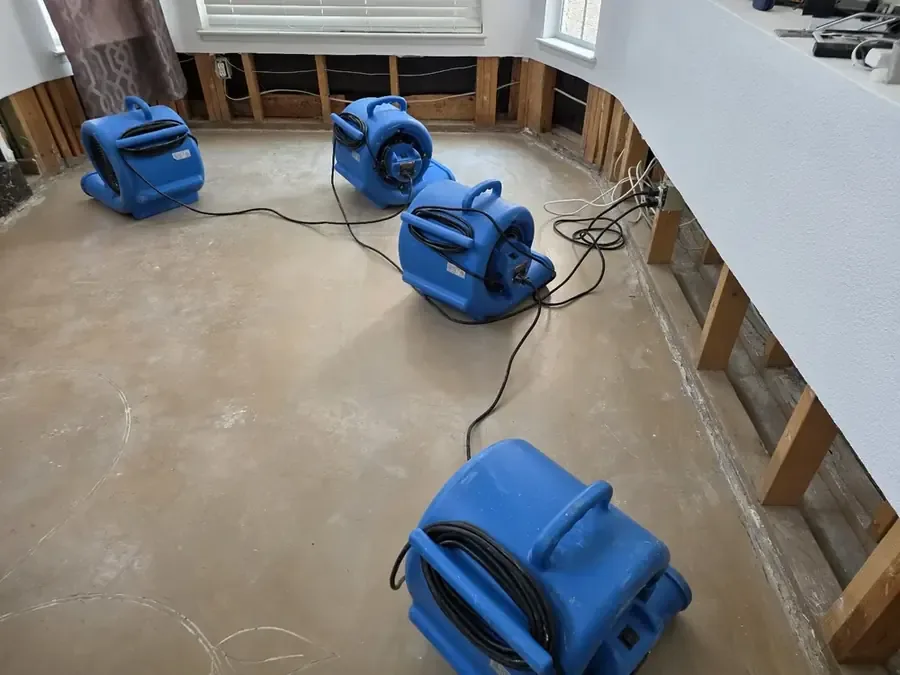 Structural DryingAfter puddles disappear, trapped moisture still needs attention. Airflow and humidity control are adjusted using repeated material readings.
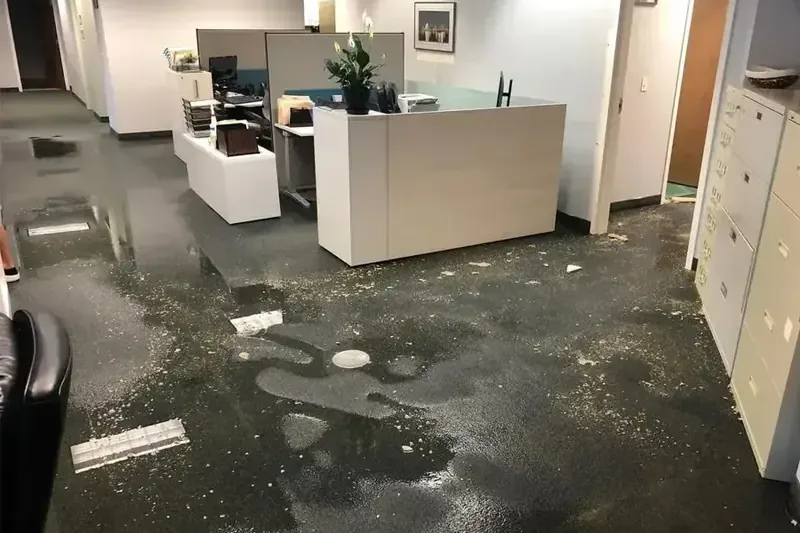 Commercial Water DamageBusiness cleanup must account for occupied spaces, inventory and safe access while documenting affected rooms and restoration priorities.
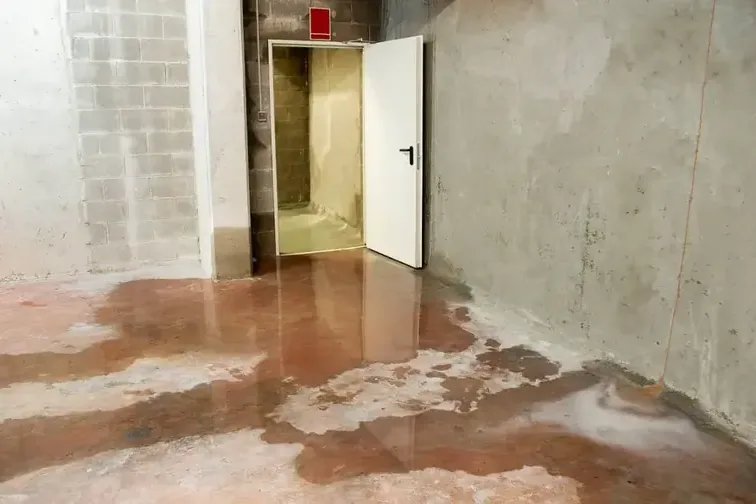 Basement Flooding CleanupLower level flooding calls for an entry assessment, controlled water removal and checks around stairs, storage and wall finishes.
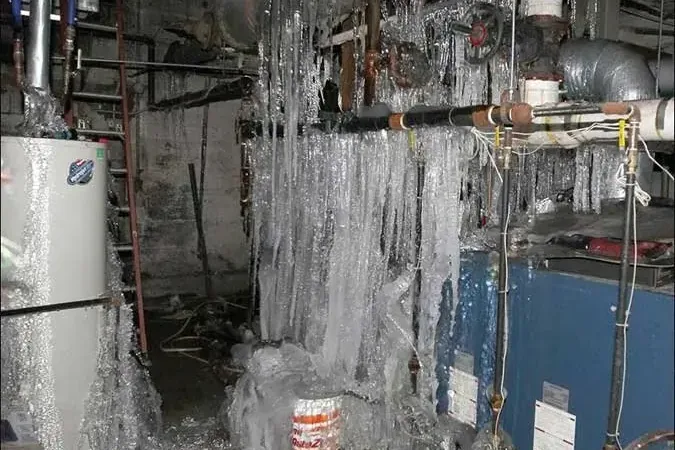 Frozen Pipe Water DamageA thaw can uncover a split hidden in a wall. Damage assessment follows the released water through adjoining materials.
A defined scope for the wet rooms
Useful restoration records connect the visible damage with moisture readings, material decisions and the remaining work before repairs can begin.
- 01
Identify the release
The assessment distinguishes a supply leak from wastewater or outside entry, then records where the water reached and what remains active.
- 02
Remove accessible water
Extraction tools are selected for the surface and depth. Contents and access constraints affect the route used to remove standing water safely.
- 03
Expose trapped moisture
Wet assemblies are assessed for drying access. Unsalvageable layers are removed carefully so retained framing and other materials can be treated effectively.
- 04
Check the drying result
Repeated measurements are compared with appropriate dry references. Equipment changes respond to progress, and remaining repairs are listed separately from completed mitigation work.
Restoration follows the building, room by room
The work sequence depends on the water source and affected materials. Extraction, cleaning, selective removal and drying each address a different part of the loss, with measurements supporting the transition to repairs at the end.
- Map moisture
- Control spread
- Document completion
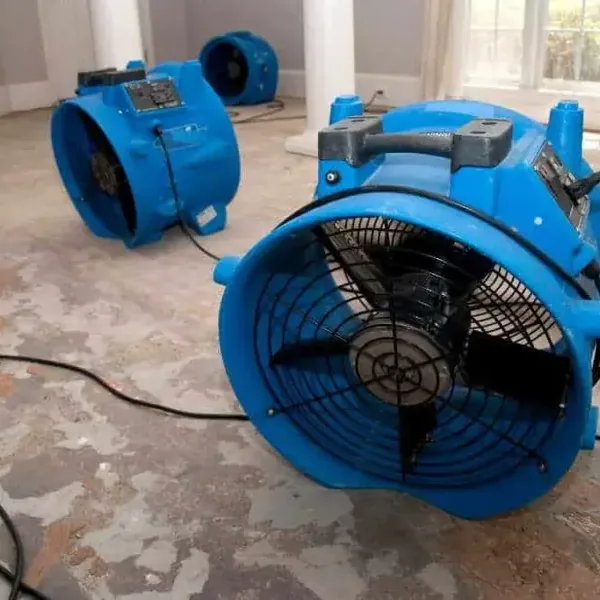
Trace the boundary
Inspection extends to adjoining surfaces when water can pass underneath a partition or floor covering, keeping concealed wetting within the written cleanup scope.
Explain material choices
A swollen cabinet panel and a sound framing member may need different treatment. Removal decisions should identify the damage and the reason for replacement.
Keep records together
Room photographs, equipment notes and moisture measurements give the property owner a useful account of conditions from the first inspection through drying completion.
Set repair readiness
Reconstruction should follow a documented drying assessment. Covering a damp assembly can hide moisture that still needs an accessible route out of the material.
Different water requires different handling
Supply release
Water from a damaged supply pipe requires source control and prompt material assessment; contact with dirty surfaces can change the cleanup requirements.
Follow the escaped supplyUsed appliance water
Dishwasher or laundry discharge can carry residues into floor joints and cabinet bases, affecting what can be cleaned and what needs removal.
Check beneath the applianceSewage intrusion
Wastewater demands a restricted work area and controlled disposal before the remaining structure is cleaned, assessed and prepared for measured drying.
Understand wastewater handlingWhat can restoration in Woodland Park cost?
Restoration estimates reflect the affected area, water condition, hidden layers and equipment needs. The ranges below are planning figures for different scopes; an inspection establishes the work required and separates mitigation from plumbing repairs or rebuilding.
The written estimate should state what is included, how drying is monitored and which repairs require separate approval. Costs depend on conditions found inside the property.
Documentation before the finishes change
Insurers may request a timeline and photographs of affected materials. A clear restoration record helps describe the loss while coverage decisions remain with the policy provider.
- Photograph affected surfaces from a safe location
- Record when the water was first noticed
- Save relevant plumbing repair invoices and receipts
- Keep the room inventory with damage photographs
- Request moisture records and the written work scope
Paying directly for the work
Owners arranging restoration without a claim can request a scope that identifies urgent mitigation first, followed by drying checks and any separate repair items needing later authorization.
The estimate should distinguish retained materials from removal work. Questions about equipment duration, contents handling and payment terms belong in the discussion before the proposed work starts.
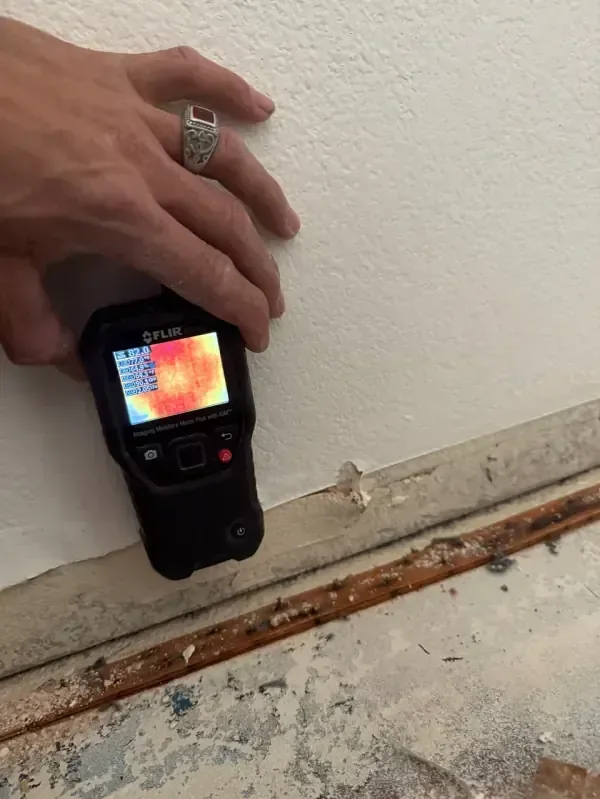
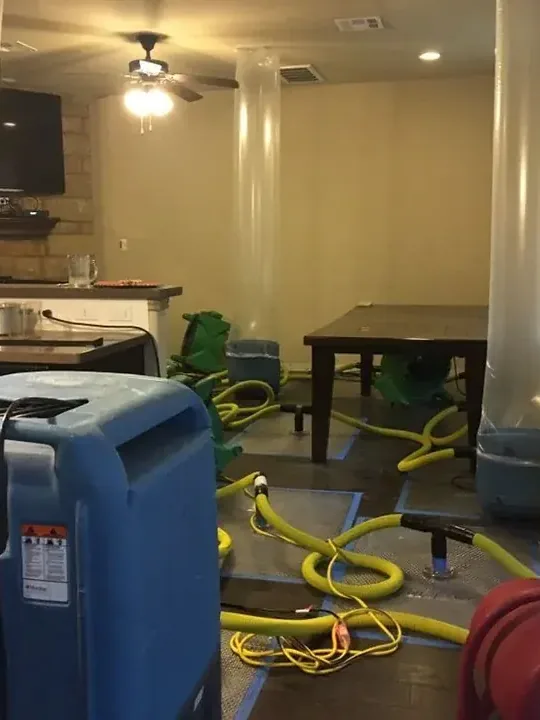
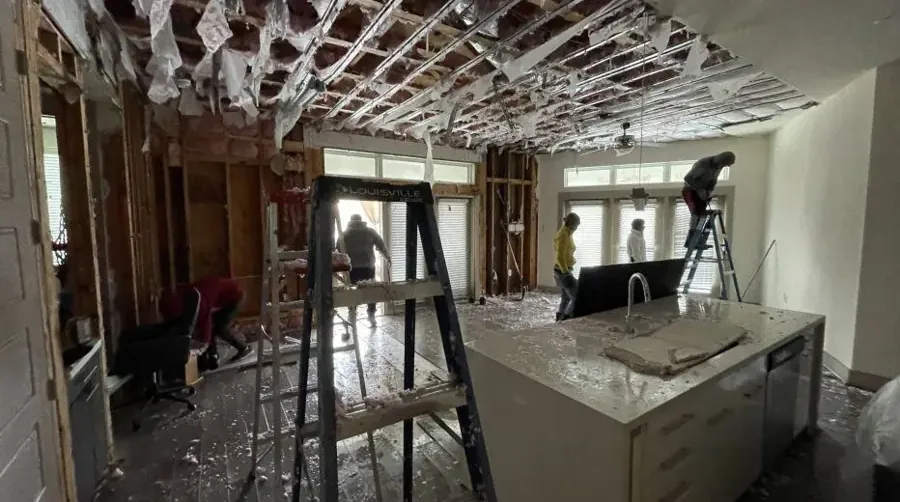
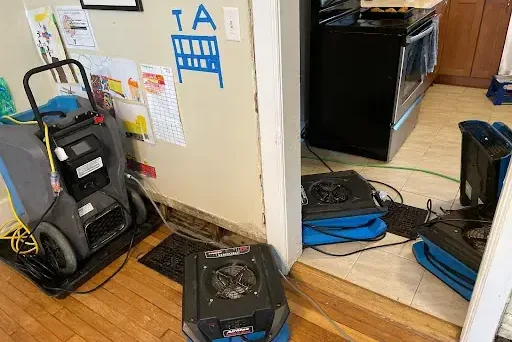
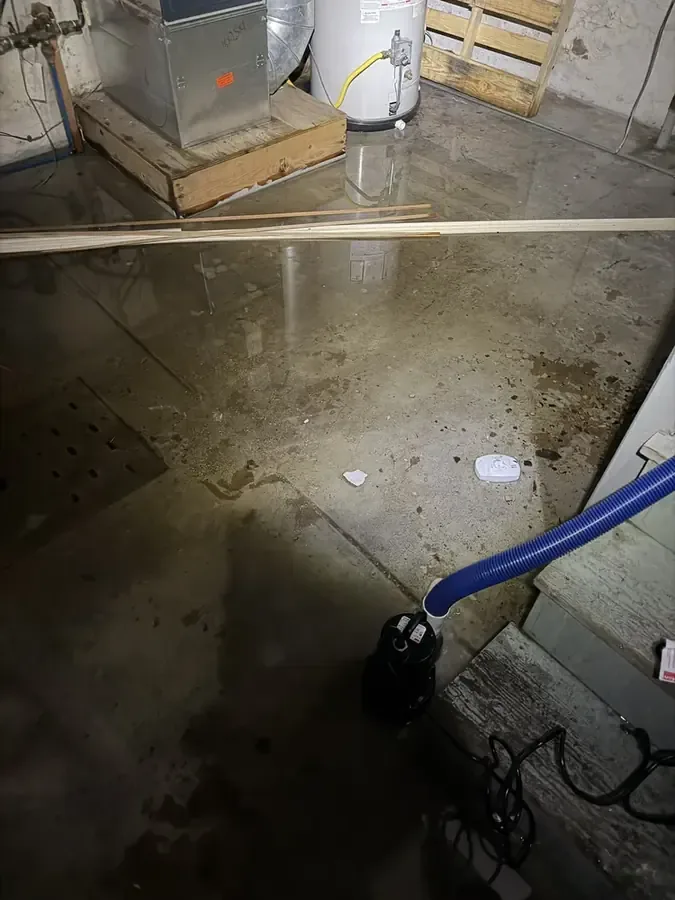
Water removal and access to wet building materials
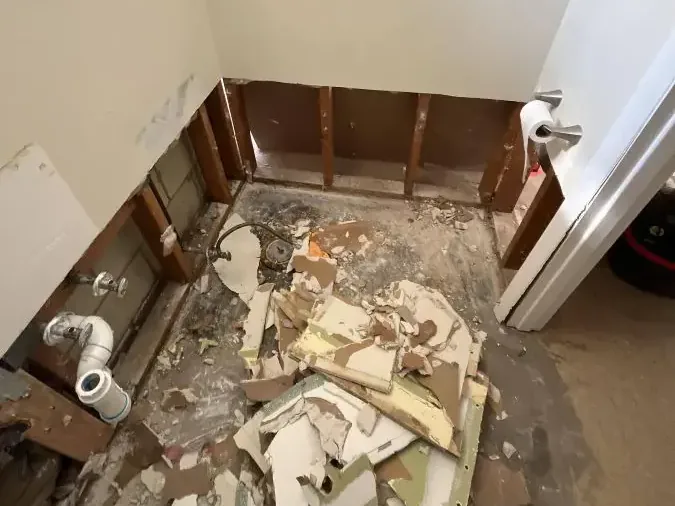
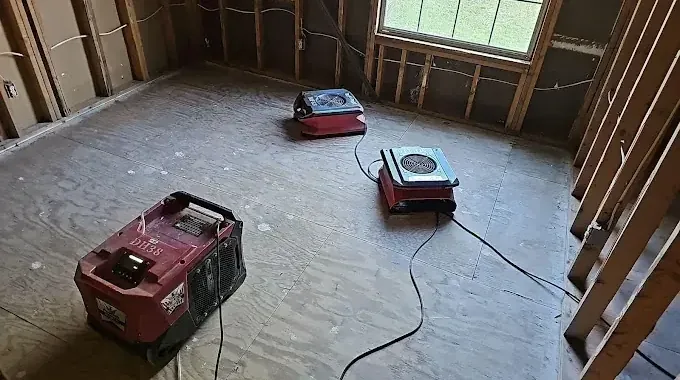
Woodland Park cleanup and drying
Local streets and corridors
McBride Avenue, Browertown Road, Maple Avenue, Rifle Camp Road
Postal area
07424
Nearby coverage
Describe the property and access
Woodland Park is a Passaic County borough with community landmarks including Garret Mountain Reservation and Rifle Camp Park. Service planning starts with the affected property's location and access.
A description of stairs, parking restrictions and the wet room helps prepare the assessment. The water source and current safety conditions matter before equipment enters.
(888) 471-9821Discuss access to the propertyPlan before you call
Nearby service areas
Water damage questions in detail
Woodland Park Basement Water After Repeated Storms
Woodland Park basement flooding: record returning water, assess sump access, separate extraction from drying and check hidden materials after repeated storms.
Totowa Sewage Backups and Returning Drain Water
Totowa sewage backups need drain source checks and controlled cleanup. Record returning water, restrict affected rooms and coordinate plumbing and drying work.
North Caldwell Laundry Leaks After Water Flushing
North Caldwell laundry leaks: separate flushing notices from water on the floor, inspect washer connections and trace moisture beneath cabinets and wall edges.
Storm history and everyday plumbing leaks
Slippery Rock Brook drains part of First Watchung Mountain and joins the Passaic River. The borough also has documented storm flooding and municipal water system work.
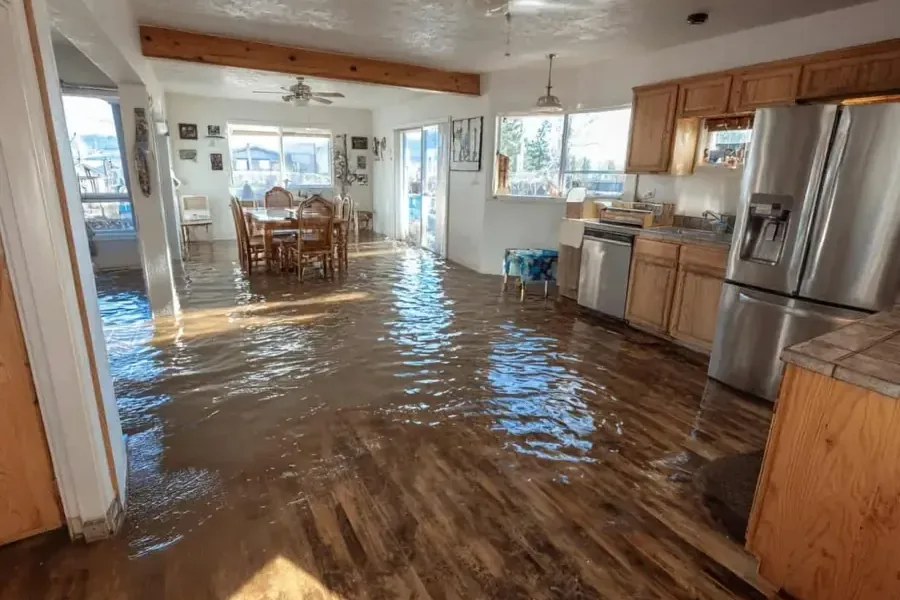
- 1Repeated storms. December 2023 and January 2024 brought flooding, with residents monitoring homes and sump pumps as described in the municipal account.
- 2Drainage maintenance. The Department of Public Works maintains culverts, catch basins and waterways to keep debris from obstructing flow through the drainage system.
- 3Hidden household leaks. The tax and water department identified 68 leaks during 2023 billing cycles and notified residents, highlighting the value of investigating unexplained water loss.
- 4Public building planning. An August 2026 proposal for Woodland Park Community Center included waterproofing, automated flood gates and a flood wall as mitigation measures.
- 5Room specific assessment. A property inspection considers the actual entry route, floor assembly and water condition before selecting removal methods and the appropriate drying arrangement.
August 6, 2024: Flooding closed Lackawanna Avenue, Andrews Drive and Memorial Drive. Safe access deserves attention during an active storm before any indoor cleanup work begins.
Questions before restoration starts
Does every wet room need demolition?
No. Material condition, contamination and access determine whether removal is needed. Some assemblies can dry in place; others trap moisture behind impermeable layers. The scope should explain each removal decision and identify the surfaces that remain for cleaning and drying.
Can a room look dry too soon?
Yes. Surface evaporation can leave moisture inside wallboard, subfloors or insulation. Measurements help locate that remaining moisture. Finishing work should wait until the affected assembly has been assessed against suitable drying goals rather than judged only by appearance.
What should the first photographs show?
Photographs can show the apparent source, water spread, damaged possessions and affected room edges. Only safe viewpoints should be used. A date and brief description help connect each image to the loss record before cleanup changes the visible conditions.
Is a plumbing repair part of cleanup?
Repairing the source and restoring the wet building are separate tasks that need coordination. A plumber may stop a failed supply connection, while restoration addresses soaked materials. The written scope should clearly identify which services are included and which require another contractor.
How does outside floodwater change the work?
Outside water can carry sediment and contaminants onto floors and into porous finishes. Access may need restriction, and damaged materials may require controlled removal. Cleaning comes before drying retained surfaces so equipment does not spread residue into unaffected occupied spaces.
Can belongings stay in the affected room?
That depends on their condition and whether they obstruct treatment. Dry items may be relocated through a clean route, while wet contents need separate assessment. Photographs and an inventory help preserve an account of belongings moved, cleaned or set aside for disposal.
What if the water returns during drying?
Fresh entry changes the drying plan. The source needs reassessment, and earlier moisture readings must be distinguished from the new wetting. Equipment alone cannot compensate for an active leak, repeated drain backup or continued storm entry into the same assembly.
Does insurance always pay for restoration?
Coverage depends on the policy and the circumstances of the loss. The insurer decides the claim. Restoration records can describe the observed damage, mitigation work and drying progress, while the owner keeps receipts and requests clear answers about deductibles or exclusions.
What marks the end of the drying work?
Completion should be supported by material readings and an assessment of the assemblies treated. The final record can identify areas dried, materials removed and repairs still required. Paint, replacement flooring and other reconstruction items should be distinguished from the mitigation work.
Start with a clear account of the water damage
Describe the affected rooms and the apparent source. A focused assessment can establish safe access, necessary cleanup and the next drying decisions.
(888) 471-9821Discuss a Woodland Park assessmentCaldwell Water Damage Restoration
Caldwell, NJ and nearby Essex County
(888) 471-9821 · open 24/7
Water and sewage losses only
Find us on Google