Toilet Overflow Cleanup in Woodland Park
An overflowing toilet can send water beneath a vanity before it reaches the doorway. Woodland Park cleanup starts by stopping use, identifying the water involved and keeping the affected bathroom separate from clean rooms.
(888) 471-9821Discuss the bathroom overflow- Source and contamination checks
- Vanity edge inspection
- Controlled bathroom cleanup
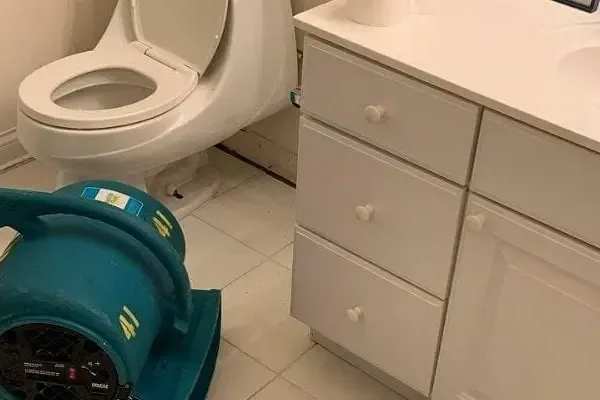
First steps for toilet overflow cleanup
- Stop flushing the affected fixture. Avoid adding water to an unresolved overflow. A reachable shutoff may control a supply release when access is safe, but the drain issue still needs the appropriate plumbing assessment before use resumes.
- Separate the bathroom from occupants. Keep children, pets and unnecessary foot traffic away from affected surfaces. Wet bath mats and belongings should remain apart from clean contents until their water contact and handling needs are assessed.
- Record the route beyond the bowl. Safe photographs can show wet wall bases, the vanity edge and water at the doorway. Those details help identify hidden spread that could be missed when only the central floor is inspected.
- Coordinate drain work with cleanup. Plumbing service addresses the cause, while restoration handles contaminated or wet materials. Discuss fixture access and floor layers before repairs or resetting conceal surfaces that still require cleaning and drying.
How toilet overflow cleanup is handled
Determine the source and use restrictions
The initial assessment identifies the release point and whether the drain problem affects other fixtures. Occupant access is restricted around the wet bathroom. The source repair plan is coordinated with restoration so no further discharge reaches surfaces while cleanup and material decisions are underway inside the room.
Contain water and handle affected belongings
Water removal follows the observed contamination conditions. Bath mats, stored items and other contents are documented and separated as needed. The work route protects clean hallways, while inspection continues toward thresholds and wall bases that may conceal water beneath apparently intact bathroom finishes.
Treat finishes and concealed edges
Porous materials are assessed for removal based on water contact and condition. Retained surfaces are cleaned before drying equipment is introduced. The vanity footprint, floor penetrations and adjoining room edge receive attention when they provide a path for moisture below the visible tile or other covering.
What does toilet overflow cleanup cost in Woodland Park, NJ?
Toilet overflow cleanup in Woodland Park depends on the source, contamination and spread beneath bathroom finishes. These ranges distinguish contained supply water from broader affected areas. Drain repairs, fixture replacement and reconstruction should be shown separately from mitigation work in the estimate.
For a closer planning number, run the water damage cost calculator. The restoration contractor who responds sets the real scope after the walkthrough and the moisture map.
Toilet Overflow Cleanup restoration sequence
- 01
Determine the source and use restrictions
The initial assessment identifies the release point and whether the drain problem affects other fixtures. Occupant access is restricted around the wet bathroom. The source repair plan is coordinated with restoration so no further discharge reaches surfaces while cleanup and material decisions are underway inside the room.
- 02
Contain water and handle affected belongings
Water removal follows the observed contamination conditions. Bath mats, stored items and other contents are documented and separated as needed. The work route protects clean hallways, while inspection continues toward thresholds and wall bases that may conceal water beneath apparently intact bathroom finishes.
- 03
Treat finishes and concealed edges
Porous materials are assessed for removal based on water contact and condition. Retained surfaces are cleaned before drying equipment is introduced. The vanity footprint, floor penetrations and adjoining room edge receive attention when they provide a path for moisture below the visible tile or other covering.
- 04
Verify the retained assembly before reset
Measurements track the subfloor and surrounding materials where access permits. The closing scope identifies surfaces ready for repairs and any remaining work. Fixture resetting or replacement trim is coordinated with that condition record so the completed bathroom does not conceal an untreated wet layer.
A toilet overflow is a room contamination and moisture problem as well as a plumbing problem. For a Woodland Park bathroom near McBride Avenue, the first distinction is whether the release came from the bowl or a supply component. That finding shapes how the affected surfaces are handled.
Keep the bathroom out of routine use
Repeated flushing can add water while a blockage remains. Other fixtures may also need restriction when the drainage problem is broader than the toilet. A plumbing assessment addresses the cause, while restoration establishes a work boundary that keeps wet footwear and belongings out of clean rooms.
The Peckman River Pump Station began operating during 2023. A building overflow still requires inspection of the fixture and drainage behavior at the property. The scope should describe the observed release and affected materials so source repair and room cleanup can be coordinated clearly.
Tile can conceal water at the edges
A tile surface may appear easy to wipe, but water can reach joints, wall bases and the space beneath a vanity. Floor penetrations and thresholds also deserve inspection. The material below the finish may need drying access even after the visible bathroom surface has been cleaned.
- Keep absorbent bath mats separate from unaffected household laundry and contents.
- Document the water reach before surfaces are cleared or materials discarded.
- Check the doorway and adjacent flooring for transfer beyond the bathroom.
- Assess the ceiling below when an upper floor assembly becomes wet.
Clean before setting the drying arrangement
At a property on Maple Avenue or Browertown Road, bathroom size and finish layers determine the access plan. Contaminated porous materials may need removal. Retained surfaces require appropriate cleaning before airflow circulates through the work area and adjoining occupied spaces.
Completion records should include the treated room boundary, removed materials and remaining moisture assessment. The owner can then coordinate any fixture reset or replacement finishes after the source problem and the wet assembly have both received attention.
Safety planning starts with Ready.gov flood precautions; household water-use checks appear at EPA WaterSense.
Related water damage services in Woodland Park
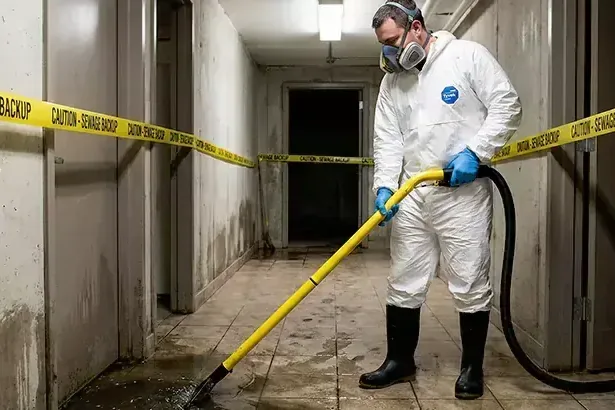 Sewage Backup Cleanup in Woodland ParkSewage backup is Category 3 water. Cleanup combines access control, protective equipment, removal of contaminated porous materials, surface cleaning and suitable antimicrobial treatment before the remaining structure enters monitored drying.
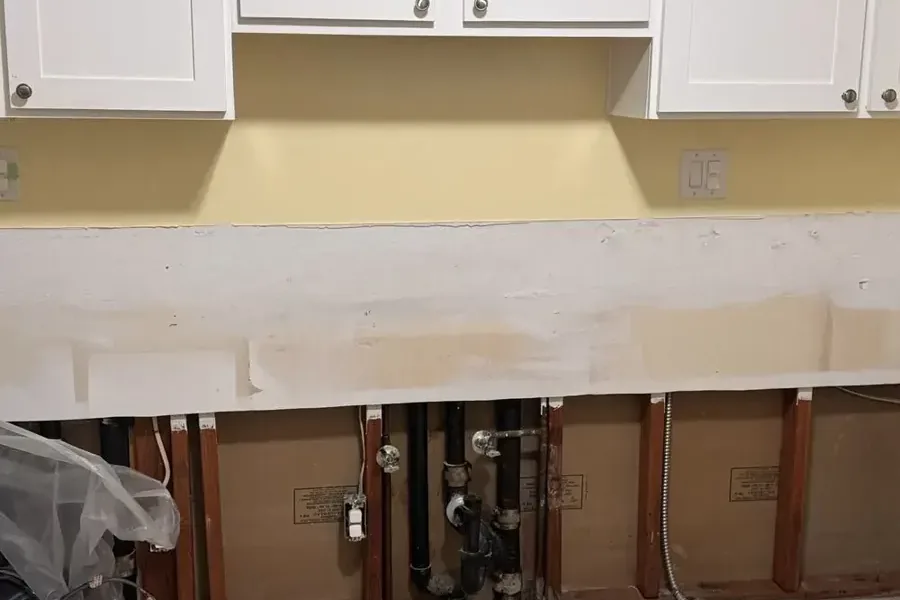 Appliance Leak Water Damage in Woodland ParkAppliance cleanup addresses escaped water from supply connections, drains and equipment failures. The water source affects contamination decisions, while the cabinet and floor construction determine how technicians reach and dry concealed moisture.
Toilet Overflow Cleanup in CaldwellToilet overflow cleanup distinguishes a clean supply release from bowl water or wastewater. The team controls the affected area and makes material decisions based on what escaped, what it touched and where it travelled.
Toilet overflow cleanup in Woodland Park, NJ
Toilet overflow assessment is available in Woodland Park, with attention to bathroom access, adjoining occupied rooms and the floor assembly beneath properties along McBride Avenue and Maple Avenue.
The same service nearby: toilet overflow cleanup in Caldwell, Totowa, Clifton.
Water damage restoration in Woodland Park · every town coveredToilet Overflow Cleanup questions
Is every toilet overflow sewage contaminated?
The source matters. Water released from a supply connection differs from bowl contents or a drainage backup. The assessment identifies what escaped and which surfaces it contacted before deciding how materials should be handled, cleaned or removed during the bathroom restoration.
Can another flush clear the problem?
Another flush can increase the overflow when the obstruction remains. The fixture should stay out of use until the plumbing issue is assessed. Restoration also needs to know whether additional fixtures are contributing water so the affected boundary can remain controlled.
Does a tile floor prevent damage underneath?
Tile does not eliminate paths through joints, edges or penetrations. Water can reach the supporting floor or adjoining wall base. Inspection beneath accessible edges helps determine whether the visible bathroom cleanup needs to extend to concealed materials or the ceiling below.
Should contaminated bath mats go into household washing?
Affected porous belongings need assessment before they are mixed with clean household items. Their water contact and condition determine handling or disposal. Keeping them separated helps avoid transferring residue while the room and contents cleanup decisions are being made.
Why inspect the hallway after a bathroom overflow?
Water can cross the threshold beneath a covering or be tracked onto nearby surfaces. The hallway inspection helps establish the full cleanup boundary. Changes in flooring materials may also require different drying access from the tile or other finish inside the bathroom.
Can the toilet be reset before the floor dries?
Fixture work should be coordinated with the moisture assessment. Resetting may obstruct access to wet layers around the opening. The plan should identify what needs cleaning or drying first and how the retained floor assembly will be checked before final closure.
What is included in a bathroom cleanup estimate?
The scope should describe water removal, contamination handling, material decisions and drying. Drain clearing, fixture repairs and replacement finishes may be separate. Listing those tasks clearly helps the owner coordinate the plumbing work with the restoration needed around the affected bathroom.
Restore the surfaces around the overflow
Controlled handling and material checks help establish the work needed before repairs close the bathroom floor and wall edges.
(888) 471-9821Plan bathroom overflow restorationCaldwell Water Damage Restoration
Caldwell, NJ and nearby Essex County
(888) 471-9821 · open 24/7
Water and sewage losses only
Find us on Google