Water Heater Leak Cleanup in Caldwell, NJ
A leaking heater can soak the utility space and adjoining finishes. The cleanup team checks safe access around the equipment, removes water and follows moisture beyond the tank footprint. Emergency dispatch operates 24/7.
(888) 471-9821Explain the tank-room wetting- Utility-area safety checks
- Adjacent room inspection
- Moisture-verified completion
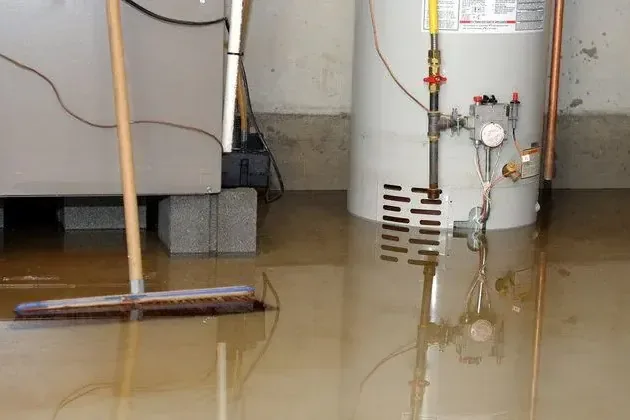
First steps for water heater leak cleanup
- Avoid the wet equipment. Do not touch wet controls, switches or gas connections. Keep people out of water around the heater until the appropriate professional establishes safe access and isolation.
- Stop a safely accessible supply. Use an accessible shutoff only when it can be reached without crossing a hazard. Leave equipment-specific shutdown and repair to the person qualified to handle that system.
- Keep surrounding materials visible. Move dry items away from the affected route when safe. Leave damaged equipment in place and preserve photographs of water beneath shelves, partitions and adjacent finishes.
- Describe the spread. Tell dispatch whether water remains confined to the utility area or has entered other rooms. Mention carpet, wood flooring and lower wall finishes that are visibly wet.
How water heater leak cleanup is handled
Confirm equipment safety
The contractor coordinates safe access around the heater and reviews whether the source remains active. Energy and plumbing work stay separate from the building cleanup tasks. The crew notes the equipment footprint and any restricted routes around the utility area. Nearby storage and partitions are included when the wet footprint extends outward.
Remove escaped water
The extraction crew clears accessible liquid and checks the route toward nearby rooms. Surface tools match the floor covering while readings identify moisture held below the visible water. Adjacent partitions receive attention even when the visible water appears confined beside the tank.
Open wet edges as needed
Technicians inspect wall bases, trim and adjoining finishes after extraction. Material condition and access determine whether selective removal is needed to dry connected layers effectively. Newly exposed areas are added to the moisture map rather than left outside the scope.
What does water heater leak cleanup cost in Caldwell, NJ?
Water heater leak cleanup often costs $800 to $4,500 for mitigation, excluding heater replacement. Water volume, floor coverings, wall-base wetting and access affect the scope. A release that reaches several rooms requires more than drying the tank footprint.
For a closer planning number, run the water damage cost calculator. The restoration contractor who responds sets the real scope after the walkthrough and the moisture map.
Water Heater Leak Cleanup restoration sequence
- 01
Confirm equipment safety
The contractor coordinates safe access around the heater and reviews whether the source remains active. Energy and plumbing work stay separate from the building cleanup tasks. The crew notes the equipment footprint and any restricted routes around the utility area. Nearby storage and partitions are included when the wet footprint extends outward.
- 02
Remove escaped water
The extraction crew clears accessible liquid and checks the route toward nearby rooms. Surface tools match the floor covering while readings identify moisture held below the visible water. Adjacent partitions receive attention even when the visible water appears confined beside the tank.
- 03
Open wet edges as needed
Technicians inspect wall bases, trim and adjoining finishes after extraction. Material condition and access determine whether selective removal is needed to dry connected layers effectively. Newly exposed areas are added to the moisture map rather than left outside the scope.
- 04
Verify the surrounding structure
The drying team tracks the affected floor and walls after equipment repair. Final records describe the remaining assembly and confirm when it is ready for finish restoration. The finished record separates equipment replacement from the condition of the surrounding building materials.
The water surrounding a tank can conceal wet wall bases and flooring outside the utility area. A replacement heater does not dry those materials. The mitigation assessment follows the escaped water and separates equipment work from building restoration.
Keep heater controls and cleanup separate
At an Espy Road property, a public water-service disruption differs from a tank or connection leaking indoors. The source inspection identifies the actual equipment fault. Occupants should avoid touching wet electrical controls or gas equipment while trying to stop the water.
The contractor records whether the release continues and whether the utility room can be entered safely. Source isolation and equipment repair belong with the appropriate professional. Extraction begins around the safe access plan rather than requiring a homeowner to move the heater.
Inspect neighboring materials
For a Brookside Avenue home, water can pass beneath a partition or through a doorway before anyone notices the tank. Technicians check those edges and any absorbent finishes in contact with the floor. A drain pan may limit a small release, but the inspection still follows observed wetting beyond it.
- Photograph the tank base, visible connections and surrounding water.
- Check trim, cabinet bases and adjoining floor coverings.
- Inspect lower wall materials where water collected against the room perimeter.
- Keep repair and replacement records with the drying documentation.
Finish the building dry-out after equipment work
Bloomfield Avenue buildings receive a material-specific assessment rather than an assumption about the heater location or floor type. The crew selects extraction tools for the actual surface, then positions air movement and dehumidification where moisture remains.
Final readings should cover connected wet layers, not just the open floor around the new equipment. Water extraction addresses pooled liquid; structural drying follows retained moisture. The owner should confirm whether the written scope includes trim removal, insulation decisions and finish repair. Keeping those stages explicit prevents a functioning heater from being mistaken for a completed restoration.
Safety planning starts with Ready.gov flood precautions; household water-use checks appear at EPA WaterSense.
Related water damage services
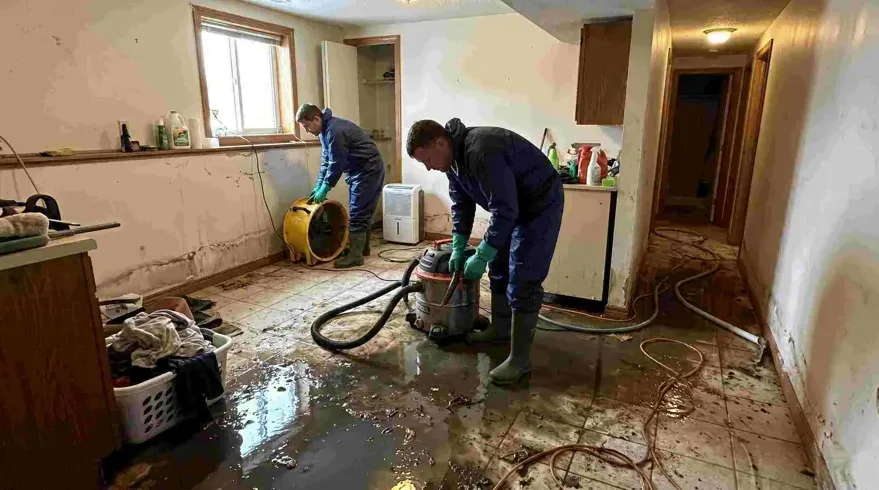 Water ExtractionExtraction removes liquid water before dehumidifiers manage the moisture left in materials. Crews choose pumps, wands and vacuum tools around water depth, contamination and the surfaces that need protection.
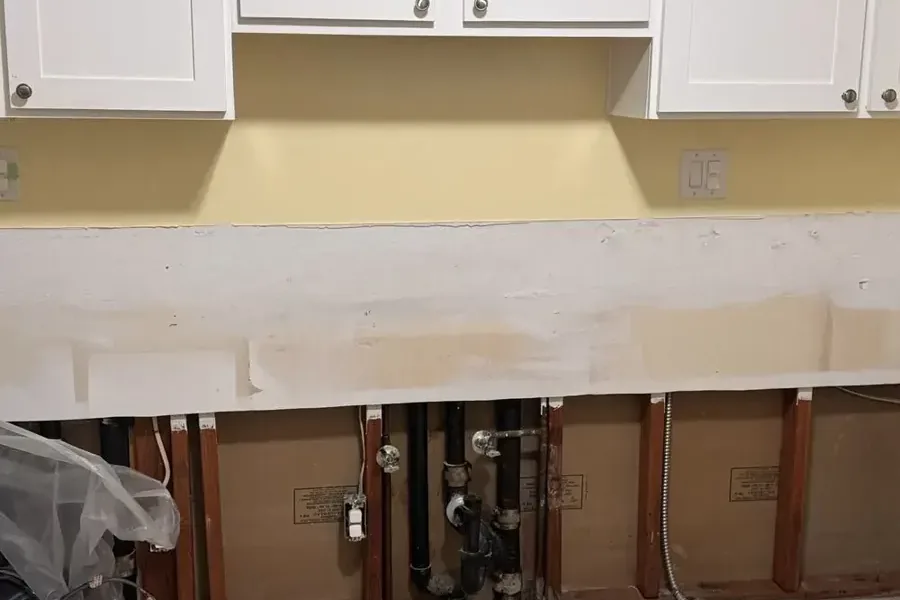 Appliance Leak Water DamageAppliance cleanup addresses escaped water from supply connections, drains and equipment failures. The water source affects contamination decisions, while the cabinet and floor construction determine how technicians reach and dry concealed moisture.
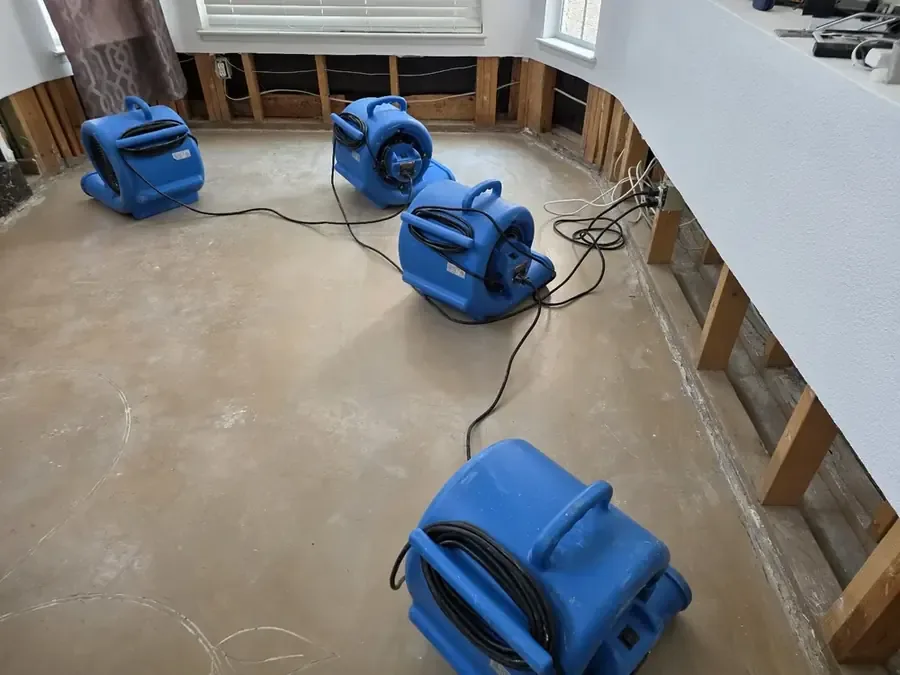 Structural DryingStructural drying removes retained moisture from salvageable building materials after source control and extraction. Air movement, dehumidification and temperature management work together, with repeated measurements showing whether the affected assembly is responding.
Water heater leak cleanup in Caldwell, NJ
Coverage includes Bloomfield Avenue, Espy Road and Brookside Avenue, with ZIP codes 07006 and 07007. Describe the entry route and affected rooms when requesting a walkthrough.
See the coverage detailsWater Heater Leak Cleanup questions
Does replacing the heater complete cleanup?
No. Replacement addresses the equipment, while escaped water may remain beneath flooring or in wall bases. The restoration team checks those connected materials and documents drying separately. Confirm that the scope includes the rooms reached by the release.
Is the water always clean?
The source and the materials it contacts determine the cleanup conditions. Water from a supply or tank can pick up contamination after release. The contractor assesses the actual loss before deciding which porous finishes can remain and which need removal.
Can a homeowner move the tank?
Do not move equipment connected to plumbing, electricity or gas to reach a puddle. The appropriate professional handles isolation and equipment work. Restoration technicians plan extraction around safe access and inspect newly exposed areas when the equipment is removed.
Why check the room next door?
Water can pass beneath partitions and through floor seams. A utility room may drain visibly while adjacent pad or wall material remains wet. The technician follows the wet boundary with measurements instead of stopping at the doorway.
Does a drain pan rule out damage?
No. A pan can overflow, leak or fail to collect water from a connection above it. Inspect the actual water path and nearby materials. The restoration scope depends on observed wetting rather than the presence of a pan alone.
What records help explain the loss?
Keep equipment findings, replacement invoices and early photographs. The drying record adds affected-room measurements, material removal notes and final checks. Together they distinguish the source repair from the building damage that followed it.
How quickly should drying begin?
Treat active water and wet materials as urgent after safety and source control. Emergency dispatch operates 24/7. The contractor assesses access and contamination before setting equipment, then uses readings to determine how long the dry-out needs to continue.
Dry more than the space beneath the tank
The cleanup crew removes escaped water and monitors affected building materials after safe source isolation. Emergency dispatch operates 24/7.
(888) 471-9821Get the utility-space loss assessedCaldwell Water Damage Restoration
Caldwell, NJ and nearby Essex County
(888) 471-9821 · open 24/7
Water and sewage losses only
Find us on Google