Commercial Water Damage in Caldwell, NJ
A business water loss affects rooms, stock and daily access at once. The restoration team maps wet areas, coordinates the building contact and establishes drying zones around safe operations. Dispatch operates 24/7.
(888) 471-9821Discuss the business-space damage- Occupied-area planning
- Room-by-room scope
- Documented equipment and readings
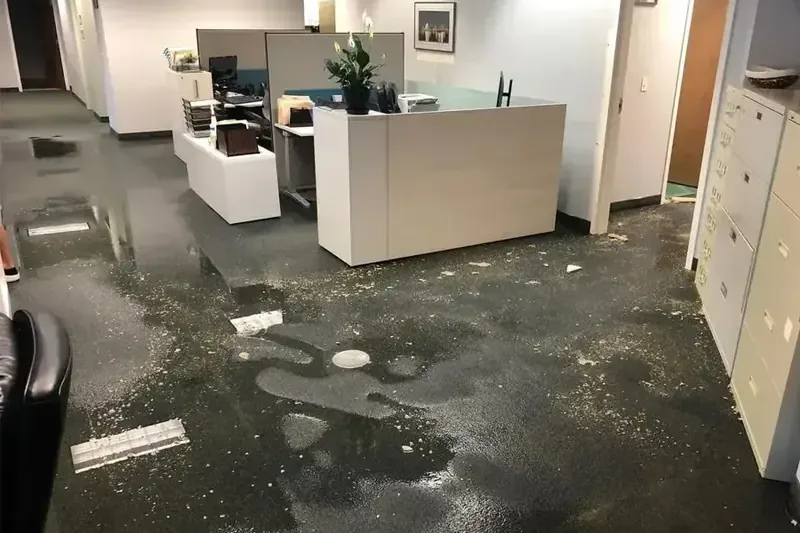
First steps for commercial water damage
- Restrict the affected zone. Keep customers and staff away from wet floors, sagging ceilings and electrical hazards. Mark safe access routes without sending occupants through standing water to retrieve equipment or stock.
- Choose a building contact. Identify the person authorized to coordinate access and scope decisions. Provide information about occupied units, shared services and any operations that depend on the affected rooms.
- Protect dry inventory safely. Move unaffected stock away from the wet boundary when safe. Keep wet items documented and separated so contents decisions do not obscure the building restoration record.
- Record the operational impact. List rooms, entrances and essential equipment affected by the loss. Tell dispatch about ongoing water entry, contamination and access constraints before the contractor organizes the initial assessment.
How commercial water damage is handled
Coordinate the building response
The contractor identifies the responsible contact and assesses hazards, source control and occupancy. The work plan establishes access routes and the areas requiring restriction before equipment arrives inside. The contact also identifies essential routes that occupants need to use during the work. The access record keeps staff aware of the initial restricted zones.
Map affected business spaces
Technicians record wet materials by room and check connected cavities or neighboring units. Contents exposure and specialist equipment concerns are noted separately from the building drying scope. Shared assemblies receive attention where water can cross into space beyond the original room.
Stage extraction and drying
The crew removes water and sets drying zones around the safe access plan. Contaminated materials receive appropriate removal and cleaning before the remaining structure enters monitored drying. The building contact receives updates when equipment or work boundaries alter normal walking routes.
What does commercial water damage cost in Caldwell, NJ?
Commercial water damage mitigation often ranges from $2,500 to $20,000 or more. Floor area, contamination, specialty materials and access requirements affect cost. Contents, equipment repair and reconstruction may sit outside the building dry-out, so compare the itemized scopes carefully.
For a closer planning number, run the water damage cost calculator. The restoration contractor who responds sets the real scope after the walkthrough and the moisture map.
Commercial Water Damage restoration sequence
- 01
Coordinate the building response
The contractor identifies the responsible contact and assesses hazards, source control and occupancy. The work plan establishes access routes and the areas requiring restriction before equipment arrives inside. The contact also identifies essential routes that occupants need to use during the work. The access record keeps staff aware of the initial restricted zones.
- 02
Map affected business spaces
Technicians record wet materials by room and check connected cavities or neighboring units. Contents exposure and specialist equipment concerns are noted separately from the building drying scope. Shared assemblies receive attention where water can cross into space beyond the original room.
- 03
Stage extraction and drying
The crew removes water and sets drying zones around the safe access plan. Contaminated materials receive appropriate removal and cleaning before the remaining structure enters monitored drying. The building contact receives updates when equipment or work boundaries alter normal walking routes.
- 04
Report readiness by area
Daily measurements and work notes show progress in each zone. The contractor documents final conditions and remaining repairs so management can plan the next stage with a clear record. The final report separates completed mitigation from reconstruction, contents handling and specialist equipment repairs.
A commercial dry-out needs a workable route for people as well as equipment. The contractor identifies the decision-maker, wet spaces and essential access before arranging extraction. The scope should explain which areas need closure and which can remain in use safely.
Start with the observed business disruption
Downtown businesses experienced flooding during the August 2018 storm. For a current Bloomfield Avenue loss, the team still identifies the actual entry route and water category at that building. Outside floodwater and a private supply leak require different contamination and material decisions.
The building contact should identify stock, electronics, records and occupied workspaces near the wet area. Contents handling, specialist equipment assessment and building drying may involve separate scopes. Clear responsibility prevents important items from being overlooked while floor extraction proceeds.
Organize safe work zones
- Keep public access separate from wet floors and equipment cords.
- Coordinate keys, loading access and any restrictions on work hours.
- Document rooms, floor finishes and inventory exposed to water.
- Identify shared walls, ceiling cavities and neighboring occupied units.
- Record changes to the drying setup so staff understand the current boundaries.
Espy Road has documented municipal water-service repairs, but that history does not determine the source of an indoor business loss. Near the Hasler Building, each affected property needs its own inspection of the supply, drainage or weather-entry conditions. The contractor records those observations rather than assuming a common cause across the district.
Make the progress record useful to management
Daily reports should connect readings and equipment to named rooms or zones. That lets the owner see which assembly is still drying and which work can move into repair. A quiet room is not necessarily ready for reopening if floor layers or overhead materials remain affected.
Structural drying supplies the measurement process, and storm cleanup addresses contaminated outside entry. The contractor coordinates the restoration sequence with safe occupancy, while the business evaluates staffing and continuity decisions. Keep photographs, room dimensions, source findings and the itemized work record together for property and insurance discussions.
Safety planning starts with Ready.gov flood precautions; household water-use checks appear at EPA WaterSense.
Related water damage services
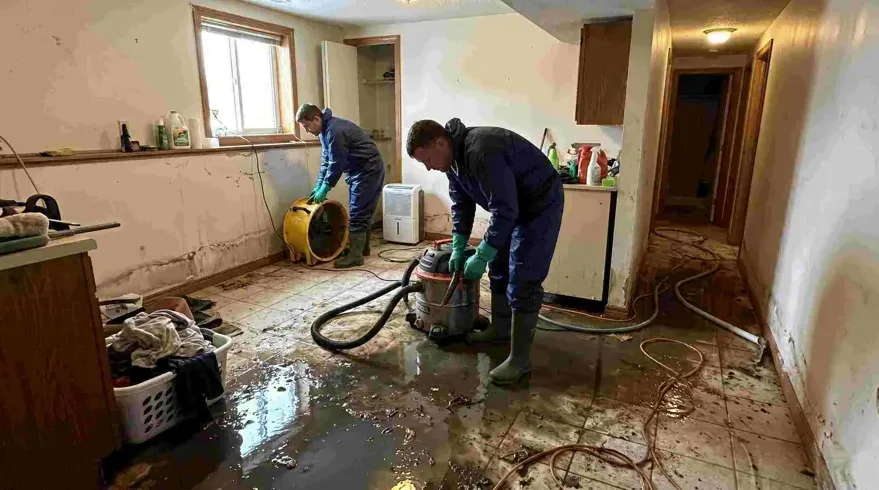 Water ExtractionExtraction removes liquid water before dehumidifiers manage the moisture left in materials. Crews choose pumps, wands and vacuum tools around water depth, contamination and the surfaces that need protection.
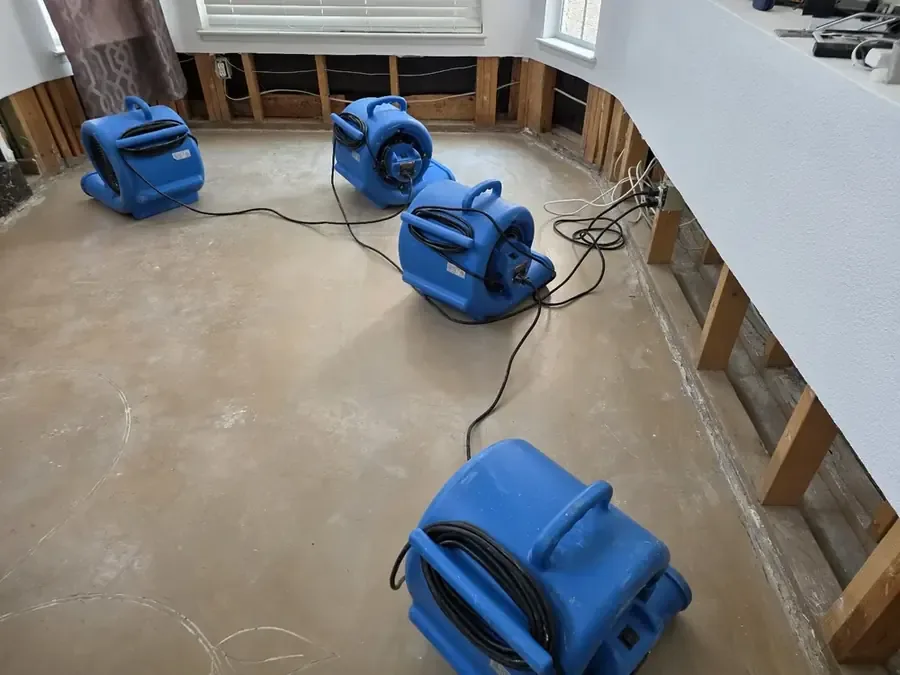 Structural DryingStructural drying removes retained moisture from salvageable building materials after source control and extraction. Air movement, dehumidification and temperature management work together, with repeated measurements showing whether the affected assembly is responding.
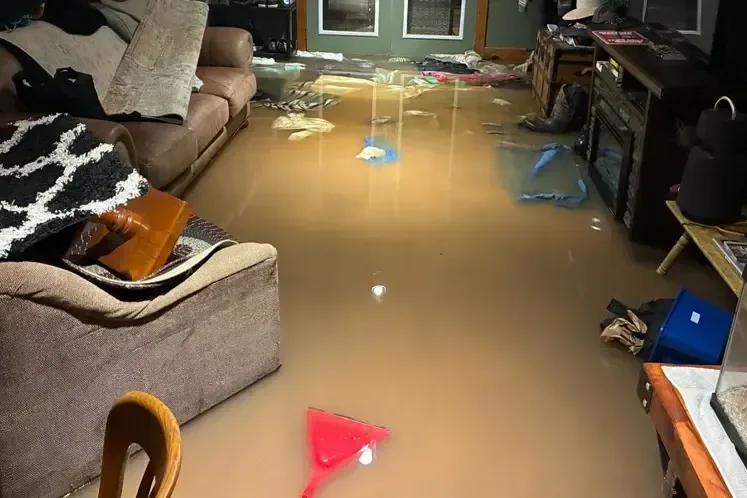 Storm Flood CleanupStorm flood cleanup addresses water that enters from outside at doors, lower openings or other access points. The crew treats the affected space as contaminated and plans removal, cleaning and drying around safe entry.
Commercial water damage in Caldwell, NJ
Coverage includes Bloomfield Avenue, Espy Road and Brookside Avenue, with ZIP codes 07006 and 07007. Describe the entry route and affected rooms when requesting a walkthrough.
See the coverage detailsCommercial Water Damage questions
Can the business stay open during restoration?
That depends on hazards, contamination and whether safe occupied areas can be separated from the work. The contractor assesses access and drying zones with the building contact. Operational decisions should follow those conditions rather than an automatic promise of uninterrupted service.
Who should coordinate the work?
Choose a contact who can authorize access and communicate with the owner, occupants and restoration contractor. Shared buildings may require additional coordination. A clear contact helps keep source repairs, contents decisions and room restrictions aligned with the scope.
Are computers and stock included in the drying scope?
Not always. Contents and specialized equipment can need separate assessment or handling. The contractor should identify those items and explain what the building scope includes. Keep inventory records and photographs so equipment concerns do not disappear into a general cleanup total.
Why inspect neighboring units or rooms?
Water can cross shared walls, floor seams and ceiling cavities. The moisture map follows the building assembly rather than a lease boundary. Access coordination helps identify connected wet areas while keeping each occupant informed about the findings.
Does after-hours work cost differently?
Access conditions, staffing and the specific scope can affect pricing. Ask the contractor to explain the proposed work arrangement and charges. Emergency dispatch operates 24/7, but the actual schedule and requirements depend on the property and current loss conditions.
What documentation helps the building owner?
Room dimensions, source findings, photographs, removal decisions and daily readings provide a useful record. Equipment placement and duration should connect to the affected zones. Those details help explain the restoration work to owners, tenants and insurers.
When is an area ready for repairs?
The contractor verifies the remaining materials against the drying goal and records safety or repair needs. Floor coverings and coatings can have additional installation requirements. A zone should not be reopened solely because the extraction equipment has left.
Restore the building with a clear area record
The team documents extraction, material decisions and drying progress so the next repair stage has a reliable starting point. Emergency dispatch operates 24/7.
(888) 471-9821Plan the affected business zonesCaldwell Water Damage Restoration
Caldwell, NJ and nearby Essex County
(888) 471-9821 · open 24/7
Water and sewage losses only
Find us on Google