Frozen Pipe Water Damage in Caldwell, NJ
A frozen pipe may release water when flow returns. The restoration team coordinates safe source isolation, traces the thaw-related wetting and dries affected cavities after the plumbing repair. Emergency dispatch operates 24/7.
(888) 471-9821Explain the thaw-related leak- Controlled return to water service
- Hidden cavity inspection
- Measured drying after repair
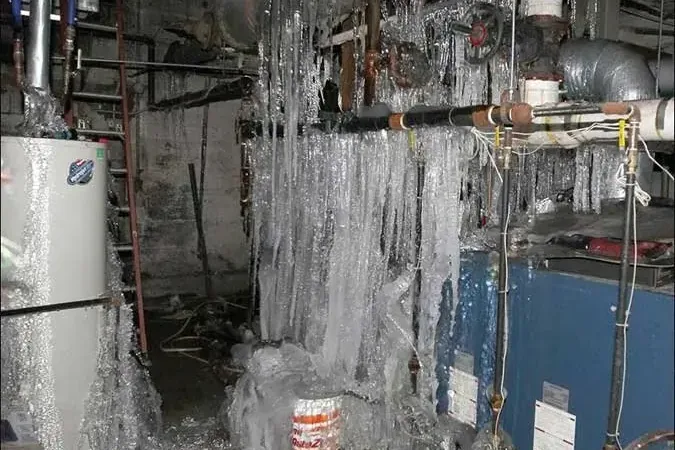
First steps for frozen pipe water damage
- Keep the damaged supply isolated. If a safe shutoff controls the affected pipe, leave it closed until the plumbing inspection resolves the failure. Repeated pressure tests can restart a hidden release.
- Avoid improvised thawing. Do not use an open flame or place electrical heating equipment in a wet area. A qualified professional should assess the frozen section and safe return to service.
- Watch connected rooms safely. Note dripping, wall changes and water appearing below the affected supply route. Keep clear of wet electrical fixtures and sagging ceilings while reporting those observations.
- Preserve access for inspection. Leave the repair opening available until wet insulation and framing have been assessed. The source repair and drying plan need coordinated access before the cavity is closed again.
How frozen pipe water damage is handled
Review isolation and plumbing findings
The contractor confirms the source remains controlled and notes nearby affected branches. Safe access and any additional split sections shape the initial restoration assessment. The team records the source location before repair activity changes the original visible conditions. Source observations stay connected to the rooms affected during the thaw.
Trace the thaw-water path
Technicians map the release through cavities, floors and lower rooms. The survey includes wet insulation and adjoining materials beyond the location of the repaired pipe. Connected rooms receive measurements where the thaw release followed openings through the building assembly.
Extract and establish drying access
The crew removes liquid and evaluates finishes that block moisture removal. Equipment placement accounts for cold spaces and the construction of the affected assembly. The technician confirms that evaporation and vapor removal remain effective in the measured room conditions.
What does frozen pipe water damage cost in Caldwell, NJ?
Frozen-pipe water damage mitigation often ranges from $1,300 to $9,000, excluding major plumbing replacement. Concealed spread, several split sections, wet insulation and cold drying conditions can enlarge the scope. The contractor separates repair, extraction and material-drying costs.
For a closer planning number, run the water damage cost calculator. The restoration contractor who responds sets the real scope after the walkthrough and the moisture map.
Frozen Pipe Water Damage restoration sequence
- 01
Review isolation and plumbing findings
The contractor confirms the source remains controlled and notes nearby affected branches. Safe access and any additional split sections shape the initial restoration assessment. The team records the source location before repair activity changes the original visible conditions. Source observations stay connected to the rooms affected during the thaw.
- 02
Trace the thaw-water path
Technicians map the release through cavities, floors and lower rooms. The survey includes wet insulation and adjoining materials beyond the location of the repaired pipe. Connected rooms receive measurements where the thaw release followed openings through the building assembly.
- 03
Extract and establish drying access
The crew removes liquid and evaluates finishes that block moisture removal. Equipment placement accounts for cold spaces and the construction of the affected assembly. The technician confirms that evaporation and vapor removal remain effective in the measured room conditions.
- 04
Verify before closing the cavity
Daily readings track the remaining materials after the supply returns safely to service. Final checks document drying and any prevention or repair work that remains outside mitigation. The final record keeps plumbing prevention tasks separate from the completed wet-material restoration.
Loss of flow can precede a visible leak. A split section may remain quiet while frozen, then release water as it thaws. The response needs controlled plumbing assessment as well as inspection of the building materials around the affected route.
Investigate the individual cold-exposed area
For a Brookside Avenue home, the contractor checks the actual pipe location and surrounding cavity rather than assuming a borough-wide plumbing material or housing era. A repair should address the damaged section and any nearby branch that experienced the same exposure.
At a Bloomfield Avenue property, water may reach an interior room from a concealed supply route. The restoration survey follows that movement into wall bases and floors. The visible repair opening can be much smaller than the wet material boundary.
Keep thawing and repair controlled
- Do not use an open flame to thaw a pipe.
- Keep electrical heating devices away from wet surfaces and unsafe wiring.
- Have the plumbing professional review nearby exposed sections before restoring pressure.
- Photograph wet finishes and the repaired source for the work record.
- Check insulation and cavity access where the release entered the structure.
Espy Road has a documented public-service repair history, but a household freeze-related loss requires its own source evidence. The contractor records what the inspection finds instead of assigning the event to municipal work or an unverified local freeze date.
Dry after the supply stays controlled
Cold materials and enclosed spaces can slow evaporation. The drying team measures room conditions and the affected assembly, then selects safe air movement and dehumidification. A heater alone does not remove the released moisture from the building.
Burst-pipe cleanup covers the pressure-fed release, while structural drying follows moisture after extraction. Keep repair findings, exposure observations and drying readings together. When the cavity is ready to close, the source professional can address the appropriate prevention work without concealing wet insulation or framing left from the original release.
Safety planning starts with Ready.gov flood precautions; household water-use checks appear at EPA WaterSense.
Related water damage services
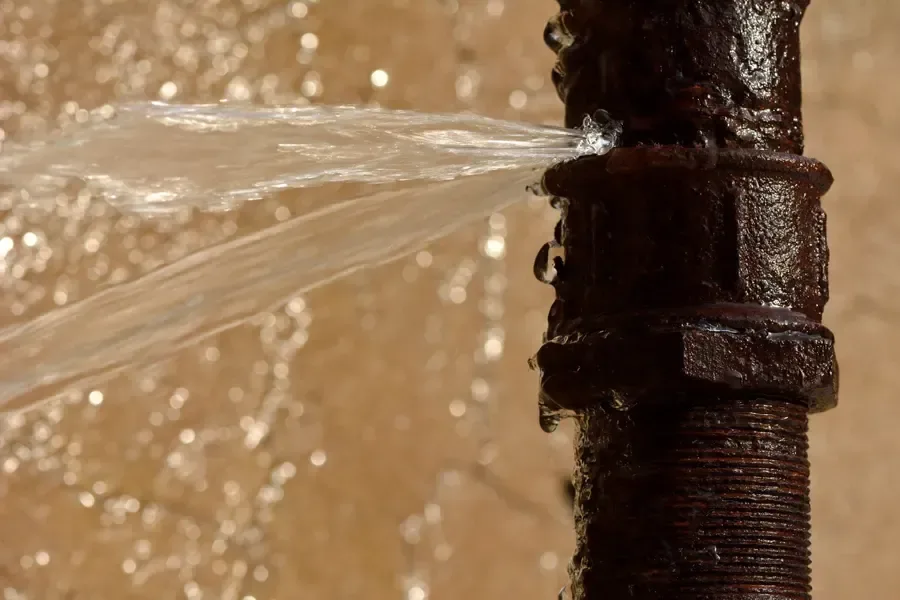 Burst Pipe Water DamageBurst-pipe cleanup follows pressurized water through cavities, floor openings and room edges. A plumber repairs the damaged pipe while restoration technicians remove escaped water and establish a drying plan for connected materials.
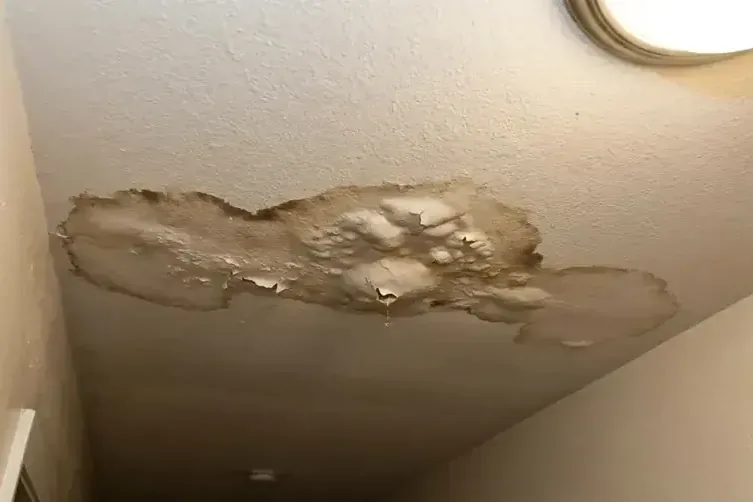 Ceiling Leak Water DamageCeiling cleanup addresses wet drywall, insulation and framing after an overhead release. The source may sit in a bathroom, supply pipe or another space above the stain, so inspection follows the water path.
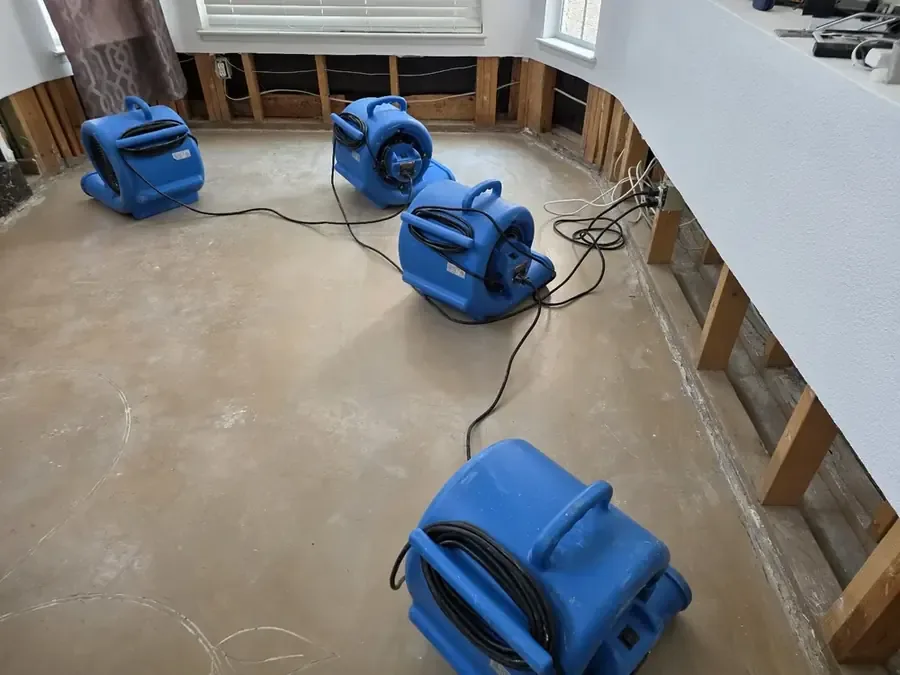 Structural DryingStructural drying removes retained moisture from salvageable building materials after source control and extraction. Air movement, dehumidification and temperature management work together, with repeated measurements showing whether the affected assembly is responding.
Frozen pipe water damage in Caldwell, NJ
Coverage includes Bloomfield Avenue, Espy Road and Brookside Avenue, with ZIP codes 07006 and 07007. Describe the entry route and affected rooms when requesting a walkthrough.
See the coverage detailsFrozen Pipe Water Damage questions
Can a frozen pipe leak only after thawing?
Yes. A damaged section may release water when flow returns. The plumbing professional should control the return to pressure and inspect the affected route. Restoration technicians then follow any escaped water into connected building materials.
Should an open flame be used to thaw it?
No. Open-flame thawing creates serious hazards. Electrical heating methods also require safe conditions and proper use. Arrange professional assessment of the frozen section, particularly when the pipe is concealed or the surrounding area is already wet.
Why inspect more than the obvious split?
Nearby sections may have experienced the same cold exposure. A plumbing inspection checks the affected route before pressure is restored. The restoration map also extends beyond the repair opening because water can travel through the cavity and floor system.
Does warming the room dry the damage?
Heat can affect evaporation, but moisture still needs a path out of materials and removal from the air. The drying team balances safe temperature conditions with air movement and dehumidification, then verifies progress using material readings.
Can wet insulation stay around the repaired pipe?
The contractor evaluates its type, condition and ability to dry. Saturated or damaged insulation may need removal to expose surrounding framing. Closing the cavity too early can trap moisture even when the repaired pipe operates normally.
What distinguishes this from ordinary burst-pipe cleanup?
The water-removal work can overlap, but freeze damage adds questions about thawing, nearby exposed sections and safe pressure restoration. The source assessment addresses those conditions while the restoration crew handles the escaped water and wet building materials.
What should the owner document?
Keep photographs of the failed section, plumbing findings and the rooms reached by water. The restoration record adds material decisions and daily readings. Insurers evaluate the specific circumstances and policy requirements, so source and drying records should remain together.
Restore the structure after the freeze-related release
The mitigation crew follows water beyond the repaired pipe and records material drying before the cavity closes. Emergency dispatch operates 24/7.
(888) 471-9821Start the thaw-loss cleanup planCaldwell Water Damage Restoration
Caldwell, NJ and nearby Essex County
(888) 471-9821 · open 24/7
Water and sewage losses only
Find us on Google