Sewage Backup Cleanup in Caldwell, NJ
Sewage needs controlled removal before a drying system starts. The cleanup crew isolates affected rooms, removes contaminated porous materials and cleans exposed surfaces with appropriate protective equipment. Emergency dispatch operates 24/7.
(888) 471-9821Explain the wastewater spread- Category 3 controls
- Protected removal routes
- Cleaning before drying
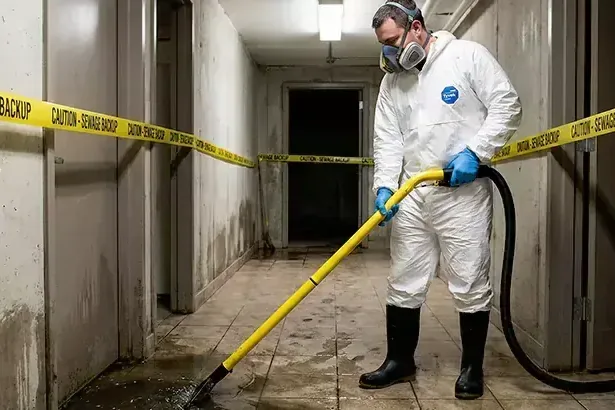
First steps for sewage backup cleanup
- Stop using affected drains. Avoid flushing or running fixtures that add wastewater to the problem. Arrange plumbing assessment while keeping occupants outside the contaminated space and its access route.
- Close off the room. Keep children, pets and unaffected belongings away. Avoid carrying wet rugs, shoes or cleanup tools through clean rooms, and do not run fans over exposed sewage.
- Avoid unprotected cleanup. The contractor sets the protection, cleaning and removal plan for the actual exposure. Leave contaminated porous finishes undisturbed until the contractor assesses removal, protective equipment and disposal access.
- Record exposure safely. Take photographs only from a safe location. Tell dispatch which drains backed up, what materials were touched and whether wastewater reached another room or floor level.
How sewage backup cleanup is handled
Define contamination controls
The contractor inspects the exposure and sets clean and dirty boundaries. Protective equipment, access restrictions and removal routes are planned before wastewater or debris moves through the building. The plan also identifies where equipment and debris can leave without contaminating occupied routes. Clean household routes remain outside the contaminated removal and equipment path.
Extract and remove porous layers
The crew clears sewage and documents affected materials before controlled removal. The boundary follows actual contamination and wicking above the visible waterline rather than a cosmetic stain alone. Exposed supporting layers receive a fresh inspection as each damaged finish is taken away.
Clean and treat exposed surfaces
Technicians remove residual soil and apply an appropriate EPA-registered antimicrobial where specified. Product instructions, contact time and material compatibility govern the treatment before structural drying begins. The treatment record notes the products and work areas associated with the cleaning stage.
What does sewage backup cleanup cost in Caldwell, NJ?
Sewage backup mitigation commonly costs $2,000 to $12,000 or more. Contaminated area, porous-material removal, access, disposal and drying needs determine the scope. Drain repair and finish reconstruction may be separate from the cleanup and decontamination work.
For a closer planning number, run the water damage cost calculator. The restoration contractor who responds sets the real scope after the walkthrough and the moisture map.
Sewage Backup Cleanup restoration sequence
- 01
Define contamination controls
The contractor inspects the exposure and sets clean and dirty boundaries. Protective equipment, access restrictions and removal routes are planned before wastewater or debris moves through the building. The plan also identifies where equipment and debris can leave without contaminating occupied routes. Clean household routes remain outside the contaminated removal and equipment path.
- 02
Extract and remove porous layers
The crew clears sewage and documents affected materials before controlled removal. The boundary follows actual contamination and wicking above the visible waterline rather than a cosmetic stain alone. Exposed supporting layers receive a fresh inspection as each damaged finish is taken away.
- 03
Clean and treat exposed surfaces
Technicians remove residual soil and apply an appropriate EPA-registered antimicrobial where specified. Product instructions, contact time and material compatibility govern the treatment before structural drying begins. The treatment record notes the products and work areas associated with the cleaning stage.
- 04
Measure the remaining structure
The drying team monitors exposed assemblies and keeps the work record current. Final readings and observations establish the transition to repairs after source correction and contamination cleanup. The owner receives a clear distinction between completed sanitation work and repairs still required.
A drain that flows again can leave contaminated flooring and wall bases behind. Plumbing work addresses the blockage or source condition; restoration addresses the wastewater already released. Keep the affected space separate from occupied clean rooms until the cleanup assessment establishes the work boundary.
Contain the loss at its observed boundary
For a Bloomfield Avenue building, the crew records which rooms and contents contacted sewage before beginning removal. Protective gloves, boots, eye protection and other appropriate PPE support the work. The contractor evaluates respiratory protection and containment around the task rather than treating a household mask as a complete safety plan.
Espy Road water-service repairs provide no explanation for a private sewage backup. A plumbing assessment identifies the drainage issue at the property. The cleanup record should describe observed wastewater exposure without inventing a municipal fault or a pipe-material history.
Remove materials that cannot be restored safely
- Document contaminated carpet, pad, drywall and other porous finishes.
- Remove affected porous material above the visible waterline to the actual contamination and wetting boundary.
- Keep bagged debris and equipment movement away from clean household routes.
- Clean remaining surfaces before applying an appropriate EPA-registered antimicrobial.
- Maintain the product's label-required dwell time and use conditions.
At a Brookside Avenue home, the actual floor and wall assembly determines access. A hard finish may conceal contaminated backing or a wet substrate. The crew checks those layers directly before deciding what can remain.
Dry only after the sanitation work is complete
The drying technician measures the exposed framing and floor after cleaning. Air movers and dehumidifiers then address the remaining moisture within the controlled area. The team checks wall bases and adjoining cavities instead of relying on the disappearance of odor or visible staining.
Toilet overflow cleanup addresses a localized fixture release; storm flood cleanup follows outside contaminated water. A sewage loss needs its own source and exposure record. Keep plumbing findings, removal photographs, product records and final drying checks with the itemized scope so the owner can see how the work moved from contamination control to rebuilding readiness.
Safety planning starts with Ready.gov flood precautions; household water-use checks appear at EPA WaterSense.
Related water damage services
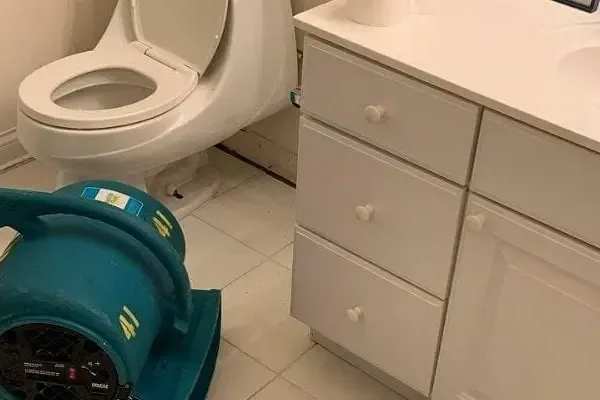 Toilet Overflow CleanupToilet overflow cleanup distinguishes a clean supply release from bowl water or wastewater. The team controls the affected area and makes material decisions based on what escaped, what it touched and where it travelled.
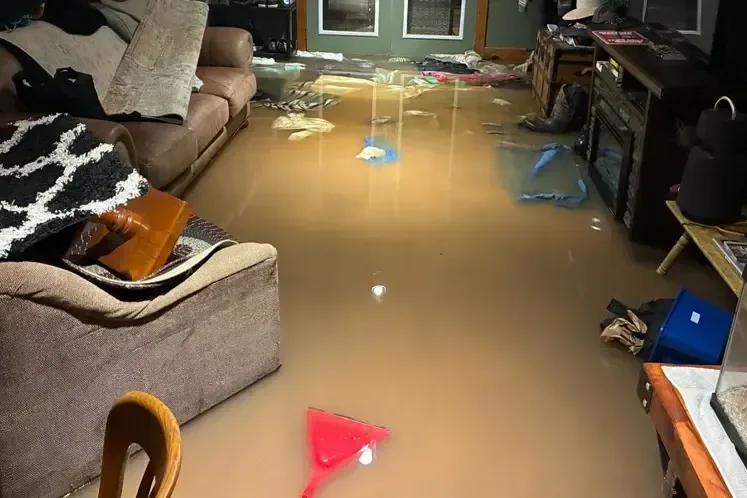 Storm Flood CleanupStorm flood cleanup addresses water that enters from outside at doors, lower openings or other access points. The crew treats the affected space as contaminated and plans removal, cleaning and drying around safe entry.
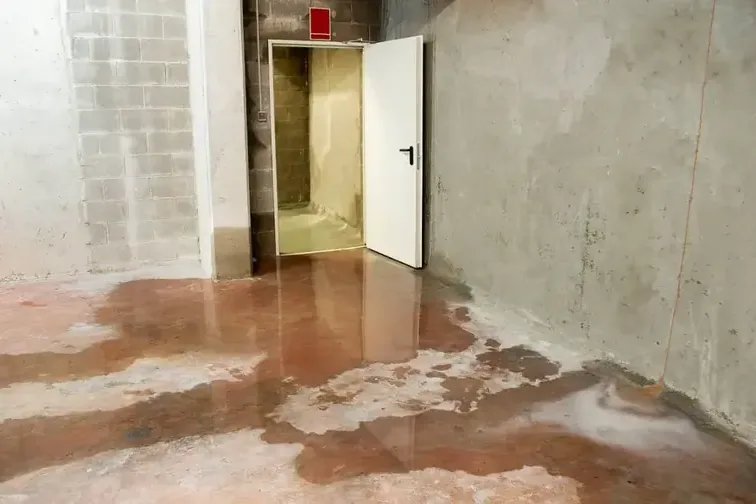 Basement Flooding CleanupBasement cleanup addresses accumulated water and wet materials below the occupied floors above. The source may be plumbing, outside entry or wastewater, and that distinction controls extraction, cleaning and porous-material decisions.
Sewage backup cleanup in Caldwell, NJ
Coverage includes Bloomfield Avenue, Espy Road and Brookside Avenue, with ZIP codes 07006 and 07007. Describe the entry route and affected rooms when requesting a walkthrough.
See the coverage detailsSewage Backup Cleanup questions
Is sewage always Category 3?
Yes. A sewage backup introduces gross contamination and needs Category 3 handling from the start. The contractor controls access, uses appropriate protection and evaluates contaminated porous materials for removal before drying the remaining structure.
Can contaminated drywall be dried in place?
Drywall exposed to sewage generally requires removal. The crew follows the actual contamination and wicking boundary above the visible waterline. The exposed cavity then needs cleaning and drying before replacement finishes can conceal it.
Does clearing the drain solve the damage?
It stops or corrects the source condition, but it does not remove sewage from building materials. Restoration covers the escaped wastewater, contaminated finishes and retained moisture. Confirm the plumbing and cleanup scopes separately so both parts receive attention.
Can bleach replace professional cleanup?
A surface chemical does not remove contaminated porous layers or establish safe access. The cleanup process includes extraction, physical cleaning, appropriate material removal and label-directed treatment. Mixing household chemicals creates additional hazards and should be avoided.
When can drying fans operate?
Controlled drying follows removal and cleaning of the contaminated area. Running fans over sewage can spread contamination through occupied rooms. The contractor determines the equipment arrangement after establishing the work boundary and preparing the remaining structure.
Does odor removal mean the room is restored?
No. Odor is not a reliable measure of cleanliness or moisture. The team documents material removal, surface treatment and drying checks. Concealed wet layers can remain after the obvious smell disappears, so the assessment must go beyond appearance and odor.
What should be kept for a claim?
Retain early photographs, plumbing findings, disposal records and the restoration scope. Product and drying records explain the cleanup sequence. The insurer decides whether a backup endorsement or other policy provision applies to the circumstances of the loss.
Move from sewage removal to a clean, dry structure
The contractor controls access, removes contaminated porous layers and verifies drying after cleaning. Emergency dispatch operates 24/7 for active wastewater losses.
(888) 471-9821Start the controlled cleanup discussionCaldwell Water Damage Restoration
Caldwell, NJ and nearby Essex County
(888) 471-9821 · open 24/7
Water and sewage losses only
Find us on Google