Appliance Leak Water Damage in Caldwell, NJ
A small appliance puddle can conceal a wet cabinet base or floor layer. The restoration crew traces inlet and drain water, extracts the spill and checks hidden drying paths. Dispatch operates 24/7.
(888) 471-9821Discuss water behind the appliance- Supply versus discharge checks
- Cabinet-base inspection
- Floor-layer moisture mapping
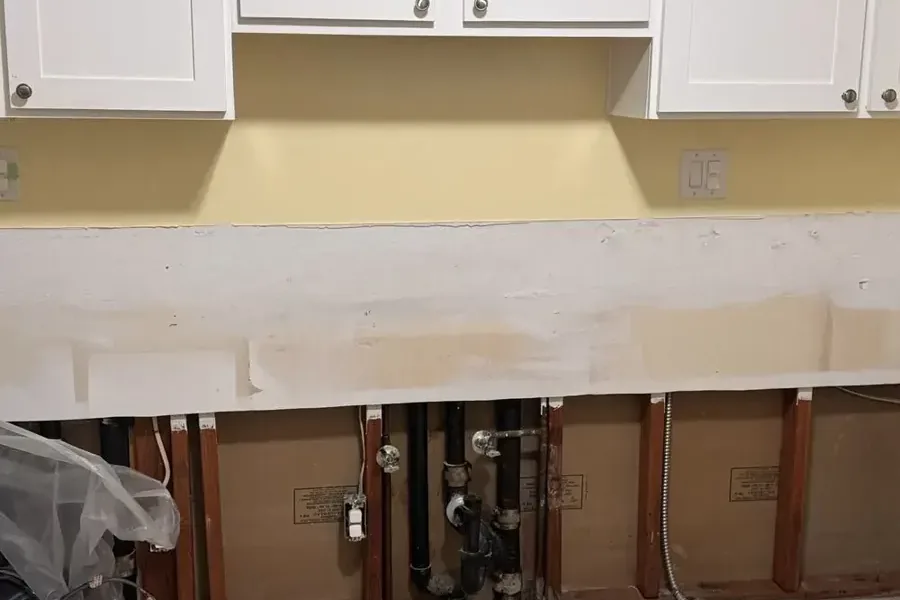
First steps for appliance leak water damage
- Stop using the appliance. Pause the machine without touching wet controls or plugs. Use a safe, accessible supply shutoff if appropriate, and leave electrical isolation to qualified help when the area is wet.
- Keep the machine in place. Do not pull a connected appliance through standing water. Hoses, drains and power cords can create additional hazards or release more water during unplanned movement.
- Record the water type. Note whether the spill occurred during filling, washing or draining. Photograph the visible puddle and nearby cabinet changes without reaching behind energized or unstable equipment.
- Identify connected finishes. Tell the contractor about continuous flooring, built-in cabinets and rooms below the appliance. Those connections help define where hidden moisture checks should extend beyond the visible spill.
How appliance leak water damage is handled
Review the appliance source
The technician distinguishes supply water from discharge and coordinates safe equipment access. Repair findings establish the fault while the restoration survey records the materials affected by the release. The source record includes the cycle or connection associated with the observed water release. Connection findings remain available when the machine returns to its normal position.
Extract around the machine
The crew removes accessible water and checks cabinet edges, thresholds and adjoining surfaces. Safe appliance movement can expose areas that the first inspection could not reach. The technician inspects behind the moved appliance before its position conceals the connection area again.
Expose retained moisture
The contractor selects access points and removes unsalvageable layers where needed. The plan accounts for contamination and the ability of the remaining assembly to release moisture. Cabinet construction and floor continuity inform the plan for reaching the remaining wet edges.
What does appliance leak water damage cost in Caldwell, NJ?
Appliance leak mitigation typically ranges from $700 to $4,800, excluding equipment repair and replacement cabinetry. Used-water contamination, concealed cabinet spaces and layered floors increase the scope. The contractor checks the full wet footprint before setting removal and drying costs.
For a closer planning number, run the water damage cost calculator. The restoration contractor who responds sets the real scope after the walkthrough and the moisture map.
Appliance Leak Water Damage restoration sequence
- 01
Review the appliance source
The technician distinguishes supply water from discharge and coordinates safe equipment access. Repair findings establish the fault while the restoration survey records the materials affected by the release. The source record includes the cycle or connection associated with the observed water release. Connection findings remain available when the machine returns to its normal position.
- 02
Extract around the machine
The crew removes accessible water and checks cabinet edges, thresholds and adjoining surfaces. Safe appliance movement can expose areas that the first inspection could not reach. The technician inspects behind the moved appliance before its position conceals the connection area again.
- 03
Expose retained moisture
The contractor selects access points and removes unsalvageable layers where needed. The plan accounts for contamination and the ability of the remaining assembly to release moisture. Cabinet construction and floor continuity inform the plan for reaching the remaining wet edges.
- 04
Document the room recovery
Daily readings track the substrate and neighboring finishes while dehumidification manages the room air. The contractor verifies readiness before the repaired appliance or new cabinetry conceals the work area. The final check includes the previously hidden footprint as well as the open room surface.
Water can run behind a dishwasher or washing machine long before it reaches the open floor. The visible puddle may be the last part of the route. The contractor checks connections and adjacent materials and identifies the appliance or connection responsible for the release.
Identify what kind of water escaped
At a Bloomfield Avenue property, a fresh supply connection and a used-water drain spill call for different cleaning decisions. The technician records the source and what the water contacted. The appliance repair addresses the fault; restoration covers the surrounding finishes and the materials beneath them.
A municipal water interruption on Espy Road is a separate event from an indoor appliance release. The assessment relies on the observed hose, connection or drain condition at the property. Keep repair findings rather than attributing the leak to a utility event after inspection.
Inspect built-ins and layered floors
- Check toe kicks and cabinet bases for swelling or retained water.
- Compare flooring in front of the machine with accessible areas beneath it.
- Inspect the next room when the same floor covering crosses the doorway.
- Document appliance movement and any newly exposed wet materials.
- Separate contaminated pad or backing from intact salvageable finishes.
For a Brookside Avenue home, the actual floor assembly guides access. A wood finish, resilient covering and bare concrete respond differently to a trapped spill. Technicians identify the substrate before deciding whether drying can proceed through existing openings.
Restore the room after the machine is repaired
Room dehumidification helps only when moisture has a path out of the affected layers. The crew may need to expose a toe kick or remove damaged material before the equipment can dry the assembly effectively. Daily readings reveal whether concealed edges are improving.
The hardwood-floor assessment considers movement and salvage, and water extraction removes accessible liquid first. Keep appliance-service records, cabinet photographs and final substrate measurements with the restoration scope. Reinstalling a machine should not conceal an unfinished dry-out or prevent access to a wet connection area.
Safety planning starts with Ready.gov flood precautions; household water-use checks appear at EPA WaterSense.
Related water damage services
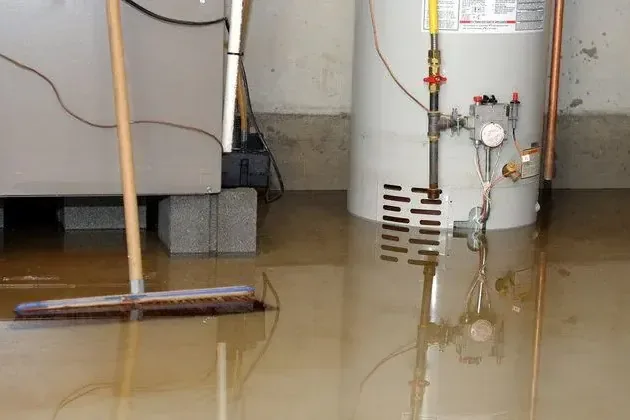 Water Heater Leak CleanupWater heater cleanup removes escaped water and dries the surrounding building materials. A qualified equipment professional addresses the heater and its energy supply; the restoration contractor handles wet floors, walls and adjoining spaces.
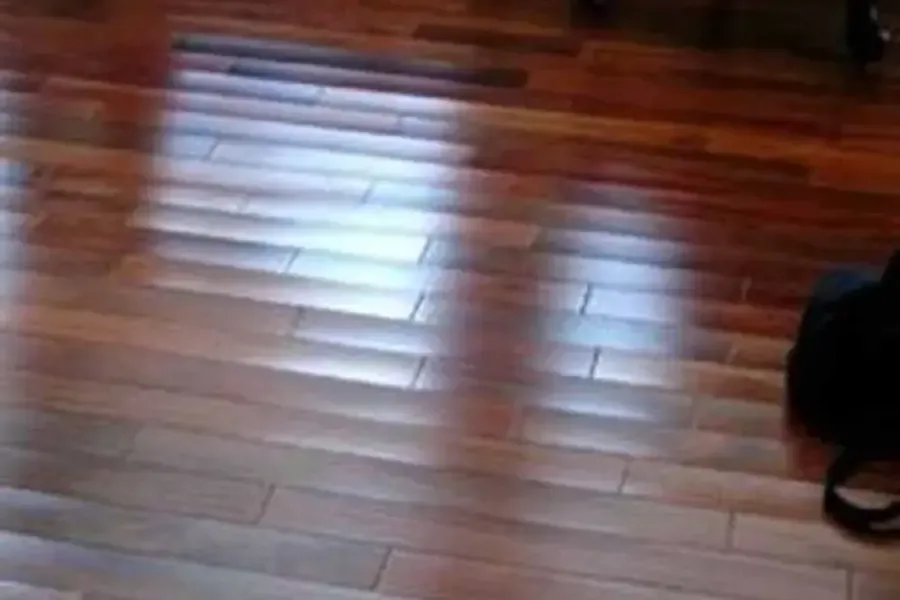 Hardwood Floor Water DamageHardwood restoration evaluates moisture across the floor assembly, including board surfaces, backing and subfloor access. Salvage depends on contamination, attachment, distortion and whether the affected layers can dry without leaving concealed moisture.
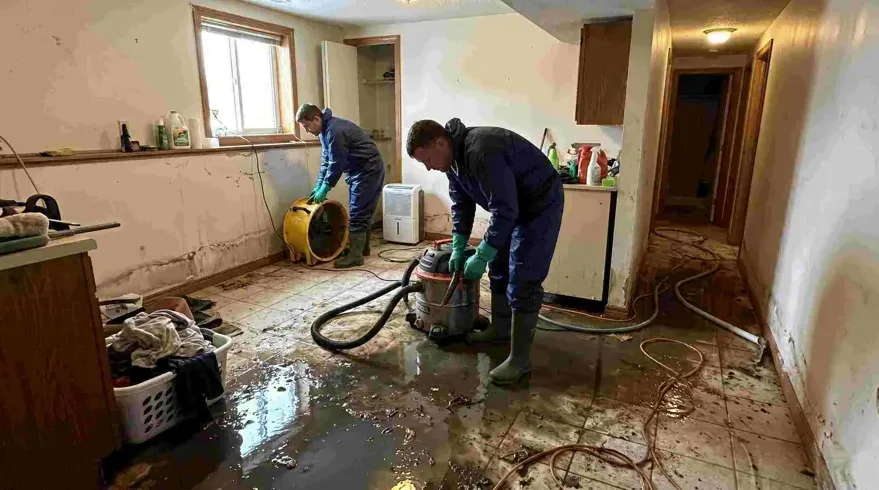 Water ExtractionExtraction removes liquid water before dehumidifiers manage the moisture left in materials. Crews choose pumps, wands and vacuum tools around water depth, contamination and the surfaces that need protection.
Appliance leak water damage in Caldwell, NJ
Coverage includes Bloomfield Avenue, Espy Road and Brookside Avenue, with ZIP codes 07006 and 07007. Describe the entry route and affected rooms when requesting a walkthrough.
See the coverage detailsAppliance Leak Water Damage questions
Is a dishwasher spill the same as a supply leak?
No. A fresh inlet leak and used discharge water can require different handling. The restoration team identifies the source and exposure before choosing cleaning and material removal methods. The crew checks what escaped and what it contacted.
Can water stay beneath a cabinet?
Yes. Toe kicks and enclosed bases can hide moisture after the open floor appears dry. The technician checks accessible edges and may need selective opening. Drying equipment works best when the wet assembly has an effective evaporation path.
Should the appliance be pulled out immediately?
Only after safe access and connections are addressed. Pulling a connected machine can damage hoses, strain a cord or spread water. Coordinate movement with the appliance or plumbing professional so the newly exposed area can be inspected and dried.
Why does the next room need checking?
A continuous floor covering or doorway seam can carry water beyond the appliance room. The crew compares moisture on both sides and follows the actual boundary. A small puddle beside the machine can hide a wider wet substrate.
Can swollen cabinet material be saved?
Material type and condition matter. Some finishes recover after drying, while swollen composite panels or damaged adhesives may need replacement. The contractor records the condition and explains salvage decisions rather than assuming every cabinet can return to its original shape.
Does turning the machine off stop all water?
Not always. A pressurized supply connection can continue leaking while the machine is idle. A safe shutoff and source inspection establish whether the release has stopped. The restoration assessment also checks for water already trapped beneath the appliance.
What confirms the dry-out is finished?
The team compares affected layers with suitable dry references and relevant installation requirements. Final readings cover the concealed connection area and neighboring finishes. Equipment removal follows those results rather than the machine repair date alone.
Finish the room restoration after the appliance repair
The mitigation team checks hidden bases and floor layers, then records drying progress before the work area closes. Emergency dispatch operates 24/7.
(888) 471-9821Start with the hidden wet edgesCaldwell Water Damage Restoration
Caldwell, NJ and nearby Essex County
(888) 471-9821 · open 24/7
Water and sewage losses only
Find us on Google