North Caldwell Water Damage Restoration
A wet room needs a clear starting point. Identify the source, protect the route through the home, and check where water traveled before choosing removal, cleaning and drying work.
(888) 471-9821Discuss this property's water damage- Source assessment
- Material moisture checks
- Written cleanup scope
Safe access comes first when standing water reaches electrical equipment, soft ceilings or rooms affected by sewage.
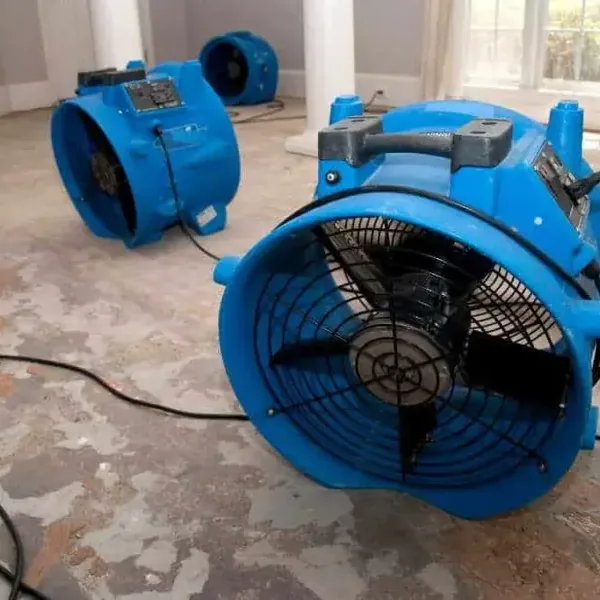
Keep the next action simple and safe
- Avoid wet electricityStay outside rooms where water contacts outlets, cords or electrical equipment. Qualified assistance should establish a safe entry route.
- Stop the source safelyAn accessible shutoff may limit a plumbing release. Leave unsafe valves, hot equipment and uncertain electrical conditions to qualified help.
- Protect household accessKeep children and pets outside affected spaces. Do not carry wet possessions across clean flooring or occupied rooms.
- Record visible changesPhotograph water marks and damaged belongings from a dry position. Keep notes about the discovery and any safe source shutoff.
- Describe the affected roomsReport the source, water depth and damaged materials during the call. Mention blocked entrances or concerns about overhead finishes.
Cleanup organized around the way water entered
A bathroom overflow, rain entry and a broken supply pipe leave different cleanup problems. Select the service that best matches the source and affected materials.
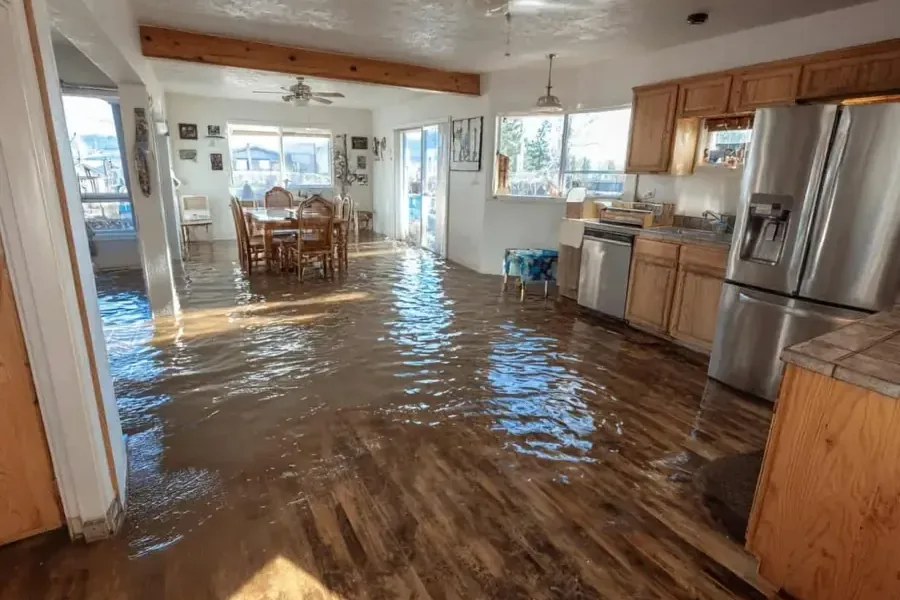
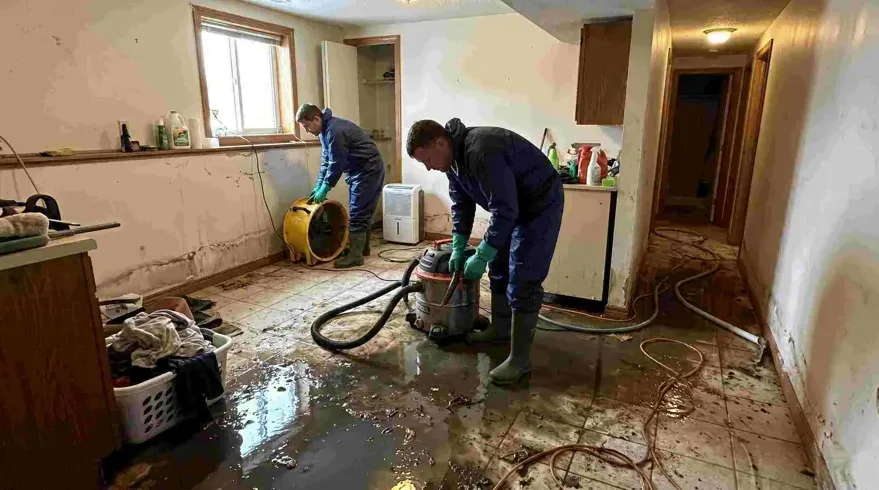 Water ExtractionStanding water removal starts with safe equipment access and continues into edges where flooring and wall bases retain moisture.
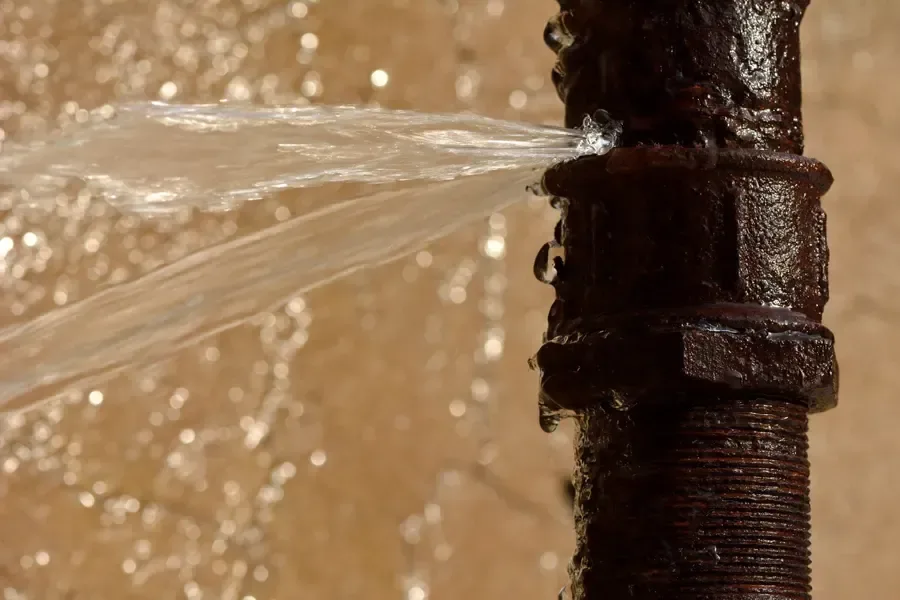 Burst Pipe Water DamageA broken supply pipe can wet connected rooms. Shutoff, plumbing access and moisture mapping keep the cleanup scope clear.
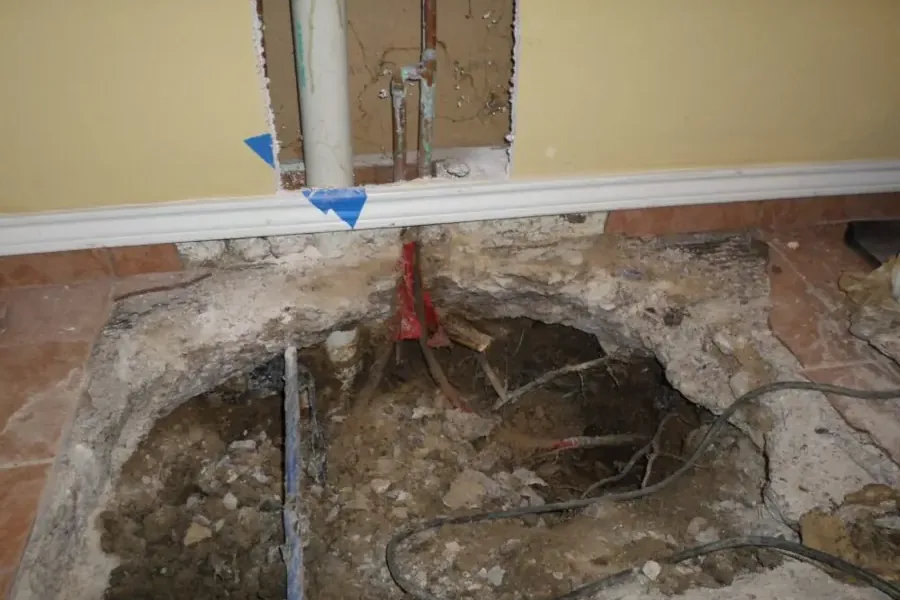 Slab Leak Water DamageWater beneath a concrete floor requires leak location and an assessment of finishes before decisions about opening the assembly.
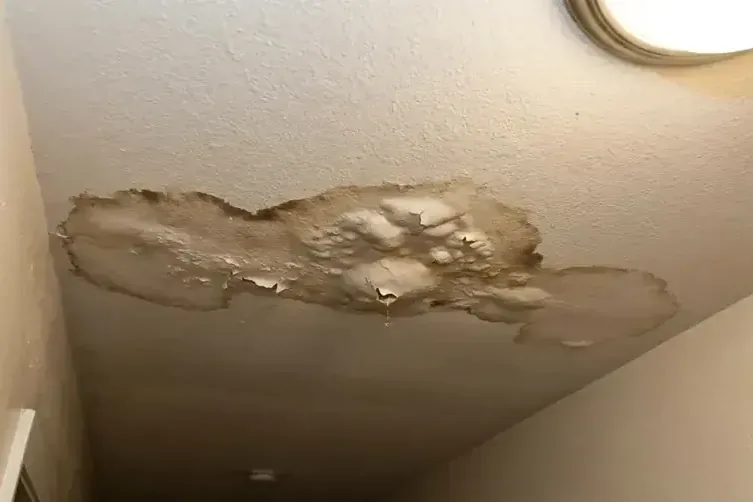 Ceiling Leak Water DamageAn overhead stain calls for checking the space above, securing loose finishes and drying the wet ceiling assembly.
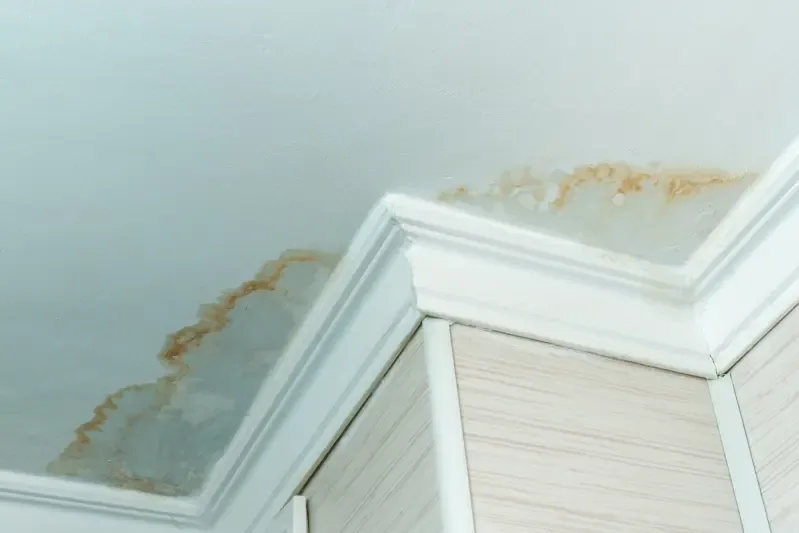 Roof Leak Water DamageInterior rain damage needs roof repair coordination, attic inspection and attention to insulation that holds water against framing.
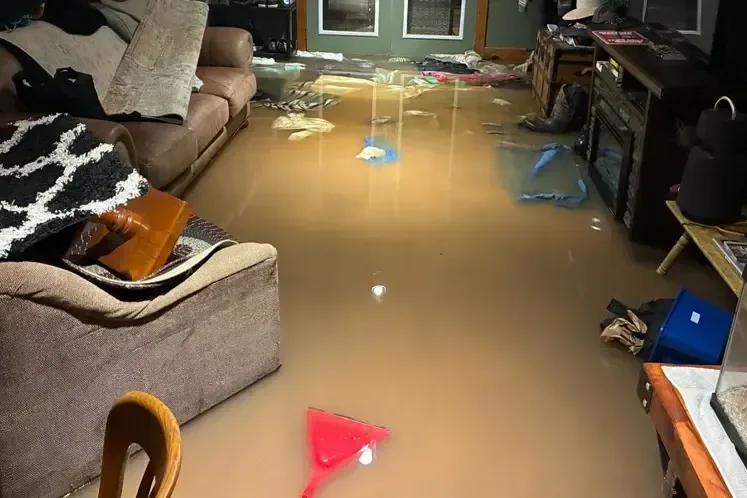 Storm Flood CleanupWater arriving from outdoors brings cleanup decisions about contamination, absorbent belongings and the route it followed into the building.
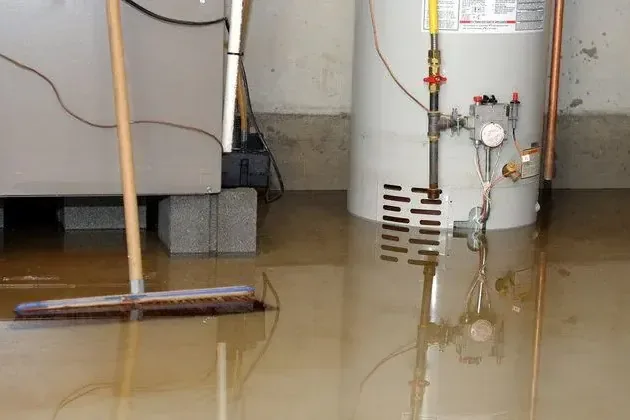 Water Heater Leak CleanupA leaking tank can soak utility storage and adjoining walls. Separate equipment repair from restoring the surrounding room.
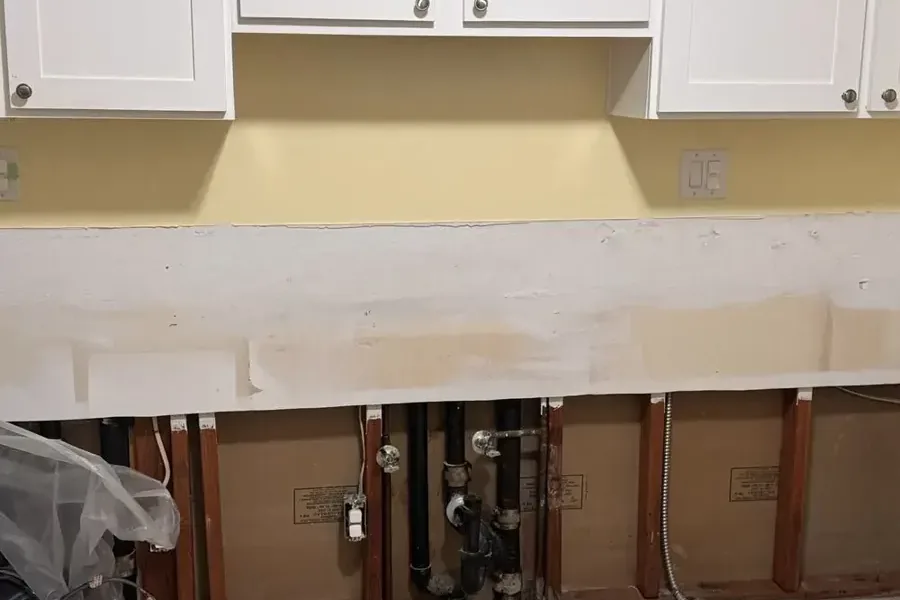 Appliance Leak Water DamageHidden appliance leaks call for access beneath machines, behind cabinets and across floor layers that a surface wipe misses.
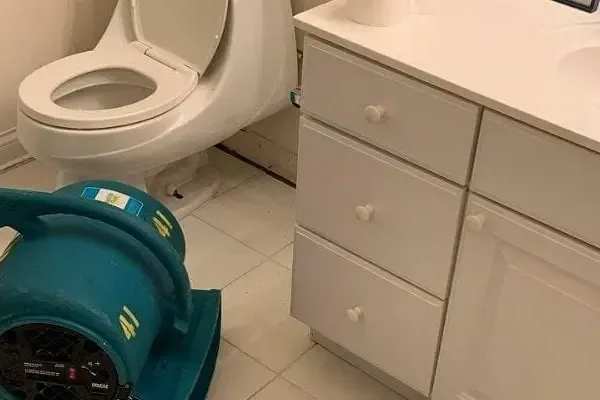 Toilet Overflow CleanupThe origin of toilet water determines containment and cleaning, especially when a spill passes the bathroom threshold into carpet.
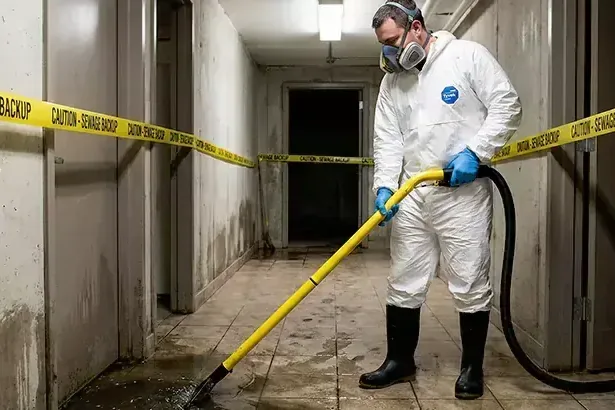 Sewage Backup CleanupWastewater cleanup isolates contaminated spaces and assesses porous materials before washing, drying and returning rooms to normal use.
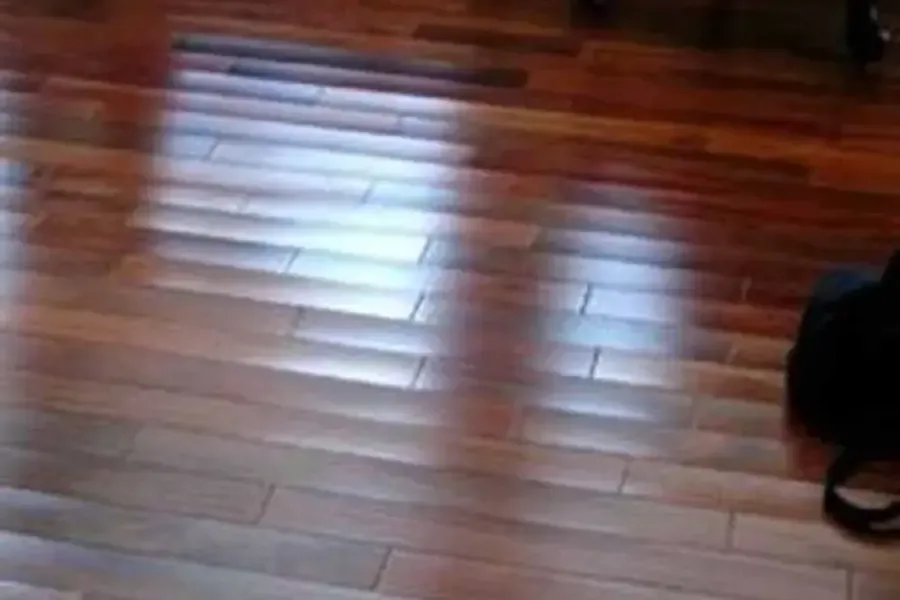 Hardwood Floor Water DamageSwollen boards need measured assessment of wood and subfloor moisture before sanding, fastening or replacement decisions are made.
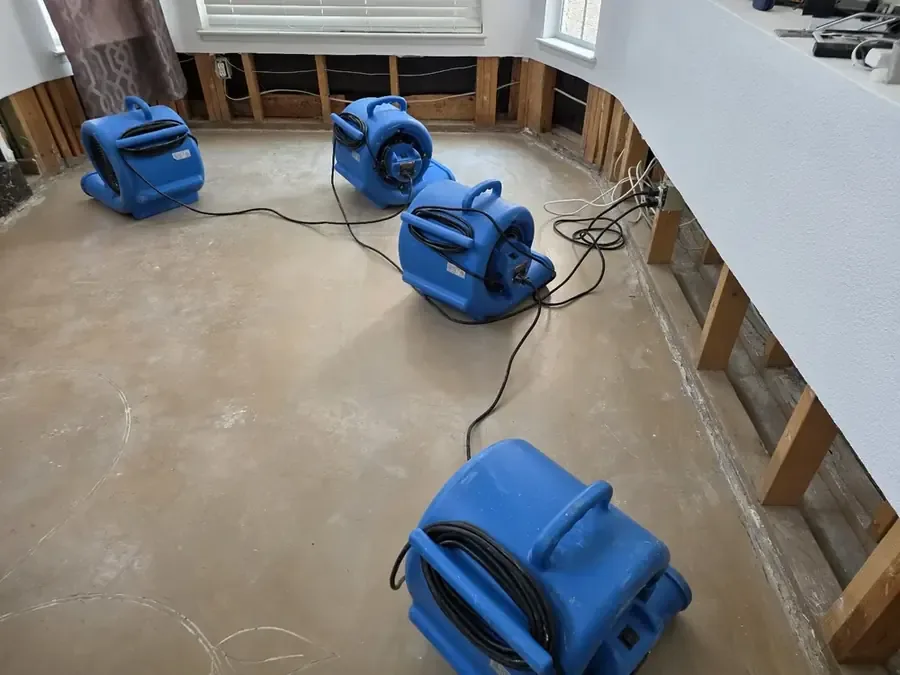 Structural DryingWet framing and enclosed assemblies need controlled airflow, humidity management and repeated readings that show material progress.
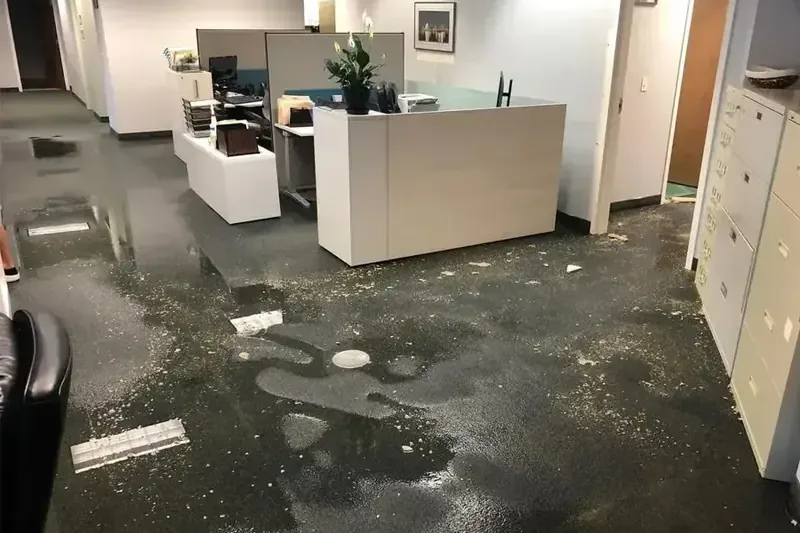 Commercial Water DamageBusiness cleanup coordinates tenant access, equipment placement and protection of unaffected work areas while damaged materials are assessed.
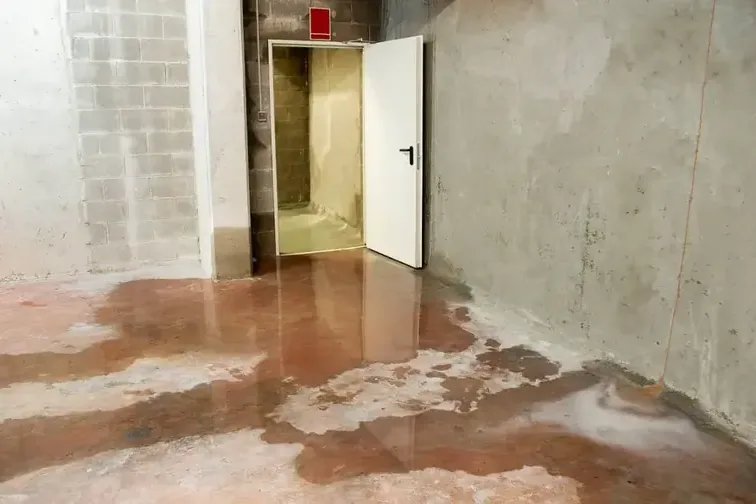 Basement Flooding CleanupLower-level water requires a safe entry decision, source control and an extraction approach suited to the actual basement.
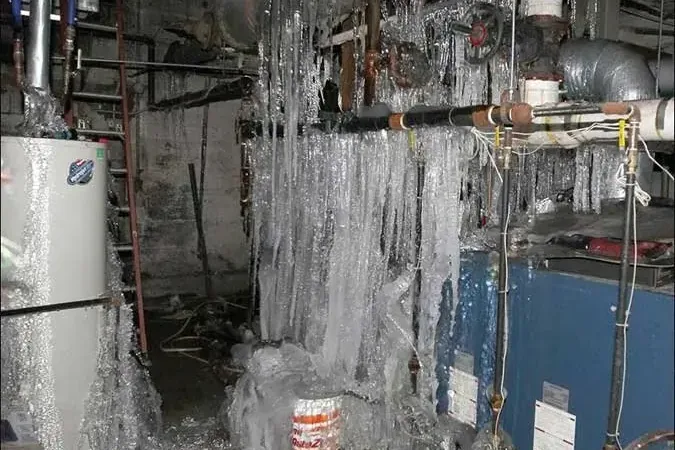 Frozen Pipe Water DamageDamage after a frozen pipe thaws can extend behind walls, requiring plumbing isolation and checks beyond the visible puddle.
Look beyond the first visible stain
A useful assessment follows the water into adjoining materials, explains access needs and separates cleanup from the repair that stops the leak.
- 01
Identify the water path
Examine the origin and downstream rooms, including changes in flooring or wall construction where water can collect out of sight.
- 02
Remove accessible water
Choose extraction equipment for the surface and access route, then check wet contents and porous materials for appropriate handling or removal.
- 03
Manage the indoor environment
Place drying equipment around exposed materials and check room conditions. Keep equipment routes clear while readings determine the next adjustment.
- 04
Confirm the repair handoff
Record the condition of retained materials and explain any outstanding repair tasks before the area receives replacement flooring, insulation or wall finishes.
A drying plan tied to the building
Restoration begins with the actual source and materials. The plan should explain the removal boundary, cleaning method, equipment placement and final moisture checks in language a homeowner can use when planning repairs.
- Assess conditions
- Control moisture
- Document results
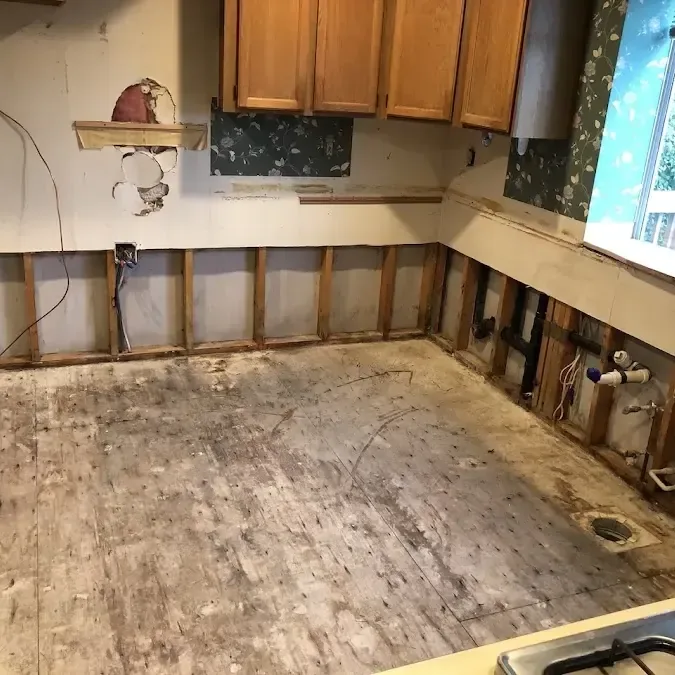
Mapped wet edges
Testing should extend beyond the puddle into trim, adjoining walls and layered floors so concealed moisture becomes part of the written work scope.
Clear material decisions
The explanation for keeping or removing a finish should address its condition, water exposure and access for drying, with photographs supporting the decision.
Measured drying progress
A room can look better while its framing remains wet. Repeated readings connect equipment adjustments to the materials that still need attention.
Repair coordination
Plumbing, roofing and reconstruction can involve separate tasks. Identifying those handoffs helps prevent new finishes from concealing an unresolved leak or wet assembly.
Water condition matters as much as depth
Supply water
Water escaping a supply pipe needs prompt removal and source repair. Contact with building materials and elapsed exposure also affect cleanup decisions.
Assess a pipe releaseUsed appliance water
An appliance discharge can carry detergent and debris into floor seams. Identify the cycle and source before choosing the cleaning approach.
Check the appliance spillSewage and wastewater
Wastewater requires controlled access and contaminated-material assessment. Household traffic should stay outside the affected rooms while containment and cleaning are arranged.
Separate contaminated roomsWhat changes water damage costs in North Caldwell?
Planning ranges depend on the wet area, material layers and water condition. A small accessible release differs from damage behind finishes or across several rooms. An assessment should separate cleanup, equipment use and repair allowances before approval.
These amounts support initial planning. The written scope should identify what is included, how equipment is charged and which plumbing, roof or rebuilding tasks require separate arrangements.
Document the loss while planning cleanup
Photographs, discovery notes and itemized work records help explain the damage. Coverage decisions belong to the insurer and depend on the policy and circumstances of the loss.
- Photograph wet rooms from a safe position
- Record when the leak was first discovered
- Keep plumbing or roof repair paperwork together
- List damaged belongings before authorized disposal
- Retain cleanup estimates and final moisture records
When paying directly
A homeowner paying directly can request a staged scope that identifies urgent removal and drying first, followed by repair choices once the material condition is understood.
Ask how changes are documented if hidden wetting appears during access work. A clear allowance for additional inspection helps keep later decisions tied to visible conditions and measured findings.
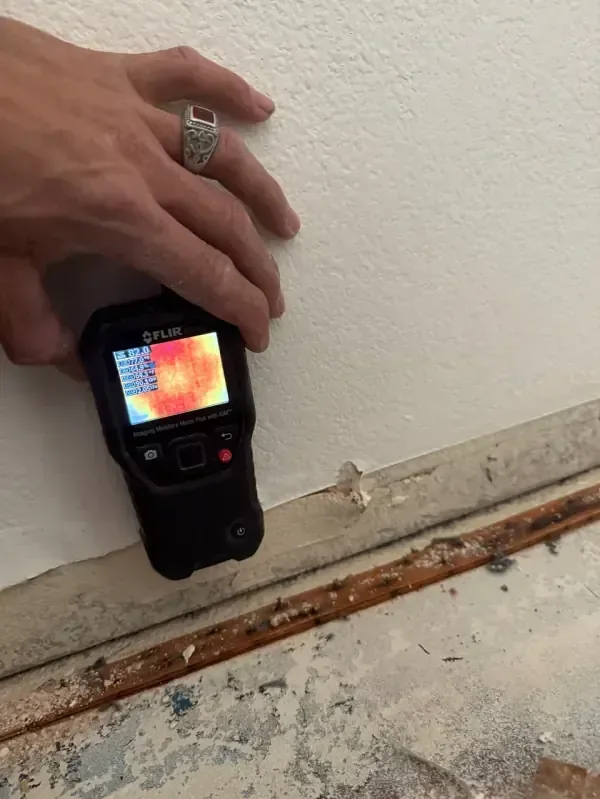
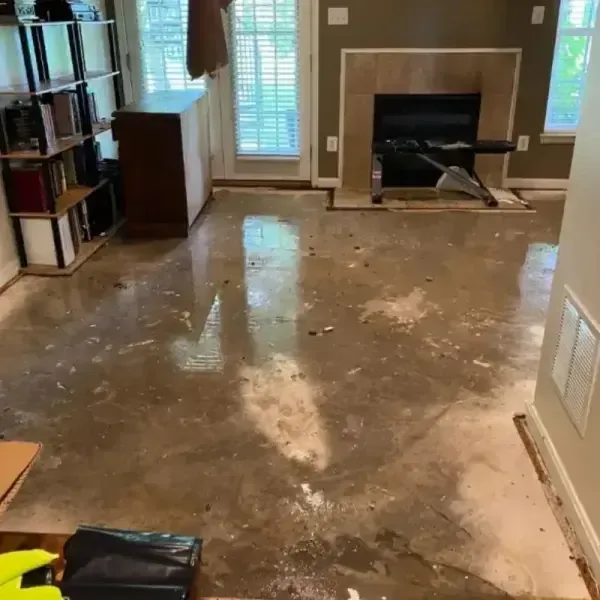
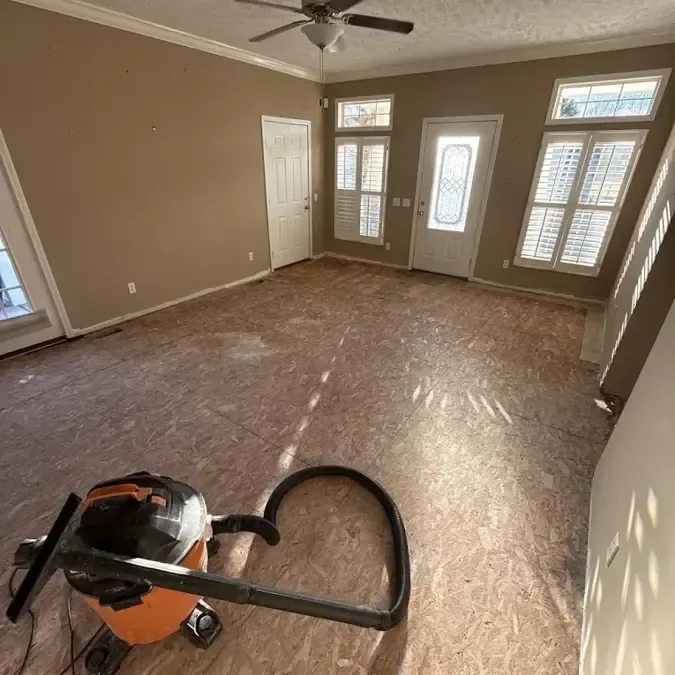
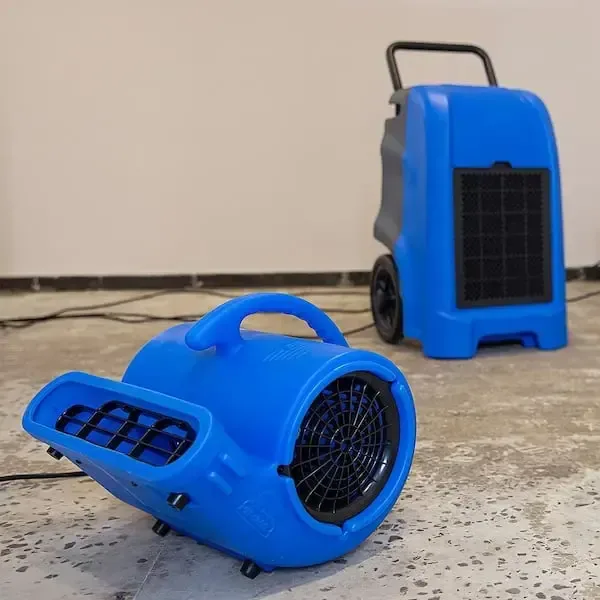
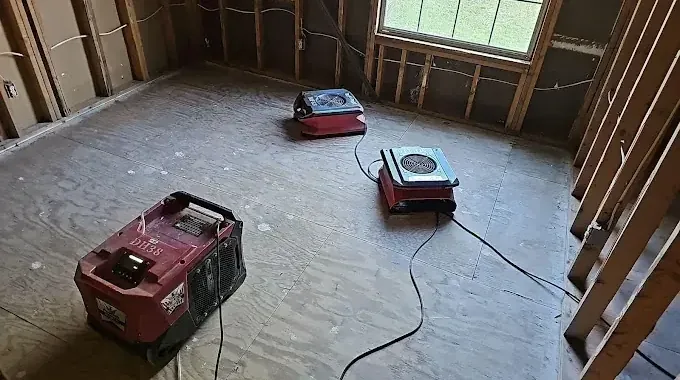
Water removal and the spaces that need drying
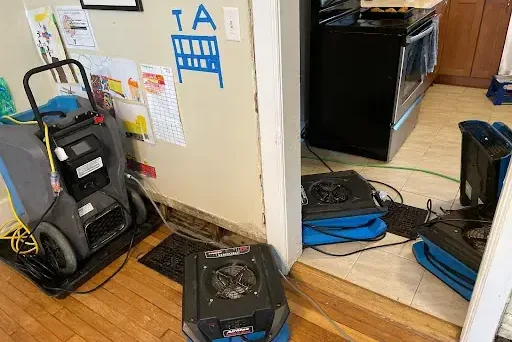
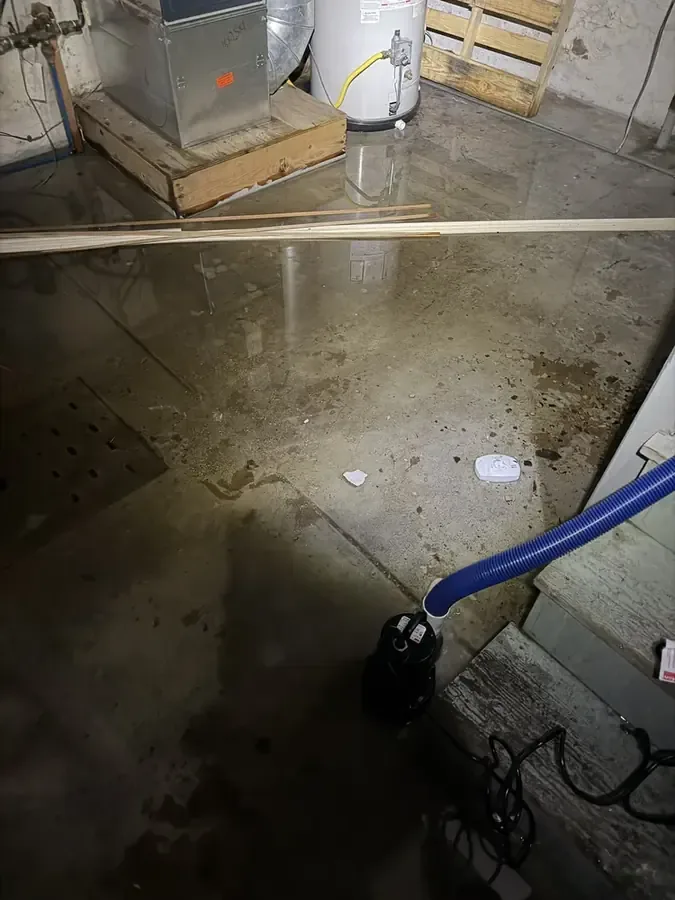
Water cleanup across North Caldwell
Roads and local landmarks
Gould Avenue, Mountain Avenue, East Greenbrook Road, Courtier Road
Postal coverage
07006
Nearby communities
Describe the entrance before equipment arrives
The borough describes its roads as hilly and wooded. A call should include entrance details, stair access and a dry location where cleanup equipment can be brought inside.
Gould School, Liberty Park and Mountain Avenue Field provide useful location references. The affected room and its access route determine the practical plan for the property.
(888) 471-9821Explain the property's accessPlan before you call
Nearby service areas
Water damage questions in detail
Woodland Park Basement Water After Repeated Storms
Woodland Park basement flooding: record returning water, assess sump access, separate extraction from drying and check hidden materials after repeated storms.
Totowa Sewage Backups and Returning Drain Water
Totowa sewage backups need drain source checks and controlled cleanup. Record returning water, restrict affected rooms and coordinate plumbing and drying work.
North Caldwell Laundry Leaks After Water Flushing
North Caldwell laundry leaks: separate flushing notices from water on the floor, inspect washer connections and trace moisture beneath cabinets and wall edges.
Check the building and the entry route
Single-family homes dominate borough land use, alongside two townhouse locations. Each property needs its own assessment of plumbing access, drainage and the materials affected by water.
- 1Hilly access. Wooded, hilly roads make entrance details useful for equipment access. Describe stairs and a safe unloading position during the call.
- 2Exterior drainage. The borough publishes a stormwater management plan. At the property, inspect the actual route of outdoor water before selecting interior cleanup measures.
- 3Concealed room connections. Water can pass beneath thresholds and along wall bases. Check adjoining spaces when their surfaces appear less affected than the original room.
- 4Shared building access. Townhouse cleanup may require coordination for adjoining spaces and service access. Establish the building contact before opening finishes around shared construction.
- 5Repair permits. The Building Department issues permits for structural repairs and remodeling. Confirm requirements for the proposed repair work before closing opened walls or floors.
August 12, 2025: The borough posted water-main improvements for East Greenbrook Road and Mountain Place. Municipal work and an indoor leak require separate source checks.
Questions after finding water
What information helps during the first call?
Identify the affected room, the suspected source and whether water is still moving. Mention any ceiling movement, sewage or electrical contact. Access details matter too, particularly when equipment must pass through stairs, narrow entries or occupied rooms.
Does the whole home need drying equipment?
Equipment placement follows the moisture assessment. A contained spill may leave a limited wet assembly, while water under flooring can connect several spaces. Readings and inspection should establish the boundary before equipment is distributed through the building.
Can household fans handle the cleanup?
Fans alone cannot remove standing water or show whether enclosed materials are wet. Water condition also matters before air movement begins. An assessment should determine what needs extraction, what requires cleaning and which retained materials can be dried.
Should wet belongings be discarded immediately?
Keep people clear of unsafe or contaminated items. Photograph belongings when access permits and discuss salvage or disposal before moving them. Handling depends on the material, exposure and water condition, with separate records for items that cannot be retained.
Who handles an active plumbing failure?
A plumber addresses the pipe or fixture problem while restoration addresses the escaped water and affected building materials. The work should be coordinated so a repaired supply does not conceal wet walls, flooring or insulation behind finished surfaces.
Will a dry floor mean cleanup is complete?
Surface dryness is only part of the assessment. Underlayment, framing and wall bottoms can retain moisture after a floor looks normal. Completion should be supported by readings at the affected materials and a clear account of remaining repair work.
How are public water concerns handled?
The North Caldwell Water Department maintains the distribution system. Borough water or sewer questions belong with the appropriate municipal department, while water inside a building needs a property assessment to locate the release and address the resulting damage.
Can a homeowner stay during restoration?
Occupancy depends on safe access, water contamination, utilities and the extent of opened materials. The work plan should identify restricted rooms and equipment routes. Conditions may require changes as cleanup exposes additional wet areas or repair access needs.
When can replacement finishes be installed?
The source should be controlled and retained materials checked before rebuilding begins. A documented drying handoff helps the repair contractor understand the opened areas and any outstanding work. New finishes should follow assessment of the assembly they will cover.
Make a clear plan for the wet room
Explain the source, affected materials and access concerns so the next conversation can focus on removal, cleaning and measured drying at the property.
(888) 471-9821Start a property cleanup conversationCaldwell Water Damage Restoration
Caldwell, NJ and nearby Essex County
(888) 471-9821 · open 24/7
Water and sewage losses only
Find us on Google