Water Extraction in North Caldwell
A puddle shows where water collected, not every material it reached. Extraction removes accessible water while checks along thresholds and wall bases establish what needs cleaning, opening or further drying.
(888) 471-9821Plan removal from the wet room- Accessible water removal
- Wet edge checks
- Drying handoff
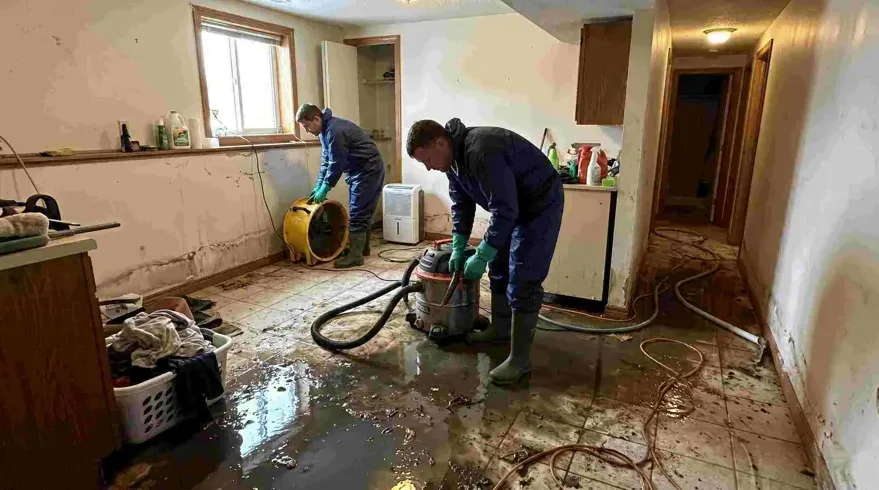
First steps for water extraction
- Keep entry dry. Household members should stay on a dry route and avoid equipment or outlets near water. Report any electrical contact before an attempt to enter the room.
- Limit continued release. An accessible source shutoff can reduce further spread when it is safe to operate. Uncertain plumbing or electrical conditions require qualified assistance before recovery work proceeds.
- Record the water boundary. Photograph the visible pool and room transitions from a safe position. Describe which spaces connect to the wet room and whether water continues to appear.
- Prepare a clear route. Identify steps, narrow doorways and items blocking the entrance. Leave wet or heavy contents in place until their handling can be included in the extraction plan.
How water extraction is handled
Define the removal boundary
The assessment begins with the source, water condition and safe approach to the affected space. Room transitions and accessible material edges are checked so the planned extraction boundary reflects where water traveled. Photographs establish the visible condition before equipment changes the scene.
Recover accessible liquid
Removal equipment is selected for the volume, surface and available route. Recovery should avoid unnecessary damage to retained finishes and keep hoses organized. As the water recedes, newly exposed materials are checked for debris, separation or wetting that requires additional access.
Assess what stays wet
The remaining moisture assessment addresses wall bottoms, floor layers and adjoining rooms. Material condition and contamination determine the next cleaning or removal decisions. A dry-looking surface should not be the sole reason to leave an absorbent layer closed beneath the finished floor.
What does water extraction cost in North Caldwell, NJ?
Water extraction in North Caldwell is planned around depth, access and the affected surfaces. The ranges below cover different removal scopes; concealed material wetting and the drying needed afterward should be identified separately in the written estimate.
For a closer planning number, run the water damage cost calculator. The restoration contractor who responds sets the real scope after the walkthrough and the moisture map.
Water Extraction restoration sequence
- 01
Define the removal boundary
The assessment begins with the source, water condition and safe approach to the affected space. Room transitions and accessible material edges are checked so the planned extraction boundary reflects where water traveled. Photographs establish the visible condition before equipment changes the scene.
- 02
Recover accessible liquid
Removal equipment is selected for the volume, surface and available route. Recovery should avoid unnecessary damage to retained finishes and keep hoses organized. As the water recedes, newly exposed materials are checked for debris, separation or wetting that requires additional access.
- 03
Assess what stays wet
The remaining moisture assessment addresses wall bottoms, floor layers and adjoining rooms. Material condition and contamination determine the next cleaning or removal decisions. A dry-looking surface should not be the sole reason to leave an absorbent layer closed beneath the finished floor.
- 04
Explain the next work
The handoff identifies completed extraction, retained materials needing drying and repairs needed to prevent another release. Equipment recommendations should follow those findings. Written notes let the homeowner distinguish liquid removal from the longer task of bringing wet building materials back to suitable conditions.
The first extraction decision concerns the route into the room. Standing water near electrical equipment, unstable finishes or contaminated belongings changes how the area can be entered. Once access is safe, removal can proceed without dragging wet hoses or contents through unaffected living spaces.
Follow the water past the visible pool
Single-family homes dominate North Caldwell land use. Inside any affected home, the important boundaries are the actual room connections: an open doorway, a floor transition or a wall base. A kitchen spill may disappear beneath a cabinet while a nearby hallway remains visibly dry.
Inspection should include those hidden edges. Removing liquid from the center of the room can reveal buckled flooring, loose trim or wet underlayment. These findings determine whether targeted access is needed before the drying equipment is selected.
Choose recovery methods for the materials
A hard surface and an absorbent floor covering need different handling. Water condition also changes whether a material can remain. The removal scope should identify retained finishes, items awaiting assessment and materials requiring controlled disposal.
- Check thresholds where water may have reached another floor assembly.
- Record wet wall bottoms before covering them with drying equipment.
- Protect the access route from hoses, debris and slippery transitions.
- Keep affected contents separate until their cleaning needs are assessed.
Connect removal to a drying decision
Gould Avenue, Mountain Avenue and Courtier Road help locate the property, while the room layout determines the work. Hilly, wooded borough roads make accurate entrance instructions useful when planning equipment movement and keeping the household path clear.
Extraction ends the accessible pool, but retained materials may still need controlled structural drying. The handoff should name those materials and record their condition. A homeowner can then see why equipment remains after the floor no longer holds visible water, and which readings will determine the next step.
Safety planning starts with Ready.gov flood precautions; household water-use checks appear at EPA WaterSense.
Related water damage services in North Caldwell
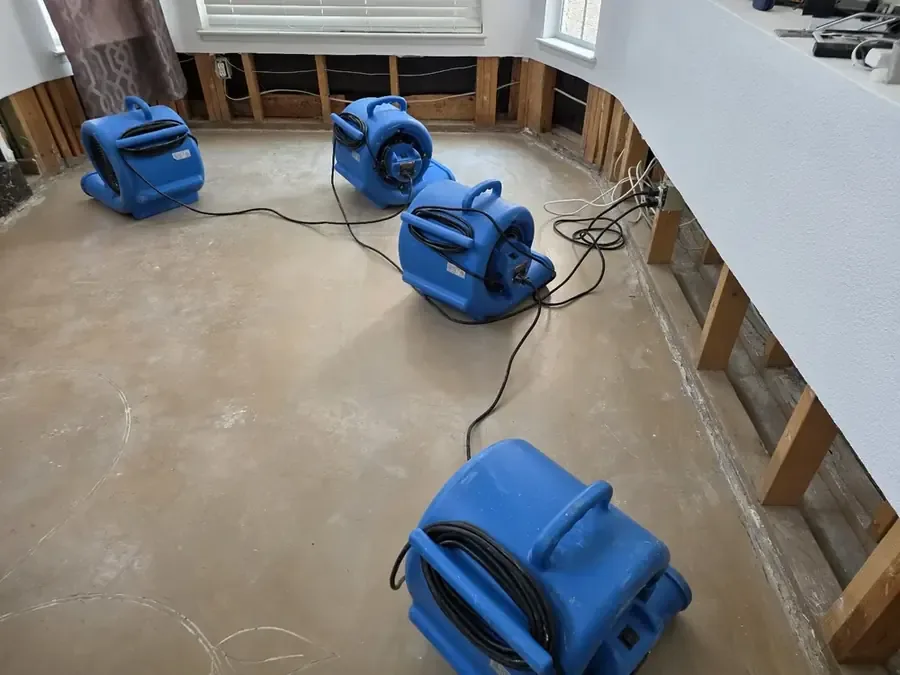 Structural Drying in North CaldwellStructural drying removes retained moisture from salvageable building materials after source control and extraction. Air movement, dehumidification and temperature management work together, with repeated measurements showing whether the affected assembly is responding.
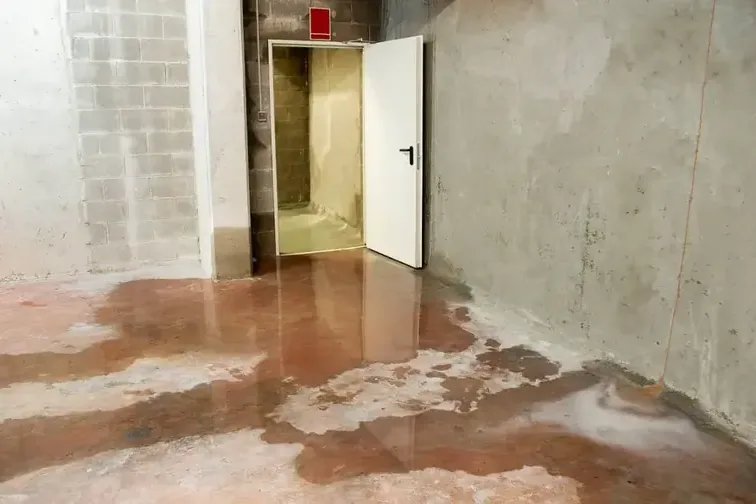 Basement Flooding Cleanup in North CaldwellBasement cleanup addresses accumulated water and wet materials below the occupied floors above. The source may be plumbing, outside entry or wastewater, and that distinction controls extraction, cleaning and porous-material decisions.
Water Extraction in CaldwellExtraction removes liquid water before dehumidifiers manage the moisture left in materials. Crews choose pumps, wands and vacuum tools around water depth, contamination and the surfaces that need protection.
Water extraction in North Caldwell, NJ
Service planning covers North Caldwell homes around Gould Avenue, Courtier Road and Mountain Avenue, with entrance details and affected floor levels established during the initial conversation.
The same service nearby: water extraction in Caldwell, Totowa, Woodland Park.
Water damage restoration in North Caldwell · every town coveredWater Extraction questions
Does extraction include drying the entire assembly?
Extraction removes recoverable liquid. Materials can remain wet beneath finishes after that work ends, so the scope should state whether cleaning, opening and drying are also included. Moisture checks identify the retained layers that need further attention.
Can a household vacuum remove the water?
A standard household vacuum should not be used on standing water. Electrical safety and water condition must be assessed first. Appropriate recovery equipment also needs a safe power arrangement and a plan for handling the removed water.
Is a shallow puddle always a small job?
Depth is one part of the assessment. A shallow release can travel beneath a wide area of flooring or enter wall bottoms. The material layers, affected boundaries and access needed to reach them matter alongside the visible amount of water.
Should furniture be moved before the visit?
Light dry items may be moved from an unaffected route when safe. Heavy, soaked or contaminated belongings need a handling plan. Dragging them across clean floors can extend the problem and make the original water boundary harder to document.
What if water returns after removal?
Returning water calls for another source check. A continuing plumbing release, exterior entry or trapped water from an adjoining assembly may need attention. Source control and material assessment should precede repeated extraction that leaves the underlying cause unresolved.
Why inspect a room beside the puddle?
Doorways and connected floor layers can carry water beyond the visible pool. Checking the next room helps locate that spread before finishes conceal it. The assessment should follow actual readings and construction details rather than assume every adjoining space is wet.
What records are useful after extraction?
Keep the initial photographs, the removal scope and the findings about remaining moisture. Notes should distinguish extracted water from materials still awaiting drying or removal. Those records help explain the condition when repair work is scheduled or an insurer requests documentation.
A clear route to a drier room
The first plan should connect water recovery with the materials that remain wet, making the next cleaning and drying decisions easier to understand.
(888) 471-9821Discuss the extraction scopeCaldwell Water Damage Restoration
Caldwell, NJ and nearby Essex County
(888) 471-9821 · open 24/7
Water and sewage losses only
Find us on Google