Water Extraction in Totowa
Water pooled across a room keeps feeding moisture into the surfaces it touches. Extraction in Totowa starts with safe access and follows the water into corners, thresholds and absorbent floor layers.
(888) 471-9821Discuss the pooling water- Safe equipment access
- Targeted water removal
- Floor moisture assessment
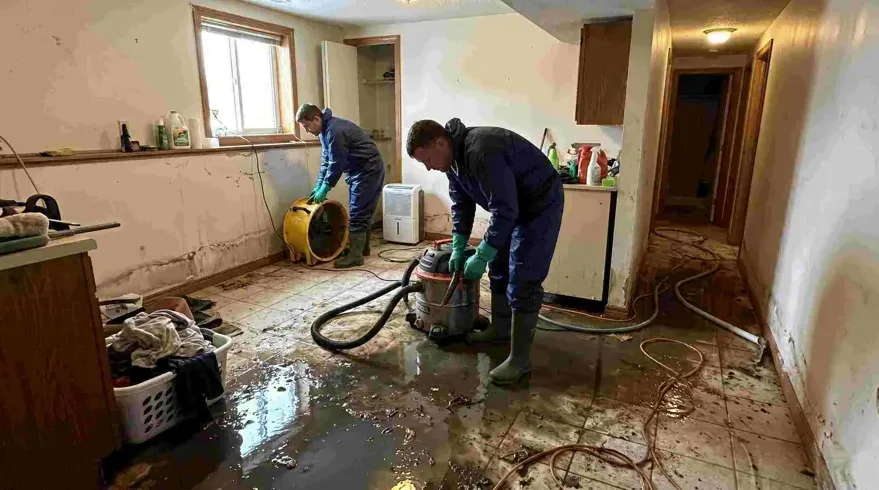
First steps for water extraction
- Keep clear of wet power. A property owner should remain outside any water that reaches outlets, appliances or electrical equipment until a qualified assessment establishes a safe route into the affected space.
- Limit further water entry. A reachable shutoff on dry ground can help with a supply release. Floodwater or an unknown source needs a different assessment before any equipment is positioned.
- Identify affected floor layers. The initial description should include carpet, hard flooring and adjoining wall edges, plus any closets or rooms where water may have continued beyond the visible pool.
- Preserve useful damage details. Photos taken from a safe position and notes about discovery help connect the removal work to the original conditions, especially once the standing water is no longer visible.
How water extraction is handled
Establish the extraction boundary
The assessment locates the source and separates safe work access from areas needing electrical or structural attention. Water condition influences handling, and the first moisture observations extend beyond the largest pool. The result is a defined removal area with a practical equipment route.
Remove accessible liquid
Pumping or extraction addresses the water that can be collected directly. Equipment is selected around floor surfaces, depth and debris. Work proceeds through the affected area with attention to low spots, corners and any obstacle that leaves water trapped after the main pool disappears.
Reassess the exposed materials
Once the floor is visible, the assessment can examine seams, backing, trim and adjoining cavities more closely. Materials unsuitable for retention are identified, while salvageable assemblies receive moisture checks. This stage catches water that was obscured by contents or hidden beneath the original pool.
What does water extraction cost in Totowa, NJ?
Water extraction in Totowa can range from $600 to $3,500+ across the planning examples below. Access, depth, debris and the number of wet spaces change the removal effort. Drying, damaged material replacement and source repairs need clearly identified scopes.
For a closer planning number, run the water damage cost calculator. The restoration contractor who responds sets the real scope after the walkthrough and the moisture map.
Water Extraction restoration sequence
- 01
Establish the extraction boundary
The assessment locates the source and separates safe work access from areas needing electrical or structural attention. Water condition influences handling, and the first moisture observations extend beyond the largest pool. The result is a defined removal area with a practical equipment route.
- 02
Remove accessible liquid
Pumping or extraction addresses the water that can be collected directly. Equipment is selected around floor surfaces, depth and debris. Work proceeds through the affected area with attention to low spots, corners and any obstacle that leaves water trapped after the main pool disappears.
- 03
Reassess the exposed materials
Once the floor is visible, the assessment can examine seams, backing, trim and adjoining cavities more closely. Materials unsuitable for retention are identified, while salvageable assemblies receive moisture checks. This stage catches water that was obscured by contents or hidden beneath the original pool.
- 04
Set the remaining drying scope
The final extraction notes identify damp materials and access limitations for the drying stage. Equipment placement then responds to the remaining moisture load. Owners receive an explanation of what liquid was removed, what remains wet and which repair decisions must wait for further measurements.
The deepest puddle is not always the last place to dry. Water can disappear from a hard floor while remaining inside carpet backing, along a wall base or beneath a threshold. A useful extraction scope names those receiving materials as well as the open floor.
Begin with the route into the room
Totowa Office of Emergency Management links residents to Passaic River flood levels. For a property affected by outside water, official access instructions come before moving equipment inside. A supply leak presents a different problem: the active release needs control while the wet area is assessed.
Near the Community Center on Union Boulevard, or around the Public Library on Cherba Place, the practical questions remain property specific. Is the entrance dry? Are cords or electrical devices submerged? Can removal equipment reach the room without carrying dirty water through unaffected spaces?
Follow water beyond the open floor
A broad pool may be accessible to a pump, while residual water needs extraction at material edges. Furniture bases, low shelving and flooring transitions can interrupt removal. Inspection identifies which contents need relocation and whether a porous layer can be retained in its current condition.
- Record the visible water boundary before the surface changes.
- Check adjoining rooms where water could pass beneath a door.
- Distinguish removable liquid from moisture held inside building materials.
- Protect dry circulation routes while hoses and equipment are operating.
Make the handoff to drying explicit
Removing pooled water reduces the load on the drying stage, but it does not finish the damage assessment. Material readings establish where further work is needed. A floor that feels dry underfoot may still cover a wet layer that requires access.
The extraction record should identify the rooms treated, materials affected and any inaccessible areas. That information carries into material drying so the next stage starts with the actual remaining moisture rather than the appearance of a freshly cleared floor.
Safety planning starts with Ready.gov flood precautions; household water-use checks appear at EPA WaterSense.
Related water damage services in Totowa
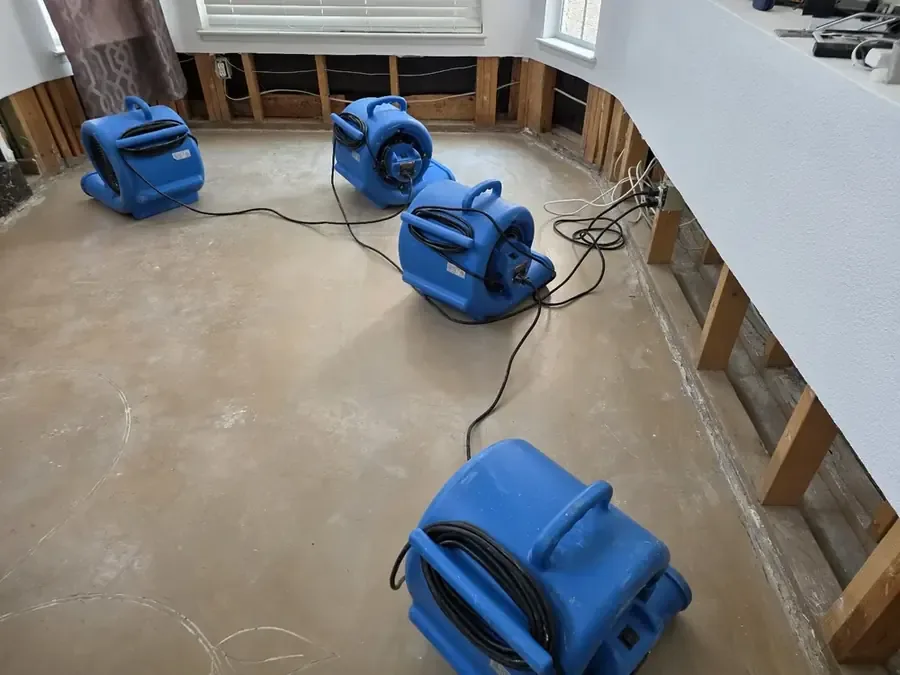 Structural Drying in TotowaStructural drying removes retained moisture from salvageable building materials after source control and extraction. Air movement, dehumidification and temperature management work together, with repeated measurements showing whether the affected assembly is responding.
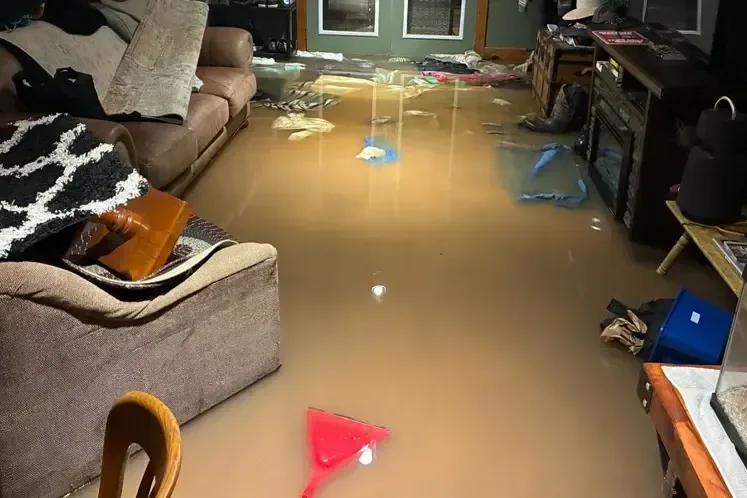 Storm Flood Cleanup in TotowaStorm flood cleanup addresses water that enters from outside at doors, lower openings or other access points. The crew treats the affected space as contaminated and plans removal, cleaning and drying around safe entry.
Water Extraction in CaldwellExtraction removes liquid water before dehumidifiers manage the moisture left in materials. Crews choose pumps, wands and vacuum tools around water depth, contamination and the surfaces that need protection.
Water extraction in Totowa, NJ
Totowa properties around Union Boulevard and Cherba Place can describe their nearest entrance, affected floor and wet access routes when discussing equipment placement and extraction.
The same service nearby: water extraction in Caldwell, Woodland Park, North Caldwell.
Water damage restoration in Totowa · every town coveredWater Extraction questions
Does extraction include drying the building?
Extraction removes collectable water; drying addresses moisture held in materials. A proposed scope may include both, but each should be described. The remaining wet layers determine whether additional equipment, selective access or removal is needed after the visible pool has gone.
Can a household vacuum remove the water?
An ordinary household vacuum is unsuitable for standing water. Even equipment designed for wet pickup has limits around contaminated water, electrical hazards and concealed moisture. The room should first be assessed for safe access and the extent of the affected materials.
Is clear water always safe to handle?
Water condition depends on its source, contact with surfaces and time inside the building. The assessment considers each factor before choosing how contents, flooring and equipment will be handled during removal, including any cleaning required after the liquid is extracted.
Should furniture be moved before extraction?
Dry, accessible belongings may be relocated when doing so avoids hazards and does not spread contaminated water. Heavy or unstable furniture can obstruct access and needs deliberate handling. Its base and any floor beneath it should be included in the damage assessment.
What if water keeps returning to the floor?
Repeated pooling suggests an unresolved source or water draining from another part of the assembly. Removal alone cannot settle that problem. The inspection needs to trace the return path and coordinate source control before deciding the next extraction or drying step.
Can carpet remain after water removal?
Retention depends on the water condition and the carpet, backing and cushion beneath it. A dry looking face does not show the full assembly. Inspection and material measurements help determine whether extraction and drying are suitable or removal is required.
What should the owner receive after removal?
A useful handoff describes the treated rooms, water condition, material findings and remaining moisture concerns. It also identifies any inaccessible area. Those notes allow the drying scope to follow the extraction work without relying on memory after the visible conditions change.
Clear the pool and assess what remains
A focused assessment connects extraction with the remaining material moisture, giving the property owner a practical next step after the visible water is removed.
(888) 471-9821Plan the extraction visitCaldwell Water Damage Restoration
Caldwell, NJ and nearby Essex County
(888) 471-9821 · open 24/7
Water and sewage losses only
Find us on Google