Basement Flooding Cleanup in Caldwell, NJ
A wet basement can hide electrical hazards and continuing inflow. The cleanup crew assesses entry, removes water safely and checks wall bases, floor layers and stored contents before drying. Dispatch operates 24/7.
(888) 471-9821Explain the lower-level water- Safe pump-out planning
- Source-specific cleanup
- Lower-wall moisture checks
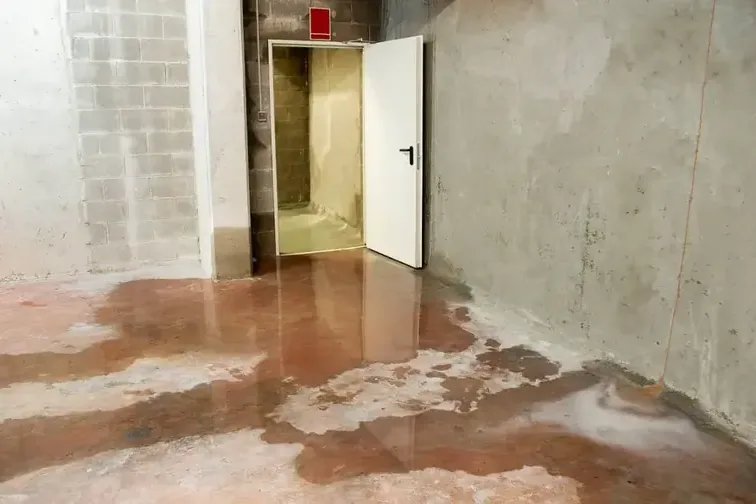
First steps for basement flooding cleanup
- Stay above unsafe water. Do not descend into water near electrical equipment, outlets or cords. Arrange appropriate safety assessment before entering the lower level or trying to retrieve stored items.
- Report active inflow. Tell the contractor whether water is still rising, entering at a wall or backing up from a drain. Outside conditions can affect the safe extraction sequence.
- Keep utilities undisturbed. Avoid operating wet furnaces, heaters or other equipment. Their inspection and safe return to service belong with the appropriate professional, separately from floor-water removal.
- Document the visible boundary. Photograph the water level and contents from a safe location. Mention finished walls, carpet and inaccessible storage so the restoration survey can include hidden lower-level materials.
How basement flooding cleanup is handled
Assess lower-level access
The contractor reviews electricity, mechanical equipment and ongoing inflow before entry. The source and surrounding water conditions determine the safest order for removal and inspection. The work area stays restricted while those hazards or continuing entry remain unresolved. The inspection also notes access restrictions around lower-level storage and utilities.
Remove accumulated water
The crew chooses pumping and extraction methods for the depth and surfaces. Water-level photographs and source observations preserve the initial conditions before the room changes. The crew watches for renewed inflow as the floor and lower wall edges become visible.
Inspect exposed room edges
Technicians check wall bases, floor layers and stored contents after removal. Contamination and material condition guide cleaning, disposal and any openings needed for an effective drying path. Stored belongings receive separate documentation so contents handling does not obscure the building condition.
What does basement flooding cleanup cost in Caldwell, NJ?
Basement flooding mitigation commonly ranges from $1,500 to $10,000 or more. Depth, source contamination, access and finished materials drive the scope. Mechanical equipment repair, drainage corrections and reconstruction may be separate from extraction, cleaning and monitored structural drying.
For a closer planning number, run the water damage cost calculator. The restoration contractor who responds sets the real scope after the walkthrough and the moisture map.
Basement Flooding Cleanup restoration sequence
- 01
Assess lower-level access
The contractor reviews electricity, mechanical equipment and ongoing inflow before entry. The source and surrounding water conditions determine the safest order for removal and inspection. The work area stays restricted while those hazards or continuing entry remain unresolved. The inspection also notes access restrictions around lower-level storage and utilities.
- 02
Remove accumulated water
The crew chooses pumping and extraction methods for the depth and surfaces. Water-level photographs and source observations preserve the initial conditions before the room changes. The crew watches for renewed inflow as the floor and lower wall edges become visible.
- 03
Inspect exposed room edges
Technicians check wall bases, floor layers and stored contents after removal. Contamination and material condition guide cleaning, disposal and any openings needed for an effective drying path. Stored belongings receive separate documentation so contents handling does not obscure the building condition.
- 04
Monitor dense and concealed layers
The drying team tracks room conditions and affected materials through the dry-out. Final readings identify readiness for repairs and any equipment or source issues requiring separate attention. The last survey includes areas behind removed storage where retained moisture could otherwise remain hidden.
The stairs may be dry while equipment and outlets below remain hazardous. Keep the lower level off limits until safe access is established. The contractor identifies the source and surrounding conditions before choosing a removal sequence or moving stored contents.
Identify what is feeding the water
At a Brookside Avenue property with a basement, technicians distinguish a pipe release from exterior entry and drain backup. Each source creates different cleanup needs. The service applies to the actual building; it does not assume every home in the borough has the same foundation or lower-level layout.
Downtown flooding in August 2018 affected businesses after heavy rain. For a current Bloomfield Avenue loss, the contractor records the observed entry and water level rather than assigning the same cause to every wet basement. Continuing outside pressure can change how and when removal should proceed.
Inspect the materials after extraction
- Check wall bases behind storage and built-in furnishings.
- Separate wet cardboard and porous contents from dry items.
- Inspect pad and flooring layers over the supporting surface.
- Document any sewage indication before setting air movers.
- Keep mechanical and electrical equipment assessment in the scope discussion.
Espy Road's public water repairs are a separate issue from private basement water. A source inspection determines whether the current release is inside the building or entering from outside. The restoration record should preserve that distinction.
Dry the lower-level assembly deliberately
A cool lower level can hold moisture in dense materials and poorly ventilated corners. The drying crew checks the actual temperature, humidity and wet surfaces before placing equipment. Exposed concrete that looks dry can sit beside saturated wall backing or stored contents.
Water extraction clears liquid, while sewage cleanup provides the contamination controls for a wastewater source. The contractor tracks remaining moisture and documents material removal before rebuilding. Keep the initial water-level photos, source findings and daily readings together so the completed pump-out is not confused with a finished dry-out.
Safety planning starts with Ready.gov flood precautions; household water-use checks appear at EPA WaterSense.
Related water damage services
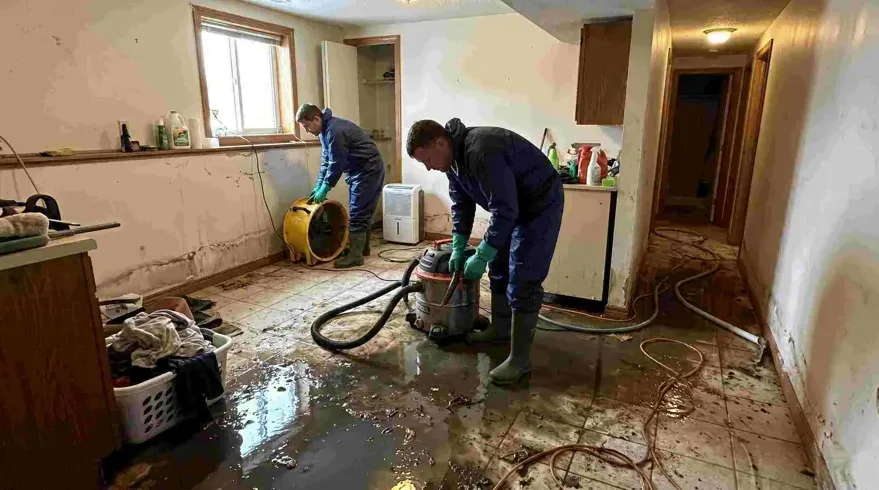 Water ExtractionExtraction removes liquid water before dehumidifiers manage the moisture left in materials. Crews choose pumps, wands and vacuum tools around water depth, contamination and the surfaces that need protection.
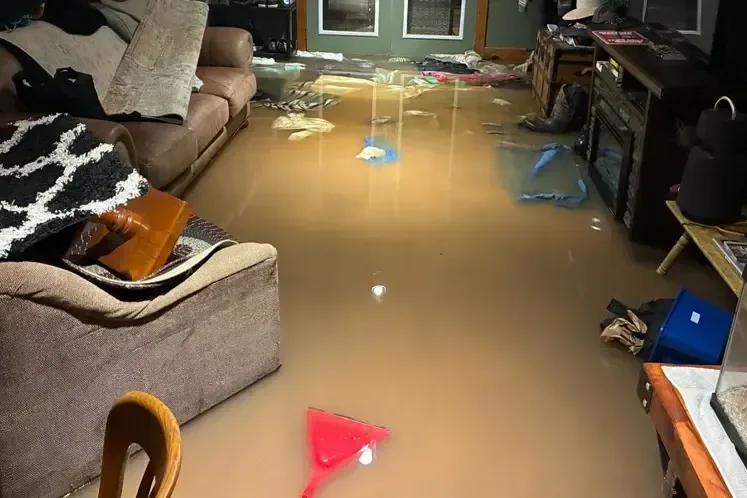 Storm Flood CleanupStorm flood cleanup addresses water that enters from outside at doors, lower openings or other access points. The crew treats the affected space as contaminated and plans removal, cleaning and drying around safe entry.
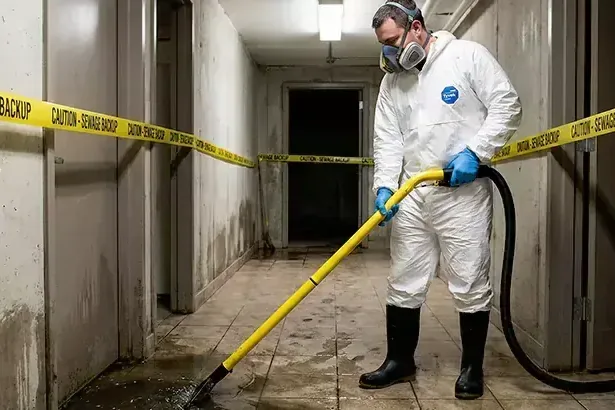 Sewage Backup CleanupSewage backup is Category 3 water. Cleanup combines access control, protective equipment, removal of contaminated porous materials, surface cleaning and suitable antimicrobial treatment before the remaining structure enters monitored drying.
Basement flooding cleanup in Caldwell, NJ
Coverage includes Bloomfield Avenue, Espy Road and Brookside Avenue, with ZIP codes 07006 and 07007. Describe the entry route and affected rooms when requesting a walkthrough.
See the coverage detailsBasement Flooding Cleanup questions
Should basement water be pumped immediately?
Safe access and source conditions come first. Electricity, structural concerns and surrounding outside water can change the removal sequence. The contractor assesses those factors before pumping rather than asking an occupant to enter an unknown flooded space.
Does every wet basement involve groundwater?
No. Plumbing leaks, outside entry and wastewater can all affect a lower level. The source inspection identifies the current loss. The contractor should not assign a cause from the room location or the neighborhood alone.
Can the furnace be switched back on?
Wet mechanical equipment needs appropriate specialist assessment before use. Do not operate controls or restore power simply because floor water has been removed. The restoration crew can document the exposure while the relevant professional handles equipment safety.
What happens to stored cardboard and rugs?
Porous contents can retain water and contamination. The team documents affected items and separates contents handling from the building scope. Some materials require disposal, especially after sewage or floodwater exposure, while other items need their own cleaning assessment.
Why check behind finished wall panels?
Water can wick into backing, insulation and framing where the room surface hides it. The contractor uses measurements and selective access to establish the wet boundary. Drying only the exposed floor can leave those concealed materials untreated.
How does sewage change the work?
A sewage source requires Category 3 controls, protective equipment and removal of contaminated porous finishes. Cleaning and appropriate surface treatment precede drying. It is a different scope from a contained clean-water supply release.
What shows that the basement is ready for repair?
The drying record should cover remaining wall and floor assemblies, not just room humidity. Final readings support the transition to repairs, while source corrections and mechanical-equipment issues remain clearly identified as separate responsibilities.
Dry the lower level beyond the open floor
The contractor follows moisture into wall bases and floor layers after safe water removal and cleaning. Emergency dispatch operates 24/7.
(888) 471-9821Start with the lower-level assessmentCaldwell Water Damage Restoration
Caldwell, NJ and nearby Essex County
(888) 471-9821 · open 24/7
Water and sewage losses only
Find us on Google