Water Extraction in Caldwell, NJ
Standing water keeps feeding moisture into room edges. The extraction crew removes the liquid, checks absorbent layers and sets up the next drying stage, with 24/7 dispatch for urgent losses.
(888) 471-9821Get standing water moving out- Depth-matched extraction
- Wet-edge moisture checks
- 24/7 dispatch
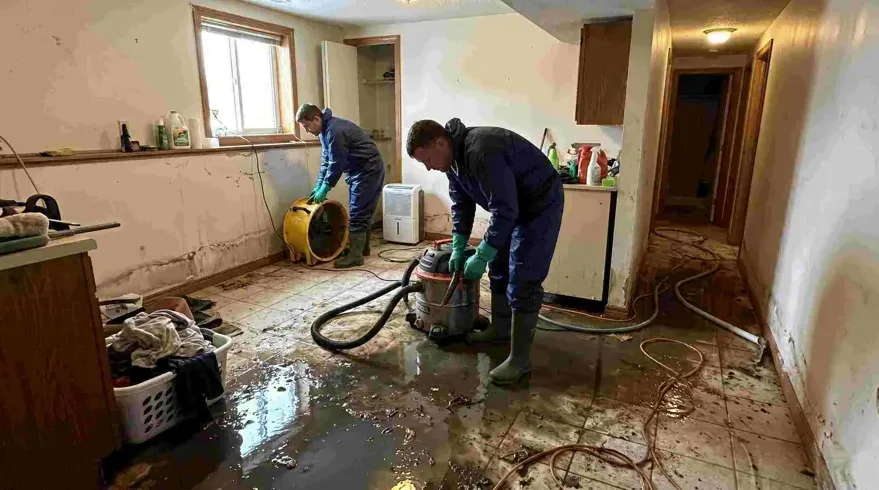
First steps for water extraction
- Keep the approach dry. Stay outside water near plugs, cords or appliances. Electrical isolation requires a safe route and appropriate help before an extraction crew can enter the affected area.
- Stop fresh inflow. Close an accessible supply valve if a plumbing leak remains active. Do not cross a wet room or disturb damaged equipment to reach it.
- Leave contamination contained. Keep children, pets and clean belongings outside the wet space. Avoid moving wastewater through hallways with towels or using household fans over dirty water.
- Capture the starting condition. Take photographs from a safe position and note which rooms contain water. Tell dispatch about the apparent depth, source and any access restrictions.
How water extraction is handled
Survey the wet area
The technician identifies the source, tests accessible surfaces and establishes safe working routes. The initial moisture map records where water has travelled beyond the visible pool. It also identifies a suitable discharge route before pumping equipment begins moving liquid. Safe entry also protects the route used by the extraction hoses.
Remove bulk water
The extraction crew selects the pump or wand for the depth and finish. Repeated passes continue where liquid remains in the surface or accessible absorbent layers. The operator checks the recovery after each pass instead of stopping at the doorway.
Check concealed retention
The team examines pad, wall bases and adjoining floors after removal. Material condition and water category guide selective removal and access for the drying stage. Those findings distinguish simple extraction from opening an assembly for further moisture removal.
What does water extraction cost in Caldwell, NJ?
Water extraction commonly costs $600 to $3,500 before extensive drying or repairs. Depth, wet floor area, access and contamination affect the labor and equipment. Several rooms or inaccessible floor layers can push the complete restoration scope above that extraction-only range.
For a closer planning number, run the water damage cost calculator. The restoration contractor who responds sets the real scope after the walkthrough and the moisture map.
Water Extraction restoration sequence
- 01
Survey the wet area
The technician identifies the source, tests accessible surfaces and establishes safe working routes. The initial moisture map records where water has travelled beyond the visible pool. It also identifies a suitable discharge route before pumping equipment begins moving liquid. Safe entry also protects the route used by the extraction hoses.
- 02
Remove bulk water
The extraction crew selects the pump or wand for the depth and finish. Repeated passes continue where liquid remains in the surface or accessible absorbent layers. The operator checks the recovery after each pass instead of stopping at the doorway.
- 03
Check concealed retention
The team examines pad, wall bases and adjoining floors after removal. Material condition and water category guide selective removal and access for the drying stage. Those findings distinguish simple extraction from opening an assembly for further moisture removal.
- 04
Set the drying baseline
The contractor documents extraction and remaining moisture, then positions the drying system. Follow-up readings show whether the room air and building materials are responding as expected. The owner receives a clear account of the materials still requiring follow-up attention.
A puddle can disappear while the floor below remains wet. The extraction assessment separates recoverable surface water from moisture held in carpet backing, underlay and the wall assembly. That distinction determines which tool works and what still needs drying.
Follow the water beyond the room center
At a Bloomfield Avenue property, a clear central floor does not settle whether water crossed a doorway or entered a partition. Technicians inspect the perimeter and adjoining rooms, mark the wet boundary and choose extraction tools that reach corners without damaging intact finishes. Furniture feet and contents on the floor can conceal the edge of the loss.
An Espy Road supply interruption and an indoor discharge need different responses. The crew confirms whether fresh water is still escaping before putting extraction equipment to work. A repaired source stops new wetting; removal addresses water already inside.
Choose the tool for the surface
- Submersible pumps move deeper accumulations when safe access and discharge arrangements permit their use.
- Extraction wands pull liquid from carpet and other accessible surfaces after the bulk water leaves.
- Hard-floor tools collect shallow water along seams and thresholds without treating visible dryness as completion.
- Technicians inspect pad, tack strips and lower wall materials before deciding what can remain.
Brookside Avenue homes receive the same material-by-material evaluation. The contractor checks the floor construction at the property instead of assuming every room has the same subfloor or drainage route.
Move from extraction into drying
The drying technician records moisture after extraction and establishes a baseline for each affected assembly. Air movers increase evaporation; dehumidifiers remove that vapor from the air. Equipment placement changes when readings reveal a damp pocket or a drying boundary that is wider than the first map.
Keep a record of the source repair, removed materials and the extraction area. A structural drying assessment explains the next stage, while sewage cleanup addresses contaminated water that requires additional controls. The crew checks readings again before closing the work area or recommending replacement finishes.
Safety planning starts with Ready.gov flood precautions; household water-use checks appear at EPA WaterSense.
Related water damage services
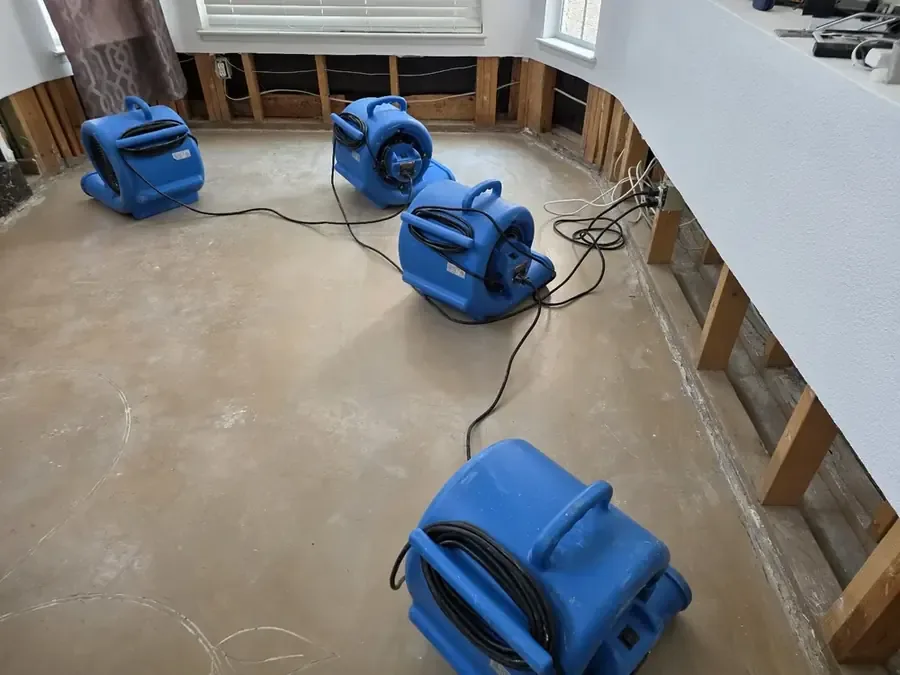 Structural DryingStructural drying removes retained moisture from salvageable building materials after source control and extraction. Air movement, dehumidification and temperature management work together, with repeated measurements showing whether the affected assembly is responding.
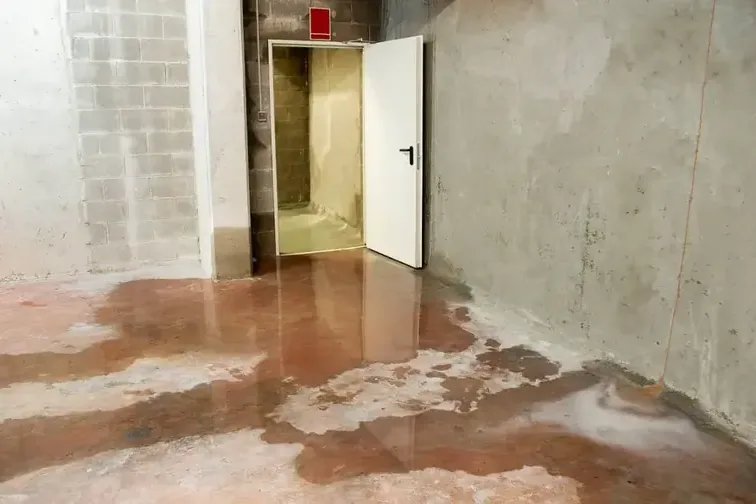 Basement Flooding CleanupBasement cleanup addresses accumulated water and wet materials below the occupied floors above. The source may be plumbing, outside entry or wastewater, and that distinction controls extraction, cleaning and porous-material decisions.
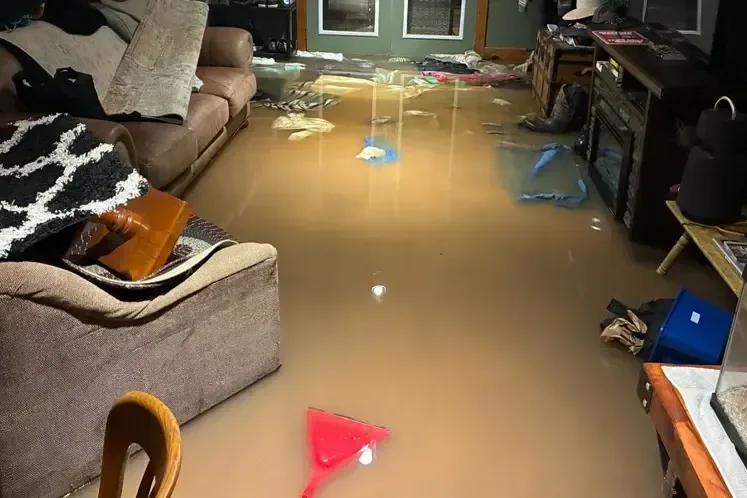 Storm Flood CleanupStorm flood cleanup addresses water that enters from outside at doors, lower openings or other access points. The crew treats the affected space as contaminated and plans removal, cleaning and drying around safe entry.
Water extraction in Caldwell, NJ
Coverage includes Bloomfield Avenue, Espy Road and Brookside Avenue, with ZIP codes 07006 and 07007. Describe the entry route and affected rooms when requesting a walkthrough.
See the coverage detailsWater Extraction questions
Can a household vacuum remove standing water?
An ordinary household vacuum is not designed for water. A wet vacuum still requires safe electrical access and leaves hidden materials needing assessment. The extraction plan must account for contamination, depth and the floor assembly before choosing equipment.
Is extraction enough if the floor looks dry?
No. Floor seams, carpet backing and wall bases can retain moisture after visible water disappears. The technician checks those layers and establishes a drying target. Surface appearance cannot replace material readings or a review of the adjoining space.
Does carpet always need removal?
The water category, backing, pad and condition determine the decision. Some clean-water carpet can remain after effective extraction and drying. Contaminated or damaged materials require removal, and the contractor checks the subfloor before reinstalling or replacing floor finishes.
Can water be extracted while a leak continues?
Emergency removal may limit spread, but source control remains essential. A continuing discharge can overwhelm the extraction effort and expand the wet area. The contractor coordinates the water-removal work with the person repairing or isolating the source.
What changes when outside water enters?
Outside floodwater can carry contamination and debris. The crew changes protective measures and material decisions accordingly. The scope can include controlled removal and surface cleaning before structural drying, so it differs from a fresh supply leak in one room.
What happens to contents on the floor?
The team documents affected belongings and separates wet items from dry storage when safe. Contents may need their own cleaning or drying assessment. The contractor records handling decisions so the building scope and contents record remain clear.
Is urgent extraction available overnight?
Emergency dispatch operates 24/7. Describe the active source, standing-water depth and hazards when requesting help. Availability and access depend on the conditions at the time; the responding contractor confirms the work plan before entering the wet area.
Get the liquid out and measure what remains
The extraction crew works from the visible water to the concealed wet edges, then records the drying needs. Emergency dispatch operates 24/7.
(888) 471-9821Start with the standing waterCaldwell Water Damage Restoration
Caldwell, NJ and nearby Essex County
(888) 471-9821 · open 24/7
Water and sewage losses only
Find us on Google