Toilet Overflow Cleanup in Caldwell, NJ
A toilet overflow needs a source and contamination assessment before drying begins. The cleanup crew contains the affected bathroom, removes escaped water and checks floor edges and nearby rooms. Dispatch operates 24/7.
(888) 471-9821Discuss the bathroom overflow- Wastewater exposure checks
- Controlled bathroom access
- Floor-edge moisture testing
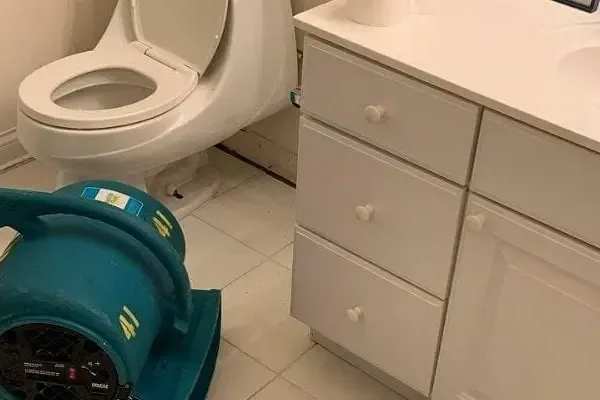
First steps for toilet overflow cleanup
- Do not flush again. Stop using the affected fixture and other drains if they also back up. Repeated testing can add wastewater and expand the contaminated area before the plumbing cause is resolved.
- Keep the area isolated. Close access to the bathroom when possible and keep children and pets away. Avoid stepping through the overflow or tracking it across dry floors to collect belongings.
- Use only safe source control. An accessible fixture valve can stop refilling if it is safe to reach. Do not touch wet electrical equipment or cross an unsafe area to operate the valve.
- Describe the exposure. Tell the cleanup team whether the release came from the supply, tank or bowl, and whether waste was visible. Mention wet vanity bases, hall flooring and any room below.
How toilet overflow cleanup is handled
Identify the source and exposure
The crew distinguishes a supply leak from bowl water and reviews the affected materials. Safe access and contamination controls shape the work plan before extraction begins. The team notes whether the affected fixture continues to add water to the room. The exposure record identifies the bathroom surfaces reached by the release.
Remove water without tracking it
Technicians contain the bathroom and clear accessible liquid with appropriate equipment. Contents and removal routes stay separated from clean living areas to limit additional exposure. The removal route avoids spreading the bathroom exposure across hallways and unaffected household finishes.
Clean and assess porous finishes
The contractor removes unsalvageable contaminated materials and cleans exposed surfaces. The team documents the decisions and applies suitable products according to their required use conditions. The condition record distinguishes washable hard surfaces from porous backing that needs removal.
What does toilet overflow cleanup cost in Caldwell, NJ?
Toilet overflow cleanup commonly ranges from $600 to $3,800. A contained clean supply release differs from a waste-contaminated overflow that reaches porous finishes. Floor construction, affected area, source repair and access to the room below influence the complete scope.
For a closer planning number, run the water damage cost calculator. The restoration contractor who responds sets the real scope after the walkthrough and the moisture map.
Toilet Overflow Cleanup restoration sequence
- 01
Identify the source and exposure
The crew distinguishes a supply leak from bowl water and reviews the affected materials. Safe access and contamination controls shape the work plan before extraction begins. The team notes whether the affected fixture continues to add water to the room. The exposure record identifies the bathroom surfaces reached by the release.
- 02
Remove water without tracking it
Technicians contain the bathroom and clear accessible liquid with appropriate equipment. Contents and removal routes stay separated from clean living areas to limit additional exposure. The removal route avoids spreading the bathroom exposure across hallways and unaffected household finishes.
- 03
Clean and assess porous finishes
The contractor removes unsalvageable contaminated materials and cleans exposed surfaces. The team documents the decisions and applies suitable products according to their required use conditions. The condition record distinguishes washable hard surfaces from porous backing that needs removal.
- 04
Check hidden moisture after cleanup
The drying assessment covers vanity bases, wall edges and accessible lower layers. Repeated readings confirm progress before trim, floor coverings or overhead finishes are restored. The contractor also checks any connected lower ceiling before closing the bathroom restoration record.
A toilet tank connection and an overflowing bowl do not create the same cleanup. Before moving towels or starting fans, identify the apparent source and keep occupants out of the affected room. Wastewater exposure changes how the floor and wall bases must be handled.
Stop repeated discharge without spreading it
At a Brookside Avenue home, repeated flushing can add water while the cause remains unresolved. The plumbing professional addresses the fixture or drain problem, and the restoration crew documents the resulting spread. An accessible fixture supply valve may help stop new filling when it is safe to reach.
Water at a Bloomfield Avenue property can move through grout gaps, thresholds or floor penetrations. A hard surface may be cleanable while pad, wall backing or a floor layer underneath needs a different decision. The assessment follows the exposure beyond the visible bathroom puddle.
Protect clean rooms during cleanup
- Keep children and pets outside the bathroom and affected route.
- Avoid carrying contaminated towels through unaffected living spaces.
- Document the overflow source and the materials touched by the water.
- Check trim, vanity bases and the area around floor penetrations.
- Inspect the ceiling below when water has crossed a floor opening.
Espy Road has experienced a public water-service interruption; private fixture problems require plumbing diagnosis at the building. The contractor checks the fixture and drainage conditions at the property, then separates source repair from the cleanup scope.
Clean exposed surfaces before drying
When waste is present, the crew uses protective equipment, removes contaminated porous materials and cleans the remaining structure. Product selection and contact time follow the label. Air movement begins within the controlled drying plan after contamination has been addressed.
Moisture checks continue at wall bases and beneath accessible floor layers after the room looks clean. Sewage backup cleanup addresses wider drain-related wastewater, and ceiling leak restoration covers wetting below an upstairs bathroom. Keep disposal notes, plumbing findings and final readings with the photographs so the work record explains both sanitation and drying.
Safety planning starts with Ready.gov flood precautions; household water-use checks appear at EPA WaterSense.
Related water damage services
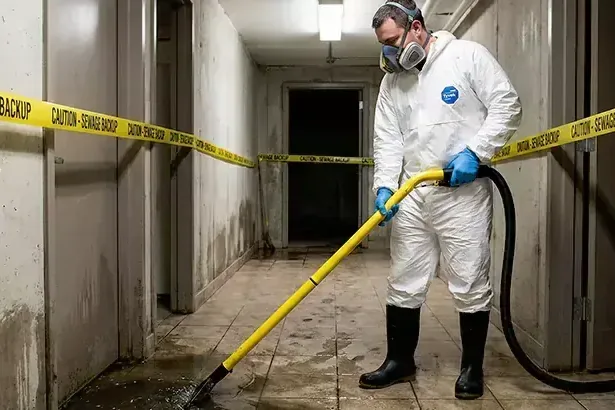 Sewage Backup CleanupSewage backup is Category 3 water. Cleanup combines access control, protective equipment, removal of contaminated porous materials, surface cleaning and suitable antimicrobial treatment before the remaining structure enters monitored drying.
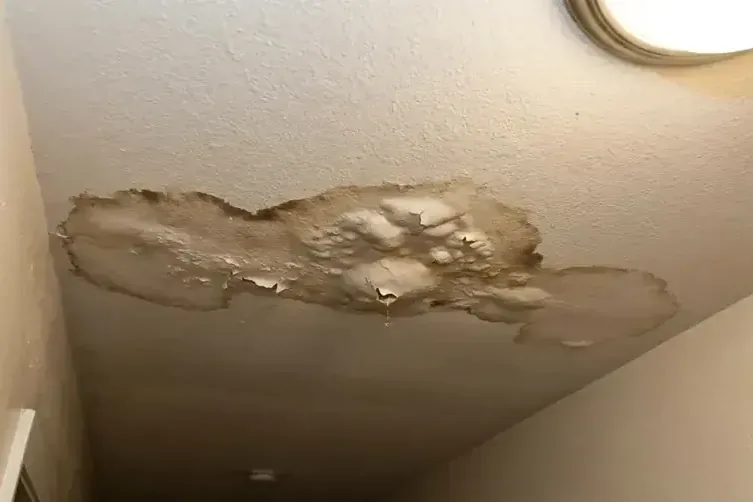 Ceiling Leak Water DamageCeiling cleanup addresses wet drywall, insulation and framing after an overhead release. The source may sit in a bathroom, supply pipe or another space above the stain, so inspection follows the water path.
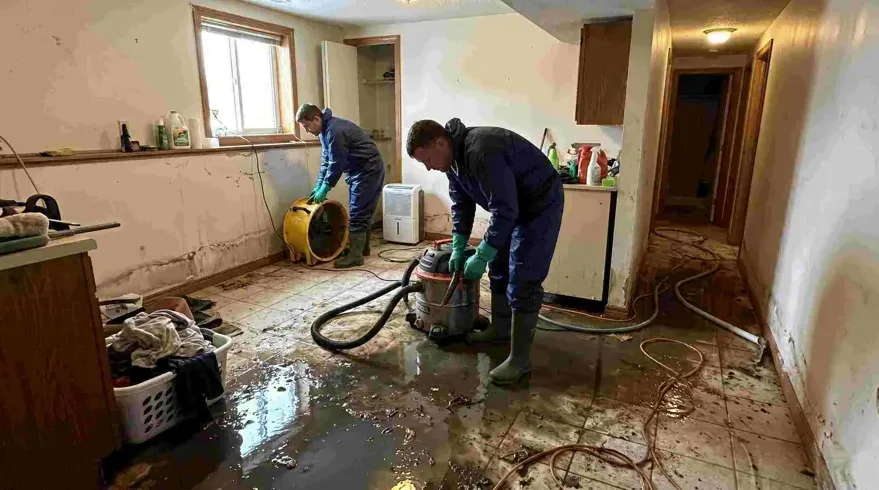 Water ExtractionExtraction removes liquid water before dehumidifiers manage the moisture left in materials. Crews choose pumps, wands and vacuum tools around water depth, contamination and the surfaces that need protection.
Toilet overflow cleanup in Caldwell, NJ
Coverage includes Bloomfield Avenue, Espy Road and Brookside Avenue, with ZIP codes 07006 and 07007. Describe the entry route and affected rooms when requesting a walkthrough.
See the coverage detailsToilet Overflow Cleanup questions
Is every toilet leak sewage?
No. A fresh supply connection can release sanitary water, while bowl water or a drain backup creates different exposure. The contractor identifies the actual source and what it contacted. Do not assume the cleanup from the fixture name alone.
Should the bathroom fan be used?
An exhaust fan does not remove contaminated water or dry concealed floor layers. Avoid using equipment where electrical safety is uncertain. The cleanup team addresses contamination and access before establishing controlled air movement and dehumidification.
Can tile hide water underneath?
Yes. Water can enter through seams, edges or penetrations and reach a layer below the tile. The assessment checks accessible boundaries and adjoining materials. A clean tile surface does not demonstrate that the supporting assembly is dry.
What if the ceiling below becomes stained?
Keep clear of sagging or wet electrical fixtures and report the lower-room change. The contractor inspects the connected floor and ceiling assembly. Restoration may need access from below to remove damaged material and dry the cavity safely.
Can contaminated bathroom rugs be dried?
Porous contents exposed to wastewater need exposure-based cleaning or disposal decisions. Do not move them through clean rooms before the assessment. The contractor documents affected items separately from the building work and explains the handling options.
Who fixes the blockage?
A plumbing professional diagnoses and clears the fixture or drain problem. The restoration crew handles escaped water, affected materials and drying. Confirm both scopes so a working toilet does not leave contaminated or wet layers untreated.
What should be reported during an urgent call?
Describe the source, whether waste was present, the rooms reached and any electrical concerns. Mention repeated backing up or water appearing below the bathroom. Emergency dispatch operates 24/7, and those details help the contractor organize safe assessment.
Restore the bathroom beyond the visible puddle
The crew controls the affected space, cleans exposed surfaces and measures the remaining wet layers. Emergency dispatch operates 24/7.
(888) 471-9821Begin the bathroom damage assessmentCaldwell Water Damage Restoration
Caldwell, NJ and nearby Essex County
(888) 471-9821 · open 24/7
Water and sewage losses only
Find us on Google