Hardwood Floor Water Damage in Caldwell, NJ
Cupping or a wet seam can signal moisture beneath a wood floor. The restoration team checks the boards and supporting layers, controls room humidity and tracks stability before repair decisions. Dispatch operates 24/7.
(888) 471-9821Assess the wet wood assembly- Board and subfloor readings
- Controlled humidity
- Refinishing after stabilization
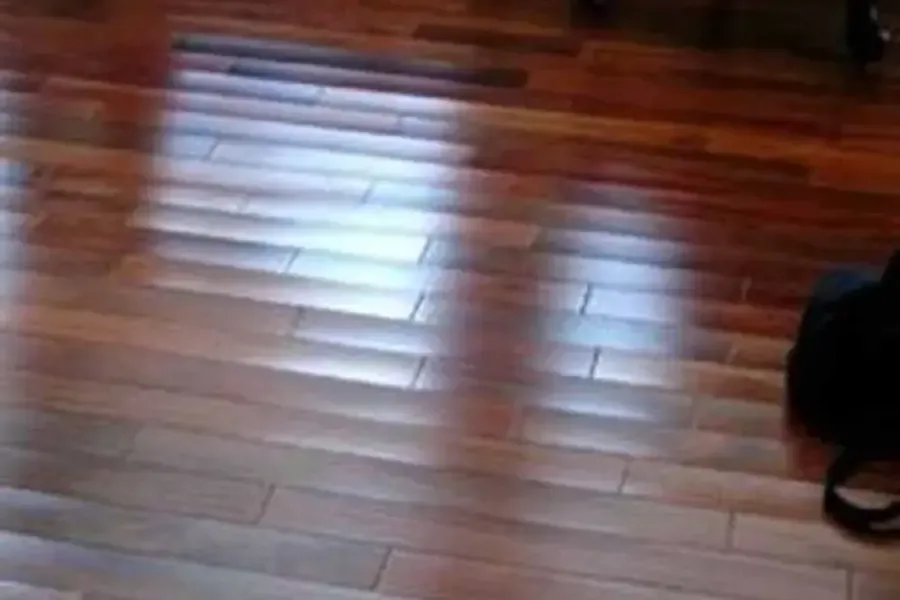
First steps for hardwood floor water damage
- Remove accessible surface water safely. Avoid wet electrical areas and leave unstable boards alone. Clear safe surface water promptly, but do not assume that wiping the finish removes moisture beneath the floor.
- Lift loose coverings. Move dry rugs and items away from the wet area when safe. Do not force swollen boards down or cover the floor with materials that trap moisture.
- Avoid early sanding. Wait for the floor assessment before refinishing or applying heat. Premature sanding can create an uneven surface as the board moisture changes and the assembly stabilizes.
- Describe the floor construction. Tell the contractor about the visible wood product, adjoining rooms and access below. Mention buckling, loose boards or contamination so the inspection considers safety and salvage limits.
How hardwood floor water damage is handled
Identify the wood assembly
The technician records product type, attachment and accessible supporting layers. Baseline readings and visible distortion establish what the floor needs and whether a preservation attempt is appropriate. The record captures both the visible board changes and the supporting material conditions below. Comparable dry boards help explain the initial condition of the wet flooring.
Map the connected wet area
The crew follows moisture through doorways and along perimeter seams. Measurements compare affected boards and the subfloor with similar dry areas rather than relying only on surface appearance. Continuous flooring remains part of the survey wherever readings indicate water passed beneath the finish.
Control the drying conditions
Air movement and dehumidification create a managed environment for the assembly. The contractor considers targeted access or specialty equipment where ordinary surface drying cannot reach retained moisture. The technician watches the moisture difference between layers as carefully as the room humidity.
What does hardwood floor water damage cost in Caldwell, NJ?
Hardwood floor water damage mitigation often ranges from $1,500 to $6,000 before replacement or refinishing. Wet area, subfloor access, contamination and specialty drying needs affect cost. The contractor separates the drying attempt from later floor repair decisions.
For a closer planning number, run the water damage cost calculator. The restoration contractor who responds sets the real scope after the walkthrough and the moisture map.
Hardwood Floor Water Damage restoration sequence
- 01
Identify the wood assembly
The technician records product type, attachment and accessible supporting layers. Baseline readings and visible distortion establish what the floor needs and whether a preservation attempt is appropriate. The record captures both the visible board changes and the supporting material conditions below. Comparable dry boards help explain the initial condition of the wet flooring.
- 02
Map the connected wet area
The crew follows moisture through doorways and along perimeter seams. Measurements compare affected boards and the subfloor with similar dry areas rather than relying only on surface appearance. Continuous flooring remains part of the survey wherever readings indicate water passed beneath the finish.
- 03
Control the drying conditions
Air movement and dehumidification create a managed environment for the assembly. The contractor considers targeted access or specialty equipment where ordinary surface drying cannot reach retained moisture. The technician watches the moisture difference between layers as carefully as the room humidity.
- 04
Review stability before repair
Repeated readings and condition checks inform salvage or replacement decisions. Refinishing and installation wait until the floor and supporting materials meet the relevant moisture and stability requirements. The final decision considers lasting distortion and bond failure alongside the measured moisture result.
Wood movement can continue after the puddle disappears. The top of a board and the layers beneath it may dry at different rates, changing the shape over time. The contractor measures the assembly before recommending sanding, removal or a preservation attempt.
Read the floor as an assembly
At a Brookside Avenue home, technicians identify the wood product, attachment and accessible subfloor before choosing equipment. Solid boards, engineered products and other wood finishes do not respond identically. The inspection identifies the floor construction before drying begins.
In a Bloomfield Avenue room, water may travel beneath a continuous finish into an adjoining space. The moisture map crosses the doorway when readings warrant it. A visibly dry transition strip should not end the inspection if the substrate remains connected.
Preserve only when the conditions support it
- Compare affected boards with similar dry material in the building.
- Check the supporting floor from below or at accessible openings.
- Record cupping, buckling, finish separation and attachment changes.
- Evaluate contamination before attempting to retain porous flooring.
- Delay sanding until the floor has stabilized at suitable moisture conditions.
Near the Grover Cleveland Birthplace, the contractor still assesses each home's actual floor rather than assuming a historic wood species or installation method. The drying plan should explain how moisture can leave every affected layer.
Use the trend to decide the next repair
Surface drying can outpace a wet subfloor. The crew monitors the moisture difference and adjusts humidity control and air movement accordingly. Specialty floor systems may help a suitable assembly, but equipment cannot reverse every adhesive failure or permanently distorted board.
Slab leak restoration addresses water under concrete-supported finishes, and appliance cleanup examines nearby cabinets and connection areas. Keep the original readings, daily trend and final installation criteria together. A floor that needs replacement should be documented clearly, while a salvage attempt should have measurable checkpoints rather than a promise that every board will recover.
Safety planning starts with Ready.gov flood precautions; household water-use checks appear at EPA WaterSense.
Related water damage services
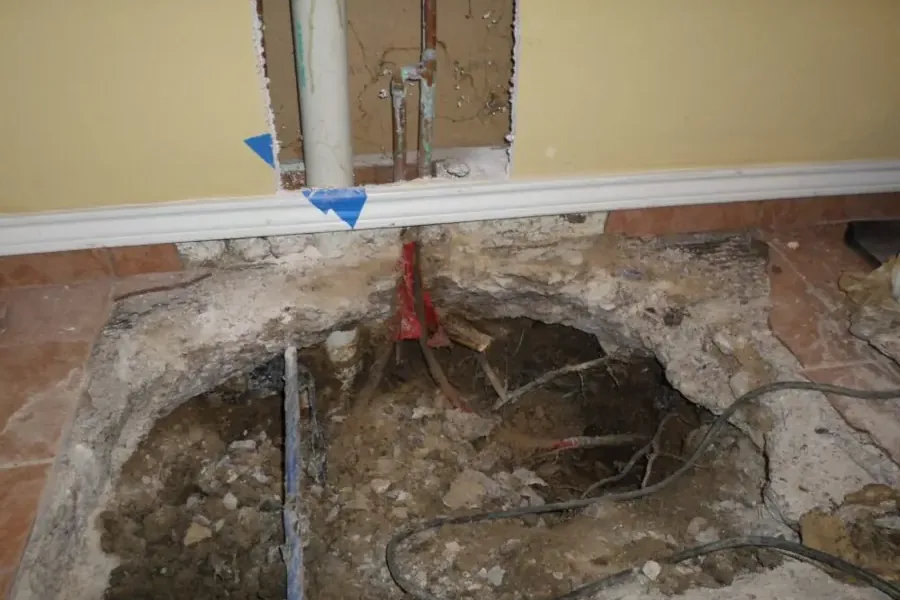 Slab Leak Water DamageSlab leak restoration addresses water that has escaped beneath or through a concrete floor assembly. Plumbing diagnosis identifies the source; extraction, selective access and controlled drying address the materials already affected.
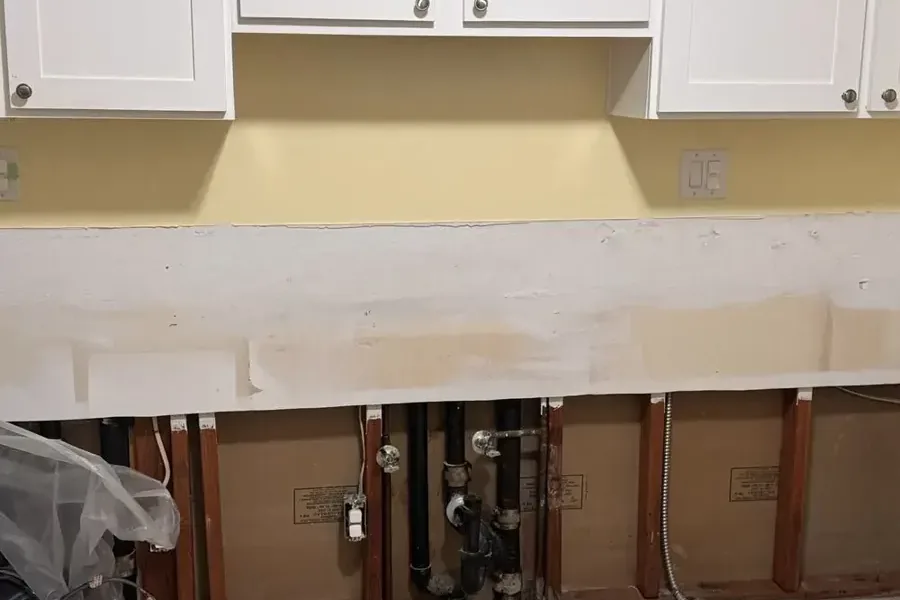 Appliance Leak Water DamageAppliance cleanup addresses escaped water from supply connections, drains and equipment failures. The water source affects contamination decisions, while the cabinet and floor construction determine how technicians reach and dry concealed moisture.
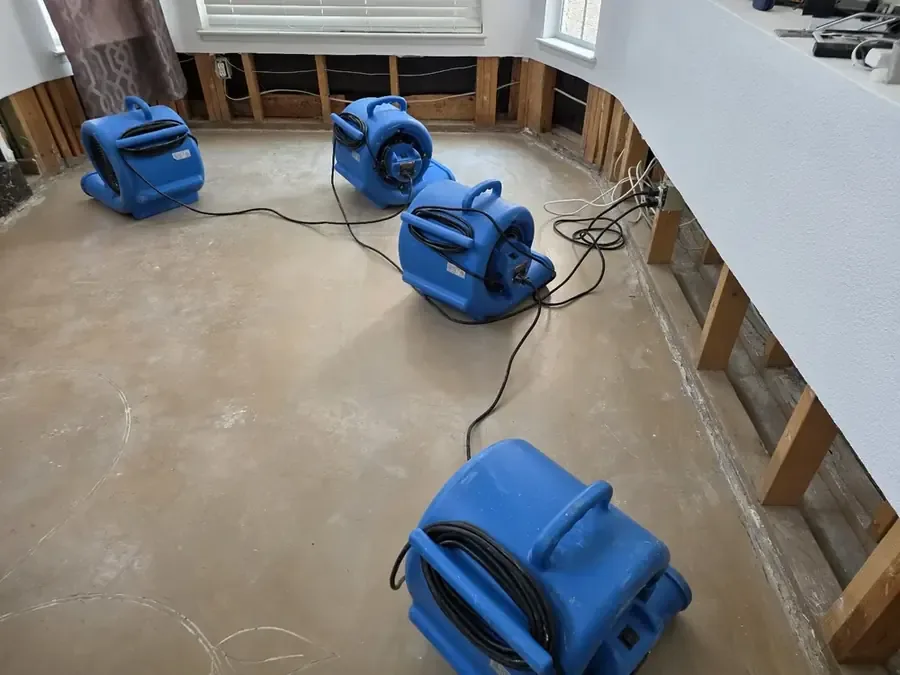 Structural DryingStructural drying removes retained moisture from salvageable building materials after source control and extraction. Air movement, dehumidification and temperature management work together, with repeated measurements showing whether the affected assembly is responding.
Hardwood floor water damage in Caldwell, NJ
Coverage includes Bloomfield Avenue, Espy Road and Brookside Avenue, with ZIP codes 07006 and 07007. Describe the entry route and affected rooms when requesting a walkthrough.
See the coverage detailsHardwood Floor Water Damage questions
Does cupping mean the floor is ruined?
Not always. Cupping can reflect a moisture difference through the board, but recovery depends on the product, attachment and extent of damage. The contractor measures the full assembly and monitors stability before recommending preservation or replacement.
Why should sanding wait?
A wet floor can change shape as its moisture balances. Sanding too early can remove the wrong profile and leave an uneven surface after drying. The floor professional reviews stable readings and condition before refinishing begins.
Can the top feel dry while the subfloor stays wet?
Yes. Surface evaporation can hide moisture in the supporting layers. Technicians inspect from accessible edges or below and compare readings. The drying plan must provide a path for that retained moisture, not just move air over the finish.
Are engineered and solid wood treated identically?
No. Their construction, adhesives and attachment can affect salvage and drying behavior. The assessment identifies the actual product and damage. Some delamination or bond failures remain even when the material reaches a suitable moisture level.
What if sewage touched the floor?
Contamination changes the salvage decision. Porous wood flooring exposed to Category 3 water generally requires removal rather than a simple drying attempt. The crew evaluates the exposure and supporting layers before planning cleaning and rebuilding.
How does a floor-drying mat help?
Damaged boards and adhesive need a condition assessment alongside drying. A suitable system can help remove moisture from an appropriate assembly. The contractor still needs readings, access checks and condition reviews to decide whether the floor can remain.
What should the final record contain?
Keep baseline and final material readings, daily changes, photographs of distortion and any removal decisions. Include the source-repair record and the replacement product requirements when relevant. That documentation explains why the floor was retained, repaired or replaced.
Let floor measurements guide the repair
The drying team tracks the wood and its supporting layers before the next finish decision. Emergency dispatch operates 24/7 for active water losses.
(888) 471-9821Start the floor-layer assessmentCaldwell Water Damage Restoration
Caldwell, NJ and nearby Essex County
(888) 471-9821 · open 24/7
Water and sewage losses only
Find us on Google