Slab Leak Water Damage in Caldwell, NJ
A damp floor can hide water under adhesive and flooring layers. The restoration team maps the wet assembly, coordinates source access and tracks the dry-out after repair, with 24/7 dispatch.
(888) 471-9821Discuss water beneath the floor- Floor-layer assessment
- Source repair coordination
- Recorded moisture trend
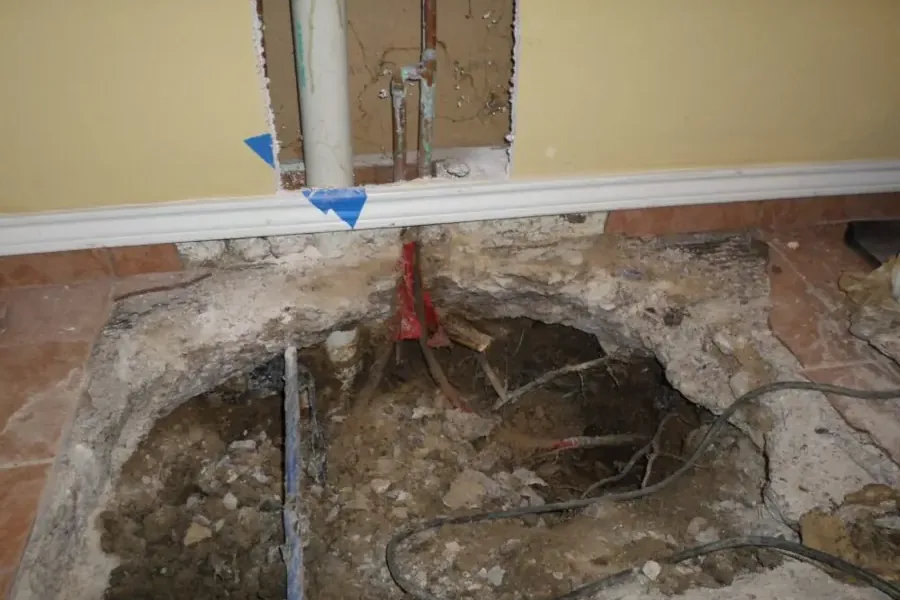
First steps for slab leak water damage
- Reduce continuing water loss. If a supply leak is suspected, use a safely accessible shutoff and arrange plumbing diagnosis. Avoid repeatedly restoring pressure before the source has been located.
- Protect the affected floor. Keep rugs and stored items away from damp areas when safe. Leave buckled flooring and suspicious electrical equipment undisturbed until the assessment identifies access hazards.
- Record the clues. Note where dampness, warmth or finish changes first appeared. Retain water-use information and repair records, but let the plumbing inspection establish the actual leak location.
- Coordinate access. Tell the contractor about the floor finish and occupied rooms. Planned openings should support source repair and drying without spreading dust or wet debris through the building.
How slab leak water damage is handled
Map the floor assembly
The technician identifies the covering and substrate, records moisture differences and checks adjoining partitions. Plumbing findings guide the restoration access plan rather than a guess from surface stains. The survey includes thresholds where the same covering continues into the next room. The owner can compare the findings with the proposed access scope.
Coordinate source access
The source repair and restoration teams agree on openings and protection. The scope records which materials need removal and which intact finishes can remain during the work. The contractor records the opening before debris removal obscures the original floor condition.
Dry connected materials
The drying crew manages room humidity and exposed wet layers after source control. Equipment selection follows the assembly, with attention to concealed edges that release moisture slowly. Measurements distinguish an improving exposed surface from a wet layer beneath the covering.
What does slab leak water damage cost in Caldwell, NJ?
Slab leak water damage cleanup often ranges from $1,500 to $7,500, excluding major plumbing repair or concrete reconstruction. Floor removal, concealed spread, dense materials and drying access affect cost. The contractor separates source repair, mitigation and replacement flooring in the scope.
For a closer planning number, run the water damage cost calculator. The restoration contractor who responds sets the real scope after the walkthrough and the moisture map.
Slab Leak Water Damage restoration sequence
- 01
Map the floor assembly
The technician identifies the covering and substrate, records moisture differences and checks adjoining partitions. Plumbing findings guide the restoration access plan rather than a guess from surface stains. The survey includes thresholds where the same covering continues into the next room. The owner can compare the findings with the proposed access scope.
- 02
Coordinate source access
The source repair and restoration teams agree on openings and protection. The scope records which materials need removal and which intact finishes can remain during the work. The contractor records the opening before debris removal obscures the original floor condition.
- 03
Dry connected materials
The drying crew manages room humidity and exposed wet layers after source control. Equipment selection follows the assembly, with attention to concealed edges that release moisture slowly. Measurements distinguish an improving exposed surface from a wet layer beneath the covering.
- 04
Test before reinstatement
Final measurements document the drying outcome and any remaining installation conditions. The contractor records the repair opening, substrate condition and requirements for the replacement floor product. The installer can then compare the documented substrate result with the proposed product instructions.
A warm patch, unusual water use or a dark floor edge deserves investigation, and the plumber checks those clues to locate the source. The contractor checks the water source and the construction beneath the finish before deciding how to expose or dry the affected assembly.
Separate pipe repair from floor restoration
For a property near Brookside Avenue, the first question is what lies beneath the wet finish: concrete, a framed floor or another assembly. The restoration technician records the visible damage and works with the plumbing diagnosis. Cutting concrete before locating a leak can create unnecessary disturbance and leave the actual source active.
Water can spread laterally beneath an impermeable floor. A Bloomfield Avenue room with only one damp edge may have a wider wet footprint beneath the covering. Technicians use appropriate meters and accessible inspection points to compare the suspected area with dry material.
Open only what the drying plan requires
- Record floor type, finish condition and where moisture first appeared.
- Check baseboards and partitions that contact the affected floor assembly.
- Review adhesive compatibility and whether a covering traps moisture beneath it.
- Coordinate repair access so source work and material removal serve the same plan.
- Keep dust and wet debris separated from occupied rooms during opening and removal.
A utility repair notice for Espy Road concerns public water service. The plumbing assessment locates the private leak, while restoration technicians measure its effects inside. The contractor keeps source evidence and the drying record together so later repair decisions remain traceable.
Check readiness before replacing flooring
Concrete, wood and adhesives have different moisture requirements. The drying team uses the appropriate test method for the assembly and the proposed finish rather than choosing a universal meter number. A surface reading alone cannot clear a slab for every flooring product.
Replacement proceeds after the source stays controlled and the affected layers meet the relevant drying and installation conditions. Hardwood floor drying addresses wood movement, while structural drying follows moisture in adjacent framing. Keep records of the repair location, removed materials and final tests before concealing the area again.
Safety planning starts with Ready.gov flood precautions; household water-use checks appear at EPA WaterSense.
Related water damage services
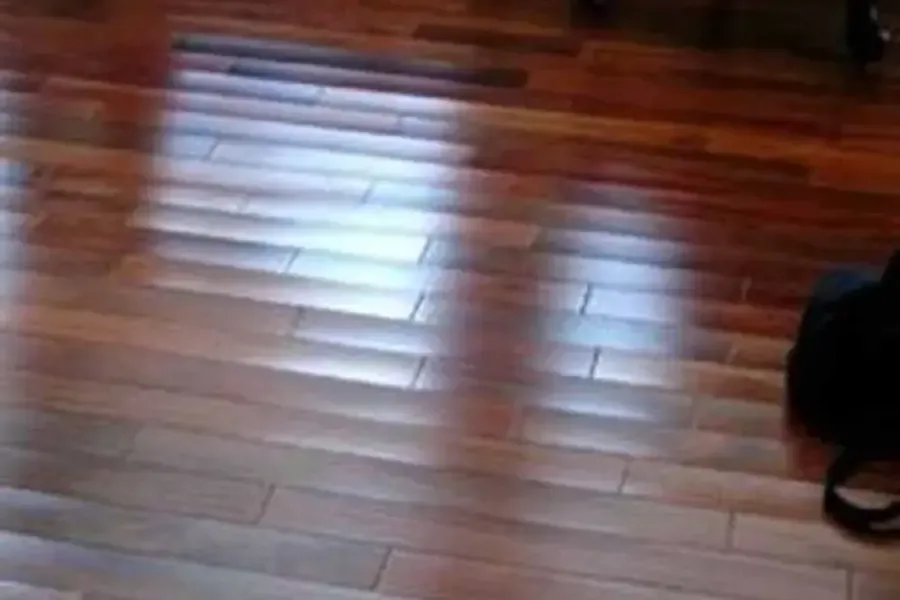 Hardwood Floor Water DamageHardwood restoration evaluates moisture across the floor assembly, including board surfaces, backing and subfloor access. Salvage depends on contamination, attachment, distortion and whether the affected layers can dry without leaving concealed moisture.
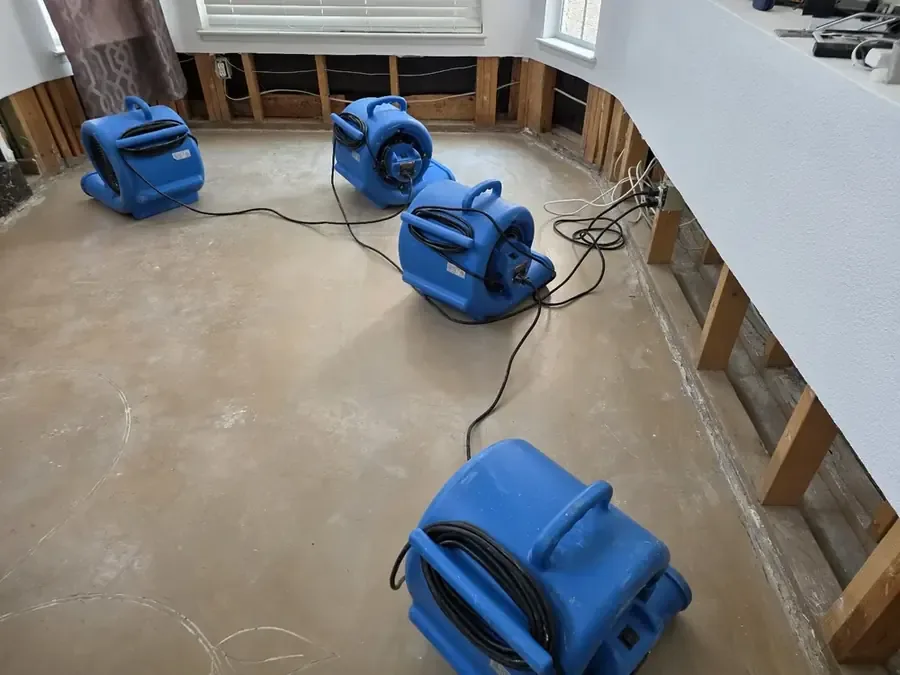 Structural DryingStructural drying removes retained moisture from salvageable building materials after source control and extraction. Air movement, dehumidification and temperature management work together, with repeated measurements showing whether the affected assembly is responding.
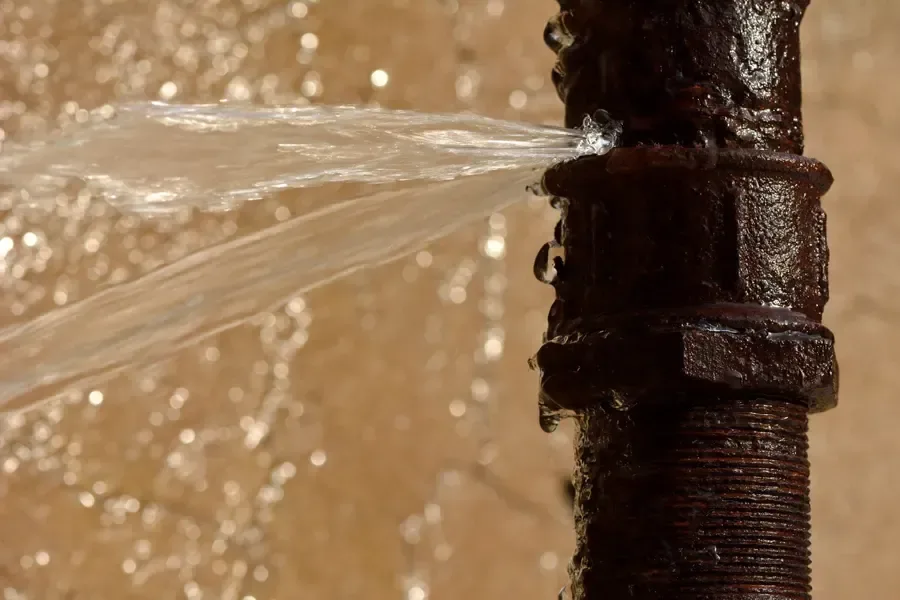 Burst Pipe Water DamageBurst-pipe cleanup follows pressurized water through cavities, floor openings and room edges. A plumber repairs the damaged pipe while restoration technicians remove escaped water and establish a drying plan for connected materials.
Slab leak water damage in Caldwell, NJ
Coverage includes Bloomfield Avenue, Espy Road and Brookside Avenue, with ZIP codes 07006 and 07007. Describe the entry route and affected rooms when requesting a walkthrough.
See the coverage detailsSlab Leak Water Damage questions
Does every warm floor patch mean a slab leak?
No. Temperature differences can have several causes. A plumbing assessment, water-use checks and moisture measurements help locate the source. The restoration crew uses those findings to plan drying rather than cutting a floor solely because it feels warm.
Must the entire floor come out?
Removal depends on the wet footprint, contamination and the covering. Some assemblies permit targeted access, while trapped water beneath an impermeable finish can require wider removal. The contractor explains the affected layers before setting the demolition boundary.
Can a dehumidifier dry through tile?
Room dehumidification helps control vapor, but tile and adhesive can restrict evaporation from below. The team evaluates joints, edges and the substrate to decide whether the assembly has a workable drying path. Selective openings can give trapped moisture a path into the controlled room air.
Who fixes the leaking pipe?
A plumbing professional diagnoses and repairs the source. Restoration work addresses wet materials and the dry-out. The customer should confirm which contractor handles each part and keep the scopes coordinated so the repaired source does not leave concealed moisture untreated.
When can new flooring be installed?
Installation follows source control, drying and product-specific moisture checks. Concrete and wood require different testing methods. The floor installer reviews substrate conditions against the selected product requirements; a dry-looking surface is not a complete installation test.
Can water move into nearby walls?
Yes. Water can reach wall bases, partitions and adjoining finishes through seams or direct contact. Technicians inspect beyond the original stain and include connected wet materials in the moisture map. That prevents an isolated floor repair from concealing damp edges.
What records should be retained?
Keep plumbing findings, photographs of openings, removed-material notes and final moisture tests. Those records explain both the source repair and restoration scope. An insurer evaluates coverage under the policy, including any conditions affecting concealed or gradual leakage.
Restore the floor from the source outward
Coordinated leak repair and measured drying keep the next floor from covering unresolved moisture. Emergency dispatch operates 24/7 for active water losses.
(888) 471-9821Begin with the wet floor layersCaldwell Water Damage Restoration
Caldwell, NJ and nearby Essex County
(888) 471-9821 · open 24/7
Water and sewage losses only
Find us on Google