Structural Drying in Caldwell, NJ
A room can look dry while framing and floor layers remain damp. The drying team maps affected materials, manages evaporation and records progress toward an appropriate dry reference. Emergency dispatch operates 24/7.
(888) 471-9821Discuss the material drying target- IICRC S500 methods
- Daily moisture trend
- Equipment adjusted to readings
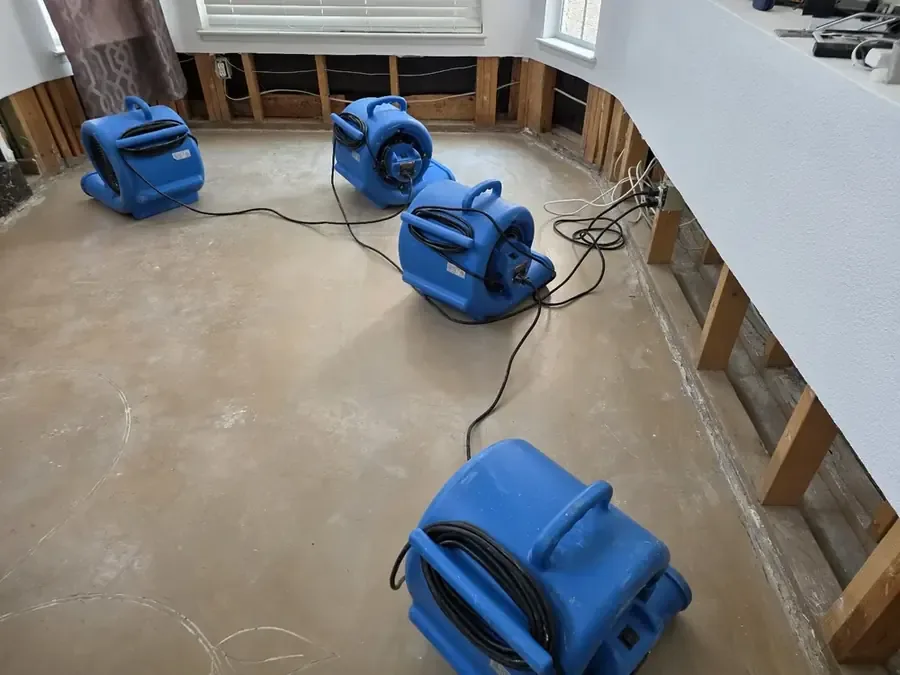
First steps for structural drying
- Confirm source control. Check that the leak or outside entry has stopped before closing the room into a drying environment. Tell the contractor about any renewed dripping or rising moisture.
- Leave equipment settings alone. Once professional equipment is installed, avoid switching it off or moving it without coordination. Changes can alter the planned airflow and make the daily readings harder to interpret.
- Keep access to test points. Leave wall edges, floor openings and inspection areas available for monitoring. Do not reinstall trim or cover exposed materials before the contractor verifies the drying result.
- Report changing conditions. Mention new stains, condensation, unusual heat or equipment problems promptly. The technician can review the system and adjust the plan around occupied spaces and current material readings.
How structural drying is handled
Establish the material baseline
The technician maps affected assemblies and selects suitable reference points. Readings and room conditions define the initial drying goal before the equipment arrangement is finalized. Comparable unaffected materials provide a useful reference for interpreting the wet assembly measurements. The owner receives an explanation of the target and monitoring approach.
Balance evaporation and removal
The crew positions air movers and dehumidifiers for the wet surfaces and room load. Access openings and temperature conditions support a workable moisture-removal path through the assembly. The contractor explains the operating arrangement and keeps monitoring points accessible to the technician.
Review the daily trend
Measurements show which materials are responding and which need a changed approach. The technician checks stalled areas for concealed moisture, continuing entry or an obstructed drying path. Equipment changes are recorded so the next set of measurements has a clear context.
What does structural drying cost in Caldwell, NJ?
Structural drying commonly costs $1,000 to $7,000, depending on wet area, material class, access and equipment duration. Dense or enclosed assemblies can require additional work. The scope should state the monitoring approach and separate drying from source repair and rebuilding.
For a closer planning number, run the water damage cost calculator. The restoration contractor who responds sets the real scope after the walkthrough and the moisture map.
Structural Drying restoration sequence
- 01
Establish the material baseline
The technician maps affected assemblies and selects suitable reference points. Readings and room conditions define the initial drying goal before the equipment arrangement is finalized. Comparable unaffected materials provide a useful reference for interpreting the wet assembly measurements. The owner receives an explanation of the target and monitoring approach.
- 02
Balance evaporation and removal
The crew positions air movers and dehumidifiers for the wet surfaces and room load. Access openings and temperature conditions support a workable moisture-removal path through the assembly. The contractor explains the operating arrangement and keeps monitoring points accessible to the technician.
- 03
Review the daily trend
Measurements show which materials are responding and which need a changed approach. The technician checks stalled areas for concealed moisture, continuing entry or an obstructed drying path. Equipment changes are recorded so the next set of measurements has a clear context.
- 04
Document the completion condition
The contractor compares final results with the established goal and records remaining repair needs. Equipment removal follows material verification rather than an arbitrary calendar deadline. The record identifies any product-specific installation tests still needed for the planned replacement finishes.
A drying system needs both evaporation and moisture removal. Air movers encourage wet surfaces to release water vapor; dehumidifiers remove that vapor from the room air. The technician checks the building materials as well as the air so the equipment serves the actual loss.
Define what needs to dry
At a Bloomfield Avenue property, technicians map affected wall bases, floor layers and accessible framing after liquid water is removed. A room label is not enough: one wall may be dry while a connected corner still holds moisture. The plan records those differences before equipment placement.
For a Brookside Avenue home, the relevant reference comes from comparable unaffected material, not a universal number for every surface. Concrete, wood and gypsum require different measurement methods and interpretation. The contractor explains what readings mean for the assembly being restored.
Give moisture a workable route out
- Remove liquid water before relying on dehumidification.
- Inspect barriers such as impermeable finishes or saturated insulation.
- Position air movers around the actual evaporation surfaces.
- Manage room humidity and temperature within safe operating conditions.
- Recheck concealed edges when surface readings improve faster than the assembly.
Espy Road's documented water-service repairs are separate from a building's retained moisture. The drying team confirms that the property's source is controlled, then evaluates the wet materials at hand. New wetting can defeat an otherwise suitable equipment arrangement.
Use recorded progress to finish the work
The daily log includes room conditions, material readings and equipment changes. If progress slows, the technician checks for continuing entry, inaccessible moisture or an ineffective evaporation path. More equipment is not automatically the answer when a wet layer remains sealed behind a finish.
Hardwood drying requires attention to board stability, while ceiling restoration may require safe cavity access. The final record should identify the drying goal and the condition of the remaining materials. Rebuilding begins after the affected assembly is ready, with damaged finishes and unrelated repairs clearly separated from the completed dry-out.
Safety planning starts with Ready.gov flood precautions; household water-use checks appear at EPA WaterSense.
Related water damage services
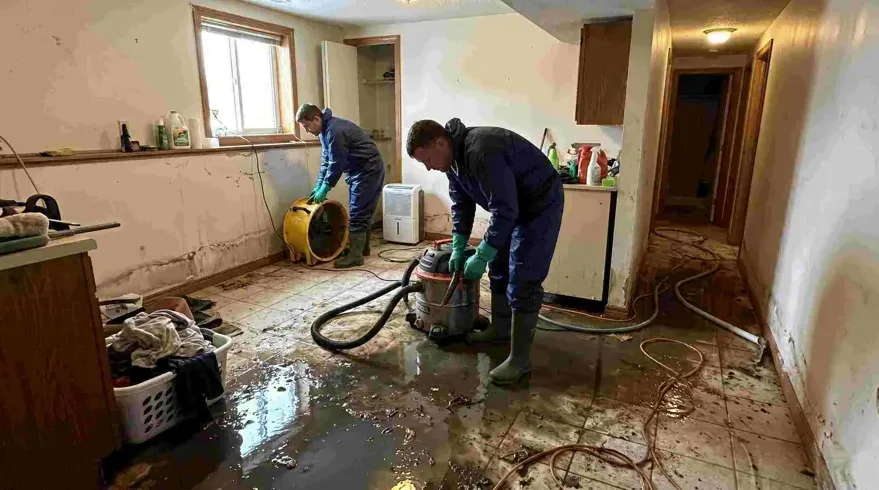 Water ExtractionExtraction removes liquid water before dehumidifiers manage the moisture left in materials. Crews choose pumps, wands and vacuum tools around water depth, contamination and the surfaces that need protection.
 Hardwood Floor Water DamageHardwood restoration evaluates moisture across the floor assembly, including board surfaces, backing and subfloor access. Salvage depends on contamination, attachment, distortion and whether the affected layers can dry without leaving concealed moisture.
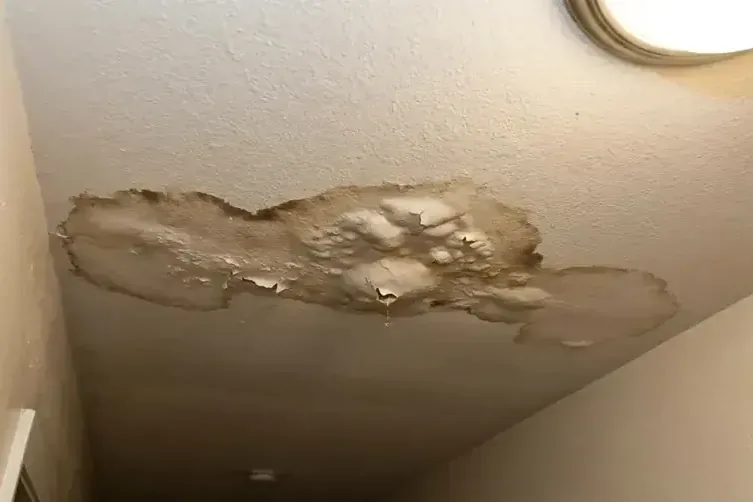 Ceiling Leak Water DamageCeiling cleanup addresses wet drywall, insulation and framing after an overhead release. The source may sit in a bathroom, supply pipe or another space above the stain, so inspection follows the water path.
Structural drying in Caldwell, NJ
Coverage includes Bloomfield Avenue, Espy Road and Brookside Avenue, with ZIP codes 07006 and 07007. Describe the entry route and affected rooms when requesting a walkthrough.
See the coverage detailsStructural Drying questions
What does IICRC S500 contribute?
IICRC S500 describes professional water damage restoration practices, including assessment, drying methods and documentation. The contractor applies those practices to the structure and water conditions. The standard does not replace property-specific measurements or create a fixed drying deadline.
Why are both fans and dehumidifiers needed?
Air movers encourage evaporation from wet surfaces. Dehumidifiers remove the resulting water vapor from the room air. Without effective vapor removal, humidity can rise and slow the process. The technician balances those functions using room and material measurements.
Can equipment be switched off at night?
Coordinate any interruption with the contractor. The drying plan typically assumes continuous operation, and repeated shutdowns can slow progress. If noise, heat or access creates a problem, the technician can review placement and operating conditions rather than leaving the system unplanned.
How long does structural drying take?
Duration depends on materials, saturation, access and indoor conditions. A small accessible loss may dry in several days, while dense or enclosed layers can take longer. Repeated readings determine the endpoint instead of a fixed number of days.
Does low room humidity prove the wall is dry?
No. Room air can become dry while concealed material retains moisture. The technician checks the affected assembly directly with appropriate methods. Air readings help interpret the system, but they cannot replace material verification before a wall is closed.
What happens when readings stop improving?
The crew checks for continued leakage, trapped layers, insufficient access or an equipment arrangement that does not serve the wet area. The plan changes based on those findings. Adding time without investigating the cause can leave the same problem unresolved.
When can repairs begin?
Repair follows source control and confirmation that the remaining assembly meets the drying goal. The contractor records damaged finishes and other work still needed. Replacement flooring or coatings may also have product-specific moisture requirements that the installer must review.
Finish drying with measurements
The contractor follows moisture through the remaining structure and verifies readiness before repairs conceal it. Emergency dispatch operates 24/7.
(888) 471-9821Set the next drying checkpointCaldwell Water Damage Restoration
Caldwell, NJ and nearby Essex County
(888) 471-9821 · open 24/7
Water and sewage losses only
Find us on Google