Burst Pipe Water Damage in Caldwell, NJ
A split supply pipe can wet several assemblies before the main closes. The mitigation crew traces the spray and runoff, extracts water and dries concealed materials after source isolation. Dispatch operates 24/7.
(888) 471-9821Stop the spread through rooms- Supply-source isolation
- Cavity moisture mapping
- 24/7 urgent assessment
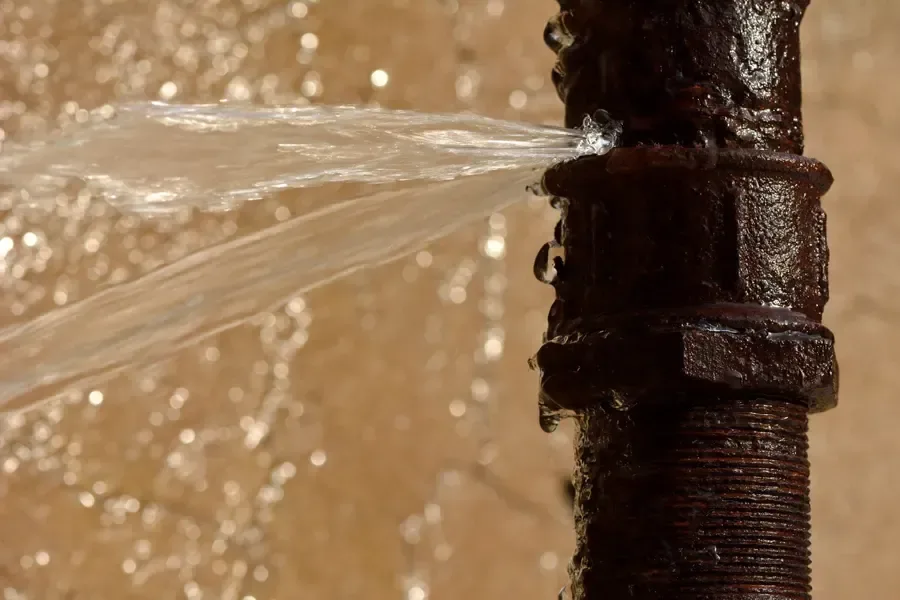
First steps for burst pipe water damage
- Use a safe shutoff. Close the accessible supply valve if doing so does not require entering an electrical or structural hazard. Leave unsafe access to the appropriate emergency professional.
- Keep wet circuits isolated. Do not touch outlets, appliances or cords in the affected area. A dry route and safe electrical assessment are necessary before cleanup begins around energized equipment.
- Catch the history in photos. From a safe position, photograph the spray location, water path and affected rooms. Note when the supply stopped and retain the source-repair details for the job record.
- Prepare the room information. Tell the restoration team which ceilings, walls and floors became wet. Mention water reaching another level, built-in cabinets or inaccessible rooms so the assessment covers connected assemblies.
How burst pipe water damage is handled
Confirm the discharge stopped
The contractor reviews the repair or isolation point and inspects for ongoing escape. The first survey separates source-control needs from water already held in the structure. The repair finding stays with the initial room photographs for a traceable source record. Pressure restoration is coordinated with inspection of the repaired source area.
Map the pressure-fed spread
Technicians trace spray, runoff and downward movement through openings. Readings at walls and adjoining floors define the work area beyond the original burst location. The crew also notes whether water crossed a partition or reached a lower ceiling.
Extract and expose wet layers
The crew removes liquid and opens only the materials needed for safe cleaning and drying. Water category and material condition guide the removal boundary. Preserved finishes remain accessible for readings while removed materials receive a documented disposal record.
What does burst pipe water damage cost in Caldwell, NJ?
Burst-pipe water damage mitigation typically falls between $1,200 and $8,500. The source repair and finish reconstruction are often separate. A pressure-fed release across several rooms, wet insulation or concealed floor layers raises the extraction and drying scope.
For a closer planning number, run the water damage cost calculator. The restoration contractor who responds sets the real scope after the walkthrough and the moisture map.
Burst Pipe Water Damage restoration sequence
- 01
Confirm the discharge stopped
The contractor reviews the repair or isolation point and inspects for ongoing escape. The first survey separates source-control needs from water already held in the structure. The repair finding stays with the initial room photographs for a traceable source record. Pressure restoration is coordinated with inspection of the repaired source area.
- 02
Map the pressure-fed spread
Technicians trace spray, runoff and downward movement through openings. Readings at walls and adjoining floors define the work area beyond the original burst location. The crew also notes whether water crossed a partition or reached a lower ceiling.
- 03
Extract and expose wet layers
The crew removes liquid and opens only the materials needed for safe cleaning and drying. Water category and material condition guide the removal boundary. Preserved finishes remain accessible for readings while removed materials receive a documented disposal record.
- 04
Track recovery after repair
The drying team logs the remaining moisture and adjusts equipment around the affected assembly. Final readings support the transition to rebuilding and reveal any renewed wetting. The last inspection confirms that restored supply pressure has not introduced a fresh release.
The loud spray is only part of a pipe loss. Water can run behind trim, enter insulation and reach the next level through penetrations. Once the supply stops, the restoration assessment looks for those less obvious routes before the structure is closed again.
Trace the release through the building
Along Espy Road, a public-service interruption and a private burst pipe involve different source work. The contractor confirms where water escaped inside the property and whether the shutoff actually stopped the discharge. The moisture map follows that release, not the location of a utility notice.
In a room near Bloomfield Avenue, spray may reach a wall while runoff wets the floor below it. Technicians inspect both heights, including insulation and the underside of the next floor when accessible. The amount of visible standing water cannot describe all of the moisture held in a cavity.
Keep the opening and removal deliberate
- Photograph the failed section and the first wet finishes before removal.
- Check the repair opening for saturated insulation and damaged backing.
- Compare wall bases on both sides of a partition that carried runoff.
- Inspect threshold seams where water moved into adjacent rooms.
- Separate source-repair charges from extraction, drying and rebuilding.
Brookside Avenue provides another coverage reference, but the pipe material and building era must come from the actual inspection. A contractor should not assume the failure mechanism from the street name. The source repair establishes whether corrosion, a joint failure or another condition needs attention.
Verify the repaired source and drying progress
After the plumbing repair, the restoration team checks the affected area for renewed wetting and records a material baseline. Daily readings reveal whether insulation, framing and floor layers are responding to the equipment. A wet cavity may need access even when paint on the room side looks unchanged.
The water extraction service removes pooled liquid, and structural drying addresses retained moisture. Keep the failed-pipe photograph, repair invoice and room-by-room drying record together. That sequence helps the owner distinguish a fixed pipe from a structure ready for finish repairs.
Safety planning starts with Ready.gov flood precautions; household water-use checks appear at EPA WaterSense.
Related water damage services
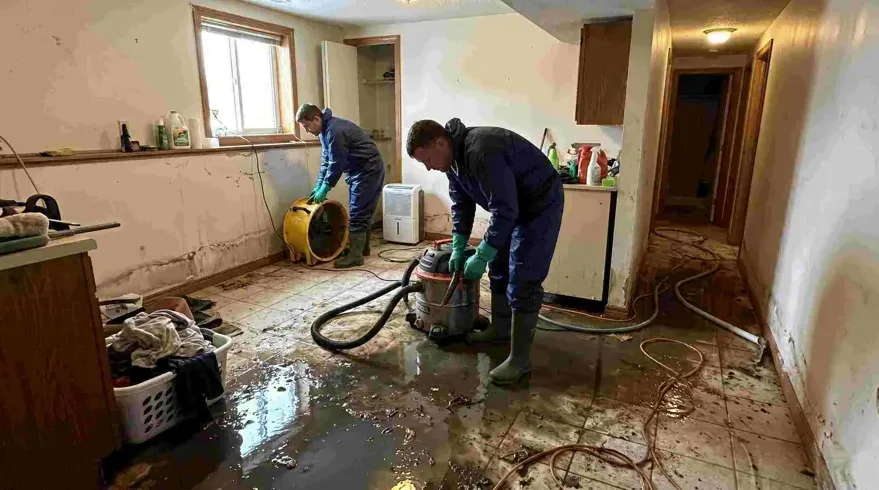 Water ExtractionExtraction removes liquid water before dehumidifiers manage the moisture left in materials. Crews choose pumps, wands and vacuum tools around water depth, contamination and the surfaces that need protection.
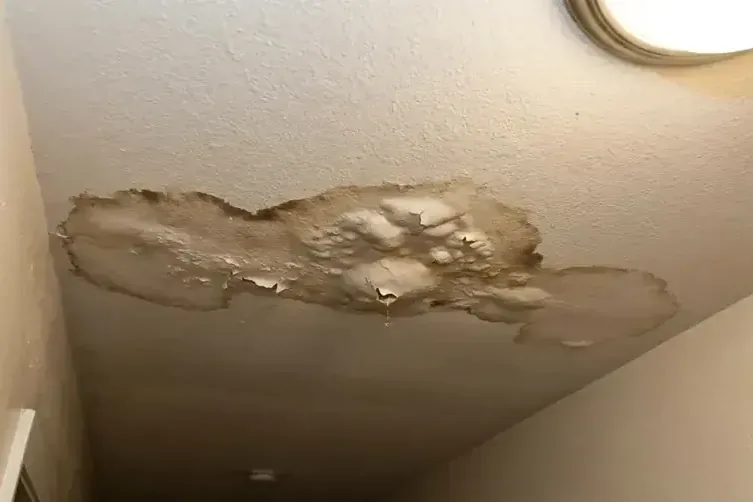 Ceiling Leak Water DamageCeiling cleanup addresses wet drywall, insulation and framing after an overhead release. The source may sit in a bathroom, supply pipe or another space above the stain, so inspection follows the water path.
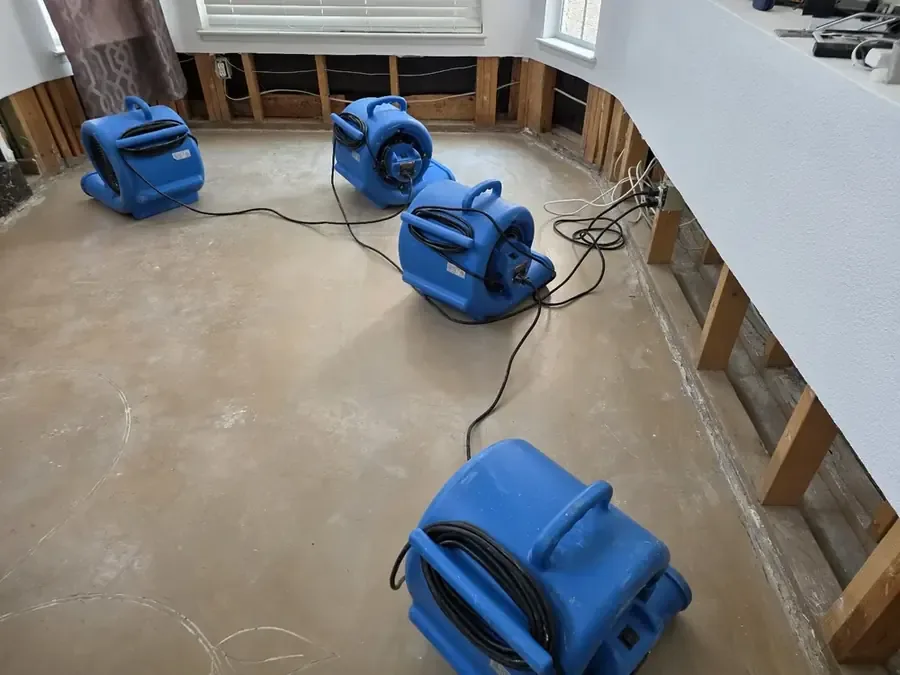 Structural DryingStructural drying removes retained moisture from salvageable building materials after source control and extraction. Air movement, dehumidification and temperature management work together, with repeated measurements showing whether the affected assembly is responding.
Burst pipe water damage in Caldwell, NJ
Coverage includes Bloomfield Avenue, Espy Road and Brookside Avenue, with ZIP codes 07006 and 07007. Describe the entry route and affected rooms when requesting a walkthrough.
See the coverage detailsBurst Pipe Water Damage questions
Should the main valve stay closed?
The damaged supply should remain isolated until a plumbing professional resolves the failure. Restoring pressure too early can restart the discharge. The contractor can coordinate a safe return to service with inspection of the repaired section and nearby wet materials.
Can a clean supply leak become contaminated?
Water can pick up contaminants from building materials and the surroundings after release. The time, temperature and contact conditions matter. The mitigation team evaluates the actual loss before treating all affected materials as a simple clean-water drying job.
Why inspect a room below the burst?
Gravity carries water through floor openings and around pipe penetrations. The lower ceiling may hold water even if the main puddle remains upstairs. Technicians check the connected assembly and keep people clear of sagging or unstable overhead finishes.
Does a pipe repair include drying?
Not necessarily. Plumbing work stops the source; restoration work removes water and dries building materials. Ask for clear scopes so insulation, wall cavities and floor layers do not remain untreated after the pipe begins working again.
Can wall insulation dry in place?
The answer depends on insulation type, access, saturation and contamination. Some wet insulation blocks an effective drying path and needs removal. The contractor inspects behind the finish and explains the material decision before closing the wall.
What affects the drying duration?
Wet area, material density, concealed layers and indoor conditions all matter. The crew uses daily readings to judge progress. Equipment should not leave simply because the surface feels dry or because a set number of days has passed.
What should be documented for insurance?
Keep the source-repair invoice, photographs of the failed section and the initial wet rooms. The restoration record adds moisture maps, removal notes and daily drying logs. The insurer applies the policy terms to the source and resulting damage.
Follow the burst-pipe water to its last wet edge
The mitigation crew combines extraction, cavity checks and monitored drying after source isolation. Urgent dispatch operates 24/7.
(888) 471-9821Get the pipe-loss assessment movingCaldwell Water Damage Restoration
Caldwell, NJ and nearby Essex County
(888) 471-9821 · open 24/7
Water and sewage losses only
Find us on Google