Storm Flood Cleanup in Caldwell, NJ
Storm water can carry soil and contamination into occupied rooms. The cleanup crew controls access, removes floodwater and damaged porous materials, then cleans and dries the exposed structure. Dispatch operates 24/7.
(888) 471-9821Explain the outside-water entry- Contamination-aware removal
- Controlled work zones
- Drying after cleaning
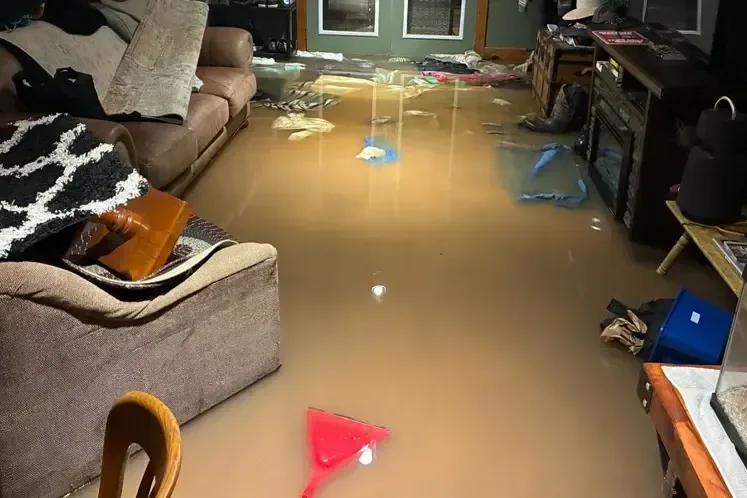
First steps for storm flood cleanup
- Wait for safe entry. Stay outside moving water, damaged structures and wet electrical areas. Follow emergency directions and let qualified personnel assess access before attempting pumping or moving heavy contents.
- Separate clean belongings. Keep people, pets and unaffected items away from floodwater. Do not carry soaked rugs through dry rooms or use household fans to blow across contaminated surfaces.
- Document from a safe position. Photograph the water level, entry route and affected contents. Keep records of disposal and source conditions without re-entering an unsafe room just to collect evidence.
- Describe ongoing inflow. Tell the contractor whether outside water is receding or still entering. Mention lower levels, blocked access and any sewage indication so the work plan reflects current conditions.
How storm flood cleanup is handled
Assess access and the source
The crew reviews electrical, structural and contamination hazards before entering. Continuing inflow and outside water levels determine how removal can proceed without creating additional risk. The team keeps occupants outside the work boundary while those conditions remain under assessment. Clean access routes remain separated from the affected flood-removal work area.
Extract and document damage
Technicians remove accessible floodwater and photograph affected finishes and contents. The work record identifies the observed entry route and water level before major material removal changes the scene. Contents exposure is recorded separately so belongings and building finishes receive clear handling decisions.
Remove and clean affected layers
The contractor contains the work, removes contaminated porous materials and cleans the exposed structure. Appropriate disinfectant use follows label directions before the space transitions into drying. The crew checks product contact time and surface preparation rather than relying on appearance.
What does storm flood cleanup cost in Caldwell, NJ?
Storm flood cleanup commonly ranges from $3,000 to $15,000 or more. Contamination, debris, saturated porous materials and the number of rooms affect cost. Structural repairs and replacement contents can sit outside the mitigation scope, so review the itemized work plan.
For a closer planning number, run the water damage cost calculator. The restoration contractor who responds sets the real scope after the walkthrough and the moisture map.
Storm Flood Cleanup restoration sequence
- 01
Assess access and the source
The crew reviews electrical, structural and contamination hazards before entering. Continuing inflow and outside water levels determine how removal can proceed without creating additional risk. The team keeps occupants outside the work boundary while those conditions remain under assessment. Clean access routes remain separated from the affected flood-removal work area.
- 02
Extract and document damage
Technicians remove accessible floodwater and photograph affected finishes and contents. The work record identifies the observed entry route and water level before major material removal changes the scene. Contents exposure is recorded separately so belongings and building finishes receive clear handling decisions.
- 03
Remove and clean affected layers
The contractor contains the work, removes contaminated porous materials and cleans the exposed structure. Appropriate disinfectant use follows label directions before the space transitions into drying. The crew checks product contact time and surface preparation rather than relying on appearance.
- 04
Dry the exposed assembly
Air movers and dehumidifiers manage retained moisture after cleaning. The team records daily readings, adjusts equipment and checks concealed edges before recommending finish restoration. The completion record distinguishes remaining reconstruction from the contamination cleanup and drying already performed.
Water that has crossed outdoor ground needs a different response from a fresh indoor supply leak. Soil, debris and other contamination affect handling and salvage decisions. The contractor first determines whether the space is safe to enter and whether water continues to rise.
Use the documented storm context carefully
On August 11, 2018, flooding reached downtown Caldwell businesses after heavy rain. Reporting recorded just under 5 inches in the borough. That history illustrates the need to distinguish surface-water entry from a roof leak or a pipe discharge at a particular building.
Along Bloomfield Avenue, the first inspection records the actual doorway, wall opening or lower area where water entered. The team photographs current entry points and records the affected finishes. Current water conditions and the building's safety determine when extraction can begin.
Remove contamination before circulating room air
- Keep clean occupants and pets outside the affected work area.
- Separate flooded belongings from dry storage and walking routes.
- Document the water level and porous materials before removal.
- Collect debris and clean exposed surfaces before setting the drying system.
- Apply appropriate products according to their label and required contact time.
Brookside Avenue and Espy Road properties need the same source-specific assessment. A municipal service interruption on Espy Road is a separate issue from storm water entering a home. The contractor records the observed cause and avoids combining unrelated events in the loss file.
Check the structure after bulk water leaves
Floodwater can remain in wall bases, under built-ins and beneath floor coverings. The crew opens affected porous finishes as required, inspects the exposed structure and creates a drying path. Dehumidification follows cleaning; it does not substitute for removal of contaminated material.
The basement flooding service addresses lower-level access and inflow questions, while sewage backup cleanup handles wastewater from drains. Keep photos, item records and the restoration scope for the insurer. Flood coverage can differ from ordinary water-damage coverage, so the policyholder should identify the actual source when reporting the loss.
Safety planning starts with Ready.gov flood precautions; household water-use checks appear at EPA WaterSense.
Related water damage services
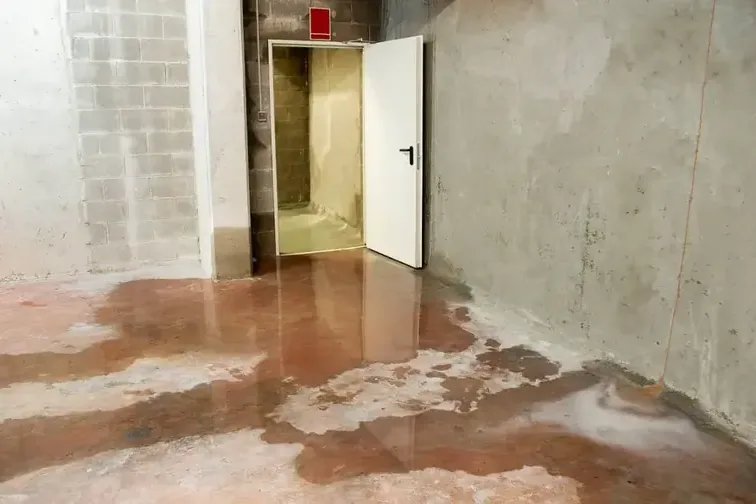 Basement Flooding CleanupBasement cleanup addresses accumulated water and wet materials below the occupied floors above. The source may be plumbing, outside entry or wastewater, and that distinction controls extraction, cleaning and porous-material decisions.
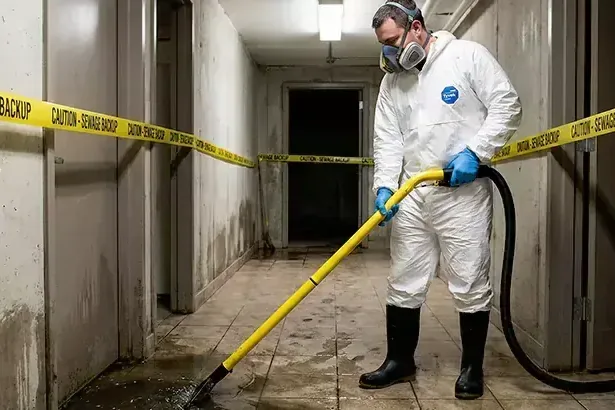 Sewage Backup CleanupSewage backup is Category 3 water. Cleanup combines access control, protective equipment, removal of contaminated porous materials, surface cleaning and suitable antimicrobial treatment before the remaining structure enters monitored drying.
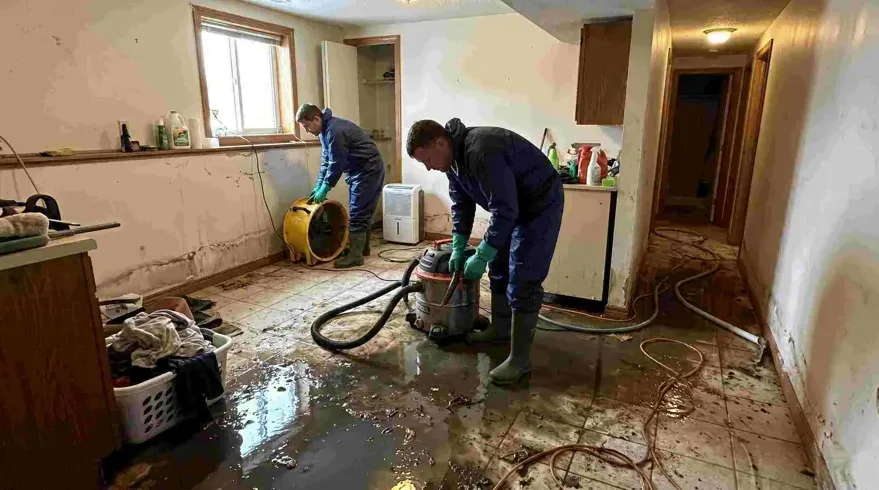 Water ExtractionExtraction removes liquid water before dehumidifiers manage the moisture left in materials. Crews choose pumps, wands and vacuum tools around water depth, contamination and the surfaces that need protection.
Storm flood cleanup in Caldwell, NJ
Coverage includes Bloomfield Avenue, Espy Road and Brookside Avenue, with ZIP codes 07006 and 07007. Describe the entry route and affected rooms when requesting a walkthrough.
See the coverage detailsStorm Flood Cleanup questions
Is outside floodwater considered clean?
No. Water that travels over the ground can carry contamination even when it looks clear. The cleanup team accounts for that exposure when selecting protective measures and deciding which porous materials need removal. The source and exposure guide safe handling.
Can fans be used before cleanup?
Do not blow household fans across contaminated floodwater or dirty surfaces. The crew first controls access, removes water and addresses contaminated materials. Drying equipment follows cleaning and an assessment of the affected structure, rather than spreading debris through occupied rooms.
Can flooded carpet be dried and kept?
Carpet and pad exposed to Category 3 floodwater generally require removal. The contractor documents the affected area and checks the supporting floor. Trying to dry contaminated porous layers can leave material that is unsuitable for restoration.
When can pumping begin?
Safe access, electrical isolation, structural conditions and continuing outside water determine the timing. Lower-level water removal can require particular care when surrounding water pressure remains high. The contractor assesses those conditions before choosing a pumping sequence.
Does homeowners insurance cover surface flooding?
Surface flooding often falls under separate flood coverage rather than an ordinary homeowners water-damage provision. The policyholder should identify the source when speaking with the insurer. Photographs, water-level records and the itemized restoration scope help document the event.
What about belongings in the flooded room?
Contents need separate documentation and cleaning or disposal decisions based on their material and exposure. Keep item records and photographs when safe. The contractor should distinguish building restoration from contents handling so the owner understands what the scope includes.
How is the room cleared for rebuilding?
The team completes removal and cleaning, then tracks drying in the remaining structure. Final readings and observations support the repair plan. New finishes should not cover wet framing or floor layers simply because the visible floodwater has been pumped away.
Clean the flood loss before rebuilding
The restoration crew separates contaminated removal from structural drying and records the work through completion. Emergency dispatch operates 24/7.
(888) 471-9821Start with the flood conditionsCaldwell Water Damage Restoration
Caldwell, NJ and nearby Essex County
(888) 471-9821 · open 24/7
Water and sewage losses only
Find us on Google