Roof Leak Water Damage in Caldwell, NJ
Rain can travel through the attic before a ceiling shows damage. The restoration crew follows that interior path, coordinates roof-source control and dries accessible materials after the entry stops. Dispatch operates 24/7.
(888) 471-9821Trace rainwater through the house- Attic-to-room inspection
- Roof repair coordination
- Monitored cavity drying
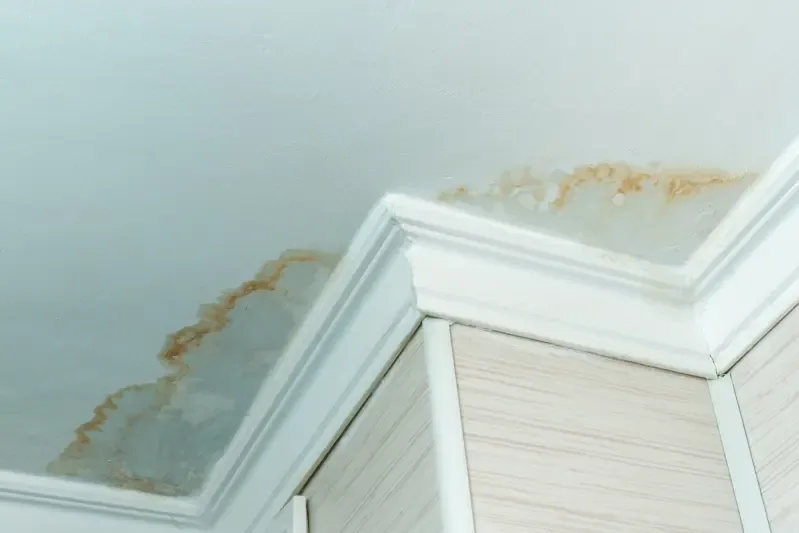
First steps for roof leak water damage
- Stay off the roof. Wet roof surfaces and storm conditions create fall hazards. Arrange appropriate roofing assessment rather than climbing to locate the entry while rain continues or access remains unsafe.
- Keep below-ceiling space clear. Avoid rooms with sagging finishes or dripping near electrical fixtures. Move belongings only from a safe position and do not enter an unsupported attic area.
- Record rain-related changes. Note when dripping begins and stops, and photograph accessible interior stains. Save roofing observations and temporary protection details so the restoration team can connect source control with drying.
- Identify affected levels. Tell dispatch about attic wetting, upper ceilings and water reaching lower rooms. Connected spaces may need inspection even when the visible stain occupies only a small area.
How roof leak water damage is handled
Review the rain-entry control
The contractor coordinates with the roofing assessment and identifies the interior work area. Ongoing entry or unstable overhead materials change what can safely begin inside. Roofing observations and interior photographs remain connected in the work record throughout the dry-out. Interior observations help connect the rain-entry repair with the wet materials.
Trace water through the attic
Technicians inspect accessible decking, framing and insulation before following the path into room finishes. The map includes connected cavities and areas where runoff collected away from the opening. Accessible junctions receive attention because water can turn along them before reaching the room.
Create a drying path
The crew removes unsalvageable or obstructing materials and protects clean rooms. Air movement and dehumidification then address exposed assemblies according to their moisture load and construction. The work sequence avoids directing dusty air or wet debris into unaffected living spaces.
What does roof leak water damage cost in Caldwell, NJ?
Interior roof-leak water damage mitigation often ranges from $1,000 to $6,500, excluding roof replacement or major exterior repairs. Attic access, wet insulation, ceiling removal and the number of affected rooms drive the cleanup and drying cost.
For a closer planning number, run the water damage cost calculator. The restoration contractor who responds sets the real scope after the walkthrough and the moisture map.
Roof Leak Water Damage restoration sequence
- 01
Review the rain-entry control
The contractor coordinates with the roofing assessment and identifies the interior work area. Ongoing entry or unstable overhead materials change what can safely begin inside. Roofing observations and interior photographs remain connected in the work record throughout the dry-out. Interior observations help connect the rain-entry repair with the wet materials.
- 02
Trace water through the attic
Technicians inspect accessible decking, framing and insulation before following the path into room finishes. The map includes connected cavities and areas where runoff collected away from the opening. Accessible junctions receive attention because water can turn along them before reaching the room.
- 03
Create a drying path
The crew removes unsalvageable or obstructing materials and protects clean rooms. Air movement and dehumidification then address exposed assemblies according to their moisture load and construction. The work sequence avoids directing dusty air or wet debris into unaffected living spaces.
- 04
Watch for renewed wetting
Follow-up readings document the trend after source control. The contractor reviews any moisture increase before closing cavities and records final conditions for the interior repair scope. Any renewed stain prompts a source discussion before the team proceeds with interior reinstatement.
The roof opening and the ceiling stain may not line up. Rainwater can follow rafters or other surfaces before reaching a seam below. Interior restoration therefore follows the full path rather than drying only the room where the drip becomes visible.
Separate exterior entry from indoor runoff
Downtown Caldwell experienced significant rainfall flooding in August 2018. Rain through a roof opening and surface water through a doorway are different losses, even during the same storm. The contractor identifies which route affected the property before deciding the water category and material treatment.
At a Bloomfield Avenue building, the roofing assessment addresses flashing, coverings or another entry detail. The restoration inspection begins inside, checking the attic and the rooms below. A temporary exterior measure does not remove water already held in insulation or ceiling materials.
Inspect the attic with safe access
- Keep occupants off wet or unsupported ceiling surfaces.
- Record roof-repair findings alongside interior photographs.
- Look for wet insulation against decking, joists and ceiling finishes.
- Trace water along framing and penetrations into adjacent cavities.
- Protect occupied rooms during controlled removal of damaged materials.
Near the Grover Cleveland Birthplace, nearby buildings still need individual assessment of their roof and attic construction. The material survey identifies the roof decking and insulation present at the property. The contractor checks the actual assembly before choosing access and drying methods.
Keep the interior drying connected to source control
For a Brookside Avenue home, follow-up readings help distinguish drying progress from renewed rain entry. If moisture rises again, the team reviews the source repair and the weather exposure rather than simply adding equipment. Documentation should identify which materials became wet and which source work was completed.
Dense wood, insulation and ceiling finishes release moisture differently. The drying plan creates a workable evaporation path and manages indoor humidity without spreading debris into clean rooms. Ceiling leak cleanup covers the overhead finish assessment, while storm flood cleanup addresses outside water entering at lower openings. Keep those repair scopes clear when reviewing invoices and insurance documentation.
Safety planning starts with Ready.gov flood precautions; household water-use checks appear at EPA WaterSense.
Related water damage services
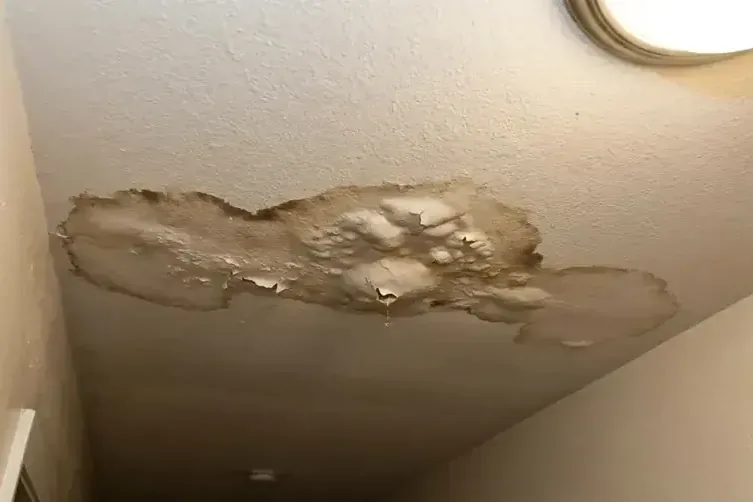 Ceiling Leak Water DamageCeiling cleanup addresses wet drywall, insulation and framing after an overhead release. The source may sit in a bathroom, supply pipe or another space above the stain, so inspection follows the water path.
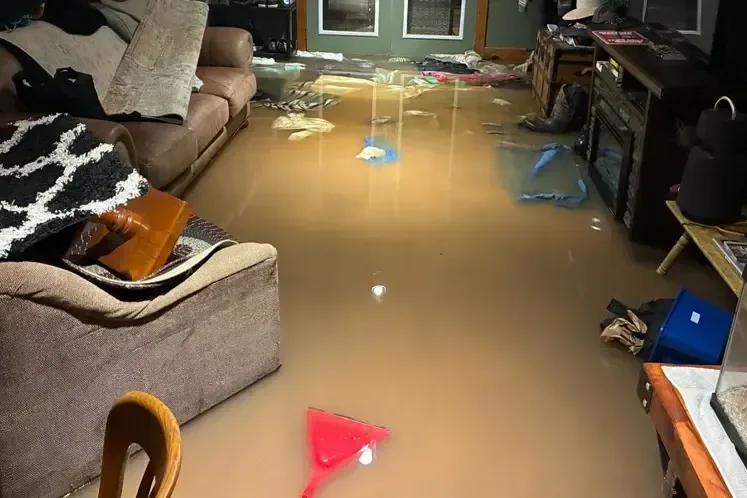 Storm Flood CleanupStorm flood cleanup addresses water that enters from outside at doors, lower openings or other access points. The crew treats the affected space as contaminated and plans removal, cleaning and drying around safe entry.
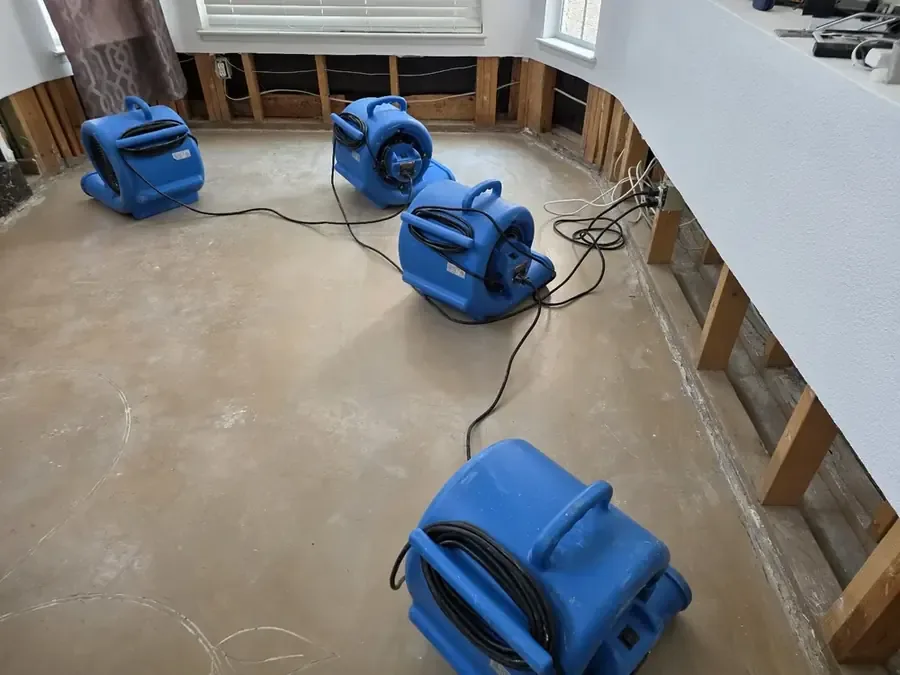 Structural DryingStructural drying removes retained moisture from salvageable building materials after source control and extraction. Air movement, dehumidification and temperature management work together, with repeated measurements showing whether the affected assembly is responding.
Roof leak water damage in Caldwell, NJ
Coverage includes Bloomfield Avenue, Espy Road and Brookside Avenue, with ZIP codes 07006 and 07007. Describe the entry route and affected rooms when requesting a walkthrough.
See the coverage detailsRoof Leak Water Damage questions
Does roof repair dry the ceiling below?
No. A roof repair controls the entry point, while insulation, framing and ceiling layers may still hold water. The restoration scope assesses those materials and establishes drying access. Keep the exterior and interior records together so neither part is overlooked.
Can a ceiling stain appear far from the roof leak?
Yes. Water can run along framing or other surfaces before dripping below. The crew follows accessible wet paths through the attic and adjacent cavities. The visible stain helps locate damage, but it does not identify every affected material.
Should wet attic insulation be removed?
The decision depends on insulation type, saturation, contamination and whether it blocks drying of adjacent layers. The contractor checks its condition rather than assuming all insulation can stay. Removal can create access to framing and ceiling materials that need monitoring.
Can restoration begin before permanent roof repair?
Some protective work and water removal may begin after safe temporary source control. The contractor must account for renewed rain exposure and avoid closing wet assemblies prematurely. Permanent repair and final drying verification need to remain coordinated.
Is every storm-related loss treated as floodwater?
No. Rain entering through the roof and surface water entering from outside follow different contamination paths. The mitigation team evaluates the source and what the water contacted before selecting removal, cleaning and drying methods for the property.
Why do readings need repeating?
Repeated measurements show whether dense wood and concealed edges are drying and whether new water has entered. A single reading captures only one moment. The trend helps the team adjust equipment and confirm the assembly is ready for finish work.
What should the owner retain?
Save roof-repair findings, photographs, temporary protection receipts and the interior restoration record. Note the timing of rain and visible damage. The insurer determines coverage from the policy and circumstances; documentation explains the source and resulting work.
Dry the layers beneath the repaired roof
The mitigation team follows water through the attic and rooms below, with measured drying and clear material records. Emergency dispatch operates 24/7.
(888) 471-9821Discuss the interior rain damageCaldwell Water Damage Restoration
Caldwell, NJ and nearby Essex County
(888) 471-9821 · open 24/7
Water and sewage losses only
Find us on Google