Structural Drying in Totowa
A dry looking room can still contain wet framing or covered floor layers. Structural drying in Totowa uses material measurements and deliberate access to address the moisture that remains after the visible release has been removed.
(888) 471-9821Discuss moisture inside the assembly- Material specific measurements
- Controlled drying conditions
- Defined completion findings
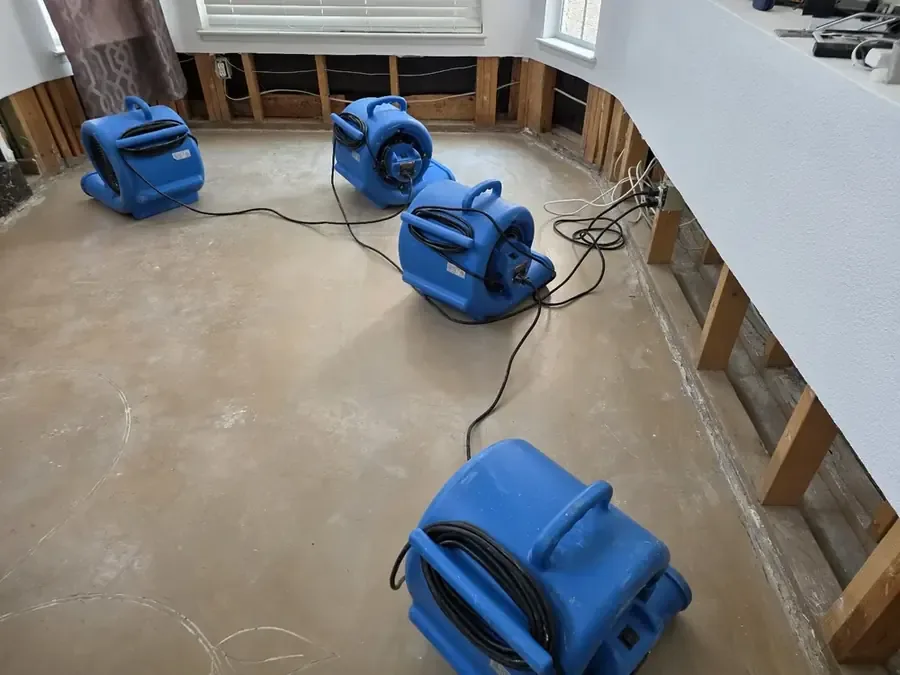
First steps for structural drying
- Confirm the source and cleanup status. The assessment needs the source control status and any unfinished extraction or contaminated material treatment. Those findings establish where drying can begin and which retained layers need attention first.
- Describe the materials still affected. The owner can identify wet walls, flooring or ceilings and any openings already created. Concealed layers and inaccessible rooms affect measurement locations and equipment access.
- Keep the drying area workable. Equipment, hoses and cords need protected placement with safe walking routes. Changes to doors, windows or equipment operation should be discussed because they can alter the conditions established for the drying plan.
- Request a clear material handoff. The completion discussion should explain the readings, retained components and remaining repair needs. Replacement finishes should follow that assessment rather than conceal a wet layer merely because the exposed surface looks improved.
How structural drying is handled
Establish the material moisture map
The assessment identifies source status, cleanup boundaries and retained components. Readings at affected and suitable comparison locations establish the drying needs. The map records inaccessible layers and the openings required to assess them. This connects the work area with actual material findings before equipment is placed and the drying response is monitored.
Create usable drying conditions
Equipment placement follows the inspected materials and available exposure. Selective access may be necessary to reach a cavity or floor layer. The plan also considers room separation, safe circulation and the handling of contents, with an explanation of how the setup is intended to move moisture out of the retained assembly.
Adapt to the observed response
Follow up readings indicate whether material moisture is changing as expected. Equipment or access is adjusted where a section responds differently or a concealed pocket remains. A continuing wet area can also prompt another source assessment, keeping the work tied to the building's condition rather than an unchanged initial arrangement.
What does structural drying cost in Totowa, NJ?
Structural drying in Totowa has planning ranges from $1,000 to $7,000+. Material density, concealed moisture and access influence equipment needs and monitoring. The written scope should distinguish drying from prior extraction, necessary material removal and the reconstruction that follows measured completion.
For a closer planning number, run the water damage cost calculator. The restoration contractor who responds sets the real scope after the walkthrough and the moisture map.
Structural Drying restoration sequence
- 01
Establish the material moisture map
The assessment identifies source status, cleanup boundaries and retained components. Readings at affected and suitable comparison locations establish the drying needs. The map records inaccessible layers and the openings required to assess them. This connects the work area with actual material findings before equipment is placed and the drying response is monitored.
- 02
Create usable drying conditions
Equipment placement follows the inspected materials and available exposure. Selective access may be necessary to reach a cavity or floor layer. The plan also considers room separation, safe circulation and the handling of contents, with an explanation of how the setup is intended to move moisture out of the retained assembly.
- 03
Adapt to the observed response
Follow up readings indicate whether material moisture is changing as expected. Equipment or access is adjusted where a section responds differently or a concealed pocket remains. A continuing wet area can also prompt another source assessment, keeping the work tied to the building's condition rather than an unchanged initial arrangement.
- 04
Document the transition to rebuilding
Completion findings identify the retained materials and their measured condition, along with any damaged finishes removed. The next trade receives a defined starting point for replacement work. The record distinguishes completed drying from unresolved repairs and identifies the components reached during treatment.
Drying a building is a question of where moisture remains and whether it can leave the affected assembly. Moving air across a finished wall may not reach a wet cavity behind it. A useful plan connects equipment placement, accessible surfaces and readings from the materials actually needing treatment.
Identify the assembly before choosing equipment
The assessment records which wall, ceiling or floor layers are present. It separates damaged material needing removal from components suitable for retention. Cleanup conditions also matter: contaminated surfaces require appropriate treatment before ordinary drying work proceeds across the retained assembly.
The Municipal Complex and Public Library are on Cherba Place, and the Community Center is on Union Boulevard. Properties around these locations can have different interior assemblies. The drying plan should therefore follow the inspected building rather than assign a single construction pattern to Totowa.
Use readings to make adjustments
A starting moisture map identifies the affected boundary and comparison locations. Repeated readings show whether the setup is working at meaningful points in the assembly. A stubborn wet pocket may need better access, a changed equipment arrangement or renewed investigation of the water source.
- Check the receiving layer beneath an apparently dry surface.
- Document access limitations that prevent a complete material assessment.
- Consider how room use and open doors affect drying conditions.
- Connect equipment changes with the moisture findings that prompted them.
Define completion before reconstruction begins
Drying should end with material findings that support the planned repair, not simply because the room feels warm or equipment has operated for a while. Retained components need an understandable handoff, particularly where replacement finishes will conceal them again.
The Building Department states that most property improvements need permits. Owners can discuss reconstruction plans there while using the drying record to identify which materials remain and what replacement work follows. The town service hub outlines related cleanup tasks that may precede this stage.
Safety planning starts with Ready.gov flood precautions; household water-use checks appear at EPA WaterSense.
Related water damage services in Totowa
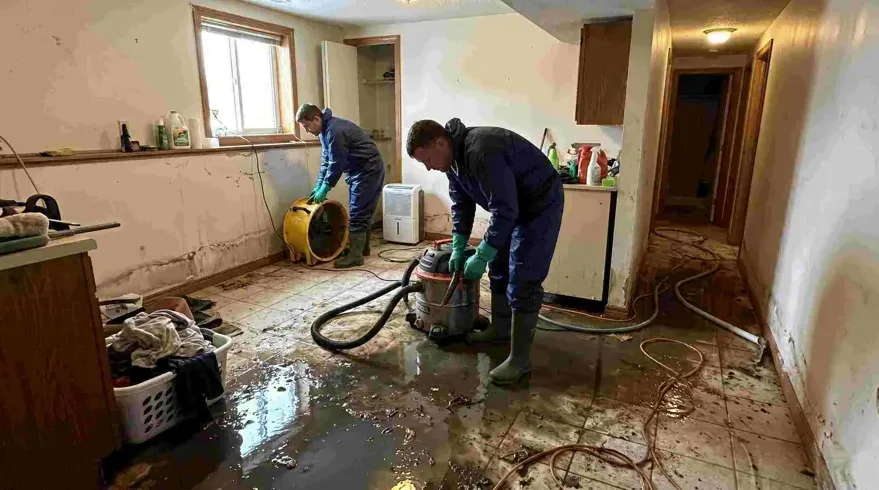 Water Extraction in TotowaExtraction removes liquid water before dehumidifiers manage the moisture left in materials. Crews choose pumps, wands and vacuum tools around water depth, contamination and the surfaces that need protection.
 Hardwood Floor Water Damage in TotowaHardwood restoration evaluates moisture across the floor assembly, including board surfaces, backing and subfloor access. Salvage depends on contamination, attachment, distortion and whether the affected layers can dry without leaving concealed moisture.
Structural Drying in CaldwellStructural drying removes retained moisture from salvageable building materials after source control and extraction. Air movement, dehumidification and temperature management work together, with repeated measurements showing whether the affected assembly is responding.
Structural drying in Totowa, NJ
Buildings near the Municipal Complex, Community Center and Washington Park School can describe the wet assemblies and available room access when discussing a Totowa structural drying assessment.
The same service nearby: structural drying in Caldwell, Woodland Park, North Caldwell.
Water damage restoration in Totowa · every town coveredStructural Drying questions
How is structural drying different from extraction?
Extraction removes liquid that can be collected directly. Structural drying addresses moisture absorbed into retained building materials after the source and cleanup needs are assessed. The remaining assembly determines the access, equipment and monitoring required, so a cleared floor does not automatically finish the drying work.
Can room humidity show that every material is dry?
Air conditions complement measurements in the affected materials. Readings at wall cavities and covered floor layers show their individual response. The completion assessment should identify those locations and explain any access limitation that affects the proposed repair.
Why would a wall need opening during drying?
A finish can block access to moisture behind it or be too damaged for retention. An opening may allow inspection and treatment of the actual wet layer. Its purpose should be explained from material findings, with the scope limited by the conditions rather than a routine assumption about every wall.
Can equipment be turned off when the room feels dry?
Equipment changes should be coordinated with the drying plan. Material readings show how the assembly responds beneath its visible surface. Unscheduled changes interrupt the conditions used to evaluate that response, making the next adjustment harder to assess from consistent observations.
Does every material dry at the same rate?
Different materials and layered assemblies release moisture differently. Access and surrounding conditions also affect the response. The plan should follow readings at the relevant locations and adjust where necessary, rather than assume a visible surface and the supporting structure have reached the same condition together.
When should reconstruction planning begin?
Repair planning can begin while drying is underway, with the retained boundary and replacement needs described clearly. Closing the assembly should follow appropriate completion findings. Permit questions about the proposed improvements can be discussed with the borough Building Department before the rebuilding stage proceeds.
What belongs in the completion record?
The record should identify the measured materials, affected locations, access limitations and remaining repair work. It should also explain the basis for moving into reconstruction. That information helps the owner and finishing trade understand the actual condition of the retained assembly after drying equipment is removed.
Give reconstruction a measured starting point
A clear drying record can identify the treated assembly and remaining repairs, helping the owner make the next decision from material conditions.
(888) 471-9821Plan an assembly drying assessmentCaldwell Water Damage Restoration
Caldwell, NJ and nearby Essex County
(888) 471-9821 · open 24/7
Water and sewage losses only
Find us on Google