Hardwood Floor Water Damage in Totowa
Raised board edges can remain after a floor has been wiped dry. Totowa properties with hardwood need an assessment of the boards and supporting layers before decisions about sanding, lifting or replacing sections are made.
(888) 471-9821Discuss changes in the wood floor- Board condition assessment
- Subfloor moisture checks
- Refinishing timing decisions
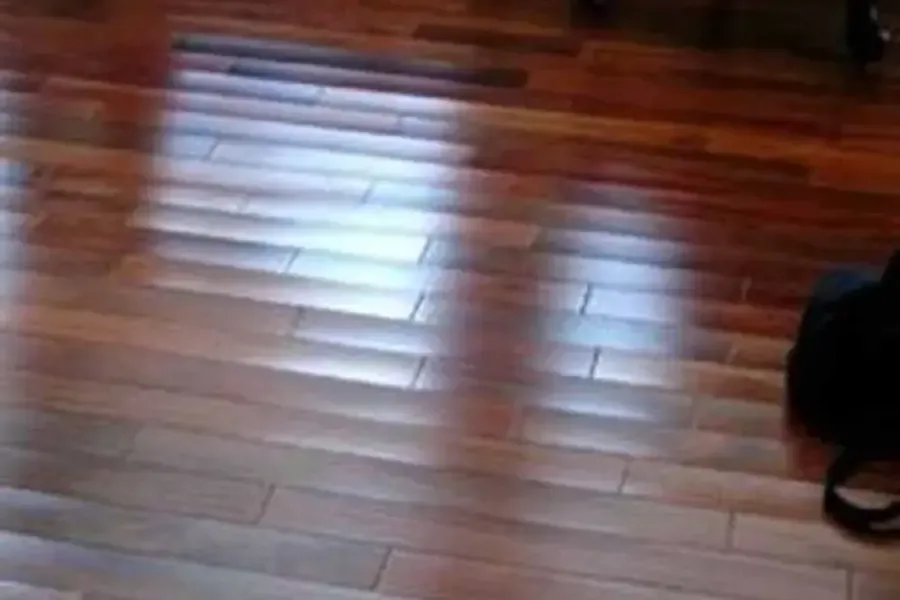
First steps for hardwood floor water damage
- Remove use from unstable sections. Lifted boards and slick surfaces create walking hazards. Keep the affected floor clear of ordinary traffic until the damaged area and a safe route around it have been assessed.
- Record the original board pattern. Photos of raised edges, discolored seams and nearby water help preserve the condition before drying changes it. Notes can identify receiving rooms and source control.
- Avoid early sanding or covering. A quick cosmetic treatment can obscure changes while the supporting layers remain wet. Rugs and replacement coverings should wait until the floor assembly has been inspected and its moisture condition understood.
- Coordinate access and material decisions. The assessment should explain any proposed board lifting, what lies beneath the finish and how retained wood will be checked, with replacement work separated from the immediate water damage treatment.
How hardwood floor water damage is handled
Map condition across the wood surface
The assessment records the release source, affected board pattern and changes at transitions. It identifies the flooring and supporting layers where accessible. Physical condition and contamination are considered alongside moisture so a retention plan is not based only on how attractive the surface looks after water is wiped away.
Remove water and establish layer access
Accessible liquid is extracted, and the assembly is examined for moisture beneath the finish. Selected openings may be needed where covered layers prevent assessment or treatment. The purpose of any lifted section should be explained, with retained boards protected from unnecessary damage during equipment movement and contents relocation.
Track the wood and its support together
Drying measurements follow both the boards and accessible supporting materials. Their responses may differ, which affects equipment placement and the need for further access. Physical changes are observed alongside those readings so drying progress does not become confused with a promise that every board will regain its original shape.
What does hardwood floor water damage cost in Totowa, NJ?
Hardwood floor water damage in Totowa has planning ranges from $1,500 to $6,000+. Wet layers, room connections and access beneath the boards affect treatment. Refinishing or replacement should be distinguished from extraction and drying, with retention decisions tied to the floor's condition.
For a closer planning number, run the water damage cost calculator. The restoration contractor who responds sets the real scope after the walkthrough and the moisture map.
Hardwood Floor Water Damage restoration sequence
- 01
Map condition across the wood surface
The assessment records the release source, affected board pattern and changes at transitions. It identifies the flooring and supporting layers where accessible. Physical condition and contamination are considered alongside moisture so a retention plan is not based only on how attractive the surface looks after water is wiped away.
- 02
Remove water and establish layer access
Accessible liquid is extracted, and the assembly is examined for moisture beneath the finish. Selected openings may be needed where covered layers prevent assessment or treatment. The purpose of any lifted section should be explained, with retained boards protected from unnecessary damage during equipment movement and contents relocation.
- 03
Track the wood and its support together
Drying measurements follow both the boards and accessible supporting materials. Their responses may differ, which affects equipment placement and the need for further access. Physical changes are observed alongside those readings so drying progress does not become confused with a promise that every board will regain its original shape.
- 04
Choose the appropriate finish repair
The final assessment identifies retained sections, damaged components and remaining moisture considerations for the installer. Sanding, partial replacement or broader reconstruction can then be discussed on that basis. The owner receives a defined repair boundary and understands which decisions belong to drying and which belong to the floor restoration stage.
The visible wood surface and the supporting floor can dry at different rates. A room may feel comfortable while moisture remains beneath its boards. Assessment should connect the shape and condition of the wood with measurements in the actual assembly before a cosmetic repair is chosen.
Start with the release and the board changes
The water source affects whether flooring can be retained, while swelling or separation affects its physical suitability. Inspection records which boards changed and where the release traveled. A wet area beside a threshold may connect to a larger receiving layer under the finished surface.
Washington Park School serves fourth through eighth grades in Totowa. The Public Library is on Cherba Place beside the Municipal Complex. For homes near those places or Totowa Road, the floor discussion should identify the actual wood present and the room affected.
Inspect beneath the walking surface
Water entering joints can reach underlayment or the supporting floor. Access from an exposed edge or another suitable location may help assess those layers. The plan should explain whether selected boards need lifting and what that opening is intended to reveal.
- Record cupping, lifted edges and visible finish changes before treatment.
- Check the transition into adjoining rooms and beneath fixed cabinetry.
- Compare affected materials with suitable dry areas in the property.
- Keep heavy contents from hiding the damaged flooring boundary.
Let material findings determine the repair path
Drying cannot reverse every physical defect or contamination issue. Retention, partial replacement and broader replacement are decisions made from the actual floor condition. The owner should understand why a proposed option fits the affected assembly.
A drying assessment can connect wood measurements with surrounding wall and subfloor conditions. Refinishing belongs after that assessment, when the retained materials and remaining repair needs have been defined rather than when the visible puddle first disappears.
Safety planning starts with Ready.gov flood precautions; household water-use checks appear at EPA WaterSense.
Related water damage services in Totowa
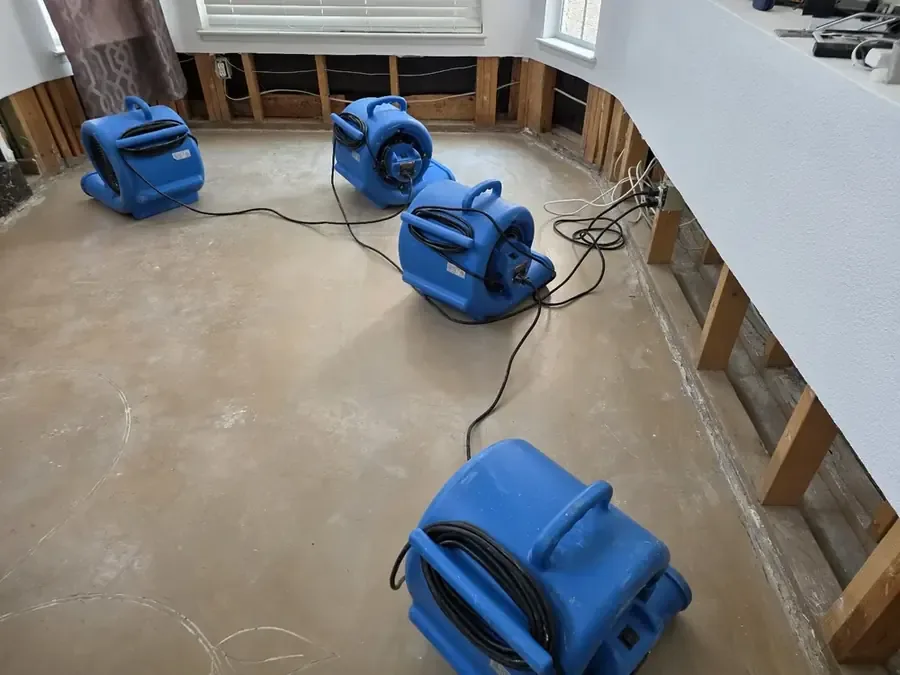 Structural Drying in TotowaStructural drying removes retained moisture from salvageable building materials after source control and extraction. Air movement, dehumidification and temperature management work together, with repeated measurements showing whether the affected assembly is responding.
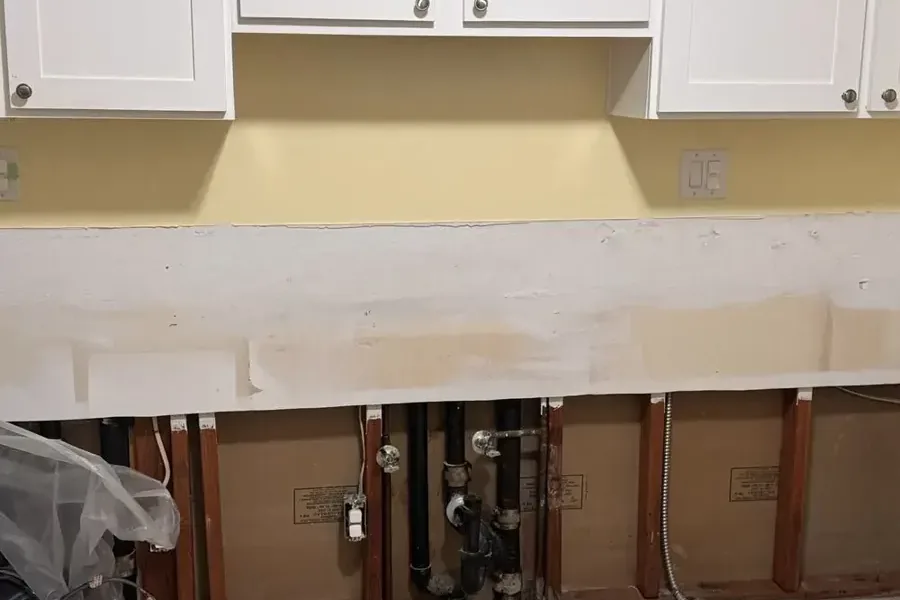 Appliance Leak Water Damage in TotowaAppliance cleanup addresses escaped water from supply connections, drains and equipment failures. The water source affects contamination decisions, while the cabinet and floor construction determine how technicians reach and dry concealed moisture.
Hardwood Floor Water Damage in CaldwellHardwood restoration evaluates moisture across the floor assembly, including board surfaces, backing and subfloor access. Salvage depends on contamination, attachment, distortion and whether the affected layers can dry without leaving concealed moisture.
Hardwood floor water damage in Totowa, NJ
For properties near Washington Park School, Totowa Road and the Public Library, the floor assessment can start with the room location, wood condition and the known water source.
The same service nearby: hardwood floor water damage in Caldwell, Woodland Park, North Caldwell.
Water damage restoration in Totowa · every town coveredHardwood Floor Water Damage questions
Can wet hardwood always be saved?
Retention depends on contamination, board condition, installation and supporting layer moisture. Inspection identifies sections suitable for drying and those needing replacement. The proposed scope should explain the material findings behind each decision about the affected wood.
Why do board edges rise after the spill is gone?
Wood changes shape as moisture changes, while the supporting floor can remain wet beneath a dry surface. Measurements across the assembly help explain the board pattern and inform repair decisions for the affected section.
Should raised boards be sanded immediately?
Sanding is a finishing decision that should wait for assessment of the retained floor and supporting layers. Early removal of wood can complicate later repair if moisture conditions are still changing. The drying record and physical condition should inform the timing and suitability of refinishing.
Is moisture below the boards important?
The supporting layer can hold water that the finished surface conceals. That moisture can affect the drying response and the readiness for replacement finishes. Inspection needs a practical way to evaluate the relevant layers, with any necessary access explained before boards or adjoining trim are removed.
Can furniture stay in the room while drying proceeds?
The placement and condition of contents affect access and the floor surface beneath them. Some items may need protected relocation so the whole wet area can be assessed. Heavy furniture should not be dragged across swollen boards, and its wet base may need separate inspection.
Will a small wet patch mean a small repair?
The visible patch may be smaller than the affected layer below it, particularly where water traveled through joints or beneath fixed components. An estimate needs the actual floor assessment. Any expanded treatment boundary should follow newly exposed moisture.
What information helps the flooring installer afterward?
The installer needs a clear description of the retained floor, supporting material findings and sections removed or damaged. Moisture records and source repair details help establish the next stage. A readable handoff makes the distinction between completed drying and unfinished decorative or replacement work clear.
Make the floor decision from the assembly
Measurements and physical inspection can clarify retention, access and replacement needs, giving the owner a practical basis for the next flooring repair conversation.
(888) 471-9821Discuss the wet wood assemblyCaldwell Water Damage Restoration
Caldwell, NJ and nearby Essex County
(888) 471-9821 · open 24/7
Water and sewage losses only
Find us on Google