Appliance Leak Water Damage in Totowa
The towel that clears an appliance spill cannot reach every cabinet edge or covered floor layer. Totowa cleanup assessments look beyond the machine's front panel to find water held in the surrounding room assembly.
(888) 471-9821Discuss hidden appliance spill damage- Supply or discharge assessment
- Cabinet edge checks
- Covered floor inspection
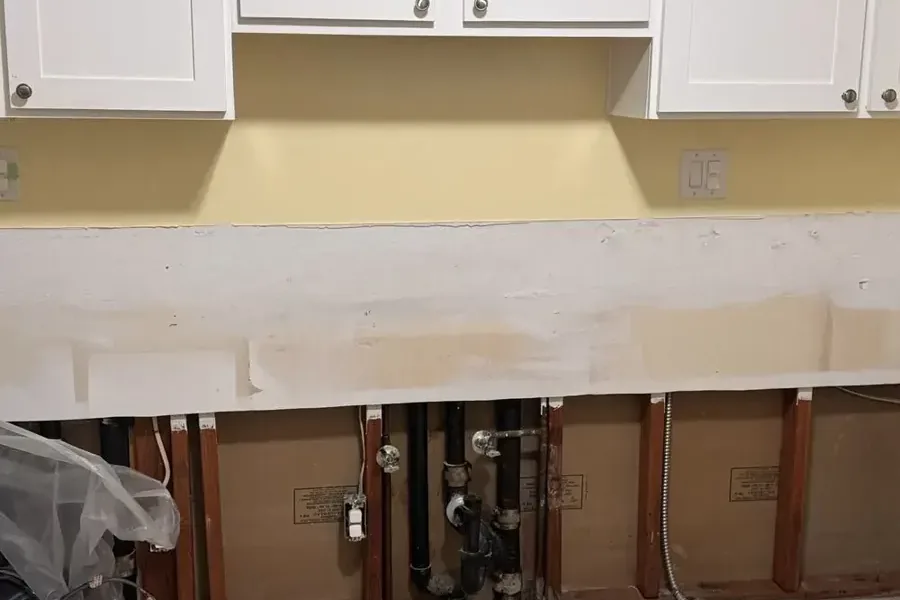
First steps for appliance leak water damage
- Stop use without testing another cycle. Continued operation can release more water into concealed areas. The owner should describe the observed cycle or connection and leave source diagnosis to an appliance or plumbing professional.
- Keep clear of wet power connections. A plug or control reached through standing water needs electrical assessment before handling. Source isolation depends on the installation; machine movement requires planning.
- Record the edges of the spill. Photos can show water beneath cabinet fronts, across flooring joints or at an adjoining doorway. These observations help the assessment find wet areas that may become less visible after surface wiping.
- Plan access to the recess. The cleanup and repair scopes should coordinate any machine movement, allowing the floor and surrounding cabinets to be inspected before the repaired appliance returns and hides the affected surfaces again.
How appliance leak water damage is handled
Reconstruct the appliance release
The assessment records which appliance was involved, what it was doing and where water appeared first. Source repair is coordinated with safe equipment access. The condition of the released water and its contact with surrounding surfaces inform the cleanup method before any machine movement or floor opening is planned.
Reach the concealed spill area
Equipment access exposes the recess, neighboring cabinet bases and floor seams where water may have remained. Extraction clears accessible liquid, while inspection identifies finishes that need removal for damage or access reasons. The work boundary includes connected rooms when water has passed beneath thresholds or around a cabinet return.
Treat and dry the receiving materials
Cleaning methods reflect the release condition, and retained materials receive targeted drying. Readings at floor edges and inside accessible recesses show whether moisture is decreasing. If a covered layer remains wet, the plan can change the access or material scope instead of relying on the visible floor face alone.
What does appliance leak water damage cost in Totowa, NJ?
Appliance leak water damage in Totowa has planning ranges from $700 to $4,800+. Used water, cabinet involvement and concealed floor layers can increase the work. Appliance servicing, removal of damaged finishes and later reconstruction should be identified separately in the written estimate.
For a closer planning number, run the water damage cost calculator. The restoration contractor who responds sets the real scope after the walkthrough and the moisture map.
Appliance Leak Water Damage restoration sequence
- 01
Reconstruct the appliance release
The assessment records which appliance was involved, what it was doing and where water appeared first. Source repair is coordinated with safe equipment access. The condition of the released water and its contact with surrounding surfaces inform the cleanup method before any machine movement or floor opening is planned.
- 02
Reach the concealed spill area
Equipment access exposes the recess, neighboring cabinet bases and floor seams where water may have remained. Extraction clears accessible liquid, while inspection identifies finishes that need removal for damage or access reasons. The work boundary includes connected rooms when water has passed beneath thresholds or around a cabinet return.
- 03
Treat and dry the receiving materials
Cleaning methods reflect the release condition, and retained materials receive targeted drying. Readings at floor edges and inside accessible recesses show whether moisture is decreasing. If a covered layer remains wet, the plan can change the access or material scope instead of relying on the visible floor face alone.
- 04
Coordinate the return to service
The final assessment identifies the condition of the surrounding assembly and any reconstruction still needed. Appliance repair remains a separate responsibility, but the schedules should connect so equipment does not conceal unfinished cleanup. Documentation records the affected area and the basis for retaining materials or replacing damaged cabinet and floor components.
A machine can hide the earliest part of its own leak. Water may collect behind a dishwasher panel, travel beneath a cabinet base or spread under a washing machine before it reaches a visible floor edge. Cleanup needs access to that concealed starting point as well as the open spill.
Identify what escaped from the appliance
The assessment distinguishes a supply connection release from water discharged after use. Detergent, food residues or other material in used water can change cleaning and retention decisions. The owner can help by describing the appliance's activity when the leak appeared, without restarting it to reproduce the problem.
Totowa's drinking water is purchased from Passaic Valley Water Commission. The water condition at a leaking appliance is assessed from the actual release and contact inside the property, including whether it passed through the machine before reaching the floor.
Inspect behind the visible front edge
A property near Union Boulevard, the Public Library on Cherba Place or Washington Park School should describe any cabinet or doorway limiting access. Equipment movement must account for connected utilities and the stability of the wet floor. Pulling a machine forward without a plan can add damage.
- Check the recess and adjacent cabinet bases for retained moisture.
- Look along flooring seams that carry water beyond the appliance.
- Assess porous backing and underlayment beneath a dry looking surface.
- Separate machine servicing from the treatment of damaged building materials.
Return the machine to a suitable surrounding space
An appliance repair can be complete while the recess remains wet. Cabinets and floor layers need evaluation before trim is reinstalled or the machine obscures the area again. Selective openings can improve access where the visible surface prevents meaningful assessment.
For wood finishes, floor moisture assessment can address the receiving assembly. A clear cleanup scope records where the spill traveled, what was removed and which retained layers need drying before the installation is put back into everyday use.
Safety planning starts with Ready.gov flood precautions; household water-use checks appear at EPA WaterSense.
Related water damage services in Totowa
 Hardwood Floor Water Damage in TotowaHardwood restoration evaluates moisture across the floor assembly, including board surfaces, backing and subfloor access. Salvage depends on contamination, attachment, distortion and whether the affected layers can dry without leaving concealed moisture.
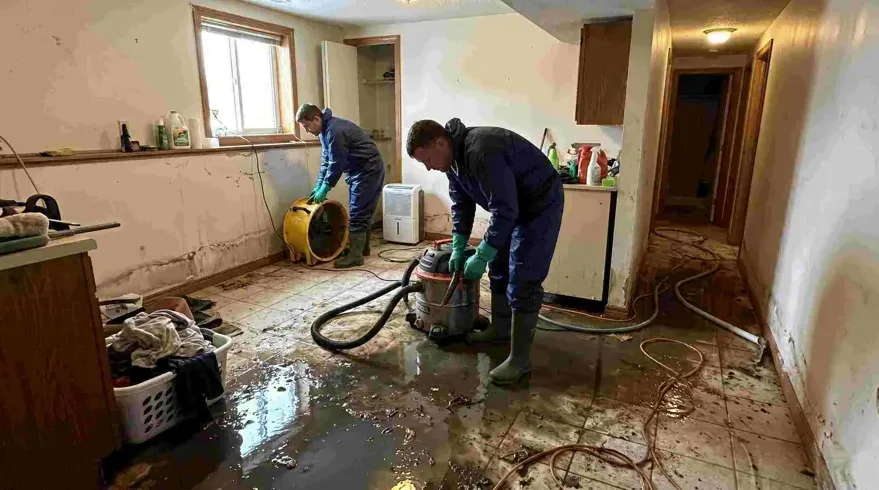 Water Extraction in TotowaExtraction removes liquid water before dehumidifiers manage the moisture left in materials. Crews choose pumps, wands and vacuum tools around water depth, contamination and the surfaces that need protection.
Appliance Leak Water Damage in CaldwellAppliance cleanup addresses escaped water from supply connections, drains and equipment failures. The water source affects contamination decisions, while the cabinet and floor construction determine how technicians reach and dry concealed moisture.
Appliance leak water damage in Totowa, NJ
Near Union Boulevard, the Public Library and Washington Park School, Totowa owners can describe the appliance, cycle or connection involved and the nearest dry approach to its installation.
The same service nearby: appliance leak water damage in Caldwell, Woodland Park, North Caldwell.
Water damage restoration in Totowa · every town coveredAppliance Leak Water Damage questions
Does an appliance leak count as clean water?
The source and path determine water condition. A supply connection release differs from discharge after a wash cycle. Cleanup decisions account for contact with surrounding surfaces and the materials involved, including porous layers beneath the appliance recess and nearby cabinets.
Should the appliance be pulled out immediately?
Connections, power and floor condition need consideration before movement. Pulling a heavy machine across a wet or damaged surface can create further problems. The assessment should coordinate access with the appropriate repair trade so the concealed area can be reached safely and inspected thoroughly.
Why check cabinets beside a small floor spill?
Water can move beneath a cabinet base before reaching the open floor. Porous components may absorb moisture without showing much change at the visible front. Inspecting the adjoining bases and recess helps define the real damage footprint and any material that remains inaccessible behind trim.
Can a dry floor surface still conceal wetting?
Yes. Seams and edges can admit water to underlayment or the supporting surface. The top may dry faster than those layers. Material measurements and selective access help determine whether the assembly needs further drying or removal before the appliance and finishes are returned.
Is another wash cycle useful for diagnosis?
Restarting an appliance can add water to an already affected area. The owner can instead describe the cycle, sound or visible connection involved when the release occurred. An appropriate service professional can decide how to investigate the source without uncontrolled additional damage to the surrounding room.
Does cleanup include repairing the machine?
The written scope should distinguish appliance servicing from water damage work. Cleanup addresses the surrounding materials, while a suitable repair professional resolves the equipment fault. Coordinating both prevents a repaired machine from returning to a wet recess or a cleanup area from receiving another release.
What documents help after hidden damage is exposed?
Photos of the recess and flooring layers, material findings and the repair diagnosis can explain why the scope changed. The owner should receive a clear account of newly visible damage and any added work. This keeps cabinet or floor removal tied to actual conditions rather than an unexplained allowance.
Reach the moisture the machine hides
A coordinated access and drying plan can address the surrounding room before repaired equipment returns, giving the owner a clearer path through cleanup and replacement finishes.
(888) 471-9821Discuss the wet appliance recessCaldwell Water Damage Restoration
Caldwell, NJ and nearby Essex County
(888) 471-9821 · open 24/7
Water and sewage losses only
Find us on Google