Appliance Leak Cleanup in Woodland Park
A small puddle beside a dishwasher or washer may be the only visible sign of a larger leak. Woodland Park appliance cleanup checks the recess, adjoining cabinets and concealed floor layers around the machine.
(888) 471-9821Discuss the appliance water path- Recess and cabinet checks
- Supply or discharge assessment
- Layered floor drying
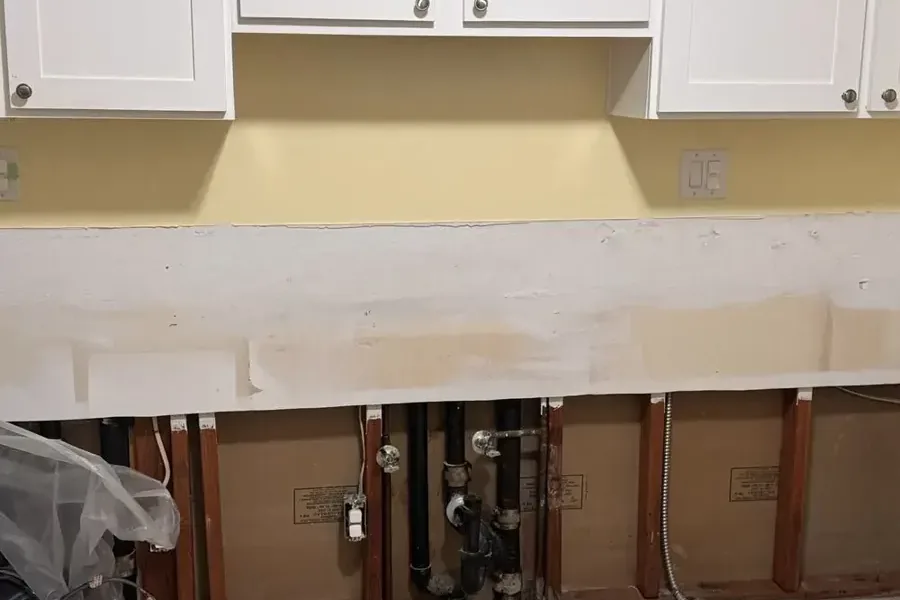
First steps for appliance leak water damage
- Stop using the affected machine. An appliance with an active leak should remain out of use until its source is assessed. Electrical isolation and water shutoffs need a safe approach without reaching across wet surfaces.
- Describe when water appeared. The filling, washing or draining stage can help the repair professional investigate. Record the observation and visible spread without running another cycle that could add water to damaged materials.
- Keep the recess accessible. Heavy machines and attached connections need careful handling. Coordinate any movement with qualified help so the wet floor beneath can be inspected without creating a second plumbing or electrical problem.
- Check adjoining storage and finishes. Note swollen cabinet edges, damp contents and lifted floor joints. Those details help define the restoration boundary beyond the appliance footprint and identify surfaces requiring cleaning before drying equipment is arranged.
How appliance leak water damage is handled
Identify the appliance release pattern
The assessment records the machine involved, the cycle timing and the visible water path. Source repair responsibilities are coordinated before the machine is returned to use. Water condition is considered at the outset because a supply connection failure and used discharge can require different cleanup decisions around the same cabinet.
Inspect behind and beneath fixed surfaces
Safe machine movement exposes the recess where practical. Cabinet bases, toe kicks and floor transitions are checked for moisture and deformation. The findings define any selective removal needed to reach trapped water, with attention to preserving sound materials that can remain accessible throughout the drying process.
Clean and dry the retained layers
Residue is addressed before air circulation begins. Equipment then targets the wet floor assembly and remaining cabinet or wall surfaces. Measurements help identify stubborn pockets below fixed fixtures, allowing the access or airflow arrangement to change when a hidden area responds differently from the open room.
What does appliance leak water damage cost in Woodland Park, NJ?
Appliance leak restoration in Woodland Park varies with water condition, cabinet damage and hidden floor spread. Planning ranges below address cleanup and drying; machine repair, replacement parts and reconstruction should be listed separately so the owner can compare the complete proposed work.
For a closer planning number, run the water damage cost calculator. The restoration contractor who responds sets the real scope after the walkthrough and the moisture map.
Appliance Leak Water Damage restoration sequence
- 01
Identify the appliance release pattern
The assessment records the machine involved, the cycle timing and the visible water path. Source repair responsibilities are coordinated before the machine is returned to use. Water condition is considered at the outset because a supply connection failure and used discharge can require different cleanup decisions around the same cabinet.
- 02
Inspect behind and beneath fixed surfaces
Safe machine movement exposes the recess where practical. Cabinet bases, toe kicks and floor transitions are checked for moisture and deformation. The findings define any selective removal needed to reach trapped water, with attention to preserving sound materials that can remain accessible throughout the drying process.
- 03
Clean and dry the retained layers
Residue is addressed before air circulation begins. Equipment then targets the wet floor assembly and remaining cabinet or wall surfaces. Measurements help identify stubborn pockets below fixed fixtures, allowing the access or airflow arrangement to change when a hidden area responds differently from the open room.
- 04
Coordinate reinstallation with the condition record
The final assessment identifies dried surfaces, damaged panels and any finishes requiring replacement. Appliance reinstallation should account for access still needed at the recess. Repair invoices, material photographs and moisture records can remain together so the owner has a clear description of both source correction and completed restoration.
During 2023 billing cycles, the borough's tax and water department identified 68 leaks and notified residents. An overlooked appliance release deserves a closer look at the room itself. Wet toe kicks, lifted flooring or damp cabinet contents can show where water has spread beyond the machine.
The wash cycle can help describe the source
Water appearing during filling may have a different origin from water released during draining. Those observations are useful to the appliance technician or plumber. Restoration also needs to know whether the water carried food residue, detergent or other material that changes cleaning and removal requirements.
At a property along Browertown Road, the appliance recess may be surrounded by cabinetry or a layered floor. Water can remain beneath the machine even after the walkway is wiped dry. Safe access should be coordinated before connections are disturbed or a heavy appliance is moved.
Inspect the low edges of cabinetry
Cabinet panels and toe kicks can swell after soaking. Moisture may also extend under the cabinet footprint, where ordinary room airflow has little effect. Selective access gives the assessment a clearer view of the wet boundary and helps distinguish salvageable surfaces from damaged panels.
- Record the cycle or activity associated with the first visible water.
- Keep wet cabinet contents apart from clean food and stored belongings.
- Check flooring at transitions into nearby rooms for concealed lateral spread.
- Avoid restarting the appliance merely to reproduce an active uncontrolled leak.
Fit the drying plan to the recess
Whether the property is near Alfred Baumann Public Library or on Maple Avenue, the actual kitchen or laundry layout determines equipment access. The cleanup scope should reach under affected finishes and around fixed cabinetry instead of treating only the floor visible from the doorway.
Once the failed component is corrected, readings track retained material moisture. Reinstalling the appliance or cabinet fronts should follow that assessment so the drying path remains open for as long as the assembly needs it.
Safety planning starts with Ready.gov flood precautions; household water-use checks appear at EPA WaterSense.
Related water damage services in Woodland Park
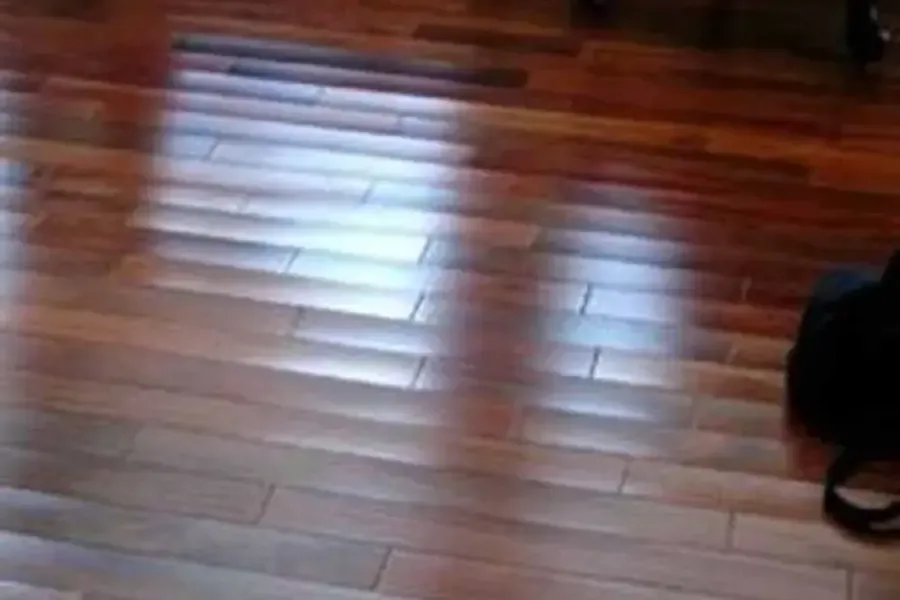 Hardwood Floor Water Damage in Woodland ParkHardwood restoration evaluates moisture across the floor assembly, including board surfaces, backing and subfloor access. Salvage depends on contamination, attachment, distortion and whether the affected layers can dry without leaving concealed moisture.
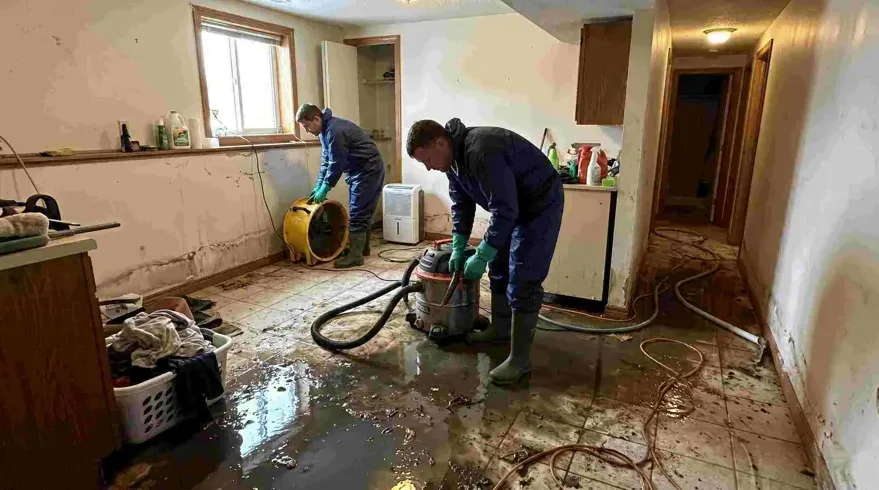 Water Extraction in Woodland ParkExtraction removes liquid water before dehumidifiers manage the moisture left in materials. Crews choose pumps, wands and vacuum tools around water depth, contamination and the surfaces that need protection.
Appliance Leak Water Damage in CaldwellAppliance cleanup addresses escaped water from supply connections, drains and equipment failures. The water source affects contamination decisions, while the cabinet and floor construction determine how technicians reach and dry concealed moisture.
Appliance leak water damage in Woodland Park, NJ
Appliance leak assessments cover Woodland Park homes and other properties, including McBride Avenue and Browertown Road, with attention to safe machine access and surrounding cabinet or floor damage.
The same service nearby: appliance leak water damage in Caldwell, Totowa, Clifton.
Water damage restoration in Woodland Park · every town coveredAppliance Leak Water Damage questions
Can the appliance simply be pushed back after repair?
The recess and surrounding materials should be checked first. Water may remain below the machine or cabinet footprint even after the source is fixed. Reinstallation needs to preserve access where drying or cleaning is still required beneath the surrounding finishes.
Why does the wash cycle matter during assessment?
The timing can help distinguish a supply problem from a discharge issue. That helps the repair professional investigate the source and informs cleanup decisions. Used appliance water may carry residues that require more than removal of the visible puddle beside the machine.
Do swollen cabinet panels recover after drying?
Some panels lose shape or integrity after soaking and may need replacement. Other components can remain if their condition permits effective cleaning and drying. The assessment should explain the decision for each affected part rather than treating the entire cabinet as one material.
Is the floor under nearby cabinets checked too?
Yes, when the water path reaches that area. A cabinet footprint can conceal damp flooring beyond the visible appliance recess. Moisture mapping and selective access help establish whether the cleanup boundary needs to extend beneath fixed surfaces or into an adjoining room.
Can a leaking washer affect the ceiling below?
Water can pass through floor joints and reach the assembly beneath an upper room. The inspection should consider signs below as well as around the washer. Ceiling staining or damp insulation may need a coordinated assessment of the connected layers.
Should the appliance be run to demonstrate the leak?
An uncontrolled test can add water to already damaged materials. The machine should be assessed by the appropriate repair professional before further use. Photographs and a description of when the release occurred can provide useful information without repeating the incident.
What belongs in the written appliance cleanup scope?
It should describe the wet area, water condition, contents handling, selective access and drying tasks. Source repair and replacement cabinet or flooring work should be distinguished. Clear records help the owner coordinate the machine service with the restoration of surrounding materials.
Reach the water beneath the kitchen or laundry
Careful access and material readings help establish what can remain and what needs replacement around the repaired appliance and adjoining floor.
(888) 471-9821Plan appliance area restorationCaldwell Water Damage Restoration
Caldwell, NJ and nearby Essex County
(888) 471-9821 · open 24/7
Water and sewage losses only
Find us on Google