Appliance Leak Water Damage in Clifton
A leaking appliance can send water behind a cabinet before the open floor looks wet. Cleanup starts with the appliance source, then examines recesses, supporting surfaces and adjoining materials reached by the release.
(888) 471-9821Discuss water behind the appliance- Recess inspection
- Cabinet base assessment
- Used water evaluation
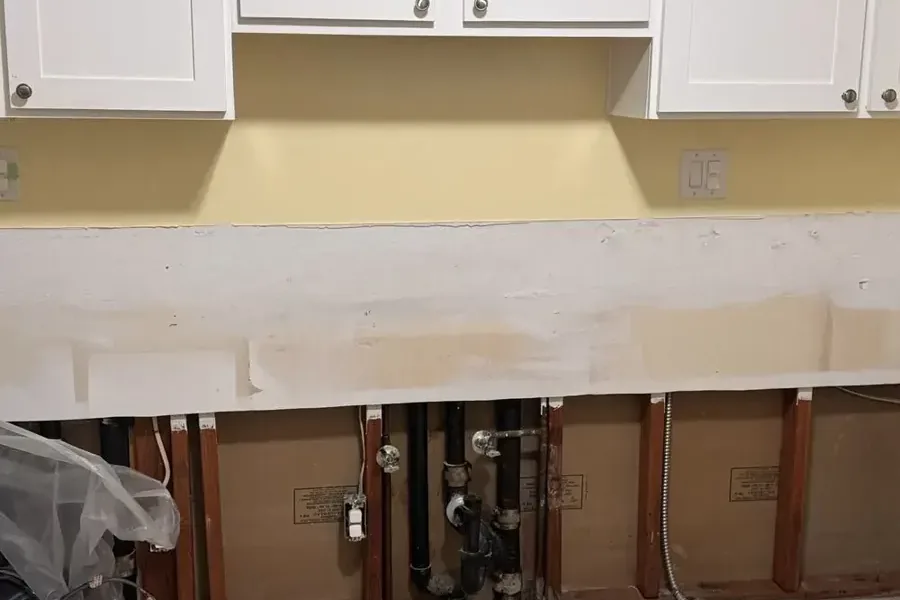
First steps for appliance leak water damage
- Stop ordinary appliance use. Continued operation can release additional water through a failed connection or discharge. Equipment should remain out of use while safe source isolation and appropriate appliance service are coordinated for the affected room.
- Leave unsafe connections alone. Wet plugs, inaccessible valves and heavy appliances create access concerns. A person should not reach through standing water or force equipment away from the wall to find the suspected leak.
- Record cabinet and floor changes. Note swelling, lifted seams and damp areas beside the appliance. Photographs of accessible surfaces help show the loss before the unit moves and hidden recesses become available for inspection.
- Separate food and stored items. Accessible dry contents can be moved away from the affected cabinet area. Wet or contaminated items need handling decisions before they are placed on clean counters or carried into unaffected rooms.
How appliance leak water damage is handled
Identify the appliance release
The assessment distinguishes supply water from used discharge and records whether the appliance remains connected or active. That information affects cleaning and access decisions. The room is then mapped around visible wetting, cabinet boundaries and surfaces that cannot be inspected until the equipment is safely moved.
Expose the hidden wet surfaces
Appliance movement and any cabinet access are coordinated to avoid damaging connections or dry finishes. The recess, toe-kick and floor beneath the unit are checked once reachable. Findings explain whether the visible spill was localized or whether water traveled into concealed layers and neighboring cabinetry.
Evaluate cabinets and floor coverings
Material condition determines which components can remain and which require removal. A swollen cabinet base or trapped wet underlayment may prevent effective drying of the assembly behind it. The scope should state the reason for each access opening and how retained surfaces will be cleaned.
What does appliance leak water damage cost in Clifton, NJ?
Clifton appliance cleanup pricing depends on the released water, cabinet access and affected floor layers. The estimate should explain equipment movement, cleaning, selective removal and drying, while identifying appliance repair and replacement finish work as separate items when applicable.
For a closer planning number, run the water damage cost calculator. The restoration contractor who responds sets the real scope after the walkthrough and the moisture map.
Appliance Leak Water Damage restoration sequence
- 01
Identify the appliance release
The assessment distinguishes supply water from used discharge and records whether the appliance remains connected or active. That information affects cleaning and access decisions. The room is then mapped around visible wetting, cabinet boundaries and surfaces that cannot be inspected until the equipment is safely moved.
- 02
Expose the hidden wet surfaces
Appliance movement and any cabinet access are coordinated to avoid damaging connections or dry finishes. The recess, toe-kick and floor beneath the unit are checked once reachable. Findings explain whether the visible spill was localized or whether water traveled into concealed layers and neighboring cabinetry.
- 03
Evaluate cabinets and floor coverings
Material condition determines which components can remain and which require removal. A swollen cabinet base or trapped wet underlayment may prevent effective drying of the assembly behind it. The scope should state the reason for each access opening and how retained surfaces will be cleaned.
- 04
Track the retained assembly through drying
Equipment placement focuses on the exposed wet surfaces after source control and cleaning. Consistent measurement points help show progress beneath and beside the original appliance position. The final notes identify remaining repair needs so reinstalling equipment or cabinet finishes does not block an area still requiring access.
An appliance leak can hide in the least visible part of a familiar room. A hose connection, discharge point or equipment failure may wet the recess before water crosses the exposed floor. The assessment should identify the kind of water released and create access to the surfaces behind and beneath the appliance.
A household loss needs a specific source description
The 2020 Census recorded 31,968 households in Clifton. For any individual household, the important cleanup details are the appliance involved, whether the release came from its supply or discharge and which adjoining surfaces changed. Those details shape cleaning decisions and help separate equipment repair from water damage restoration.
Rosemawr is largely residential and partly within Allwood. A kitchen or laundry loss in that setting should be assessed around its actual layout, including cabinets that block the wet edge. The location of a visible puddle may be different from the area where water has accumulated longest.
Reach the recess without spreading the loss
Athenia has a train station within its central neighborhood setting. At an occupied home there, safe appliance movement may require another trade and room for the equipment to be set aside. Pulling a connected appliance without planning can damage fittings or spread water from the recess across previously dry flooring.
- Identify wet cabinet bottoms and accessible toe-kick areas.
- Check floor seams beside the appliance rather than only in front.
- Describe food, detergent or other residues in discharged water.
- Protect the route used for moving equipment and wet materials.
Separate the equipment fix from cabinet drying
Lakeview is along the western edge of the city. For an appliance release there, cabinet and floor condition determine the restoration scope after the source is corrected. Swollen composite material may need a different decision from an accessible solid surface. Structural drying follows the retained assembly once unsuitable wet layers have been addressed.
Safety planning starts with Ready.gov flood precautions; household water-use checks appear at EPA WaterSense.
Related water damage services in Clifton
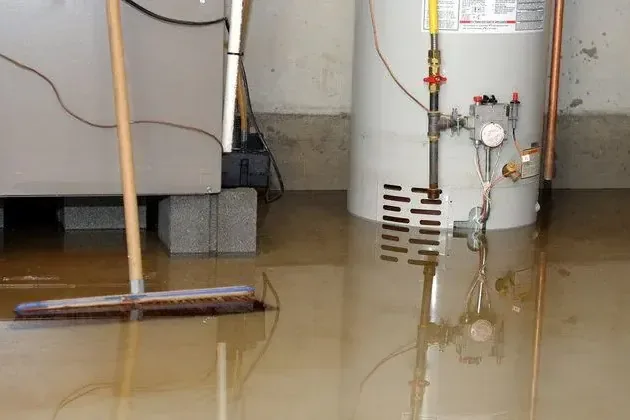 Water Heater Leak Cleanup in CliftonWater heater cleanup removes escaped water and dries the surrounding building materials. A qualified equipment professional addresses the heater and its energy supply; the restoration contractor handles wet floors, walls and adjoining spaces.
 Hardwood Floor Water Damage in CliftonHardwood restoration evaluates moisture across the floor assembly, including board surfaces, backing and subfloor access. Salvage depends on contamination, attachment, distortion and whether the affected layers can dry without leaving concealed moisture.
Appliance Leak Water Damage in CaldwellAppliance cleanup addresses escaped water from supply connections, drains and equipment failures. The water source affects contamination decisions, while the cabinet and floor construction determine how technicians reach and dry concealed moisture.
Appliance leak water damage in Clifton, NJ
Clifton appliance loss assessments include households in Rosemawr, Athenia and Lakeview, with the appliance type, water source and surrounding cabinetry discussed before access is arranged.
The same service nearby: appliance leak water damage in Caldwell, Woodland Park, Totowa.
Water damage restoration in Clifton · every town coveredAppliance Leak Water Damage questions
Why does the appliance water source matter?
Fresh supply water and used discharge can carry different residues into the room. That difference affects cleaning and material decisions, especially in concealed cabinet spaces. The assessment should identify the release type before selecting a restoration approach for the surfaces it contacted.
Can the appliance stay in place during drying?
It depends on whether the wet recess and supporting floor can be accessed adequately. Equipment may block both inspection and drying. Safe movement should be coordinated around connections, weight and available space, with the reason explained in the proposed cleanup scope.
Does cabinet swelling disappear after drying?
Drying removes moisture but does not necessarily reverse physical damage to every cabinet material. Swelling or separation may affect repair decisions even when readings improve. The assessment should distinguish moisture recovery from the condition and usability of the cabinet component itself.
What if water only appeared at one seam?
A seam can be an exit point for moisture traveling beneath a covering. Checking nearby edges and the appliance recess helps establish the true boundary. The small visible area is a starting observation, while accessible material measurements determine whether hidden layers are involved.
Should the appliance be tested again to find the leak?
Repeated operation can add water to an already affected room. Source diagnosis should be coordinated with appropriate appliance or plumbing service after safe access is established. The cleanup conversation can begin with the observed release and room changes without another household test cycle.
How are wet cabinet contents handled?
Items should be evaluated for water contact and contamination before returning to clean storage. Accessible dry contents can be separated, while affected materials need an organized sorting area. An inventory and photographs help document what changed when cabinets were emptied for inspection and access.
When can equipment be installed again?
Reinstallation should follow source correction, suitable material conditions and any required floor or cabinet repairs. Returning a heavy appliance too early can conceal a wet recess or block measurements. The restoration handoff should identify the surfaces ready for closure and any access still needed.
Reach the water behind the visible floor
The cleanup scope should account for concealed cabinet edges and supporting surfaces before equipment or replacement finishes return to their usual positions.
(888) 471-9821Plan the recess and cabinet assessmentCaldwell Water Damage Restoration
Caldwell, NJ and nearby Essex County
(888) 471-9821 · open 24/7
Water and sewage losses only
Find us on Google