Water Heater Leak Cleanup in Clifton
Water beside a heater can reach adjoining finishes while the equipment itself still needs attention. Cleanup should establish safe utility access, control the release and inspect the floor path into neighboring rooms.
(888) 471-9821Discuss the heater spill path- Utility access planning
- Adjacent surface checks
- Tank release drying
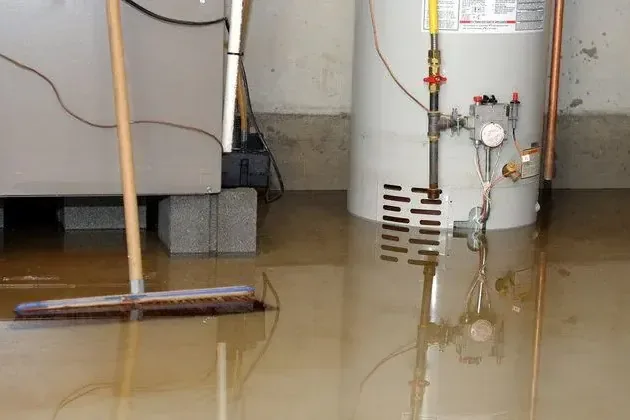
First steps for water heater leak cleanup
- Avoid contact with wet equipment. The heater and adjacent utilities need a safe condition before handling. A person should not step into water to reach electrical controls, connections or a valve behind the equipment.
- Identify active release conditions. Describe whether water is still accumulating and whether equipment service has been arranged. Source correction and room cleanup can then be coordinated without treating tank replacement as the entire restoration job.
- Keep the spill edge visible. Avoid covering damp thresholds or wall bases with stored belongings. Visible edges help the assessment follow water into neighboring materials after the open utility floor has been cleared.
- Retain useful equipment records. Service findings, photographs and room notes can explain the origin and extent of the release. Keep them together with the cleanup scope and any later moisture measurements for the property.
How water heater leak cleanup is handled
Coordinate safe equipment access
The first assessment identifies the heater location, nearby utilities and whether water remains active. Equipment service must have a safe route and room to work. The restoration boundary is then organized around that access so extraction or contents movement does not obstruct correction of the release.
Map the spill beyond the base
Inspection follows the floor slope, seams and adjoining thresholds where accessible. Stored items and wall bases receive attention along that path. Notes identify which materials were directly wet and which adjacent surfaces need moisture checks, helping define a scope beyond the visible water around the tank.
Remove water and expose retained moisture
Extraction clears accessible pooling while affected contents are handled according to condition. Floor coverings or trim may need selective access to reach trapped water. Equipment is placed to dry the remaining assembly without blocking the heater service area or ordinary routes through unaffected parts of the building.
What does water heater leak cleanup cost in Clifton, NJ?
Water heater cleanup costs in Clifton reflect the spread into adjacent rooms and absorbent materials. The estimate should distinguish heater service or replacement from extraction, contents movement, selective access and drying of the building around the equipment.
For a closer planning number, run the water damage cost calculator. The restoration contractor who responds sets the real scope after the walkthrough and the moisture map.
Water Heater Leak Cleanup restoration sequence
- 01
Coordinate safe equipment access
The first assessment identifies the heater location, nearby utilities and whether water remains active. Equipment service must have a safe route and room to work. The restoration boundary is then organized around that access so extraction or contents movement does not obstruct correction of the release.
- 02
Map the spill beyond the base
Inspection follows the floor slope, seams and adjoining thresholds where accessible. Stored items and wall bases receive attention along that path. Notes identify which materials were directly wet and which adjacent surfaces need moisture checks, helping define a scope beyond the visible water around the tank.
- 03
Remove water and expose retained moisture
Extraction clears accessible pooling while affected contents are handled according to condition. Floor coverings or trim may need selective access to reach trapped water. Equipment is placed to dry the remaining assembly without blocking the heater service area or ordinary routes through unaffected parts of the building.
- 04
Check the room after source correction
Once the equipment issue is addressed, follow-up readings track the retained wall and floor materials. A clear record distinguishes completed heater work from the drying result. Any remaining repair openings or unsuitable finishes should be identified before the utility area returns to normal storage and use.
A leaking heater can leave a misleadingly small pool around its base while water moves under nearby finishes. The initial assessment should account for the equipment, the safe approach to it and the floor beyond the visible spill. Removing the tank alone does not address the surrounding wet assembly.
Give the equipment and the room separate attention
Athenia is a centrally located Clifton neighborhood with a train station. For a household there, the useful description is where the heater sits within the building and what rooms adjoin it. The assessment needs the actual equipment location, nearby utilities and current release conditions before cleanup access is planned.
Richfield is also centrally located. A tank release in an occupied property may affect stored belongings or a finished room beside the utility space. Those contents should be evaluated before they are shifted onto dry flooring, particularly if absorbent bottoms continue releasing water.
Follow the smallest openings at the floor
Water can pass beneath a threshold or wall base even when the utility floor is easy to wipe. Inspection should include reachable seams, trim and adjacent coverings. A wet lower wall may need more access than the open floor, and an affected covering can hold moisture against its supporting surface.
- Identify the edge where the spill entered another room.
- Check stored boxes and furnishings resting on the wet floor.
- Keep service access to the heater clear during restoration.
- Record material changes that remain after surface water is removed.
Finish with the room, not just the tank
Dutch Hill provides another residential setting for a property-specific assessment. After equipment correction, moisture checks establish the drying work for retained walls and flooring. The handoff should name the wet materials and access openings still present, with structural drying planned where the release reached beyond an accessible surface.
Safety planning starts with Ready.gov flood precautions; household water-use checks appear at EPA WaterSense.
Related water damage services in Clifton
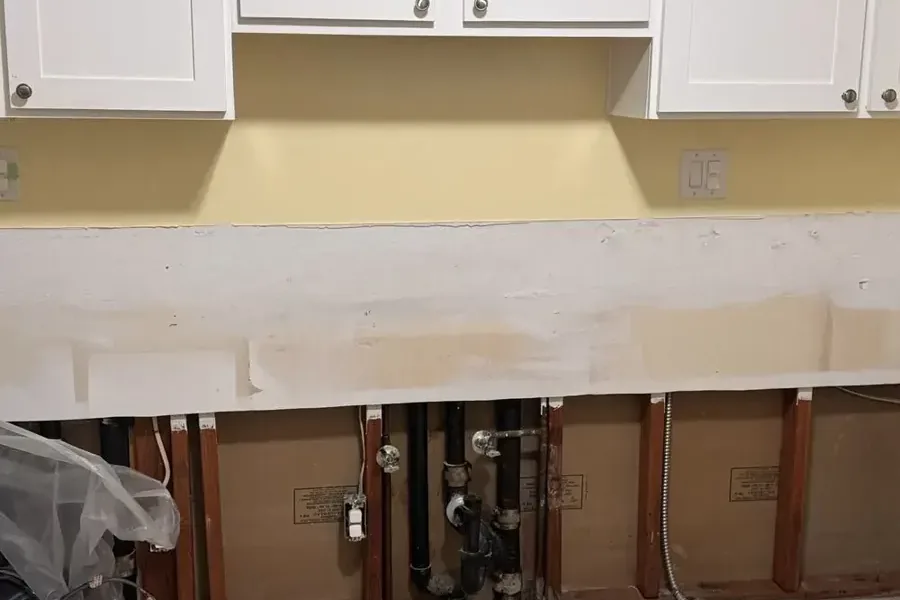 Appliance Leak Water Damage in CliftonAppliance cleanup addresses escaped water from supply connections, drains and equipment failures. The water source affects contamination decisions, while the cabinet and floor construction determine how technicians reach and dry concealed moisture.
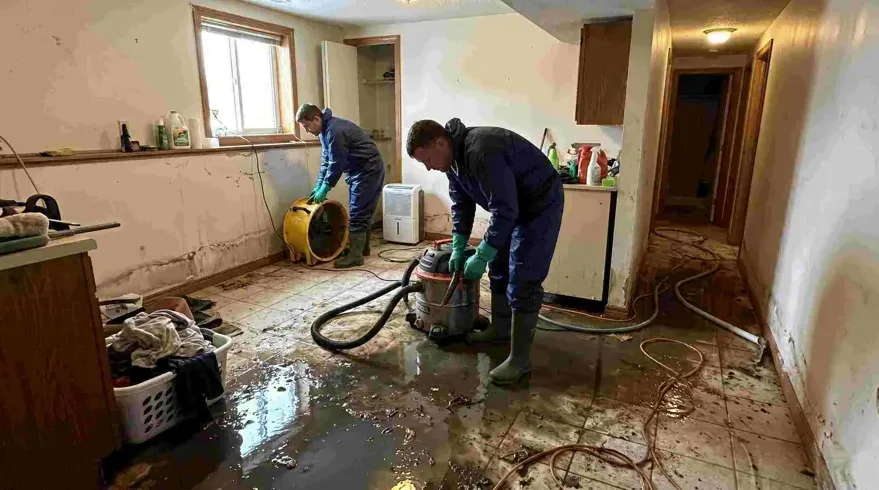 Water Extraction in CliftonExtraction removes liquid water before dehumidifiers manage the moisture left in materials. Crews choose pumps, wands and vacuum tools around water depth, contamination and the surfaces that need protection.
Water Heater Leak Cleanup in CaldwellWater heater cleanup removes escaped water and dries the surrounding building materials. A qualified equipment professional addresses the heater and its energy supply; the restoration contractor handles wet floors, walls and adjoining spaces.
Water heater leak cleanup in Clifton, NJ
Tank leak assessments in Clifton include Athenia, Richfield and Dutch Hill, with utility access and the affected floor layout considered before moving equipment or belongings.
The same service nearby: water heater leak cleanup in Caldwell, Woodland Park, Totowa.
Water damage restoration in Clifton · every town coveredWater Heater Leak Cleanup questions
Is the water around the tank the full damage area?
The visible pool may be only part of the release. Water can move beneath nearby trim or into an adjacent covering before it becomes obvious. Checking the spill edge and connected materials helps determine whether the cleanup is confined to the utility floor.
Can a homeowner move the leaking heater?
Moving equipment can involve utility connections, weight and water exposure. It should be coordinated with appropriate equipment service after safe conditions are established. Restoration access can begin with information about the surrounding room without requiring occupants to disconnect or reposition the heater themselves.
Does a new tank mean the floor is dry?
Replacement addresses the equipment problem, while moisture in flooring and wall bases remains separate. Material checks after source correction show whether the room needs further drying. Closing openings or returning storage too soon can conceal damp surfaces that still require attention.
What happens to boxes stored nearby?
Boxes can absorb water through their bottoms even when the contents above seem unaffected. Their condition should be checked before movement through dry rooms. An inventory and photographs help distinguish items suitable for further handling from containers or contents that need disposal decisions.
Why might a neighboring room need inspection?
Water can pass through a doorway or beneath a partition base into a different floor covering. That covering may retain moisture after the utility floor clears. Inspection follows the actual spill path and measurements rather than automatically including every room near the heater.
Does the cleanup estimate include equipment replacement?
The written estimate should identify whether heater service is included or handled separately. Water removal, material access and drying are distinct restoration tasks. Clear scope boundaries help coordinate the work and explain which charges address the source versus the resulting interior damage.
Which details help arrange an assessment?
Describe the heater's building level, the floor surface around it and any wet adjoining room. Mention active accumulation and access restrictions. Those observations help organize safe equipment service and cleanup without requiring anyone to approach wet controls or enter an unsafe utility area.
Restore the space around the repaired equipment
The room's drying result matters alongside the equipment repair, especially where the spill crossed thresholds or reached absorbent wall bases and stored belongings.
(888) 471-9821Discuss tank water in adjoining roomsCaldwell Water Damage Restoration
Caldwell, NJ and nearby Essex County
(888) 471-9821 · open 24/7
Water and sewage losses only
Find us on Google