Water Extraction in Clifton
A room full of water needs more than a clear floor. Extraction should uncover where the release traveled, protect adjoining dry areas and prepare the remaining wet materials for measured drying.
(888) 471-9821Discuss water depth and access- Pump access assessment
- Surface water removal
- Floor layer checks
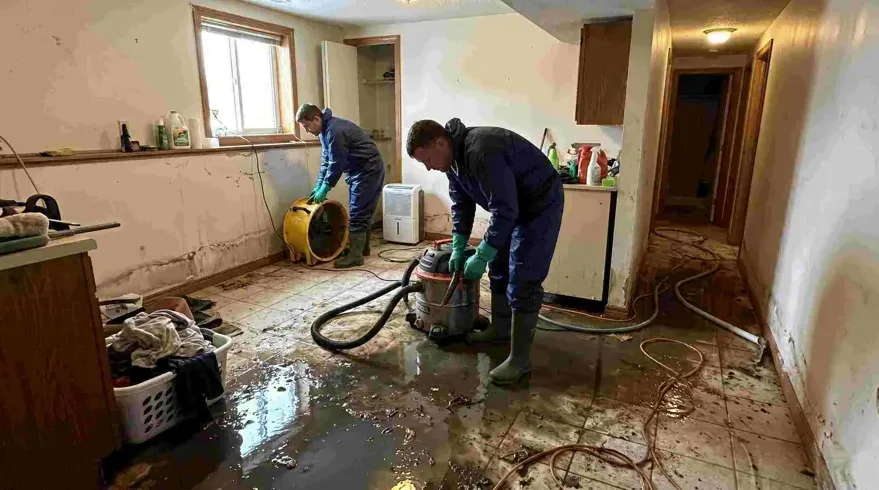
First steps for water extraction
- Keep the route dry. Entry should begin from a stable, dry area. Standing water near energized equipment or uncertain floor conditions needs appropriate attention before anyone brings extraction tools into the room.
- Identify ongoing inflow. The source must be checked for continued release. A supply leak, outdoor entry or backed-up fixture can refill the space and change both pumping and cleaning decisions.
- Capture the water boundary. Photographs and room notes should show the visible water edge before removal. Accessible contents can then be assessed without carrying wet material through otherwise dry interior areas.
- Plan the next assembly check. Once surface water clears, inspect floor edges and wall bases for retained moisture. Those findings determine where drying access is needed and what equipment remains appropriate.
How water extraction is handled
Set the removal boundary
An assessment identifies the source, accessible water and rooms that require protection. Electrical concerns and unstable surfaces are addressed before the work area opens. The initial record distinguishes the visibly flooded area from adjoining materials that need moisture testing after the water is removed.
Match tools to the surface
Pumps and extraction equipment are selected around the actual depth and flooring. The work proceeds in a controlled path, allowing access to corners, thresholds and low spots. Contents movement is coordinated with removal so wet items do not block equipment or spread water into dry rooms.
Check what remains beneath
Once the floor is visible, moisture checks follow seams, edges and nearby wall bases. Absorbent layers may retain substantial water even when the top surface looks clear. The assessment explains whether a covering can remain or must be lifted to reach the assembly beneath it.
What does water extraction cost in Clifton, NJ?
Clifton extraction costs depend on water depth, the number of spaces involved and equipment access. The estimate should state whether it covers pumping alone or also includes contents handling, material removal and the drying work that follows.
For a closer planning number, run the water damage cost calculator. The restoration contractor who responds sets the real scope after the walkthrough and the moisture map.
Water Extraction restoration sequence
- 01
Set the removal boundary
An assessment identifies the source, accessible water and rooms that require protection. Electrical concerns and unstable surfaces are addressed before the work area opens. The initial record distinguishes the visibly flooded area from adjoining materials that need moisture testing after the water is removed.
- 02
Match tools to the surface
Pumps and extraction equipment are selected around the actual depth and flooring. The work proceeds in a controlled path, allowing access to corners, thresholds and low spots. Contents movement is coordinated with removal so wet items do not block equipment or spread water into dry rooms.
- 03
Check what remains beneath
Once the floor is visible, moisture checks follow seams, edges and nearby wall bases. Absorbent layers may retain substantial water even when the top surface looks clear. The assessment explains whether a covering can remain or must be lifted to reach the assembly beneath it.
- 04
Transfer the record to drying
The drying scope uses the post-extraction findings to identify equipment locations and measurement points. Notes should explain inaccessible areas and any source repairs still pending. Progress then depends on material readings, with changes documented as wet layers become accessible and conditions improve.
Pooled water hides the floor surface and makes ordinary room access difficult. Before removal starts, the assessment identifies the entry route, potential electrical exposure and the point where water continues to enter. The equipment plan follows those conditions rather than the apparent size of the puddle.
A local flood account, a property-specific scope
The September 5, 2021 city update described municipal crews assisting with flooded-basement pumping after Hurricane Ida. That history makes safe lower-level access a practical concern in Clifton. At an individual property, the source could instead be an indoor fitting or overflowing appliance, requiring a different cleaning approach.
For a home in Lakeview, the useful starting details are the occupied floor, available entrance and rooms reached by water. A location in Athenia needs the same kind of building information, including any steps or narrow doorways that affect moving extraction equipment.
Look beyond the visible pool
Removing water from an exposed surface can reveal additional wetting beneath a floor covering or along wall bases. Inspection should follow those edges while avoiding unnecessary disturbance to dry rooms. Contents resting in water also need a handling decision before extraction equipment moves through the space.
- Check thresholds where water may have entered an adjoining room.
- Identify absorbent coverings holding moisture against the floor below.
- Separate affected belongings from items that remain dry and usable.
- Record areas that cannot yet be reached or safely inspected.
End pumping with a drying handoff
Botany Village is the city's northernmost neighborhood. Wherever the building sits, water removal ends only the standing-water phase. Measurements should identify retained moisture and establish the next scope for structural drying. A clear handoff records what was extracted, which materials remain and where access is still needed.
Safety planning starts with Ready.gov flood precautions; household water-use checks appear at EPA WaterSense.
Related water damage services in Clifton
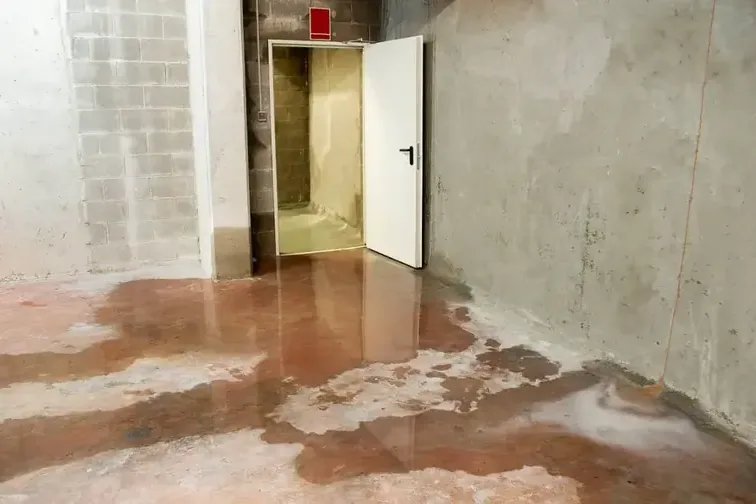 Basement Flooding Cleanup in CliftonBasement cleanup addresses accumulated water and wet materials below the occupied floors above. The source may be plumbing, outside entry or wastewater, and that distinction controls extraction, cleaning and porous-material decisions.
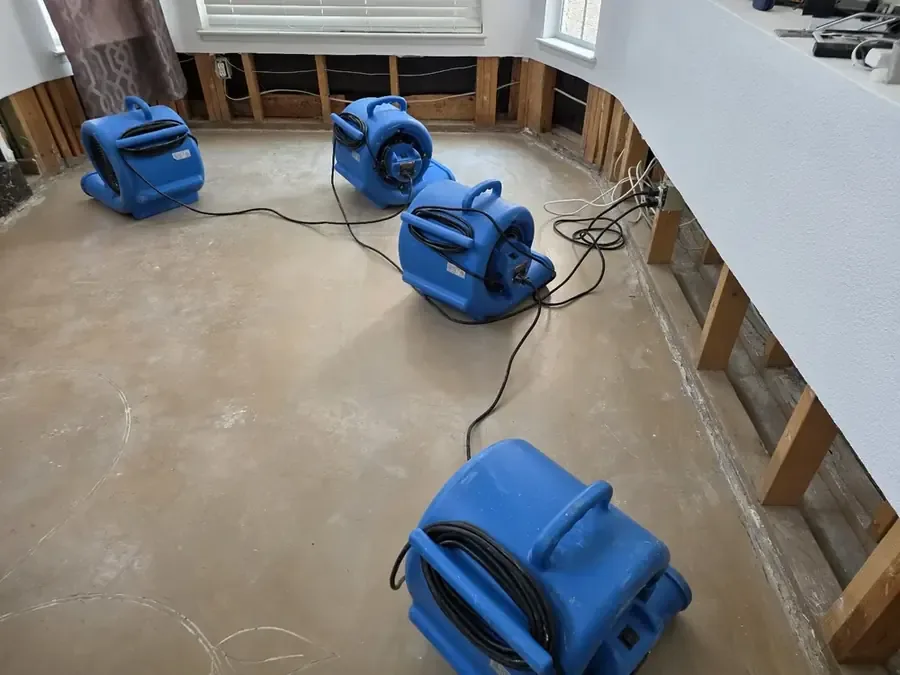 Structural Drying in CliftonStructural drying removes retained moisture from salvageable building materials after source control and extraction. Air movement, dehumidification and temperature management work together, with repeated measurements showing whether the affected assembly is responding.
Water Extraction in CaldwellExtraction removes liquid water before dehumidifiers manage the moisture left in materials. Crews choose pumps, wands and vacuum tools around water depth, contamination and the surfaces that need protection.
Water extraction in Clifton, NJ
Extraction assessments cover affected properties in Clifton, including Athenia and Lakeview, with the entry route and wet building level discussed before equipment placement begins.
The same service nearby: water extraction in Caldwell, Woodland Park, Totowa.
Water damage restoration in Clifton · every town coveredWater Extraction questions
Is pumping the complete restoration job?
Pumping addresses water that equipment can collect directly. Floors, walls and contents may still hold moisture afterward. A separate drying assessment identifies those materials and establishes the next actions, so a visibly clear room does not automatically mean the structure is ready for repairs.
Can someone enter to unplug a wet appliance?
Standing water and electrical equipment create a serious access concern. A person should not cross a wet room to reach a plug or panel. Appropriate utility or electrical assistance should establish a safe condition before entry or extraction work proceeds.
Does water depth determine the entire price?
Depth affects removal, but the floor surface, entrance and number of connected rooms also matter. Handling saturated contents or accessing trapped water can add work. A useful estimate lists these tasks so the scope can be understood before authorization.
What happens to water beneath carpet?
Carpet and padding can hold water against the supporting floor. Their condition, the source and the ability to clean and dry the layers affect salvage decisions. Extracting the surface is followed by checks beneath the covering where access is practical.
Should photos be taken before extraction?
Photographs from a safe position can record the water boundary, affected contents and room condition. Removal should not be delayed solely to obtain more images in an unsafe area. Notes and subsequent measurements can add detail after access becomes appropriate.
Can outdoor floodwater use the same equipment plan?
Outdoor water can bring sediment and contamination that change handling, cleaning and disposal. The plan should account for that material as well as water volume. Equipment movement and discharge arrangements need to suit the actual loss and affected property.
How does the crew know where drying starts?
The post-extraction inspection identifies wet floor layers, wall edges and affected contents. Those findings establish drying access and equipment placement. Readings at recorded locations then show whether the selected approach is reaching retained moisture or whether another opening is needed.
Move from pooling to material checks
Standing water removal should leave a clear record of the remaining wet assemblies and the next drying steps for the property.
(888) 471-9821Discuss the extraction sequenceCaldwell Water Damage Restoration
Caldwell, NJ and nearby Essex County
(888) 471-9821 · open 24/7
Water and sewage losses only
Find us on Google