Basement Flooding Cleanup in Clifton
A flooded basement can place water between the entrance and essential utilities. Cleanup begins with safe access and the entry source, then addresses stored contents, wet finishes and the materials remaining below the occupied floor.
(888) 471-9821Discuss the flooded lower-level layout- Basement entry assessment
- Stored contents decisions
- Lower assembly drying
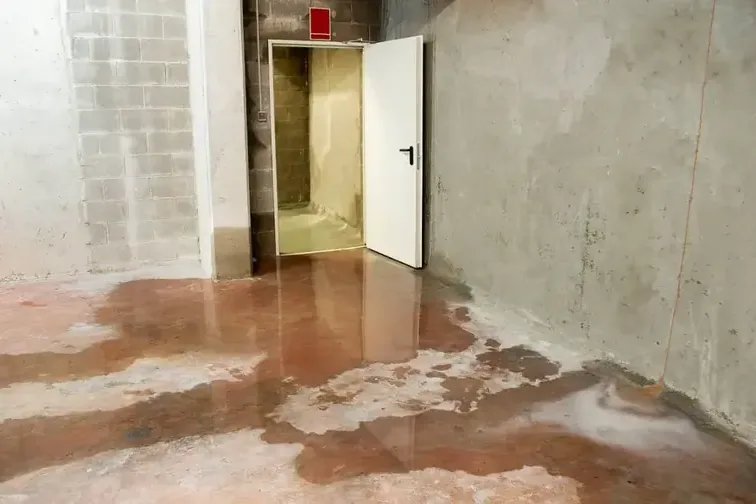
First steps for basement flooding cleanup
- Remain above unsafe water. Unsafe electrical conditions or hidden hazards require restricted basement entry. Dry-position observations help appropriate assistance plan safe access for assessment.
- Identify whether entry continues. Water entering through an opening, a plumbing release or a drainage backup can require different source attention. Report ongoing accumulation and known utility restrictions before pumping equipment is selected for the space.
- Keep the stair route available. Dry access above the basement should remain clear for assessment and controlled contents movement. Wet items should not be carried through occupied rooms before their condition and handling route are determined.
- Record the lower-level contents. Photographs and an inventory help capture stored items before pumping and removal change their positions. Note absorbent containers and furnishings that may retain water even after the floor becomes visible.
How basement flooding cleanup is handled
Assess the basement entry conditions
The first assessment identifies the route down, utility exposure and the status of water entry. Pumping decisions account for the actual structure and surrounding conditions. The room remains restricted where access is unsafe, and the initial record describes the visible water boundary from available dry positions.
Remove water and expose the room layout
Extraction creates access for inspecting floor edges, stored contents and finished partitions. The equipment route should protect the occupied level above. Contents decisions follow the water source and material condition, with an inventory preserving useful information before the basement arrangement changes during removal.
Clean and open affected lower assemblies
Contaminated contact and unsuitable porous materials are addressed before drying. Finished walls or floor coverings may need selective access where they retain moisture. The scope explains what remains in place, allowing the drying plan to focus on the actual lower-level assembly rather than the original standing water alone.
What does basement flooding cleanup cost in Clifton, NJ?
Basement cleanup costs in Clifton reflect water depth, source conditions, stored contents and finished materials. The estimate should identify pumping, cleaning, removal and drying, while separating utility correction, source repairs and later reconstruction from the lower-level restoration work.
For a closer planning number, run the water damage cost calculator. The restoration contractor who responds sets the real scope after the walkthrough and the moisture map.
Basement Flooding Cleanup restoration sequence
- 01
Assess the basement entry conditions
The first assessment identifies the route down, utility exposure and the status of water entry. Pumping decisions account for the actual structure and surrounding conditions. The room remains restricted where access is unsafe, and the initial record describes the visible water boundary from available dry positions.
- 02
Remove water and expose the room layout
Extraction creates access for inspecting floor edges, stored contents and finished partitions. The equipment route should protect the occupied level above. Contents decisions follow the water source and material condition, with an inventory preserving useful information before the basement arrangement changes during removal.
- 03
Clean and open affected lower assemblies
Contaminated contact and unsuitable porous materials are addressed before drying. Finished walls or floor coverings may need selective access where they retain moisture. The scope explains what remains in place, allowing the drying plan to focus on the actual lower-level assembly rather than the original standing water alone.
- 04
Measure recovery before restoring storage
Follow-up checks track retained material moisture at recorded locations. The final record should identify repair openings and any area still requiring access. Stored belongings and replacement finishes can then return according to the documented condition, without concealing damp edges that need further attention after pumping has ended.
A basement entrance can look accessible while the floor below remains unsafe. Water near equipment, uncertain footing and concealed debris all affect entry. The restoration plan should establish how the room can be approached before pumping begins or possessions are carried through the stairs into occupied space above.
A documented lower-level flood response
September 5, 2021: Clifton reported municipal crews assisting with flooded-basement pumping after Hurricane Ida. The same update described evacuations and utility repair activity. At a currently affected property, those concerns translate into practical questions about safe entry, ongoing inflow and the condition of electrical or other equipment near the water.
Lakeview lies along the western edge of the city. A flooded basement there needs an assessment of the actual water source and room arrangement, including stored contents and any finished wall sections. The visible water depth helps describe the situation but does not identify every wet material.
Stored items can conceal the wet boundary
Albion Place is mostly residential beside Garret Mountain Reservation. Where a basement contains shelving, boxes or furnishings, the cleanup must account for water beneath and behind those items. Moving saturated contents upstairs without a plan can transfer water or contamination into otherwise usable rooms.
- Check stair access before attempting to reach a utility control.
- Document stored belongings by their original position in the room.
- Inspect the bottom of finished partitions after pooling clears.
- Separate contaminated water handling from clean supply release cleanup.
Drying depends on what remains in place
Delawanna is a southeastern neighborhood with a train station. At a basement loss there, exposed concrete and finished walls can need different access and drying decisions. Water extraction provides the transition from pooling to inspection. The subsequent record should identify wet layers, removal decisions and the measurements required before lower-level repairs close the assembly.
Safety planning starts with Ready.gov flood precautions; household water-use checks appear at EPA WaterSense.
Related water damage services in Clifton
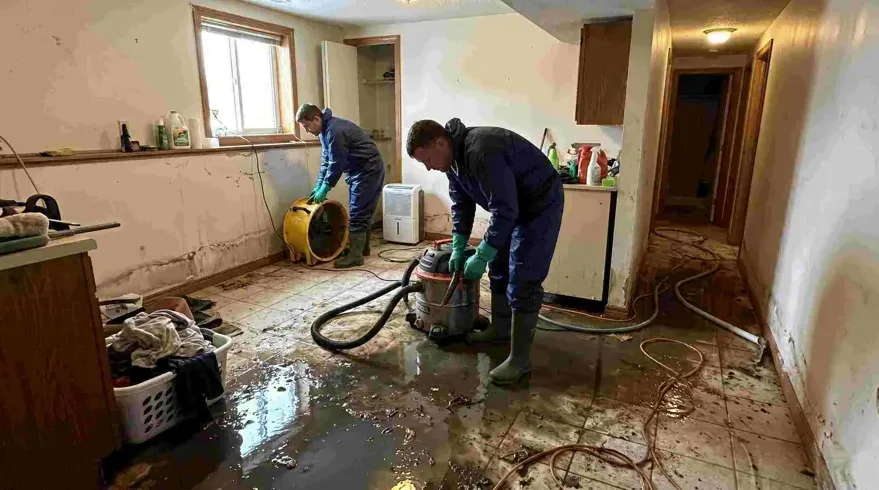 Water Extraction in CliftonExtraction removes liquid water before dehumidifiers manage the moisture left in materials. Crews choose pumps, wands and vacuum tools around water depth, contamination and the surfaces that need protection.
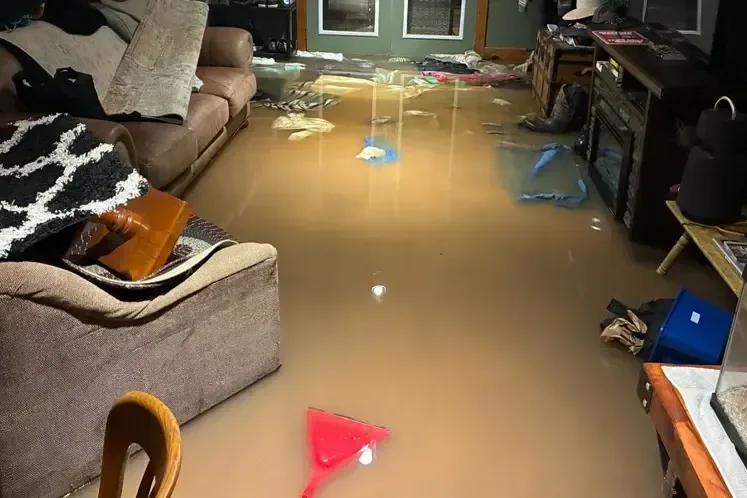 Storm Flood Cleanup in CliftonStorm flood cleanup addresses water that enters from outside at doors, lower openings or other access points. The crew treats the affected space as contaminated and plans removal, cleaning and drying around safe entry.
Basement Flooding Cleanup in CaldwellBasement cleanup addresses accumulated water and wet materials below the occupied floors above. The source may be plumbing, outside entry or wastewater, and that distinction controls extraction, cleaning and porous-material decisions.
Basement flooding cleanup in Clifton, NJ
Clifton basement assessments include Lakeview, Albion Place and Delawanna, with safe stair access, utility conditions and the actual flooded space discussed before equipment is arranged.
The same service nearby: basement flooding cleanup in Caldwell, Woodland Park, Totowa.
Water damage restoration in Clifton · every town coveredBasement Flooding Cleanup questions
Can someone walk downstairs to reach the breaker?
Never cross floodwater to reach electrical equipment. Appropriate assistance should establish safe entry first. Observations from the dry entrance can begin assessment while occupants stay clear of water near utilities and uncertain footing.
Does water depth determine whether the room is salvageable?
The source, contact time, materials and building condition matter alongside depth. Shallow water can wet concealed finishes or stored contents. Restoration decisions follow inspection of the basement and the layers involved, with the scope tied to their actual condition.
What if the basement has no finished walls?
Exposed surfaces still need assessment for water contact, contamination and moisture. Stored belongings and equipment may also be affected. The absence of decorative finishes changes the scope, but it does not remove the need for safe access, appropriate cleaning and documented material conditions.
Should wet boxes be carried upstairs immediately?
Boxes may release water or carry contamination through occupied areas. Their contents and condition should be assessed within an organized handling plan. Photographs and an inventory can preserve useful detail before sorting, while a controlled route protects the dry spaces above the basement.
Can pumping start while water is still entering?
The entry source and building conditions need assessment because continued inflow can change removal decisions. Pumping alone does not resolve the cause. The work plan should coordinate source attention with extraction and explain any access or utility conditions that affect the sequence.
Why inspect wall bases after the floor clears?
Lower wall layers can absorb water and retain it after standing water disappears. Finished partitions may also conceal wet insulation or framing. Inspection and measurements establish whether the assembly can dry in place or whether selective removal is needed to reach the retained moisture.
When can the basement return to storage use?
Return depends on safe access, completed cleaning and the moisture condition of retained materials. Equipment and open assemblies may still need room. The final handoff should identify which areas are ready and keep stored items from blocking any location requiring additional drying checks.
Look beyond the cleared lower-level floor
A basement recovery plan should account for wet wall bases, contents and hidden layers before storage or repair work conceals the places that still need attention.
(888) 471-9821Plan the lower-level cleanup workCaldwell Water Damage Restoration
Caldwell, NJ and nearby Essex County
(888) 471-9821 · open 24/7
Water and sewage losses only
Find us on Google