Basement Flood Cleanup in Woodland Park
Water at the bottom of the stairs can make the entire lower level inaccessible. Woodland Park basement restoration evaluates entry, utilities and the water source before pumping and checking the surrounding finishes or stored contents.
(888) 471-9821Discuss the wet basement area- Lower level access assessment
- Sump and entry observations
- Wall base drying checks
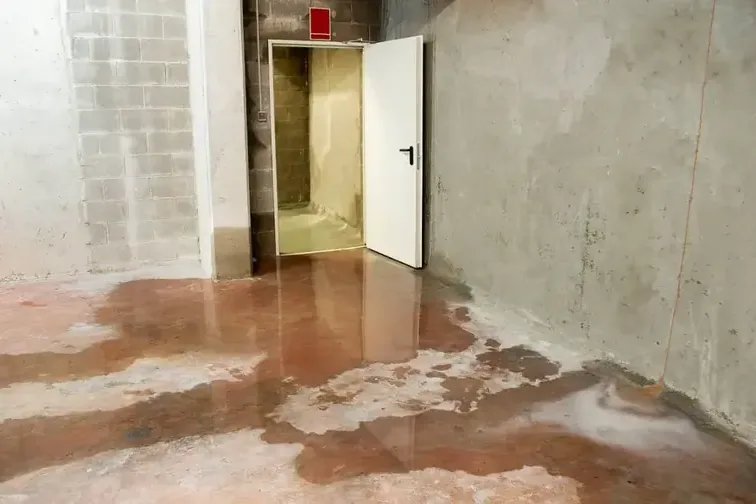
First steps for basement flooding cleanup
- Assess the stair approach first. Water below stairs can conceal electrical and footing hazards. Remain on a dry level until assessment establishes whether the floor and utilities can be reached.
- Describe sump and entry behavior. Share whether a sump is operating, water is rising or another entry route is visible. Those observations help coordinate source response with pumping and avoid treating continued entry as ordinary drying moisture.
- Inventory floor level storage. Photographs from a safe boundary can document boxes, furnishings and equipment in contact with water. Keep wet contents separate from clean living areas while handling and disposal decisions are made.
- Include concealed perimeter layers. After pumping, the inspection should reach wall bases, stair framing and accessible spaces beneath storage. A clear scope identifies the materials needing cleaning or drying before lower level finishes are restored.
How basement flooding cleanup is handled
Evaluate access and the active source
The assessment begins with the route downstairs, utilities and the condition of stored items or finishes. Water depth and continuing entry are recorded before the removal approach is selected. Sump or drainage concerns are coordinated with the appropriate repair response so the cleanup plan reflects the current lower level conditions.
Remove water with attention to contents
Pumping or extraction is arranged around safe access and the observed water condition. Stored belongings are documented and separated as needed. As the floor clears, inspection continues beneath shelving and toward perimeter surfaces, where wet pockets may remain outside the central area reached by the initial removal equipment.
Expose and treat affected lower layers
Damaged finishes and porous contents are assessed for cleaning or disposal. Selective openings may reveal insulation, wall framing or stair components that still hold moisture. Retained surfaces receive the necessary cleaning before drying equipment is positioned to address both the open floor and less accessible edges of the assembly.
What does basement flooding cleanup cost in Woodland Park, NJ?
Basement cleanup in Woodland Park varies with water depth, contamination, access and the amount of finished material affected. The ranges below support initial planning. Sump repair, drainage modifications and reconstruction should be distinguished from pumping, cleaning and measured drying in the estimate.
For a closer planning number, run the water damage cost calculator. The restoration contractor who responds sets the real scope after the walkthrough and the moisture map.
Basement Flooding Cleanup restoration sequence
- 01
Evaluate access and the active source
The assessment begins with the route downstairs, utilities and the condition of stored items or finishes. Water depth and continuing entry are recorded before the removal approach is selected. Sump or drainage concerns are coordinated with the appropriate repair response so the cleanup plan reflects the current lower level conditions.
- 02
Remove water with attention to contents
Pumping or extraction is arranged around safe access and the observed water condition. Stored belongings are documented and separated as needed. As the floor clears, inspection continues beneath shelving and toward perimeter surfaces, where wet pockets may remain outside the central area reached by the initial removal equipment.
- 03
Expose and treat affected lower layers
Damaged finishes and porous contents are assessed for cleaning or disposal. Selective openings may reveal insulation, wall framing or stair components that still hold moisture. Retained surfaces receive the necessary cleaning before drying equipment is positioned to address both the open floor and less accessible edges of the assembly.
- 04
Track drying and list future work
Material readings show how retained surfaces respond after removal and source control. The closing record identifies completed treatment and remaining repairs. Drainage changes, sump work and replacement finishes can then be planned separately, using the documented water entry observations and lower level damage boundary from the restoration assessment.
The municipal account of December 2023 and January 2024 flooding described residents monitoring homes and sump pumps. A flooded lower level needs assessment before anyone follows the stairs into the water. Electrical equipment, unstable stored items and the water source can all affect safe access and removal decisions.
Understand whether water is still arriving
A pump may be operating while water continues through another route. The assessment records active entry, sump conditions and the visible reach across the floor. Source response and removal need coordination so equipment is not expected to dry materials while fresh water continues to accumulate around them.
Slippery Rock Brook passes through the borough and joins the Passaic River. At an individual property, the cleanup plan follows the observed lower level conditions. The room may have exposed concrete, finished walls or stored contents, each creating different access and material treatment requirements.
Inspect the perimeter after the open floor clears
Wall bases, stair framing and the undersides of storage units can hold water outside the main pumping area. Finished partitions may conceal wet insulation or framing. A moisture map helps identify those pockets and explains which openings are needed for effective cleaning and drying.
- Keep occupants off submerged stairs and away from wet powered equipment.
- Document stored belongings before wet packaging or damaged contents are removed.
- Inspect floor edges beneath cabinets or shelving when the water reached them.
- Record continued seepage separately from moisture retained in building materials.
Plan a handoff beyond the pumping stage
August 6, 2024: flooding closed Memorial Drive and Lackawanna Avenue. During a similar access disruption, the approach to a property needs attention alongside interior cleanup. Once safe work can proceed, the scope should include contamination assessment and the retained lower level assembly.
Completion records describe removal, cleaning and drying separately. Future drainage improvements or replacement finishes can then be considered using a clear account of the entry route and materials affected during the loss.
Safety planning starts with Ready.gov flood precautions; household water-use checks appear at EPA WaterSense.
Related water damage services in Woodland Park
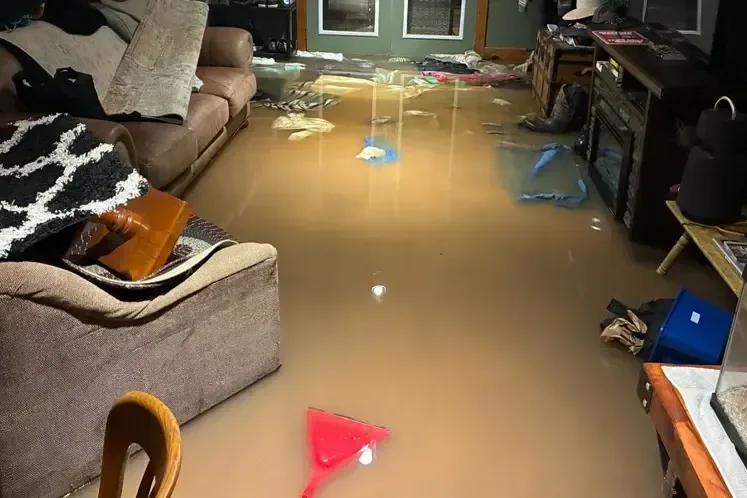 Storm Flood Cleanup in Woodland ParkStorm flood cleanup addresses water that enters from outside at doors, lower openings or other access points. The crew treats the affected space as contaminated and plans removal, cleaning and drying around safe entry.
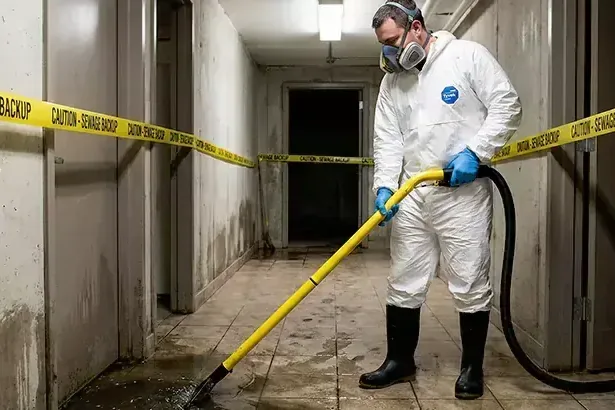 Sewage Backup Cleanup in Woodland ParkSewage backup is Category 3 water. Cleanup combines access control, protective equipment, removal of contaminated porous materials, surface cleaning and suitable antimicrobial treatment before the remaining structure enters monitored drying.
Basement Flooding Cleanup in CaldwellBasement cleanup addresses accumulated water and wet materials below the occupied floors above. The source may be plumbing, outside entry or wastewater, and that distinction controls extraction, cleaning and porous-material decisions.
Basement flooding cleanup in Woodland Park, NJ
Basement cleanup serves Woodland Park properties with lower level water damage, including areas around Slippery Rock Brook and along Memorial Drive, with access assessed before removal equipment enters.
The same service nearby: basement flooding cleanup in Caldwell, Totowa, Clifton.
Water damage restoration in Woodland Park · every town coveredBasement Flooding Cleanup questions
Should a flooded basement be entered to reach the sump?
Standing water can conceal electrical or footing hazards, so entry needs assessment first. Occupants should avoid crossing the wet floor to operate equipment. Information about the sump's behavior can be shared from a safe location while access and utility conditions are clarified.
Does pumping remove moisture from finished walls?
Pumping clears accumulated water but does not dry absorbed moisture inside wall materials. Finished partitions may conceal damp insulation and framing. Inspection and measurements determine whether selective openings or additional drying access are needed around the lower level perimeter.
Can storage boxes remain in the same room?
Wet boxes can obstruct cleanup and hold moisture against floors or contents. Their condition and water contact should be documented before handling. A separate arrangement for affected items helps protect clean belongings and keeps the retained building surfaces accessible for treatment.
What if water keeps entering during cleanup?
Continued entry requires reassessment of the source and removal plan. Pumping may need coordination with drainage or equipment repairs before drying can progress. The record should separate new accumulation from moisture already present inside the building materials being treated.
Are all basements treated as contaminated flood losses?
The source and water path determine the handling requirements. A contained supply release differs from sewage or outside water entry. The assessment identifies those conditions before selecting material removal, cleaning and drying methods for the affected lower level.
Will cleanup include a new sump installation?
Sump equipment work can be separate from restoration of wet materials. The written scope should identify who addresses the source and what mitigation covers. Drainage improvements and rebuilding should also be distinguished from the pumping, cleaning and drying already planned.
What shows the basement is ready for finishes?
The retained assembly needs a documented moisture and condition assessment after source control and cleanup. The handoff should identify treated walls, floors and other components. Replacement finishes can then be coordinated with the remaining repairs and the actual material condition.
Finish the moisture work after pumping ends
A perimeter inspection and drying record help identify concealed wet materials before storage returns or replacement finishes close the lower level again.
(888) 471-9821Plan the basement restoration scopeCaldwell Water Damage Restoration
Caldwell, NJ and nearby Essex County
(888) 471-9821 · open 24/7
Water and sewage losses only
Find us on Google