Sewage Backup Cleanup in Woodland Park
Wastewater rising through a drain changes how a room can be used. Woodland Park sewage cleanup separates affected spaces, coordinates the drainage response and addresses contaminated materials before the building drying stage begins.
(888) 471-9821Discuss wastewater inside the building- Restricted room access
- Controlled contaminated removal
- Cleaning before airflow
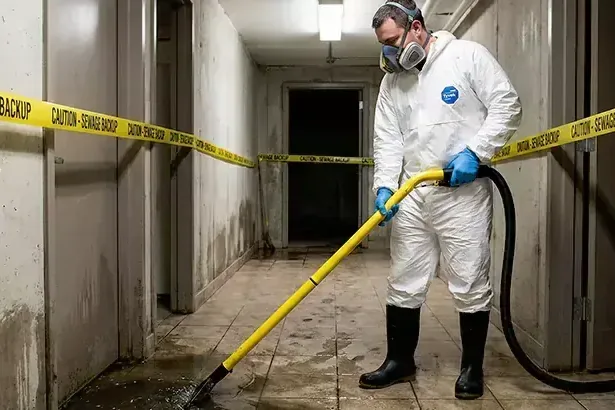
First steps for sewage backup cleanup
- Restrict room entry. Wastewater contact changes the safety of routine walking and contents handling. Keep occupants and pets out of affected spaces, including adjoining areas where wet footwear or belongings could transfer residue.
- Limit contributing fixture use. Describe which drains or fixtures are backing up and avoid adding discharge to the problem. A plumbing assessment determines the source response and appropriate restrictions while cleanup is being organized.
- Document without crossing contamination. Images from a clean boundary can record affected floors and contents. Avoid entering wastewater to retrieve possessions, and keep any existing photographs or notes with the eventual loss inventory.
- Plan separated removal access. The cleanup route should protect occupied areas from contaminated materials. Discuss entrances, stairs and storage constraints before extraction or debris handling begins so clean circulation can remain clearly separated.
How sewage backup cleanup is handled
Define the contamination and drainage conditions
The assessment records where wastewater emerged, where it traveled and whether discharge remains active. Source response is coordinated with the appropriate repair professional. Occupancy restrictions and clean access routes are established before equipment or affected belongings are moved, keeping the initial work area consistent with the observed water contact.
Remove wastewater and unsalvageable porous materials
Extraction and debris handling follow a controlled route. Affected contents and finishes are documented before disposal decisions, with porous materials assessed for whether effective treatment is practical. Opening damaged layers can reveal additional contamination or moisture that needs inclusion in the cleanup boundary before the next stage proceeds.
Clean retained surfaces before circulation
Exposed structural surfaces and other retained materials receive the necessary cleaning based on their condition. Residue must be addressed before drying airflow moves through the room. Any inaccessible area or continuing drainage issue remains identified in the scope, allowing the plan to change when further access or repair is required.
What does sewage backup cleanup cost in Woodland Park, NJ?
Sewage backup restoration in Woodland Park varies with contamination spread, porous material removal and access. These planning ranges describe mitigation complexity; drainage repairs, contents services and rebuilding should be identified separately when the written scope is prepared for the property.
For a closer planning number, run the water damage cost calculator. The restoration contractor who responds sets the real scope after the walkthrough and the moisture map.
Sewage Backup Cleanup restoration sequence
- 01
Define the contamination and drainage conditions
The assessment records where wastewater emerged, where it traveled and whether discharge remains active. Source response is coordinated with the appropriate repair professional. Occupancy restrictions and clean access routes are established before equipment or affected belongings are moved, keeping the initial work area consistent with the observed water contact.
- 02
Remove wastewater and unsalvageable porous materials
Extraction and debris handling follow a controlled route. Affected contents and finishes are documented before disposal decisions, with porous materials assessed for whether effective treatment is practical. Opening damaged layers can reveal additional contamination or moisture that needs inclusion in the cleanup boundary before the next stage proceeds.
- 03
Clean retained surfaces before circulation
Exposed structural surfaces and other retained materials receive the necessary cleaning based on their condition. Residue must be addressed before drying airflow moves through the room. Any inaccessible area or continuing drainage issue remains identified in the scope, allowing the plan to change when further access or repair is required.
- 04
Assess drying and readiness for repairs
Humidity control and air movement support the retained assembly after contamination treatment. Measurements track material response, and the final record identifies completed cleaning, removal and drying work. The return of finishes or belongings is coordinated with those findings and the resolved source conditions rather than the room's appearance alone.
November 23, 2025: a sewer main break along McBride Avenue prompted a Department of Public Works response. Wastewater inside an individual building needs immediate restriction of the affected rooms and investigation of its own drainage problem. The cleanup assessment records the release point and surfaces actually reached.
Describe the backup before fixtures are reused
A rising floor drain, overflowing fixture or repeated discharge can indicate that more water use will worsen the loss. The appropriate plumbing or drainage response must be coordinated with cleanup. Details about which fixtures are affected help establish use restrictions while the source is investigated.
The Peckman River Pump Station began operating in 2023, and its project moved a wastewater transmission pipe from the stream bed to above the roadway. Inside a property, restoration follows the observed wastewater path through rooms, floor joints and wall cavities rather than assuming a fixed cleanup boundary.
Separate contamination handling from ordinary room drying
Absorbent finishes and contents need careful assessment after sewage contact. Some cannot remain because effective cleaning is impractical. Controlled removal prevents affected material from being carried through occupied areas without protection, while retained hard surfaces receive cleaning appropriate to their exposure and condition.
- Keep children and pets outside the entire affected work area.
- Do not carry wet porous belongings into clean storage spaces.
- Record wastewater marks and damaged contents before removal alters them.
- Avoid circulating air across untreated residue or contaminated floor coverings.
Make the return to use a documented decision
For a property on Browertown Road, access through adjoining rooms may shape the removal route. The scope needs to identify which materials were removed, which were cleaned and which remain inaccessible. These details matter before drying equipment is arranged around retained structural surfaces.
Completion includes more than an empty floor drain. The source must be addressed, contamination treatment documented and remaining moisture assessed. Replacement finishes and contents can then be coordinated with a clear account of the work completed inside each affected space.
Safety planning starts with Ready.gov flood precautions; household water-use checks appear at EPA WaterSense.
Related water damage services in Woodland Park
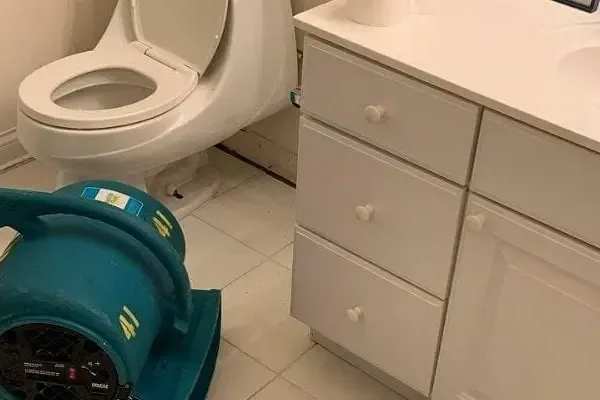 Toilet Overflow Cleanup in Woodland ParkToilet overflow cleanup distinguishes a clean supply release from bowl water or wastewater. The team controls the affected area and makes material decisions based on what escaped, what it touched and where it travelled.
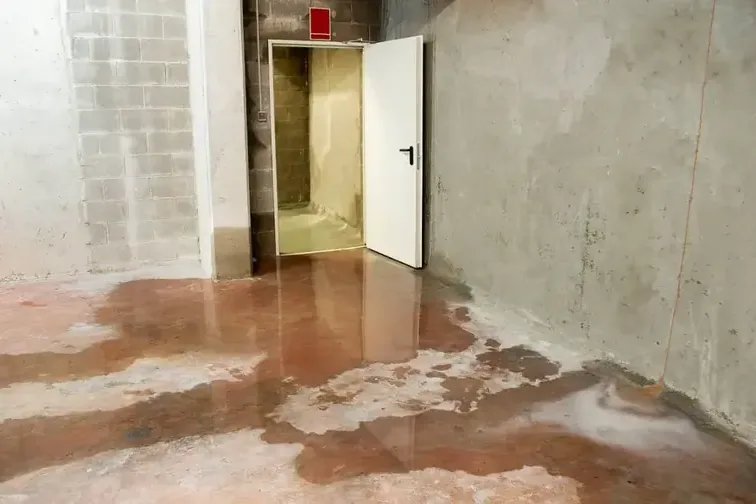 Basement Flooding Cleanup in Woodland ParkBasement cleanup addresses accumulated water and wet materials below the occupied floors above. The source may be plumbing, outside entry or wastewater, and that distinction controls extraction, cleaning and porous-material decisions.
Sewage Backup Cleanup in CaldwellSewage backup is Category 3 water. Cleanup combines access control, protective equipment, removal of contaminated porous materials, surface cleaning and suitable antimicrobial treatment before the remaining structure enters monitored drying.
Sewage backup cleanup in Woodland Park, NJ
Sewage cleanup assessments serve Woodland Park properties, with drainage behavior, affected rooms and safe entry discussed before handling wastewater around occupied areas or shared access routes inside buildings.
The same service nearby: sewage backup cleanup in Caldwell, Totowa, Clifton.
Water damage restoration in Woodland Park · every town coveredSewage Backup Cleanup questions
Can occupants walk through a sewage affected room?
Unnecessary access should be restricted because wastewater and residue can transfer to footwear and belongings. A clean route should remain separate from the work area. The assessment establishes the boundary before routine movement resumes through the affected rooms or adjoining passages.
Does drain clearing remove the need for restoration?
Clearing the obstruction addresses the source problem, but contamination and absorbed water remain in the building. Floors, wall bases and contents still need assessment. Cleanup and drying should be documented separately from the plumbing work that restores normal drainage.
Can wet carpet be treated like a clean spill?
Sewage contact changes the material decision. Carpet, pad and other absorbent finishes may be unsuitable for effective cleaning and need removal. The scope should explain those choices and identify the underlying surfaces that require treatment before drying can begin.
Should disinfectant be poured into the room?
Treatment requires an assessment of the contamination, materials and safe handling conditions. Applying a product without removal and cleaning can leave residue and moisture concealed. A coordinated cleanup plan addresses the affected assembly and controls movement through the work area.
Why are fans delayed during sewage cleanup?
Airflow across untreated contaminated surfaces can distribute residue into other spaces. Removal and cleaning prepare retained materials before drying begins. The equipment arrangement should then respect the established work boundary and the occupancy conditions in adjoining clean rooms.
What if more than one drain backs up?
Multiple affected fixtures are important details for the plumbing assessment and may require broader use restrictions. Restoration also needs to know whether discharge is continuing. The cleanup boundary and equipment plan may change if additional wastewater reaches rooms during the response.
What should be documented before rebuilding?
Records should identify the source response, affected surfaces, removed materials and cleaning performed. Moisture readings support the drying assessment of retained assemblies. That documentation helps coordinate replacement finishes and contents with the actual condition of the building after mitigation.
Address contamination before restoring normal room use
A documented cleanup and drying sequence helps establish what was removed, what remains and which repairs can proceed after the drainage problem is addressed.
(888) 471-9821Plan sewage damage restorationCaldwell Water Damage Restoration
Caldwell, NJ and nearby Essex County
(888) 471-9821 · open 24/7
Water and sewage losses only
Find us on Google