Sewage Backup Cleanup in Clifton
Wastewater inside a building changes the entire cleanup sequence. Access restrictions, source investigation and contaminated material decisions come before drying, with careful separation between the affected rooms and usable household space.
(888) 471-9821Discuss the wastewater contact area- Restricted indoor access
- Contaminated material removal
- Cleaning before drying
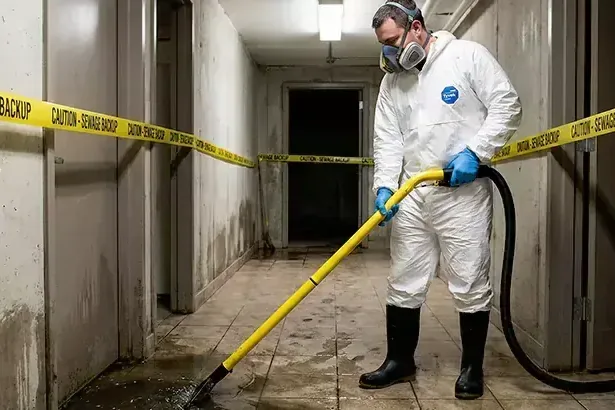
First steps for sewage backup cleanup
- Close the affected space to traffic. People and pets must avoid wastewater contact. Use routes outside the wet room to prevent shoes, belongings and household traffic from spreading contamination.
- Limit contributing fixture use. Continued use of affected plumbing can add wastewater while a blockage persists. Describe the fixtures involved and any ongoing release when coordinating drainage assessment and the indoor cleanup plan.
- Leave porous contents in the boundary. Moving soaked rugs, boxes or furnishings into a clean room can expand the contaminated area. Contents need an organized handling route and material decisions before they are carried elsewhere.
- Record the loss from a dry position. Photographs and notes can capture the visible wastewater boundary without entering it. Keep the room and item locations clear in the record before extraction and removal change the interior scene.
How sewage backup cleanup is handled
Define contact and source conditions
The assessment identifies where wastewater appeared, whether release continues and which fixtures show drainage symptoms. Safe entry and a restricted boundary are established before handling. The initial record separates source investigation from the rooms and contents requiring contamination cleanup inside the building.
Extract and remove unsuitable porous materials
Wastewater removal creates access for evaluating contacted finishes and belongings. Materials that cannot be appropriately restored are identified for controlled disposal. The route out is planned to avoid spreading contamination, with documentation of item locations and removed assemblies preserved before the original room condition changes.
Clean accessible retained assemblies
Cleaning addresses the surfaces left after removal, including lower wall edges and floor junctions where access permits. The scope should explain concealed areas needing an opening. Airflow for drying follows that work so equipment does not distribute residues across areas outside the contamination boundary.
What does sewage backup cleanup cost in Clifton, NJ?
Clifton sewage cleanup costs reflect contaminated contact, material removal and cleaning access. A written estimate should identify wastewater extraction, disposal, surface treatment and drying, with the drainage repair and later reconstruction costs separated from the indoor restoration scope.
For a closer planning number, run the water damage cost calculator. The restoration contractor who responds sets the real scope after the walkthrough and the moisture map.
Sewage Backup Cleanup restoration sequence
- 01
Define contact and source conditions
The assessment identifies where wastewater appeared, whether release continues and which fixtures show drainage symptoms. Safe entry and a restricted boundary are established before handling. The initial record separates source investigation from the rooms and contents requiring contamination cleanup inside the building.
- 02
Extract and remove unsuitable porous materials
Wastewater removal creates access for evaluating contacted finishes and belongings. Materials that cannot be appropriately restored are identified for controlled disposal. The route out is planned to avoid spreading contamination, with documentation of item locations and removed assemblies preserved before the original room condition changes.
- 03
Clean accessible retained assemblies
Cleaning addresses the surfaces left after removal, including lower wall edges and floor junctions where access permits. The scope should explain concealed areas needing an opening. Airflow for drying follows that work so equipment does not distribute residues across areas outside the contamination boundary.
- 04
Dry with a documented repair handoff
Moisture readings establish the drying needs of cleaned, retained materials. Equipment and repeated checks follow the remaining assembly rather than the original sewage volume. The final record distinguishes drainage status, cleanup completion and outstanding repair openings so the next work stage has a clear description of current conditions.
A sewage backup is an indoor contact problem as well as a drainage failure. Wastewater can reach belongings, lower wall materials and floor layers before the source is corrected. The cleanup plan must preserve a restricted work area and establish how contaminated materials leave without spreading the loss through the building.
Know which problem is being reported
Clifton Public Works identifies sanitary sewer blockages and house lateral stoppages among Sewer Division responses. It also lists grease and root treatment as planned preventive sanitary sewer maintenance. A report about drainage conditions should describe the observed backup, while the restoration scope addresses wastewater already inside occupied rooms.
A separate municipal crew maintains storm drain inlets and manholes. That distinction helps keep an indoor sanitary backup description focused on the actual fixture, drain and affected level. The source investigation and the contaminated room cleanup require coordination, but they remain different tasks with different access needs.
Protect the route between wet and dry areas
Delawanna is in the southeastern part of the city, and Main Mall is the main downtown section. At an affected home or occupied business in either setting, the cleanup boundary should include the path used for equipment and discarded materials. People should not use the wet room as a passage to a dry one.
- Identify absorbent contents resting within the wastewater contact area.
- Keep affected fixtures out of use pending drainage assessment.
- Record the room boundary before removal changes the visible loss.
- Plan cleaning access to wall bases and concealed floor edges.
Make cleaning the bridge to material drying
Allwood is a business district along Route 3. Whether the loss affects a workplace or residence, retained surfaces need appropriate cleaning before drying begins. Unsuitable porous materials are addressed separately from salvageable assemblies. Structural drying then concerns the moisture left in cleaned materials, with documentation that distinguishes drainage correction, contamination work and later repairs.
Safety planning starts with Ready.gov flood precautions; household water-use checks appear at EPA WaterSense.
Related water damage services in Clifton
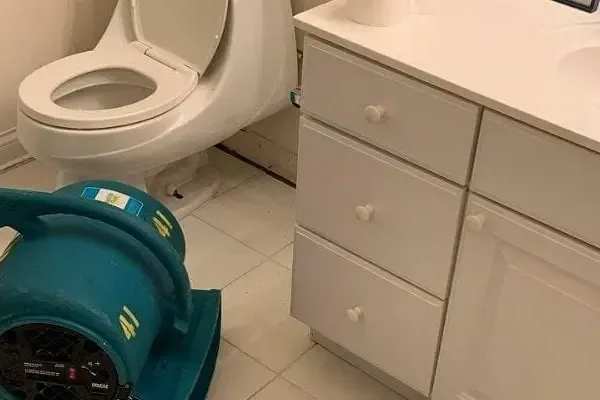 Toilet Overflow Cleanup in CliftonToilet overflow cleanup distinguishes a clean supply release from bowl water or wastewater. The team controls the affected area and makes material decisions based on what escaped, what it touched and where it travelled.
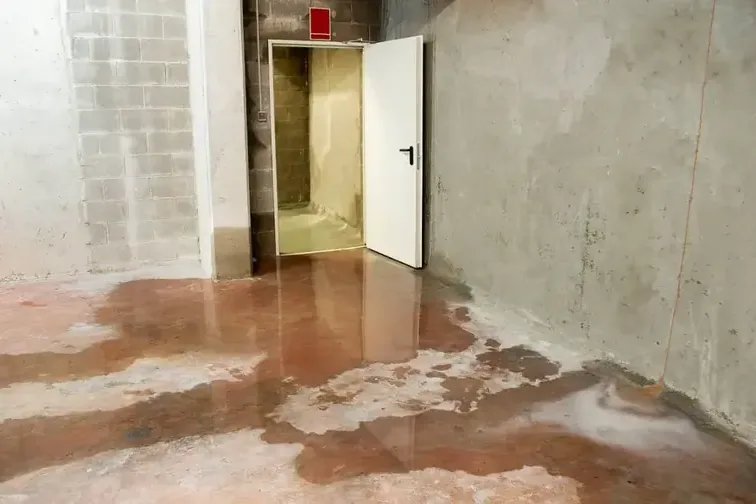 Basement Flooding Cleanup in CliftonBasement cleanup addresses accumulated water and wet materials below the occupied floors above. The source may be plumbing, outside entry or wastewater, and that distinction controls extraction, cleaning and porous-material decisions.
Sewage Backup Cleanup in CaldwellSewage backup is Category 3 water. Cleanup combines access control, protective equipment, removal of contaminated porous materials, surface cleaning and suitable antimicrobial treatment before the remaining structure enters monitored drying.
Sewage backup cleanup in Clifton, NJ
Wastewater assessments in Clifton include Delawanna, Main Mall and Allwood, with the affected rooms and active drainage symptoms discussed before a cleanup boundary is established.
The same service nearby: sewage backup cleanup in Caldwell, Woodland Park, Totowa.
Water damage restoration in Clifton · every town coveredSewage Backup Cleanup questions
Can sewage be treated as ordinary dirty water?
Wastewater contact requires controlled handling and material decisions before room use resumes. Affected surfaces and contents matter alongside the liquid. Restricted access helps contain contamination while the source and cleanup scope are assessed.
Will clearing the blockage restore the room?
Drainage correction addresses the source condition. Wastewater already on floors, walls and contents still requires removal and cleaning, followed by drying where materials remain wet. The work record should keep those tasks distinct so a functioning drain is not mistaken for a completed restoration.
Why remove some porous materials instead of cleaning them?
Contaminated water can penetrate absorbent layers that are difficult to clean throughout. Material type, contact and access affect the decision. The scope should explain which components need removal and identify the retained surfaces that can receive appropriate cleaning and subsequent moisture checks.
Should household fans be used during a backup?
Airflow across untreated wastewater residues can spread contamination beyond the original contact area. The room first needs a controlled cleanup sequence. Equipment for drying should be arranged after removal and cleaning decisions establish which materials remain suitable for restoration and where the safe work boundary lies.
What municipal service handles sanitary stoppages?
The Sewer Division lists responses to sanitary sewer blockages and house lateral stoppages. The observed drainage condition should be described clearly when it is reported. Interior wastewater cleanup remains a separate task addressing contaminated contents and building materials reached by the release.
Can dry rooms remain occupied during the work?
That depends on safe separation, utilities and the routes needed for removal and equipment. A dry room may still be unsuitable if access requires crossing the contaminated area. The assessment should explain practical restrictions for occupants and identify any changes as work progresses.
What should the closing documentation contain?
The record should describe affected rooms, discarded materials, cleaned surfaces and drying results for retained assemblies. It should also identify source correction status and remaining repairs. These details provide a clearer handoff than a general statement that the wastewater has been pumped away.
Keep wastewater removal connected to room recovery
A complete scope accounts for contamination on contacted surfaces and moisture in retained assemblies, with a clear handoff to repair work after cleaning and drying.
(888) 471-9821Plan the wastewater cleanup sequenceCaldwell Water Damage Restoration
Caldwell, NJ and nearby Essex County
(888) 471-9821 · open 24/7
Water and sewage losses only
Find us on Google