Toilet Overflow Cleanup in Clifton
An overflowing toilet needs a source decision before ordinary mopping begins. Cleanup differs when water escapes from a supply connection versus the bowl, especially after the spill reaches porous finishes or neighboring rooms.
(888) 471-9821Discuss the bathroom overflow source- Water source distinction
- Bathroom access control
- Threshold moisture checks
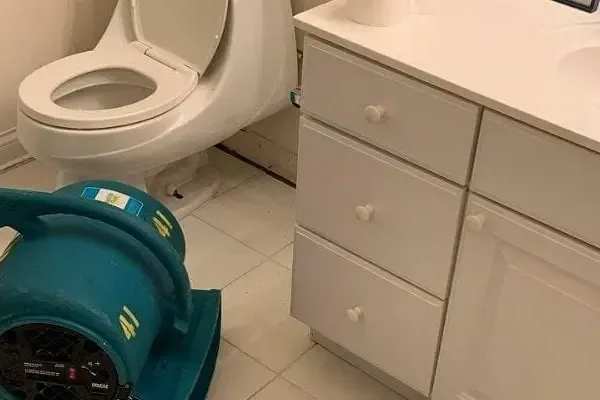
First steps for toilet overflow cleanup
- Stop further fixture use. Repeated flushing can worsen an overflow. Keep the affected fixture out of use and describe any other drainage symptoms when arranging source assessment, without testing additional fixtures to reproduce the problem.
- Keep people outside the spill. The water source and contamination level should be established before ordinary bathroom traffic resumes. Children, pets and belongings should remain beyond the wet boundary to limit contact and tracking through adjacent rooms.
- Avoid spreading the bathroom water. Household towels and portable fans can move contaminated material beyond the original area. Cleanup needs an appropriate handling plan for the water and surfaces before airflow or contents movement expands the work zone.
- Note where the spill traveled. Accessible observations of wet thresholds, vanity bases or a ceiling below help define inspection needs. Record those changes from a safe position while leaving affected materials available for the assessment.
How toilet overflow cleanup is handled
Classify the release and restrict entry
The assessment establishes whether water escaped from the supply system, bowl or a wider backup. That distinction shapes the contact boundary and handling precautions. Other drainage symptoms are recorded for source investigation, while occupants remain outside the area requiring contamination cleanup.
Remove water without tracking it
Extraction and contents handling follow a route that protects dry rooms. Bathroom floor edges and adjacent thresholds receive inspection as access improves. The scope identifies porous materials requiring removal and surfaces that can be cleaned, with decisions connected to the actual water contact.
Clean the retained bathroom surfaces
The cleaning approach accounts for the water source and the materials left in place. Hidden edges beneath a vanity or floor covering may require selective access. The purpose is to address contaminated contact before drying activity moves air through the bathroom and connected interior spaces.
What does toilet overflow cleanup cost in Clifton, NJ?
Toilet overflow cleanup in Clifton depends on the water source, contamination and spread beyond the fixture. The estimate should distinguish source correction from extraction, affected material removal, cleaning and drying, with the bathroom and adjoining rooms clearly identified.
For a closer planning number, run the water damage cost calculator. The restoration contractor who responds sets the real scope after the walkthrough and the moisture map.
Toilet Overflow Cleanup restoration sequence
- 01
Classify the release and restrict entry
The assessment establishes whether water escaped from the supply system, bowl or a wider backup. That distinction shapes the contact boundary and handling precautions. Other drainage symptoms are recorded for source investigation, while occupants remain outside the area requiring contamination cleanup.
- 02
Remove water without tracking it
Extraction and contents handling follow a route that protects dry rooms. Bathroom floor edges and adjacent thresholds receive inspection as access improves. The scope identifies porous materials requiring removal and surfaces that can be cleaned, with decisions connected to the actual water contact.
- 03
Clean the retained bathroom surfaces
The cleaning approach accounts for the water source and the materials left in place. Hidden edges beneath a vanity or floor covering may require selective access. The purpose is to address contaminated contact before drying activity moves air through the bathroom and connected interior spaces.
- 04
Measure the remaining wet layers
After cleaning, retained assemblies are checked for moisture and dried with an appropriate setup. Progress notes identify locations and any inaccessible layers. The closing record distinguishes fixture correction from material drying and explains which trim, floor or wall repairs remain before ordinary room use resumes.
Bathroom water should be described by where it came from, not just by how clear it looks. A supply connection leak and a bowl overflow can require different handling. The restoration assessment identifies the source, the surfaces contacted and the route into any adjacent room before a cleaning boundary is selected.
Separate fixture trouble from a wider stoppage
Clifton's Sewer Division responds to sanitary sewer blockages and house lateral stoppages. An individual toilet overflow still requires investigation of the actual fixture and drainage condition. Repeated flushing can add water, while using other affected fixtures may complicate a broader stoppage until the source problem receives attention.
Botany Village is the northernmost neighborhood in the city. In a bathroom there, the cleanup scope should identify whether water remained on an accessible surface or crossed a doorway into absorbent flooring. A small room can still involve multiple layers beneath the visible finish.
The bathroom edge often sets the next decision
Richfield is centrally located, and Dutch Hill is mostly residential near downtown. At an affected property in either setting, the inspection follows vanity bases, trim and thresholds. Porous materials exposed to contaminated water may need removal even when a hard floor surface can be cleaned.
- Keep household traffic from carrying bathroom water into dry rooms.
- Check the base of the vanity and nearby absorbent finishes.
- Record any visible water reaching the room or ceiling below.
- Separate cleaning decisions from the later replacement of damaged trim.
Dry only after the contact surfaces are addressed
Extraction provides access to the affected floor, but contamination decisions remain. The plan should explain what is cleaned, what is removed and which layers remain for drying. A broader wastewater release may need the approach described under sewage backup cleanup. The final repair handoff should preserve the source findings and moisture results together so the restored room has a clear record of both problems addressed.
Safety planning starts with Ready.gov flood precautions; household water-use checks appear at EPA WaterSense.
Related water damage services in Clifton
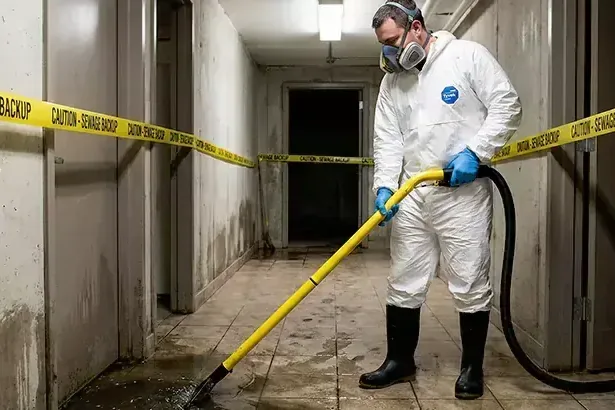 Sewage Backup Cleanup in CliftonSewage backup is Category 3 water. Cleanup combines access control, protective equipment, removal of contaminated porous materials, surface cleaning and suitable antimicrobial treatment before the remaining structure enters monitored drying.
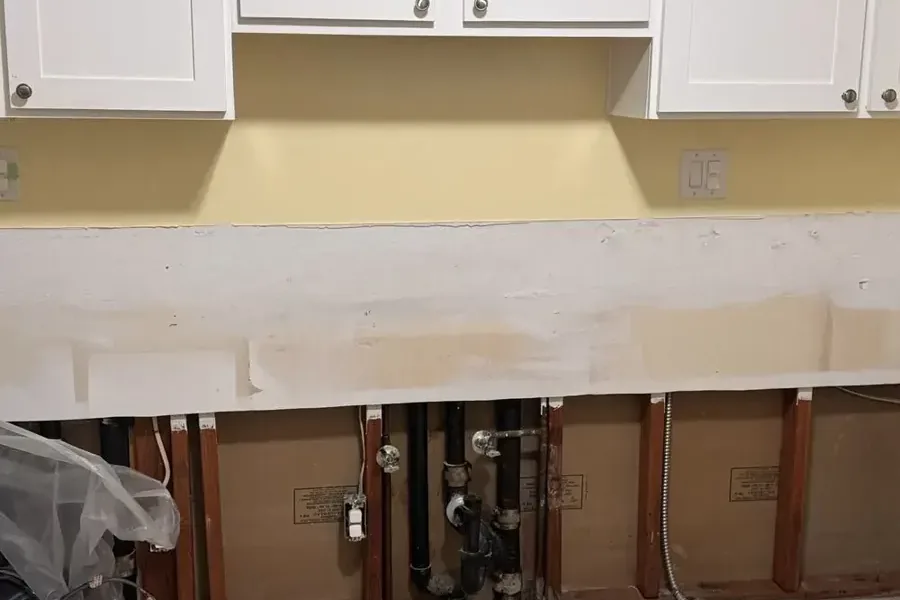 Appliance Leak Water Damage in CliftonAppliance cleanup addresses escaped water from supply connections, drains and equipment failures. The water source affects contamination decisions, while the cabinet and floor construction determine how technicians reach and dry concealed moisture.
Toilet Overflow Cleanup in CaldwellToilet overflow cleanup distinguishes a clean supply release from bowl water or wastewater. The team controls the affected area and makes material decisions based on what escaped, what it touched and where it travelled.
Toilet overflow cleanup in Clifton, NJ
Bathroom damage assessments in Clifton include Botany Village, Richfield and Dutch Hill, with the overflow source and any spread beyond the bathroom identified before cleanup planning.
The same service nearby: toilet overflow cleanup in Caldwell, Woodland Park, Totowa.
Water damage restoration in Clifton · every town coveredToilet Overflow Cleanup questions
Is clear bowl water safe to mop normally?
Water released from a toilet bowl needs assessment of its origin and contact surfaces before handling. Restricting bathroom access while the overflow is assessed helps prevent people, pets and household cleaning materials from carrying contamination into other rooms.
Should another flush be used to check the toilet?
Another flush can add water to the same problem. The fixture should remain out of use while the cause is assessed. Information about the original overflow and any other drainage symptoms is more useful than deliberately repeating the release inside an affected bathroom.
Can a tile floor hide additional wetting?
Water may reach joints, edges and adjacent materials even when the tile surface is accessible for cleaning. Vanity bases and thresholds deserve inspection. The assessment should determine whether the supporting layers or nearby porous finishes were affected by the particular overflow.
Why might the room below need checking?
Water can pass through floor openings or follow a concealed route into a lower ceiling. Visible staining or dripping below should be included in the initial description. Inspection follows those signs and accessible measurements to determine whether the overflow involved another assembly.
Who handles a house lateral stoppage?
The municipal Sewer Division lists house lateral stoppages among its responses. The actual drainage condition needs investigation, while contaminated indoor materials require a separate restoration scope. Reporting the source problem and arranging room cleanup address different parts of the same loss.
Can the bathroom be used while drying continues?
Use depends on safe access, completed cleaning and equipment or openings remaining in the room. A dry-looking floor is not the only consideration. The work plan should explain restrictions and identify when ordinary use will no longer interfere with the restoration process.
Does cleanup include replacing the toilet?
The written scope should clarify fixture work separately from restoration. A toilet may need service or removal for access, but the water damage scope concerns affected surfaces and assemblies. Clear task boundaries help coordinate drainage correction, cleaning, drying and any later finish repairs.
Restore the bathroom beyond its visible surface
Cleaning, material decisions and moisture checks should account for the doorway, vanity base and any connected wet layer before repair work closes them.
(888) 471-9821Plan the overflow damage assessmentCaldwell Water Damage Restoration
Caldwell, NJ and nearby Essex County
(888) 471-9821 · open 24/7
Water and sewage losses only
Find us on Google