Toilet Overflow Cleanup in Totowa
Water beside a toilet can come from a supply connection or from the bowl, and that difference matters. Totowa overflow cleanup starts by identifying the release before deciding how bathroom materials and adjoining rooms are handled.
(888) 471-9821Discuss the bathroom overflow path- Fixture source distinction
- Controlled bathroom access
- Threshold moisture assessment
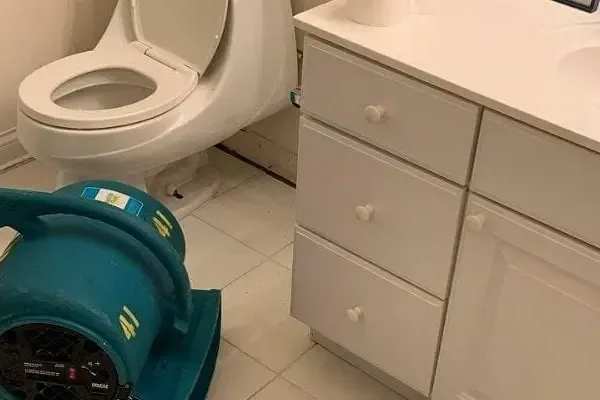
First steps for toilet overflow cleanup
- Stop using the affected toilet. Further flushing can add water before the obstruction or release is assessed. Other unusual drain behavior should be reported to the plumbing professional rather than tested repeatedly with more fixture use.
- Keep occupants outside the wet area. Bowl water and uncertain releases need restricted contact. Children, pets and ordinary household traffic should use dry routes while the water condition and cleanup boundary are established around the bathroom.
- Describe the release and nearby flooring. The owner can report whether water came from the bowl, tank area or a visible connector. Details about the doorway and adjoining floor help locate materials that may need different treatment.
- Preserve the damage pattern safely. Photos from a dry position can capture the spread before removal. The cleanup assessment should include vanity bases, floor seams and any ceiling below the bathroom that shows water reaching another level.
How toilet overflow cleanup is handled
Identify the fixture release
The assessment records whether water came from the supply connection or the bowl and whether the cause is controlled. Plumbing findings help establish the scope. The wet boundary includes the bathroom perimeter and any adjoining space reached by the release, with access restrictions suited to its condition.
Remove water with controlled handling
Extraction and contents movement are planned around contamination and the surfaces involved. The cleanup avoids spreading affected water through dry rooms. Porous material decisions are explained before removal, and the work area is opened where necessary to inspect layers beneath flooring or behind the base of a vanity.
Clean and inspect retained components
Exposed surfaces receive treatment appropriate to their material and water contact. Inspection follows seams, penetrations and wall bases that may hold residues or moisture. The cleaned assembly becomes the starting point for drying rather than a visibly wiped bathroom floor being assumed ready for normal use.
What does toilet overflow cleanup cost in Totowa, NJ?
Toilet overflow cleanup in Totowa has planning ranges from $600 to $3,800+. Water condition, porous finishes and spread beyond the bathroom affect the work. Fixture or drain repair should be distinguished from cleaning, material drying and replacement in the proposed estimate.
For a closer planning number, run the water damage cost calculator. The restoration contractor who responds sets the real scope after the walkthrough and the moisture map.
Toilet Overflow Cleanup restoration sequence
- 01
Identify the fixture release
The assessment records whether water came from the supply connection or the bowl and whether the cause is controlled. Plumbing findings help establish the scope. The wet boundary includes the bathroom perimeter and any adjoining space reached by the release, with access restrictions suited to its condition.
- 02
Remove water with controlled handling
Extraction and contents movement are planned around contamination and the surfaces involved. The cleanup avoids spreading affected water through dry rooms. Porous material decisions are explained before removal, and the work area is opened where necessary to inspect layers beneath flooring or behind the base of a vanity.
- 03
Clean and inspect retained components
Exposed surfaces receive treatment appropriate to their material and water contact. Inspection follows seams, penetrations and wall bases that may hold residues or moisture. The cleaned assembly becomes the starting point for drying rather than a visibly wiped bathroom floor being assumed ready for normal use.
- 04
Confirm the remaining room needs
Material measurements track drying progress in retained layers. The closing record identifies the cleaned area, any removed finishes and the work still needed to restore the room. It also distinguishes the resolved fixture problem from the damage treatment so neither part is mistaken for completion of the other.
The position of water beside a toilet does not fully describe the spill. A supply connector can release water onto the floor without a bowl overflow, while a backed up bowl can carry contaminants across the same surface. That distinction shapes the cleanup and the materials suitable for retention.
Stop fixture use and establish the boundary
Repeated flushing can increase the affected area when drainage is obstructed. The bathroom should remain out of normal use while the cause is assessed. If other fixtures also behave abnormally, that observation belongs in the plumbing conversation rather than being treated as another isolated bathroom symptom.
The Totowa Sewer Department manages sanitary sewage collection and conveyance from individual users. Its borough collection system and a fixture problem inside a building are different parts of the drainage picture. Source investigation determines what needs attention at the affected property.
Follow the bathroom spill across the threshold
A home near the Community Center on Union Boulevard, Washington Park School or Totowa Road can describe the bathroom floor and the material immediately outside its doorway. Water reaching carpet or wood introduces different access and retention questions from a spill confined to an exposed hard surface.
- Restrict movement through bowl water and any contaminated doorway.
- Inspect vanity bases and flooring edges touched by the release.
- Identify seepage through joints or openings near the fixture.
- Keep dirty contents from being carried through unaffected rooms.
Complete cleaning before drying retained layers
Material decisions depend on contamination and access, not simply whether a towel removed the visible water. Porous finishes may require removal, and retained surfaces need appropriate cleaning. Only then can drying address moisture in the assembly that remains.
Where wastewater affects more than the fixture area, sewage cleanup can address a broader scope. The final plan should distinguish the drainage repair from removal, cleaning, drying and any replacement work needed around the bathroom and its adjoining spaces.
Safety planning starts with Ready.gov flood precautions; household water-use checks appear at EPA WaterSense.
Related water damage services in Totowa
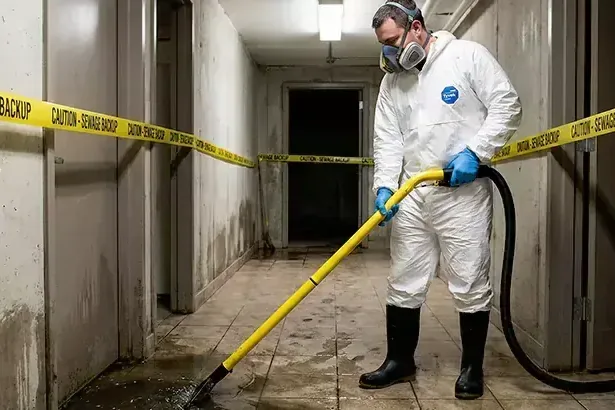 Sewage Backup Cleanup in TotowaSewage backup is Category 3 water. Cleanup combines access control, protective equipment, removal of contaminated porous materials, surface cleaning and suitable antimicrobial treatment before the remaining structure enters monitored drying.
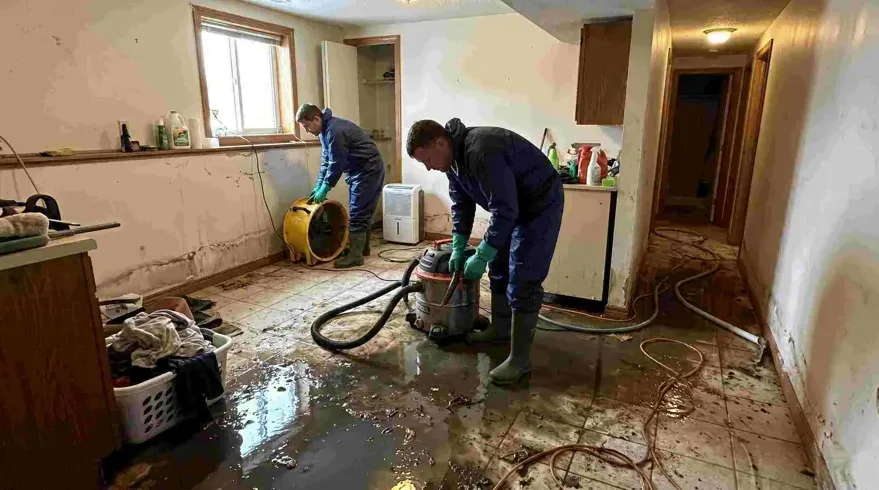 Water Extraction in TotowaExtraction removes liquid water before dehumidifiers manage the moisture left in materials. Crews choose pumps, wands and vacuum tools around water depth, contamination and the surfaces that need protection.
Toilet Overflow Cleanup in CaldwellToilet overflow cleanup distinguishes a clean supply release from bowl water or wastewater. The team controls the affected area and makes material decisions based on what escaped, what it touched and where it travelled.
Toilet overflow cleanup in Totowa, NJ
Properties near Totowa Road, the Community Center and Washington Park School can identify whether water stayed inside the bathroom or crossed a threshold when discussing an overflow assessment.
The same service nearby: toilet overflow cleanup in Caldwell, Woodland Park, North Caldwell.
Water damage restoration in Totowa · every town coveredToilet Overflow Cleanup questions
Is water around a toilet always sewage?
The source determines water condition. A supply connector release differs from a bowl overflow, even beside the same fixture. Inspection considers that origin and subsequent surface contact when choosing cleanup methods and deciding which materials can remain.
Should the toilet be flushed to check drainage?
Repeated flushing can add water when the cause remains unresolved. A plumbing professional can assess the obstruction or fixture problem. Reporting what happened before the spill, including other unusual drain behavior, is more useful than repeatedly testing the fixture while the room is already affected.
Can ordinary towels finish the cleanup?
Surface pickup cannot assess contamination or moisture beneath flooring and vanity bases. A visible spill may have reached porous materials through seams and edges. Cleanup addresses water condition, retained surface cleaning and the layers beneath the visible spill.
Why check outside the bathroom door?
Water crossing the threshold may encounter wood, carpet or another absorbent assembly. Those materials can require different removal and drying decisions from the bathroom surface. Inspecting the doorway and adjoining floor helps prevent the scope from ending where the room label changes rather than where the water stopped.
What if a ceiling below the bathroom becomes wet?
That change indicates water has reached another assembly and needs additional assessment. The ceiling area should be kept clear if it is swollen or unstable. Cleanup planning must follow the route between levels, including any electrical concern, rather than treating the spill as confined to the bathroom.
Does the borough sewer system affect the assessment?
The Sewer Department manages municipal sanitary collection and conveyance. A property overflow requires investigation of its cause. Reporting multiple affected fixtures helps the plumbing professional assess whether the obstruction is localized or involves a broader drainage problem.
When can the bathroom return to use?
Room use depends on the fixture repair, contamination treatment, safety conditions and remaining material work. The handoff should explain completed tasks and ongoing restrictions. Assessment of concealed layers helps determine when the bathroom is ready for normal activity again.
Define the overflow beyond the fixture
A focused assessment can separate plumbing repair from cleaning and drying, including hidden edges that remain wet after the open floor has been cleared.
(888) 471-9821Discuss bathroom material cleanupCaldwell Water Damage Restoration
Caldwell, NJ and nearby Essex County
(888) 471-9821 · open 24/7
Water and sewage losses only
Find us on Google