Sewage Backup Cleanup in Totowa
A sewage backup changes the use of every surface it reaches. Totowa cleanup needs a controlled work area, attention to the drainage cause and deliberate handling of contaminated materials before retained assemblies are dried.
(888) 471-9821Discuss the wastewater affected area- Restricted work access
- Contaminated material handling
- Drainage cause coordination
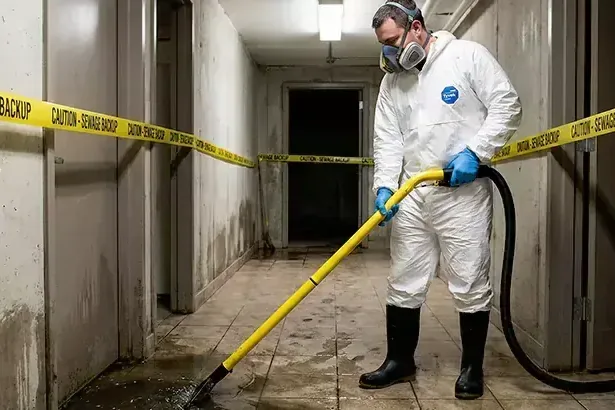
First steps for sewage backup cleanup
- Keep the affected space isolated. Occupants and pets should stay outside the contaminated area. Maintain a dry route for essential movement that avoids wastewater and prevents affected objects being carried through rooms the backup never reached.
- Pause contributing fixture use. Additional discharge may worsen the backup while its cause is unresolved. The plumbing assessment needs information about all affected fixtures, including any change noticed elsewhere before wastewater appeared inside the building.
- Record conditions without entering. Photographs from an uncontaminated position can capture the water boundary and damaged belongings. Soaked porous materials should remain undisturbed until assessed.
- Connect drainage and cleanup planning. The scope should identify the source correction and the separate work required inside the property, including extraction, controlled material removal, cleaning and drying of components suitable for retention after exposure.
How sewage backup cleanup is handled
Set the control and access plan
The assessment identifies the wastewater route, affected fixtures and any continuing backup. Access restrictions separate the work area from occupied dry spaces. Drainage correction is coordinated with removal planning, and the condition of exposed materials informs how contents, equipment and debris can move through the property without extending contamination.
Remove wastewater and affected porous material
Extraction addresses accessible liquid, followed by controlled handling of residues and materials unsuitable for retention. The work follows the actual exposure boundary, including concealed edges revealed during removal. Each material decision should be explained, with damage documentation maintained as the original wastewater pattern disappears and the assembly becomes more accessible.
Treat retained surfaces before drying
Cleaning addresses the exposed components that can remain. Attention extends to joints and contact surfaces where residues may persist after bulk removal. The scope is reassessed when a cavity or floor layer reveals additional contamination, so drying begins only after the retained area has received the appropriate cleanup work.
What does sewage backup cleanup cost in Totowa, NJ?
Sewage backup cleanup in Totowa has planning ranges from $2,000 to $12,000+. Contamination extent, porous materials and access affect the cost. Drain correction, contents treatment and rebuilding should be clearly separated from the proposed wastewater removal, cleaning and drying work.
For a closer planning number, run the water damage cost calculator. The restoration contractor who responds sets the real scope after the walkthrough and the moisture map.
Sewage Backup Cleanup restoration sequence
- 01
Set the control and access plan
The assessment identifies the wastewater route, affected fixtures and any continuing backup. Access restrictions separate the work area from occupied dry spaces. Drainage correction is coordinated with removal planning, and the condition of exposed materials informs how contents, equipment and debris can move through the property without extending contamination.
- 02
Remove wastewater and affected porous material
Extraction addresses accessible liquid, followed by controlled handling of residues and materials unsuitable for retention. The work follows the actual exposure boundary, including concealed edges revealed during removal. Each material decision should be explained, with damage documentation maintained as the original wastewater pattern disappears and the assembly becomes more accessible.
- 03
Treat retained surfaces before drying
Cleaning addresses the exposed components that can remain. Attention extends to joints and contact surfaces where residues may persist after bulk removal. The scope is reassessed when a cavity or floor layer reveals additional contamination, so drying begins only after the retained area has received the appropriate cleanup work.
- 04
Document the transition to repair
Moisture readings help track retained material drying after cleaning. The completion record identifies the treated area, removed finishes and remaining reconstruction or contents decisions. It also distinguishes the drainage repair from the building recovery work, making the next phase understandable even when several trades have contributed to resolving the original backup.
Wastewater on a floor creates more than a water removal problem. Foot traffic, contents and equipment can spread contamination beyond the original boundary. The first cleanup decision is therefore how to control access and movement while the source and affected materials are assessed together.
Understand the collection system without guessing the cause
The Totowa Sewer Department manages sanitary sewage collection and conveyance from individual users. The borough describes seven pumping stations feeding a central pump station, with sewage pumped to Passaic Valley Sewerage Commissioners in Newark for treatment and disposal.
That system provides context for a drainage conversation, while the property needs its own source investigation. A backup near the Municipal Complex, Union Boulevard or U.S. Route 46 should be described by the affected fixtures, timing and indoor spread. Those observations help establish the actual problem requiring attention.
Make the contaminated boundary visible
Wastewater can reach floor seams, wall bases and the underside of stored contents. A clear work boundary keeps ordinary household movement away from those surfaces. Porous materials need assessment for removal, while retainable components need access for cleaning before drying equipment is used.
- Keep people and pets away from wastewater and contaminated objects.
- Report other fixtures showing unusual drainage or returning water.
- Identify adjoining rooms reached through thresholds and low openings.
- Plan contents movement so contamination stays inside the controlled route.
Separate source correction from room recovery
Restoring drain flow does not clean the building. Wastewater removal, contaminated material handling and surface treatment remain necessary according to the exposure. The written scope should identify those tasks and explain any opening needed to reach residues or moisture inside an assembly.
After cleaning, retained materials can be evaluated for structural drying. Completion notes should describe the cleanup boundary and remaining replacement work so the owner has a clear account of the room's condition rather than relying on the absence of visible wastewater alone.
Safety planning starts with Ready.gov flood precautions; household water-use checks appear at EPA WaterSense.
Related water damage services in Totowa
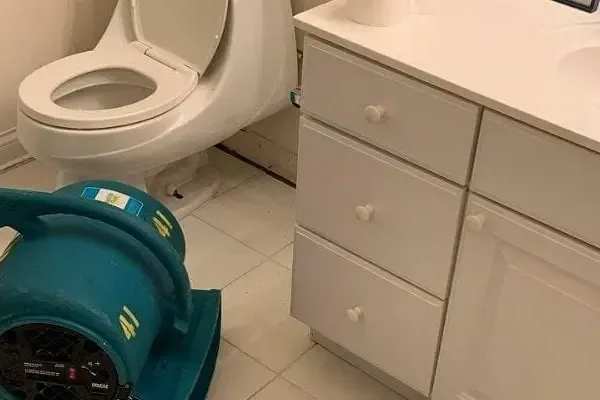 Toilet Overflow Cleanup in TotowaToilet overflow cleanup distinguishes a clean supply release from bowl water or wastewater. The team controls the affected area and makes material decisions based on what escaped, what it touched and where it travelled.
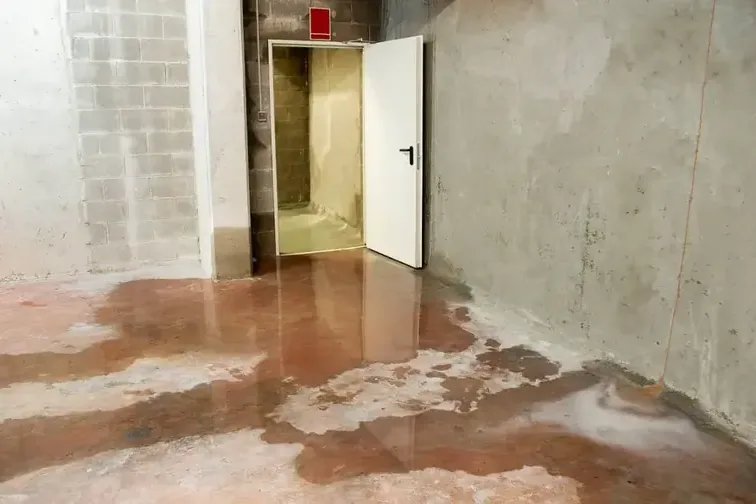 Basement Flooding Cleanup in TotowaBasement cleanup addresses accumulated water and wet materials below the occupied floors above. The source may be plumbing, outside entry or wastewater, and that distinction controls extraction, cleaning and porous-material decisions.
Sewage Backup Cleanup in CaldwellSewage backup is Category 3 water. Cleanup combines access control, protective equipment, removal of contaminated porous materials, surface cleaning and suitable antimicrobial treatment before the remaining structure enters monitored drying.
Sewage backup cleanup in Totowa, NJ
Totowa locations near the Municipal Complex, Union Boulevard and U.S. Route 46 can describe affected fixtures and indoor spread when discussing wastewater cleanup and safe access to the property.
The same service nearby: sewage backup cleanup in Caldwell, Woodland Park, North Caldwell.
Water damage restoration in Totowa · every town coveredSewage Backup Cleanup questions
Is removing the standing sewage enough?
Extraction leaves surfaces and porous layers needing assessment. The cleanup scope identifies cleaning, removal and drying tasks for the whole contact area. Retained components need appropriate treatment even after the standing wastewater has been cleared.
Can household traffic pass through a dry looking area?
Residues can remain after liquid recedes. Household traffic belongs outside the work area until assessment and treatment establish suitable access. Shoes, pets and belongings can otherwise spread contamination into rooms that escaped the original backup.
Does restored drainage mean the source is resolved?
A plumbing assessment should establish the cause and the corrective work needed. Temporary flow alone may not explain why the backup occurred. The cleanup record then addresses the separate indoor damage, so a working drain is not mistaken for completion of material cleaning and drying.
What information helps with municipal sewer questions?
The borough Sewer Department manages sanitary collection and conveyance. A useful report describes affected fixtures, timing and any ongoing return of wastewater. Property investigation remains necessary to identify the source, with municipal concerns directed to the department rather than assumed from the presence of a backup.
Can wet carpet or wallboard stay in place?
Porous material exposed to sewage requires careful assessment and may need removal because contamination cannot be addressed adequately in place. Decisions should be explained from the material and exposure conditions. The visible surface alone does not reveal the state of backing, cavities or adjoining absorbent components.
Should drying fans be started immediately?
Uncontrolled air movement can interfere with containment and the handling of contaminated materials. The cleanup sequence first establishes access, removes wastewater and unsuitable materials, and treats retained surfaces. Drying equipment then addresses the remaining moisture within a defined cleaned area rather than spreading activity across an untreated space.
What should the final paperwork explain?
It should identify the wastewater boundary, material removal, cleaning performed and drying findings for retained components. Remaining reconstruction and contents work should be named separately. The owner can then plan the next work before normal room use resumes.
Recover the room after drainage correction
A clear removal, cleaning and drying sequence helps define the affected assembly and the remaining repairs, with restricted access maintained around work that still needs attention.
(888) 471-9821Discuss controlled sewage cleanupCaldwell Water Damage Restoration
Caldwell, NJ and nearby Essex County
(888) 471-9821 · open 24/7
Water and sewage losses only
Find us on Google