North Caldwell Sewage Backup Cleanup
Wastewater in a living space needs a clear boundary before belongings or equipment move. Containment, source investigation and material decisions come first, followed by cleaning and measured drying of the surfaces that remain.
(888) 471-9821Discuss wastewater inside the building- Restricted room access
- Contaminated material assessment
- Cleaning before drying
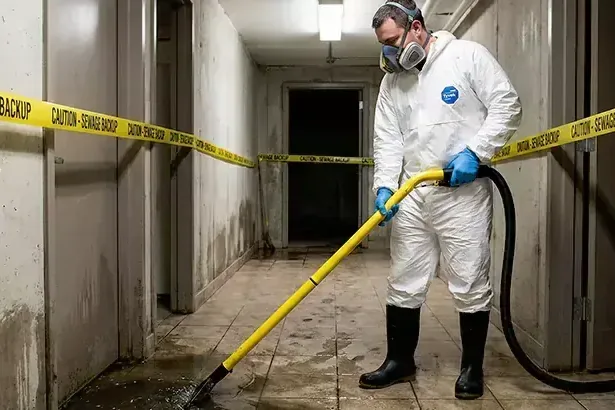
First steps for sewage backup cleanup
- Keep the area unoccupied. Household members and pets should remain outside affected rooms. Avoid walking through wastewater or moving wet items along clean routes while the cleanup boundary and safe access are established.
- Limit contributing water use. Report the affected drains and stop using fixtures that appear to add to the backup. A plumbing professional should investigate the cause before routine use resumes in the connected area.
- Document from a clean position. Photograph visible wastewater and affected contents without entering the spill. Note which rooms and finishes were reached, keeping the record separate from any decision to handle contaminated belongings.
- Arrange controlled entry. Describe shared hallways, stairs and occupied spaces that the cleanup route would cross. These details support containment and equipment planning before removal or cleaning changes the affected room.
How sewage backup cleanup is handled
Establish the source and controlled boundary
The assessment records continuing wastewater entry, drain symptoms and the plumbing response. Safe access and separation from occupied rooms are established before removal work. Photographs and a material map define the affected area so later decisions can be traced to the original conditions.
Remove water and unsuitable materials
Recovery and material handling follow a controlled route. Porous finishes and contents are assessed for retention or disposal, with the reasons documented. Opening affected edges can expose retained framing or surfaces that need cleaning and would otherwise remain concealed beneath contaminated material.
Clean the exposed assembly
Suitable retained surfaces receive appropriate cleaning after wastewater and debris are removed. The work includes accessible joints and low points within the defined boundary. Contents decisions remain coordinated with room cleaning so affected items are not casually returned to a space that has already been treated.
What does sewage backup cleanup cost in North Caldwell, NJ?
Sewage backup cleanup costs in North Caldwell reflect contamination, porous materials and access through the building. These ranges separate a contained area from extensive loss. The scope should identify plumbing investigation, contents treatment and reconstruction when those tasks are priced separately.
For a closer planning number, run the water damage cost calculator. The restoration contractor who responds sets the real scope after the walkthrough and the moisture map.
Sewage Backup Cleanup restoration sequence
- 01
Establish the source and controlled boundary
The assessment records continuing wastewater entry, drain symptoms and the plumbing response. Safe access and separation from occupied rooms are established before removal work. Photographs and a material map define the affected area so later decisions can be traced to the original conditions.
- 02
Remove water and unsuitable materials
Recovery and material handling follow a controlled route. Porous finishes and contents are assessed for retention or disposal, with the reasons documented. Opening affected edges can expose retained framing or surfaces that need cleaning and would otherwise remain concealed beneath contaminated material.
- 03
Clean the exposed assembly
Suitable retained surfaces receive appropriate cleaning after wastewater and debris are removed. The work includes accessible joints and low points within the defined boundary. Contents decisions remain coordinated with room cleaning so affected items are not casually returned to a space that has already been treated.
- 04
Dry retained materials and explain room status
The drying plan follows the cleaned assembly, using readings to track remaining moisture and adjust access. The handoff separates source repairs from restoration results and lists outstanding reconstruction. Room-use decisions should account for utilities, opened finishes and remaining work as well as the condition of exposed surfaces.
The immediate concern after a sewage backup is preventing contact and spread. Household traffic, wet belongings and improvised cleanup can carry affected material beyond the original room. A controlled plan starts by separating that room from occupied space and establishing how the source will be investigated.
Coordinate property plumbing and sewer questions
The Department of Public Works has authority over North Caldwell sewer matters. A plumber should investigate the property symptoms and establish the appropriate source response. The cleanup contact needs to know which drains moved, whether wastewater is still entering and which rooms have been affected.
Mountain Avenue, Gould Avenue and West Greenbrook Road are location references for service planning. Building details matter more once access is arranged: a shared entry, an occupied hallway or a lower-level room can change how equipment and removed material are routed.
Choose materials by condition and cleanability
Porous finishes that absorbed wastewater may require controlled removal. Suitable hard surfaces need access for cleaning, including edges beneath trim or fixed contents. The scope should explain why each affected material is retained or removed and document the condition before that decision changes the room.
- Keep children and pets outside the restricted cleanup area.
- Separate affected contents from household storage in clean rooms.
- Document porous finishes and concealed edges before removal begins.
- Plan the debris route so contamination stays within the work boundary.
Make the drying handoff follow cleaning
Drying equipment is part of the later restoration sequence, after contamination and unsuitable materials have been addressed. Air movement should be planned for the retained assembly and the controlled work area. A visibly clean floor can still have wet wall bottoms or underlayment that need attention.
Where the event began at a fixture, toilet overflow cleanup may clarify the local spill scope. The completion record should connect the source status, removal decisions, cleaning work and remaining moisture. That gives the homeowner a practical basis for repairs and room use without treating the disappearance of wastewater as the end of restoration.
Safety planning starts with Ready.gov flood precautions; household water-use checks appear at EPA WaterSense.
Related water damage services in North Caldwell
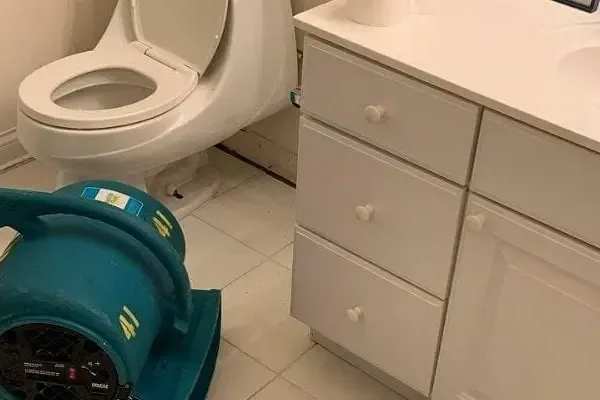 Toilet Overflow Cleanup in North CaldwellToilet overflow cleanup distinguishes a clean supply release from bowl water or wastewater. The team controls the affected area and makes material decisions based on what escaped, what it touched and where it travelled.
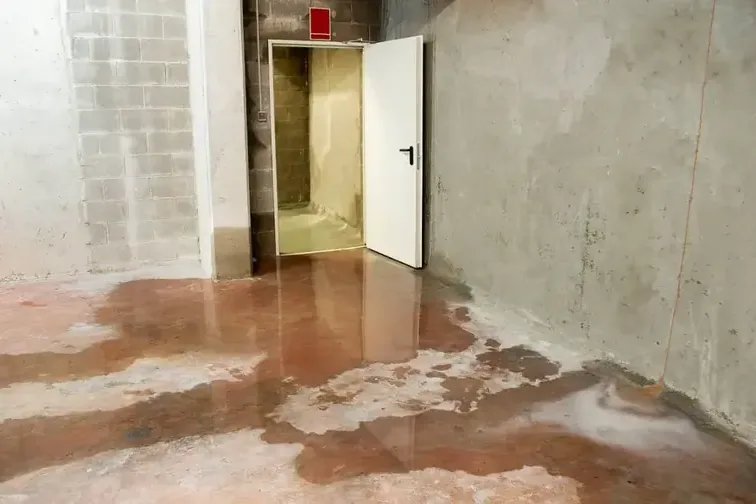 Basement Flooding Cleanup in North CaldwellBasement cleanup addresses accumulated water and wet materials below the occupied floors above. The source may be plumbing, outside entry or wastewater, and that distinction controls extraction, cleaning and porous-material decisions.
Sewage Backup Cleanup in CaldwellSewage backup is Category 3 water. Cleanup combines access control, protective equipment, removal of contaminated porous materials, surface cleaning and suitable antimicrobial treatment before the remaining structure enters monitored drying.
Sewage backup cleanup in North Caldwell, NJ
North Caldwell sewage cleanup requests can identify Mountain Avenue, Gould Avenue or West Greenbrook Road, while describing affected drains, occupied rooms and a clean route for assessment and equipment access.
The same service nearby: sewage backup cleanup in Caldwell, Totowa, Woodland Park.
Water damage restoration in North Caldwell · every town coveredSewage Backup Cleanup questions
Can a homeowner mop up a sewage backup?
Wastewater requires controlled handling because contact and movement can spread contamination. Household members should keep the area restricted and document from a clean position. The cleanup assessment determines material removal, cleaning access and the route for equipment and affected contents.
Should all household drains be tested repeatedly?
Repeated fixture use can add water if a connected blockage remains. Describe the symptoms to the plumbing professional and avoid contributing use while the cause is investigated. The restoration contact also needs to know whether wastewater is continuing to enter the building.
Does Public Works handle interior cleanup?
Public Works has authority over borough sewer matters. Property plumbing investigation and restoration of affected rooms are separate responsibilities that need coordination. The source findings help identify the right service question while cleanup follows the wastewater already inside the building.
Can contaminated wallboard stay if it dries?
Sewage exposure requires a material retention decision that addresses contamination as well as the moisture condition. Contamination, condition and cleaning access determine removal decisions. The scope should explain those decisions and address the retained assembly revealed when unsuitable finishes are removed.
Why is a clean hallway part of planning?
The hallway may become the equipment or debris route. Protecting it helps keep contamination within the work area and preserves access for occupants. Describe shared or occupied paths before work so containment and material movement can be planned around the building.
When are drying fans appropriate?
Air movement belongs after the contamination and removal assessment, with suitable cleaning completed in the work area. The drying arrangement then addresses retained materials and moisture readings. Using fans casually during a contaminated spill can interfere with the controlled cleanup approach.
What should the final paperwork explain?
The record should identify the source status, removed materials, cleaning work and retained material condition. It should also list repairs still needed before ordinary use. That gives the homeowner and reconstruction contact a clear account of what changed during restoration.
Restore the room through a controlled sequence
The scope should connect removal, cleaning and material readings before repaired finishes and household belongings return to the affected space.
(888) 471-9821Discuss controlled sewage cleanup accessCaldwell Water Damage Restoration
Caldwell, NJ and nearby Essex County
(888) 471-9821 · open 24/7
Water and sewage losses only
Find us on Google