North Caldwell Basement Flooding Cleanup
Water at the bottom of the stairs can hide utility hazards and damaged finishes. Basement cleanup starts with a safe entry decision, then considers the source, removal approach and materials that remain wet afterward.
(888) 471-9821Discuss the lower-level entry conditions- Basement access assessment
- Water source checks
- Lower wall moisture mapping
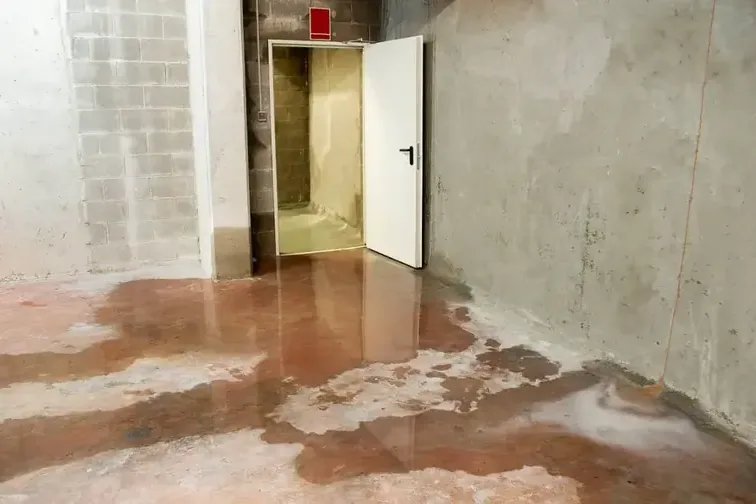
First steps for basement flooding cleanup
- Stay above unsafe water. Remain on a dry, stable route when electrical or structural conditions are uncertain. Describe visible basement conditions during the call instead of entering water to inspect utilities or retrieve belongings.
- Identify continued entry. Report any visible flow, drain movement or return of water after earlier removal. Current outside conditions and source status help determine the appropriate assessment and lower-level removal approach.
- Describe the access route. Explain stair layout, alternate entrances and storage blocking the way. Leave heavy wet contents for an assessed handling plan that protects the route and exposes affected floor and wall edges.
- Keep records of affected finishes. Photograph water marks and damaged storage when safe access permits. Note which rooms are finished and retain source repair findings for the cleanup scope and later reconstruction planning.
How basement flooding cleanup is handled
Assess source, utilities and entry
The initial decision concerns whether the lower level can be entered safely and what is still adding water. Utilities, stairs and exterior conditions are considered before removal is selected. The assessment records the affected rooms and any constraints on moving equipment or contents.
Remove water through the planned route
The recovery approach follows current building conditions and water source. As surfaces become accessible, contents and finishes are assessed for removal or retention. The stair and equipment routes remain controlled so hoses, debris and affected belongings do not spread the problem into occupied upper rooms.
Expose and restore wet lower assemblies
Wall bases, floor layers and concealed edges are checked after water removal. Cleaning and material decisions follow the exposure, then retained assemblies receive a drying arrangement. Contents movement is coordinated to make inspection possible behind storage that previously hid the wet perimeter.
What does basement flooding cleanup cost in North Caldwell, NJ?
Basement flooding cleanup in North Caldwell depends on safe access, source conditions and wet finishes or storage. These ranges distinguish limited lower-level water from deep or contaminated loss. Utility repairs, exterior work and rebuilding should be explicitly included or separated in the estimate.
For a closer planning number, run the water damage cost calculator. The restoration contractor who responds sets the real scope after the walkthrough and the moisture map.
Basement Flooding Cleanup restoration sequence
- 01
Assess source, utilities and entry
The initial decision concerns whether the lower level can be entered safely and what is still adding water. Utilities, stairs and exterior conditions are considered before removal is selected. The assessment records the affected rooms and any constraints on moving equipment or contents.
- 02
Remove water through the planned route
The recovery approach follows current building conditions and water source. As surfaces become accessible, contents and finishes are assessed for removal or retention. The stair and equipment routes remain controlled so hoses, debris and affected belongings do not spread the problem into occupied upper rooms.
- 03
Expose and restore wet lower assemblies
Wall bases, floor layers and concealed edges are checked after water removal. Cleaning and material decisions follow the exposure, then retained assemblies receive a drying arrangement. Contents movement is coordinated to make inspection possible behind storage that previously hid the wet perimeter.
- 04
Separate basement recovery from source repairs
Follow-up measurements establish the condition of retained materials. The handoff identifies interior repair needs and any outstanding plumbing or exterior work. The homeowner should understand both what is ready for reconstruction and what source concern still needs attention before the basement returns to ordinary use.
A flooded basement needs an access decision before a removal decision. Water may conceal steps, electrical equipment and damaged contents. The assessment must establish the current conditions inside and outside the building, then select an approach that addresses the source and the particular lower-level assembly.
Investigate how water reached this basement
North Caldwell publishes stormwater planning documents and lists a Glenview Road Drainage Improvements Study. For a property with basement water, the useful inspection follows the actual exterior entry, plumbing release or drain symptoms. Continuing water and outside conditions affect how removal should be planned.
Mountain Place and Courtier Road can help locate the property. Explain whether the basement is reached through interior stairs or another entrance, and identify any visible utility concern from a dry position. Household members should not enter simply to estimate water depth or retrieve storage.
Assess the lower walls as water recedes
Finished and unfinished areas create different material decisions. Wall bases, insulation and layered flooring may hold moisture after accessible water is removed. Storage can obstruct those edges, so contents handling should be part of the access plan rather than an afterthought.
- Photograph affected storage before decisions about handling or disposal.
- Check room partitions and low wall edges within the wet boundary.
- Keep the stair route clear of hoses, cords and removed material.
- Coordinate utilities and source repairs before routine basement use resumes.
Make the lower level ready for repairs
Cleaning and drying follow the water condition and retained materials. A concrete floor that looks improved can still sit beside wet wall assemblies. Storm flood cleanup may be relevant when outdoor water entered. The completion notes should separate interior results from exterior or plumbing repairs needed to address future entry, and identify the material checks required before finished walls or flooring are restored.
Safety planning starts with Ready.gov flood precautions; household water-use checks appear at EPA WaterSense.
Related water damage services in North Caldwell
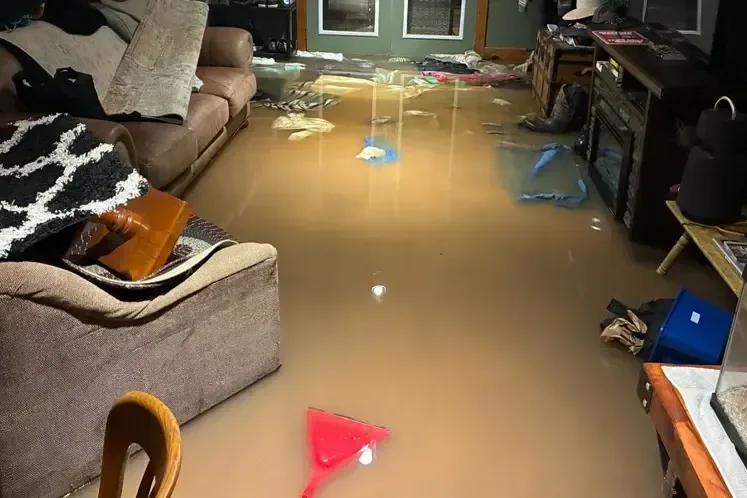 Storm Flood Cleanup in North CaldwellStorm flood cleanup addresses water that enters from outside at doors, lower openings or other access points. The crew treats the affected space as contaminated and plans removal, cleaning and drying around safe entry.
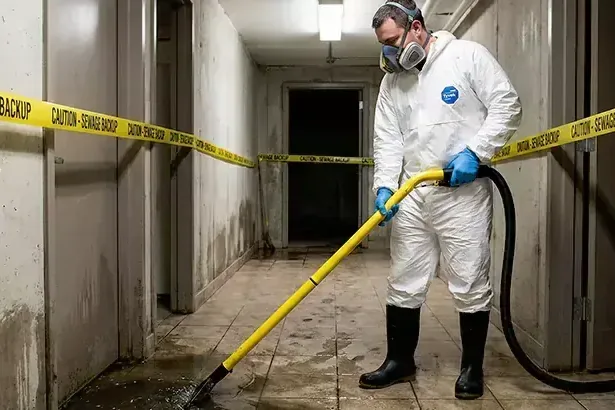 Sewage Backup Cleanup in North CaldwellSewage backup is Category 3 water. Cleanup combines access control, protective equipment, removal of contaminated porous materials, surface cleaning and suitable antimicrobial treatment before the remaining structure enters monitored drying.
Basement Flooding Cleanup in CaldwellBasement cleanup addresses accumulated water and wet materials below the occupied floors above. The source may be plumbing, outside entry or wastewater, and that distinction controls extraction, cleaning and porous-material decisions.
Basement flooding cleanup in North Caldwell, NJ
North Caldwell basement cleanup planning includes properties near Glenview Road, Mountain Place and Courtier Road, with stair access, utilities and continued water entry discussed before the lower level is entered.
The same service nearby: basement flooding cleanup in Caldwell, Totowa, Woodland Park.
Water damage restoration in North Caldwell · every town coveredBasement Flooding Cleanup questions
Should a flooded basement be entered immediately?
Entry depends on electrical, structural and access conditions. Water can conceal hazards at the bottom of the stairs. Household members should remain on a dry route and describe what is visible while qualified assessment establishes whether and how the lower level can be accessed.
Can all basement water be pumped the same way?
The approach depends on current conditions, source and the building. Continued outside water or utility concerns can affect removal decisions. A property assessment should establish the suitable method instead of choosing a pump solely from the apparent amount of standing water.
Does a bare concrete floor need further checks?
The room may contain wet walls, stored contents or concealed edges even when the floor is bare. Moisture checks describe retained material conditions. Inspection should include the actual lower-level assembly and the materials connected to the area where water collected.
What changes in a finished basement?
Wall coverings, insulation and floor layers create concealed spaces that can retain water. The cleanup scope may require selective access or removal to assess them. Those decisions should be explained before reconstruction replaces the finishes around materials that still need drying.
Can wet storage be moved upstairs?
Affected storage needs a handling decision before it crosses clean rooms. Water condition, weight and item damage all matter. Keep photographs and discuss salvage or disposal while the removal route is planned, particularly when the interior stairs connect directly to occupied living space.
What if water returns during drying?
Returning water requires another source assessment. Interior equipment cannot resolve an active exterior entry or plumbing release. The restoration plan should be adjusted to the source findings, with new wetting documented before the drying scope or repair schedule is continued.
Do municipal drainage documents replace a property inspection?
The property's actual entry route still needs assessment. Local drainage planning and studies provide a wider context, while the cleanup decision follows conditions at the building. Source observations, safe access and affected materials establish the practical work needed in the basement.
Plan recovery around the actual lower level
The handoff should identify dried materials, remaining repairs and source work so the restored basement is ready for the next stage of use.
(888) 471-9821Discuss the basement removal approachCaldwell Water Damage Restoration
Caldwell, NJ and nearby Essex County
(888) 471-9821 · open 24/7
Water and sewage losses only
Find us on Google