North Caldwell Storm Flood Cleanup
Outdoor water can bring debris across a threshold and soak several material layers. Flood cleanup begins with safe entry and source conditions, then separates contaminated materials from those suitable for cleaning and drying.
(888) 471-9821Discuss outdoor water inside the home- Entry route assessment
- Controlled material handling
- Post-flood moisture checks
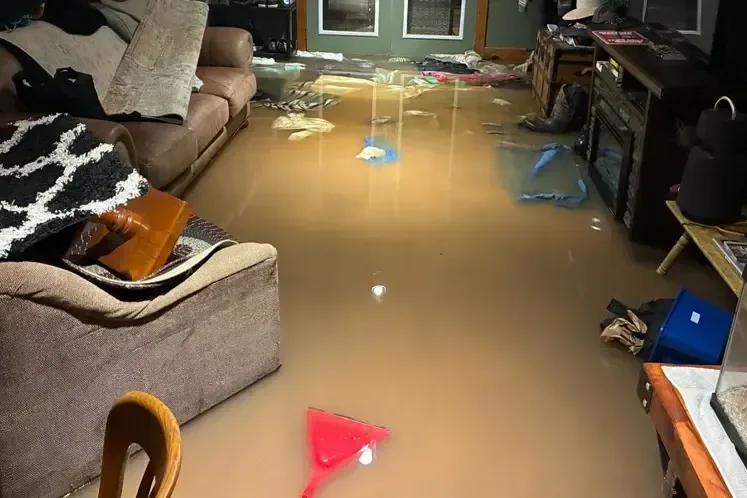
First steps for storm flood cleanup
- Wait for safe entry. Avoid entering standing water or a building with uncertain electrical or structural conditions. The first conversation should identify remaining outdoor water, blocked access and any hazards visible from a dry position.
- Restrict the affected route. Keep children, pets and household traffic away from floodwater and wet debris. Do not carry soaked contents into clean rooms before their handling and cleaning needs are assessed.
- Record the entry points. Photograph thresholds, water marks and damaged belongings when safe access permits. Note whether outdoor water is still entering and which rooms were reached during the event.
- Separate repair questions. Identify any exterior opening or drainage concern for the appropriate repair professional. Interior cleanup can then be planned with a clear understanding of the source status and access limitations.
How storm flood cleanup is handled
Establish conditions at the entrance
The assessment considers continuing exterior water, safe utilities and the route into the building. Interior water marks and affected rooms are documented alongside the entry points. This helps define whether work can proceed and which areas need additional safety or source attention first.
Create a controlled removal plan
Affected contents and building materials are assessed for contamination, damage and cleaning access. The plan identifies restricted areas and the route for removal. Porous finishes that cannot be retained are documented, while suitable materials are prepared for cleaning without spreading debris into unaffected rooms.
Clean exposed retained surfaces
After accessible water and unsuitable materials are removed, the remaining surfaces receive the appropriate cleaning approach. Hidden edges and low points are checked for debris and moisture. The scope should describe the work completed before drying equipment is arranged around the retained assembly.
What does storm flood cleanup cost in North Caldwell, NJ?
Storm flood cleanup in North Caldwell varies with the entry area, contaminated materials and drying access. These planning ranges distinguish limited entry from extensive interior loss. Exterior repairs, contents restoration and rebuilding should be identified clearly when priced outside the cleanup scope.
For a closer planning number, run the water damage cost calculator. The restoration contractor who responds sets the real scope after the walkthrough and the moisture map.
Storm Flood Cleanup restoration sequence
- 01
Establish conditions at the entrance
The assessment considers continuing exterior water, safe utilities and the route into the building. Interior water marks and affected rooms are documented alongside the entry points. This helps define whether work can proceed and which areas need additional safety or source attention first.
- 02
Create a controlled removal plan
Affected contents and building materials are assessed for contamination, damage and cleaning access. The plan identifies restricted areas and the route for removal. Porous finishes that cannot be retained are documented, while suitable materials are prepared for cleaning without spreading debris into unaffected rooms.
- 03
Clean exposed retained surfaces
After accessible water and unsuitable materials are removed, the remaining surfaces receive the appropriate cleaning approach. Hidden edges and low points are checked for debris and moisture. The scope should describe the work completed before drying equipment is arranged around the retained assembly.
- 04
Track drying and separate future repairs
Measurements follow the materials that remain in the building. Equipment and access change as needed to reach persistent wet areas. The completion notes distinguish interior restoration results from exterior drainage or opening repairs that may be needed to address another entry of outdoor water.
Water that crosses into a home from outdoors needs a cleanup approach suited to what it carried and touched. The first questions concern safe access, whether water is still entering and how far it spread. The plan then addresses affected contents and the building materials below visible surfaces.
Inspect the property entry route
North Caldwell publishes a Municipal Stormwater Management Plan and lists a Glenview Road Drainage Improvements Study. At an affected property, inspection should examine the actual threshold, opening or lower-level route through which water entered. Exterior conditions and interior damage need to be documented together.
West Greenbrook Road and Gould Avenue can help identify the location during a call. Describe the entrance condition and any water remaining outside the building. Those details matter when deciding how equipment and removed materials can move through the site safely.
Keep the cleanup boundary controlled
Floodwater may carry soil and other contaminants into absorbent finishes. Household traffic and contents movement should stay outside the affected route. Material decisions consider exposure, cleanability and whether moisture remains trapped behind a surface that looks intact.
- Photograph affected belongings before disposal decisions are made.
- Keep wet contents from crossing clean living spaces without protection.
- Assess flooring and wall bases where sediment or moisture collects.
- Plan a removal route that avoids spreading debris through occupied rooms.
Connect cleaning with the remaining moisture
Water removal is followed by assessment of contaminated materials and cleaning of suitable surfaces. Only then can the retained assembly receive an appropriate drying arrangement. Equipment placement should reflect the exposed materials and the safe route through the home.
When water has reached a lower level, basement cleanup adds attention to entry safety and the below-grade space. The final scope should explain what was removed, what was cleaned and which readings support the drying handoff. Exterior repairs or drainage work should be identified separately so the homeowner can address repeat entry as well as the current damage.
Safety planning starts with Ready.gov flood precautions; household water-use checks appear at EPA WaterSense.
Related water damage services in North Caldwell
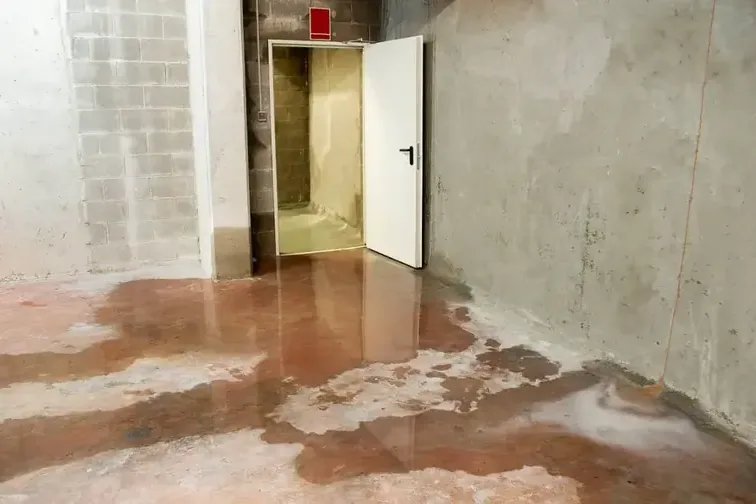 Basement Flooding Cleanup in North CaldwellBasement cleanup addresses accumulated water and wet materials below the occupied floors above. The source may be plumbing, outside entry or wastewater, and that distinction controls extraction, cleaning and porous-material decisions.
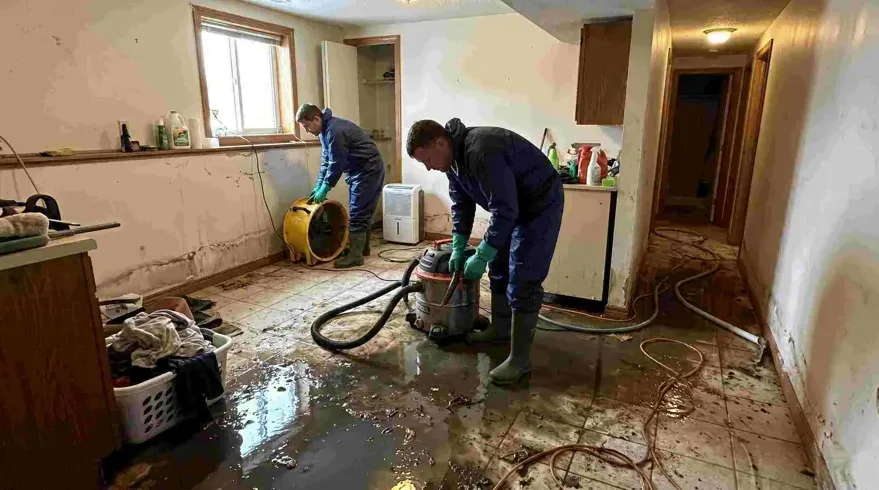 Water Extraction in North CaldwellExtraction removes liquid water before dehumidifiers manage the moisture left in materials. Crews choose pumps, wands and vacuum tools around water depth, contamination and the surfaces that need protection.
Storm Flood Cleanup in CaldwellStorm flood cleanup addresses water that enters from outside at doors, lower openings or other access points. The crew treats the affected space as contaminated and plans removal, cleaning and drying around safe entry.
Storm flood cleanup in North Caldwell, NJ
North Caldwell flood cleanup planning includes properties near Glenview Road, West Greenbrook Road and Gould Avenue, with the actual entry route and safe access conditions established at each building.
The same service nearby: storm flood cleanup in Caldwell, Totowa, Woodland Park.
Water damage restoration in North Caldwell · every town coveredStorm Flood Cleanup questions
Is outdoor floodwater handled like a pipe spill?
Outdoor entry introduces different contamination and debris concerns. The cleanup plan needs to account for what the water contacted and the affected materials. Safe access, controlled removal and cleaning decisions should come before treating the area as a routine indoor supply release.
Can wet carpet simply be dried in place?
Retention depends on water condition, exposure and the carpet assembly. Flood-affected porous materials need a careful removal or cleaning decision. Drying alone does not address contamination, and the layers below the carpet also need to be assessed before the room is restored.
Does a drainage study identify a damaged property?
A property assessment should locate the actual outdoor entry and interior water path. The borough's drainage planning provides a municipal context, while the cleanup scope belongs to the affected building. Photographs and inspection findings establish the useful details for that scope.
Should windows be opened to speed drying?
Outdoor air may not improve indoor drying conditions and can interfere with equipment control. The drying plan should account for humidity and the exposed materials. Follow the specific arrangement established for the building rather than changing windows or equipment without coordination.
Can belongings be kept for an insurance decision?
Items can be documented and handled according to their condition and safety needs. Keep photographs and a list of affected belongings, and discuss storage or disposal with the responsible contacts. Unsafe contaminated items should not be moved through occupied rooms casually.
What if water is still entering the basement?
Continuing entry needs source and safety assessment before an extraction plan is finalized. Water levels and conditions outside the building can affect the approach. Describe the active entry and any utility concerns so the lower-level work is planned around current conditions.
When does the cleanup become reconstruction?
Cleanup addresses water, affected materials, cleaning and drying. Reconstruction replaces removed finishes and repairs the building. A written handoff should identify retained material condition and remaining source work so new surfaces do not hide wet areas or an unresolved entry point.
Plan recovery from the threshold inward
The work scope should follow the water into each affected layer and separate interior restoration from the exterior repairs needed at the property.
(888) 471-9821Discuss the flooded interior scopeCaldwell Water Damage Restoration
Caldwell, NJ and nearby Essex County
(888) 471-9821 · open 24/7
Water and sewage losses only
Find us on Google