Storm Flood Cleanup in Totowa
Outside water can leave sediment and soaked belongings long after the visible level falls. Storm flood cleanup in Totowa starts with safe access, then separates debris removal, contaminated material handling and drying of retained assemblies.
(888) 471-9821Discuss outside water damage- Flood access assessment
- Debris and water removal
- Retained material drying
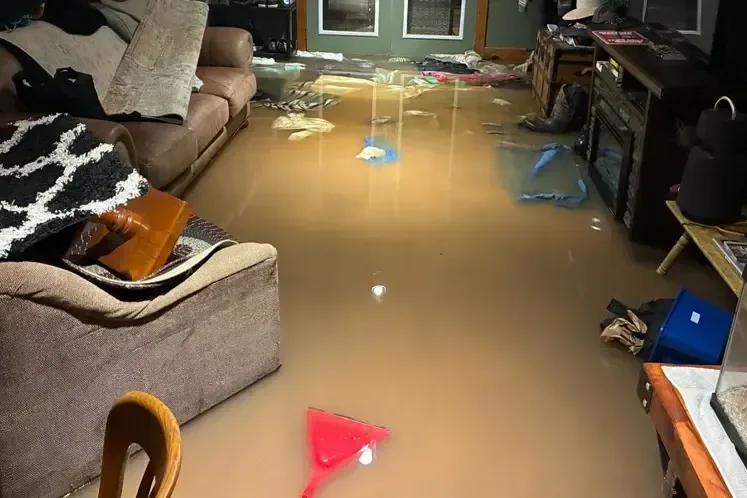
First steps for storm flood cleanup
- Wait for a safe entry decision. Official restrictions and safety concerns take priority over belongings. The owner should avoid moving water or entering an affected building simply because the outdoor level appears to recede.
- Describe the water boundary. From a safe position, note the rooms reached, any visible sediment and whether new water continues entering. These details establish removal and handling priorities.
- Keep dry routes separate. Footwear, contents and equipment can carry flood residues into unaffected areas. Access planning should identify a controlled route so the cleanup does not extend the dirty work zone through dry rooms.
- Preserve a readable loss record. Photographs and an item list can capture the original damage before disposal changes the scene. The cleanup scope should explain material decisions and distinguish urgent removal from later reconstruction and contents work.
How storm flood cleanup is handled
Establish conditions for entry
The assessment considers continuing water entry, access restrictions, electrical concerns and structural stability. It defines a work route and records the water boundary. The flood source and visible residues inform handling decisions before any contents are carried through the building or removal equipment is brought inside.
Remove water, debris and unsuitable materials
Standing water and sediment are addressed using methods suited to the conditions. Contents are evaluated separately from building finishes, and unsuitable porous materials are identified. Controlled movement through the work area helps keep dirty removal operations from spreading residues into parts of the property that remained dry.
Clean the retained surfaces
After bulk removal, retained components need cleaning appropriate to their exposure and material type. This stage exposes the surfaces that drying must reach and allows further inspection at floor edges and cavities. The scope is adjusted when removal reveals additional affected layers beyond the first visible water boundary.
What does storm flood cleanup cost in Totowa, NJ?
Storm flood cleanup in Totowa has planning ranges from $3,000 to $15,000+. The affected area, contaminated materials, debris and access limitations influence the work. A detailed estimate should separate water removal, cleaning, drying and any reconstruction or contents services that follow.
For a closer planning number, run the water damage cost calculator. The restoration contractor who responds sets the real scope after the walkthrough and the moisture map.
Storm Flood Cleanup restoration sequence
- 01
Establish conditions for entry
The assessment considers continuing water entry, access restrictions, electrical concerns and structural stability. It defines a work route and records the water boundary. The flood source and visible residues inform handling decisions before any contents are carried through the building or removal equipment is brought inside.
- 02
Remove water, debris and unsuitable materials
Standing water and sediment are addressed using methods suited to the conditions. Contents are evaluated separately from building finishes, and unsuitable porous materials are identified. Controlled movement through the work area helps keep dirty removal operations from spreading residues into parts of the property that remained dry.
- 03
Clean the retained surfaces
After bulk removal, retained components need cleaning appropriate to their exposure and material type. This stage exposes the surfaces that drying must reach and allows further inspection at floor edges and cavities. The scope is adjusted when removal reveals additional affected layers beyond the first visible water boundary.
- 04
Measure the remaining moisture
Drying begins from an understood cleaning and removal boundary. Measurements track retained materials, with equipment adjustments where response differs across the assembly. The final record distinguishes completed cleanup from replacement finishes, contents decisions and other repairs, giving the owner a practical account of what is ready and what remains.
The fall of floodwater changes what is visible, not necessarily what is safe. Sediment may cover flooring joints, furniture bases or steps into the property. A cleanup assessment needs to establish a usable work route and understand the water's contact with the building before ordinary occupancy resumes.
Use river information before a property decision
Totowa Office of Emergency Management links residents to Passaic River flood levels. Borough emergency notifications also include critical community alerts. These are useful for preparedness and official instructions while water conditions change; an interior cleanup plan still needs inspection of the actual affected building.
Interstate 80 and U.S. Route 46 pass through the borough. A property near those corridors or Union Boulevard should describe the entrance currently available, any blocked indoor passage and whether water is still arriving. The assessment can then address the building's present conditions.
Separate flood residues from ordinary wetting
Outdoor water can carry material that should not be spread through dry rooms. The work area needs controlled movement of contents, debris and removal equipment. Porous finishes exposed to contaminated water require deliberate retention decisions before air movement is introduced across the damaged space.
- Keep occupants away from affected rooms until access is assessed.
- Record water marks and contents from a safe, dry position.
- Identify residues beneath furnishings and along floor transitions.
- Coordinate disposal with the material condition and cleanup scope.
Make cleaning and drying separate milestones
Pumping clears the standing water, but contaminated surfaces still need suitable treatment. Cleaning work and material removal make retained components accessible. Drying then addresses moisture in the remaining assembly, with measurements showing whether wall bases and flooring supports are responding.
A written scope should identify each milestone and any work that remains outside it. Where the damage extends below the main floor, basement cleanup may require additional access assessment before equipment can reach the lowest affected surfaces safely.
Safety planning starts with Ready.gov flood precautions; household water-use checks appear at EPA WaterSense.
Related water damage services in Totowa
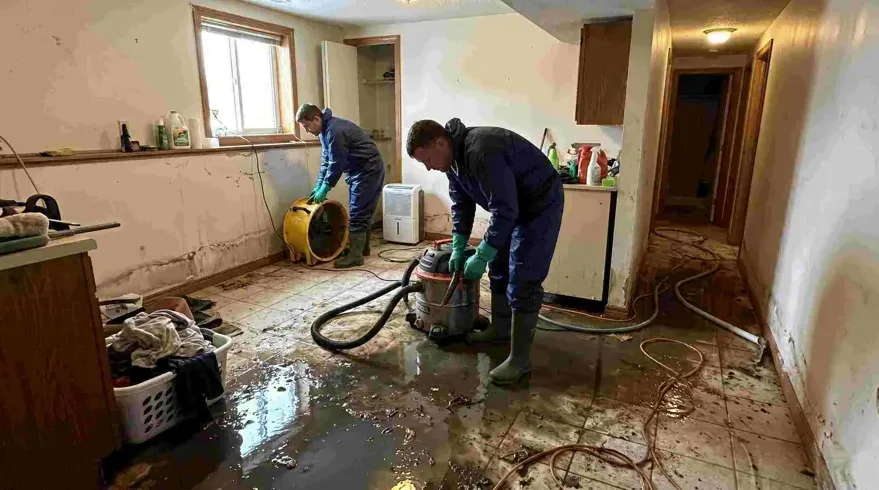 Water Extraction in TotowaExtraction removes liquid water before dehumidifiers manage the moisture left in materials. Crews choose pumps, wands and vacuum tools around water depth, contamination and the surfaces that need protection.
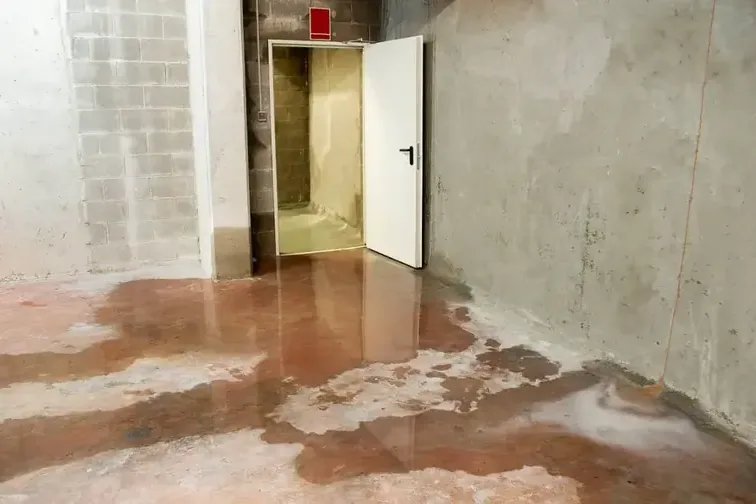 Basement Flooding Cleanup in TotowaBasement cleanup addresses accumulated water and wet materials below the occupied floors above. The source may be plumbing, outside entry or wastewater, and that distinction controls extraction, cleaning and porous-material decisions.
Storm Flood Cleanup in CaldwellStorm flood cleanup addresses water that enters from outside at doors, lower openings or other access points. The crew treats the affected space as contaminated and plans removal, cleaning and drying around safe entry.
Storm flood cleanup in Totowa, NJ
Totowa properties near Interstate 80, U.S. Route 46 and Union Boulevard can describe present access conditions and indoor water levels when discussing a storm related cleanup assessment.
The same service nearby: storm flood cleanup in Caldwell, Woodland Park, North Caldwell.
Water damage restoration in Totowa · every town coveredStorm Flood Cleanup questions
Is receding floodwater a signal to enter the property?
Receding water leaves electrical, structural and access concerns to assess. Official instructions and property inspection come first. Sediment and concealed obstacles can remain around familiar entrances, so the approach to removal equipment and affected rooms needs planning before entry.
Where is river information available locally?
The borough emergency management office links residents to Passaic River flood levels. Emergency notifications provide critical community alerts as well. Those channels support preparedness and access decisions; indoor cleanup should be arranged around the observed damage and current conditions at the affected property.
Can outdoor water be handled like a pipe spill?
Outside water can introduce contaminants and debris that change material handling and cleaning needs. Its appearance alone is insufficient for choosing a method. The assessment should account for where it came from, what it contacted and which porous finishes or contents received that water.
Should wet belongings be discarded immediately?
Contents decisions should consider contamination, material condition and documentation needs. Moving items without a plan can spread residues or create unsafe lifting conditions. Photographs preserve the damage record while the scope identifies items for further assessment or removal.
Why not start fans as soon as water recedes?
Air movement before contaminated material removal and cleaning can interfere with controlled handling of the affected space. The sequence should be established from the water condition and surfaces involved. Drying retained assemblies follows a defined cleanup boundary instead of becoming the first response to every flooded room.
Does a flood cleanup estimate include every repair?
The written scope determines that. Removal, cleaning and drying may be separate from replacement floors, walls, electrical work or contents services. Each proposed stage should be identified, and newly exposed damage should be explained before it changes the overall cost or reconstruction plan.
How is the end of cleanup documented?
The record should describe water and debris removal, material handling, cleaning and the moisture findings for retained assemblies. It should also name remaining repairs. That separation helps the owner understand which rooms are ready for the next stage and which still need restricted access or additional work.
Set a clear sequence after flooding
A defined removal and cleaning scope gives drying a sound starting point and helps the owner understand the work that remains before reconstruction.
(888) 471-9821Discuss a flood cleanup sequenceCaldwell Water Damage Restoration
Caldwell, NJ and nearby Essex County
(888) 471-9821 · open 24/7
Water and sewage losses only
Find us on Google