Basement Flooding Cleanup in Totowa
A flooded basement can hide the condition of its floor, equipment and lowest wall edges. For Totowa properties with a basement, cleanup begins by assessing entry and the water source before removal exposes the affected materials.
(888) 471-9821Discuss the flooded lower level- Stair and electrical access
- Water source assessment
- Lower wall moisture checks
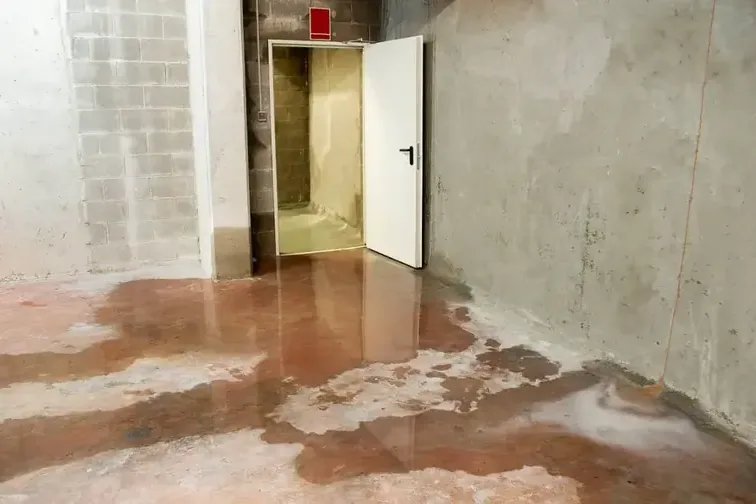
First steps for basement flooding cleanup
- Stay above uncertain electrical conditions. An owner should avoid water around electrical devices. The lower level needs an appropriate safety assessment before entry or movement of cleanup machinery down the stairs.
- Describe what is visible safely. The report can include the water boundary, affected contents and any ongoing entry observed from a dry position. A clear view from the entrance is enough.
- Identify the basement access route. Stairs, doors and narrow turns affect equipment placement and material removal. The assessment should know which route is dry and whether stored items obstruct the approach to the affected lower level.
- Plan for the hidden perimeter. The cleanup scope should include low wall edges, closets and covered floor layers where present, with suitable cleaning and drying decisions based on the water source and actual materials exposed.
How basement flooding cleanup is handled
Assess the lower level before entry
The first assessment considers continuing entry and conditions around electrical equipment or unstable materials. Access down stairs or through a separate entrance is planned accordingly. The water boundary and affected contents are recorded from safe positions before removal changes the room, with source findings used to establish the cleanup method.
Remove water and inspect newly visible surfaces
Extraction reveals floor conditions and low wall edges that standing water concealed. Contents movement and debris handling depend on contamination and safe access. The scope includes recesses and connected rooms, with adjustments when removal exposes damage behind storage or beneath finishes that were not visible during the initial assessment.
Treat the actual lower level assembly
Cleaning and material removal follow the source and exposure. Where finished walls or covered floors are present, selective access can reveal retained moisture. Drying equipment is arranged around components suitable for retention, and readings track those materials rather than relying only on the appearance of an exposed concrete surface.
What does basement flooding cleanup cost in Totowa, NJ?
Basement flooding cleanup in Totowa has planning ranges from $1,500 to $10,000+. Depth, source, stair access and finished materials influence the work. Source correction, damaged contents and reconstruction should be distinguished from removal, cleaning and drying in a written scope.
For a closer planning number, run the water damage cost calculator. The restoration contractor who responds sets the real scope after the walkthrough and the moisture map.
Basement Flooding Cleanup restoration sequence
- 01
Assess the lower level before entry
The first assessment considers continuing entry and conditions around electrical equipment or unstable materials. Access down stairs or through a separate entrance is planned accordingly. The water boundary and affected contents are recorded from safe positions before removal changes the room, with source findings used to establish the cleanup method.
- 02
Remove water and inspect newly visible surfaces
Extraction reveals floor conditions and low wall edges that standing water concealed. Contents movement and debris handling depend on contamination and safe access. The scope includes recesses and connected rooms, with adjustments when removal exposes damage behind storage or beneath finishes that were not visible during the initial assessment.
- 03
Treat the actual lower level assembly
Cleaning and material removal follow the source and exposure. Where finished walls or covered floors are present, selective access can reveal retained moisture. Drying equipment is arranged around components suitable for retention, and readings track those materials rather than relying only on the appearance of an exposed concrete surface.
- 04
Define the work needed after drying
The handoff records the cleaned and dried area, removed materials and any access limitation. It separates source repairs, contents decisions and reconstruction from the completed cleanup. The material boundary and remaining tasks inform the plan for returning the lower level to use.
A stairway can be the only view of a flooded lower level before it is safe to enter. The first description should therefore focus on what is visible from a dry position, including electrical equipment, loose contents and whether water continues rising. Entry needs assessment before a pump or other equipment is carried downstairs.
Connect river awareness with the actual property
Totowa Office of Emergency Management links residents to Passaic River flood levels. That information supports awareness of outdoor conditions, while a basement release still needs source investigation. Plumbing water, outside entry and sewage require different cleanup decisions once their paths are established.
For a property near Totowa Road, Memorial School or Union Boulevard, useful access details include the stair route and any separate entrance. The assessment should identify the basement's actual finishes and equipment rather than assume every lower level has the same layout or use.
Expose the floor without overlooking the walls
Standing water can hide floor damage and wet contents, while wall finishes may absorb moisture at their lowest edges. Removal reveals those conditions and allows a more complete scope. If there are finished walls, selective access may be needed to inspect the layer behind them.
- Describe water around electrical equipment without approaching it.
- Record stored items and finishes reached by the water boundary.
- Identify any continuing entry before finalizing the removal plan.
- Include closets and low recesses where residual water can remain.
Finish with a material plan for the lower level
Clearing a concrete surface does not automatically dry adjacent trim, framing or stored belongings. Cleaning requirements depend on water condition, and retained materials need a drying assessment. The scope should explain which layers were accessible and which required opening.
If the source involves wastewater, sewage treatment changes the handling sequence. A defined handoff distinguishes extraction and material drying from source repairs or later rebuilding so the property owner can plan the next stage with the remaining work clearly identified.
Safety planning starts with Ready.gov flood precautions; household water-use checks appear at EPA WaterSense.
Related water damage services in Totowa
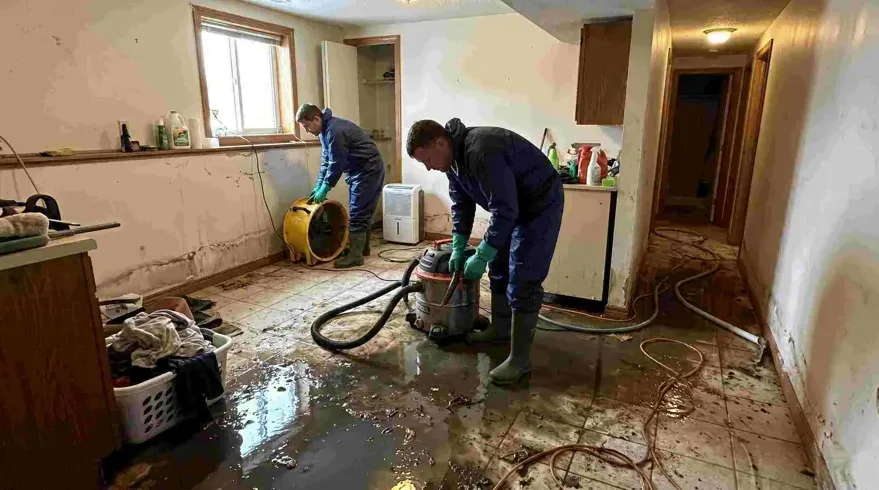 Water Extraction in TotowaExtraction removes liquid water before dehumidifiers manage the moisture left in materials. Crews choose pumps, wands and vacuum tools around water depth, contamination and the surfaces that need protection.
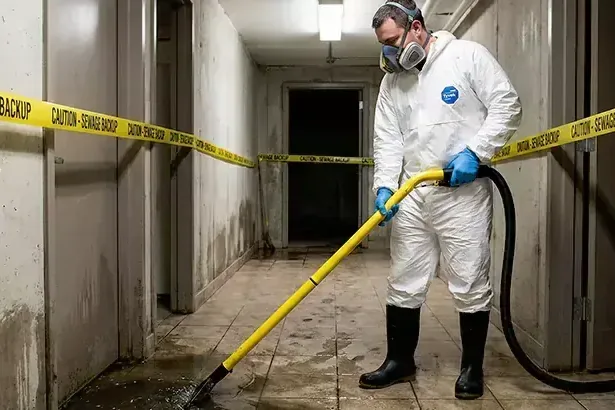 Sewage Backup Cleanup in TotowaSewage backup is Category 3 water. Cleanup combines access control, protective equipment, removal of contaminated porous materials, surface cleaning and suitable antimicrobial treatment before the remaining structure enters monitored drying.
Basement Flooding Cleanup in CaldwellBasement cleanup addresses accumulated water and wet materials below the occupied floors above. The source may be plumbing, outside entry or wastewater, and that distinction controls extraction, cleaning and porous-material decisions.
Basement flooding cleanup in Totowa, NJ
Properties near Totowa Road, Memorial School and Union Boulevard can describe basement stairs, water depth and affected equipment when discussing safe access for lower level cleanup assessment.
The same service nearby: basement flooding cleanup in Caldwell, Woodland Park, North Caldwell.
Water damage restoration in Totowa · every town coveredBasement Flooding Cleanup questions
Should the basement be entered to find the source?
Electrical, structural and water conditions determine safe entry. Owners should describe visible damage from a dry position. An appropriate assessment establishes a safe approach before investigation proceeds farther into the affected basement.
Does basement flooding always come from the river?
Plumbing failures, outside entry and drainage problems can each wet a lower level. Investigation identifies the source at the property. That finding determines contamination handling and treatment of the actual materials reached inside the building.
Where can Passaic River conditions be checked?
The borough emergency management office links residents to river flood levels. Community alerts can also provide instructions relevant to access. Owners should follow official directions while separately describing the basement's actual water conditions and any ongoing entry when arranging assessment of the indoor damage.
Why inspect walls if the floor is concrete?
Concrete flooring does not describe the adjoining wall assembly or stored contents. Trim, framing or finished wall layers may receive water at the perimeter. The assessment should include those components where present and determine whether access, cleaning or drying is needed beyond the open floor surface.
Can stored belongings remain until drying is finished?
Contents can obstruct removal and conceal wet surfaces, while their own condition may require separate attention. A controlled handling plan identifies what should move and how. The owner should document damage safely and avoid carrying contaminated or unstable items through dry portions of the property.
Is pumping the only major cleanup stage?
Pumping removes standing water, but residues, wet finishes and moisture in retained materials may remain. The water source determines cleaning needs, and assembly inspection determines drying access. A complete scope explains each stage rather than treating an exposed floor as the end of basement recovery.
What determines whether the lower level can be used again?
Source control, electrical conditions, cleaning, material drying and repairs determine readiness for use. The completion discussion identifies treated areas and ongoing restrictions. Material findings and equipment assessment provide the basis for returning the lower level to its normal activities.
Make the basement recovery scope clear
An inspection can connect extraction with cleaning and retained material drying, then identify the source repairs, contents decisions and rebuilding still needed before the lower level returns to use.
(888) 471-9821Discuss the basement recovery stagesCaldwell Water Damage Restoration
Caldwell, NJ and nearby Essex County
(888) 471-9821 · open 24/7
Water and sewage losses only
Find us on Google