Storm Flood Cleanup in Woodland Park
Floodwater can leave sediment in places that look clear after pumping. Woodland Park storm cleanup begins with access and contamination, then addresses wet finishes and the materials concealed beneath them.
(888) 471-9821Discuss outside water cleanup- Entry route assessment
- Controlled debris handling
- Cleaning before drying
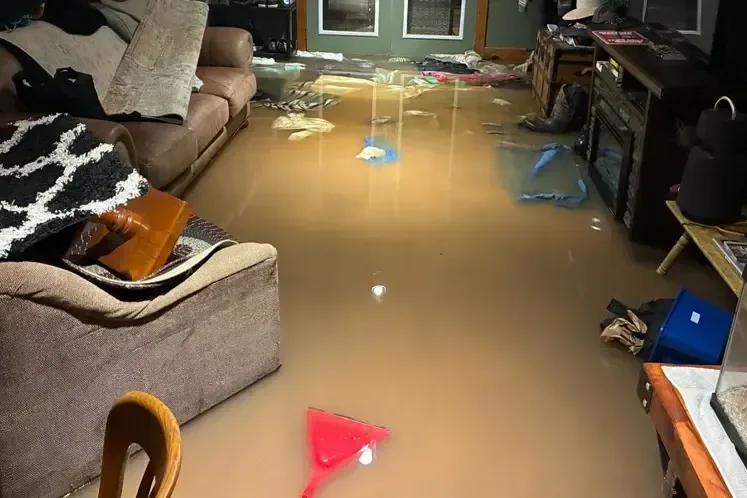
First steps for storm flood cleanup
- Respect access restrictions. Flooded roads and unsafe building entries can prevent work from starting. Occupants should use current official access instructions and avoid crossing moving water or entering rooms with uncertain electrical conditions.
- Keep affected rooms separate. Outside water can carry contaminants into the home. Limit movement through the wet area and keep children, pets and clean belongings away until the cleanup boundary is established.
- Capture the visible flood reach. Photographs from a safe position can show water marks, sediment and affected contents. A room inventory helps preserve the loss record before removal changes the interior conditions.
- Plan clean handling routes. Wet contents and debris need a route that protects unaffected spaces. Discuss access, storage and disposal arrangements before cleanup equipment or material removal begins inside the building.
How storm flood cleanup is handled
Set the access and contamination boundary
The initial assessment checks the approach, utilities and building condition before entering affected rooms. Water paths and visible residue are recorded. The work area is separated from occupied clean spaces, and the removal route is planned around the contents, stairs and available exits within the property.
Extract water and sort affected materials
Standing water is removed with equipment suited to the depth and debris. Contents and porous finishes are assessed for cleaning or disposal. The inventory preserves a record of the visible damage, while removal exposes wet layers that could otherwise remain concealed behind apparently cleared floor surfaces.
Clean the remaining building surfaces
Sediment and residue are addressed before drying equipment circulates air through the work area. Exposed framing, substrates and other retained surfaces are treated according to their condition. The scope records any inaccessible cavity or ongoing entry problem that needs resolution before the assembly can dry effectively.
What does storm flood cleanup cost in Woodland Park, NJ?
Storm flood cleanup in Woodland Park depends on contamination, affected rooms, debris and concealed wet layers. These ranges provide a starting point for mitigation planning; the property inspection determines material removal, cleaning and drying needs before a written scope is agreed.
For a closer planning number, run the water damage cost calculator. The restoration contractor who responds sets the real scope after the walkthrough and the moisture map.
Storm Flood Cleanup restoration sequence
- 01
Set the access and contamination boundary
The initial assessment checks the approach, utilities and building condition before entering affected rooms. Water paths and visible residue are recorded. The work area is separated from occupied clean spaces, and the removal route is planned around the contents, stairs and available exits within the property.
- 02
Extract water and sort affected materials
Standing water is removed with equipment suited to the depth and debris. Contents and porous finishes are assessed for cleaning or disposal. The inventory preserves a record of the visible damage, while removal exposes wet layers that could otherwise remain concealed behind apparently cleared floor surfaces.
- 03
Clean the remaining building surfaces
Sediment and residue are addressed before drying equipment circulates air through the work area. Exposed framing, substrates and other retained surfaces are treated according to their condition. The scope records any inaccessible cavity or ongoing entry problem that needs resolution before the assembly can dry effectively.
- 04
Measure the recovery of retained materials
Air movement and humidity control are adjusted around the exposed structure. Readings show where drying progresses and where a layer still needs attention. The closing record separates completed cleanup from replacement finishes, drainage work and other future repairs so the owner can plan the remaining stages clearly.
August 6, 2024: flooding closed Lackawanna Avenue, Andrews Drive and Memorial Drive. Those closures make access a practical starting point for storm response. Cleanup inside an affected property begins only after the approach, electrical conditions and building stability allow the wet areas to be assessed.
Establish where the outside water entered
December 2023 and January 2024 also brought major flooding to Woodland Park. At an individual building, door thresholds, lower openings and drainage routes need inspection to establish the entry path. The work record should identify where water was observed and which connected rooms require further checks.
Depth alone does not describe the damage. A shallow accumulation can deposit dirty residue below trim and inside floor joints. Porous contents, wallboard and insulation require assessment based on contact with the water, material condition and whether cleaning and drying are practical.
Keep residue out of clean occupied areas
A controlled removal route helps prevent dirty water and debris from moving through unaffected spaces. Protective measures and disposal arrangements should match the observed conditions. Air moving equipment comes after the necessary cleaning, rather than blowing across sediment while occupants continue to use adjoining rooms.
- Separate wet contents from clean belongings during handling and inventory.
- Record residue and water marks before damaged finishes are removed.
- Inspect cavities behind affected wall bases for trapped water and debris.
- Keep electrical equipment isolated until its condition has been assessed.
Build the drying plan around what remains
Slippery Rock Brook is a tributary of the Passaic River. For a flooded building, the relevant restoration boundary follows actual water contact and hidden spread. The retained assembly needs cleaning and a defined drying path before surfaces can be prepared for rebuilding.
Final records should describe the spaces treated, contents decisions and material readings. That account helps distinguish completed mitigation from drainage changes or reconstruction still being considered by the owner after the immediate flood cleanup.
Safety planning starts with Ready.gov flood precautions; household water-use checks appear at EPA WaterSense.
Related water damage services in Woodland Park
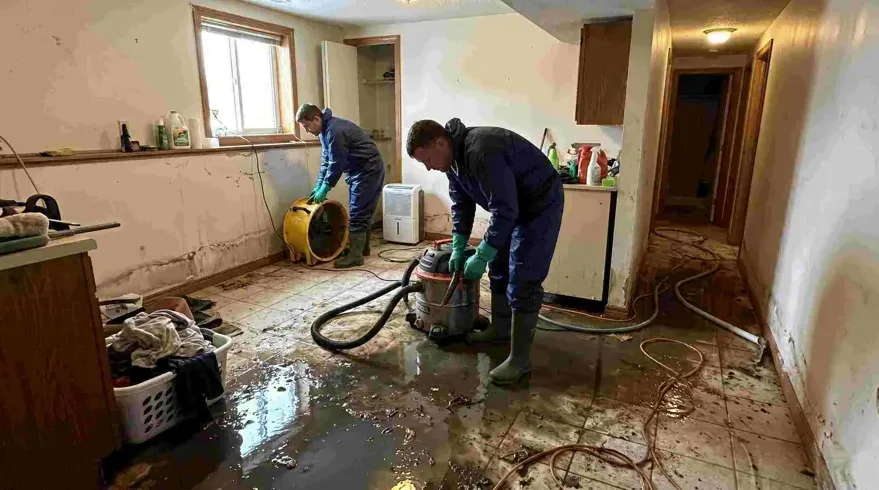 Water Extraction in Woodland ParkExtraction removes liquid water before dehumidifiers manage the moisture left in materials. Crews choose pumps, wands and vacuum tools around water depth, contamination and the surfaces that need protection.
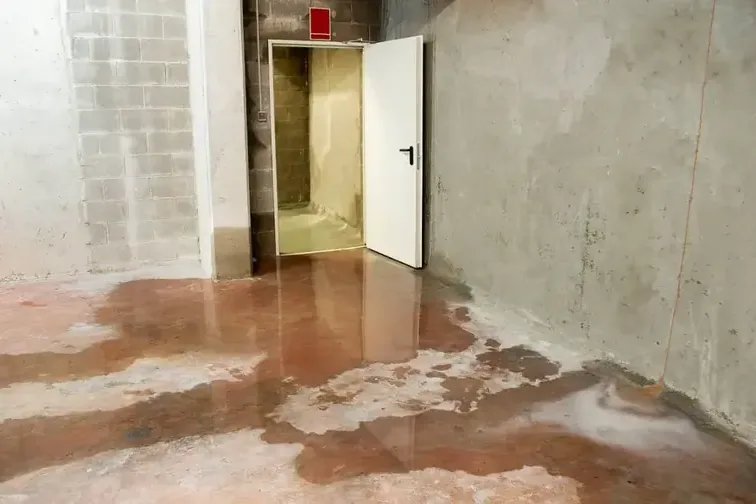 Basement Flooding Cleanup in Woodland ParkBasement cleanup addresses accumulated water and wet materials below the occupied floors above. The source may be plumbing, outside entry or wastewater, and that distinction controls extraction, cleaning and porous-material decisions.
Storm Flood Cleanup in CaldwellStorm flood cleanup addresses water that enters from outside at doors, lower openings or other access points. The crew treats the affected space as contaminated and plans removal, cleaning and drying around safe entry.
Storm flood cleanup in Woodland Park, NJ
Storm cleanup serves Woodland Park properties with access planning informed by current road conditions, entry restrictions and the affected building's layout before water removal equipment is positioned.
The same service nearby: storm flood cleanup in Caldwell, Totowa, Clifton.
Water damage restoration in Woodland Park · every town coveredStorm Flood Cleanup questions
Can floodwater be cleaned with towels and fans?
Outside water may leave contamination in joints and porous materials beyond the visible puddle. A proper assessment considers removal, cleaning and disposal before drying. Household fans can spread residue when used too early, and wet electrical conditions may make equipment unsafe to operate.
Does every flooded wall need the same opening?
No. The water contact, material condition and cavity layout determine the necessary removal. The opening should expose affected layers and allow treatment of retained materials. A fixed cut height without inspecting the actual damage can miss contamination or remove material unnecessarily.
What if the road is still closed?
Safe access must be established before a cleanup visit proceeds. Current official restrictions take priority over reaching the property. Owners can provide available photographs and describe the situation from a safe location while access and building conditions are being clarified.
Can stored boxes be saved after flooding?
Their contents and water contact need separate assessment. Porous packaging may be damaged or contaminated, while some items inside may require specialized handling. Keep affected belongings separate and document their condition before disposal decisions or movement into clean rooms.
Why clean framing before starting air movers?
Air movement over dirty surfaces can spread residue beyond the original water path. Cleaning prepares retained materials for drying and helps protect adjacent spaces. The sequence depends on the contamination and debris present, with equipment introduced after the relevant surfaces have been addressed.
Will the cleanup prevent another flood?
Restoration treats the current loss. Preventive work such as drainage changes or building modifications has a separate scope. The cleanup record can identify the observed entry route, helping the owner discuss future improvements without confusing those projects with removal and drying already completed.
How are flood cleanup costs documented?
The estimate should identify affected rooms, removal quantities, cleaning tasks and drying needs. Photographs and moisture records support the work description. Source control, reconstruction and contents services should be clearly distinguished so the owner can understand what each cost covers.
Prepare the building for cleaning and drying
A documented cleanup boundary makes it easier to address contamination and retained moisture before replacement finishes return to the affected rooms.
(888) 471-9821Arrange storm loss assessmentCaldwell Water Damage Restoration
Caldwell, NJ and nearby Essex County
(888) 471-9821 · open 24/7
Water and sewage losses only
Find us on Google