Storm Flood Cleanup in Clifton
Floodwater brings more than a wet floor into a building. Cleanup must address safe entry, deposits and affected possessions before cleaned, accessible materials can move through a controlled drying sequence.
(888) 471-9821Discuss outside water inside the property- Entry hazard assessment
- Deposit removal planning
- Contaminated material decisions
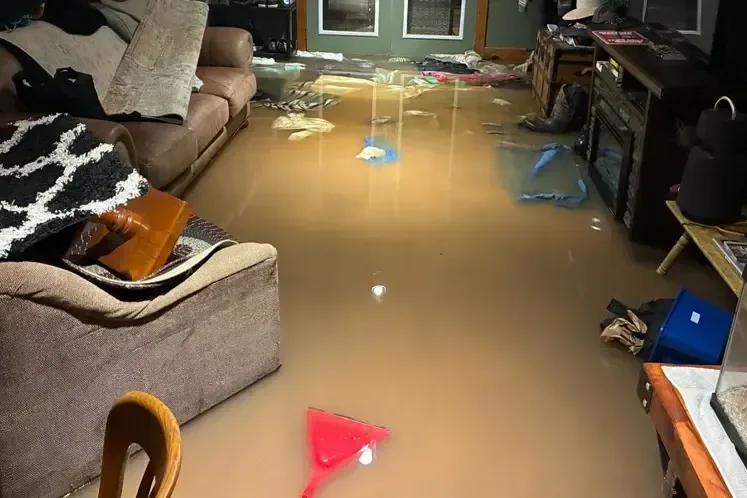
First steps for storm flood cleanup
- Wait for safe building entry. Evacuation instructions, utility hazards and unstable materials take priority over salvaging possessions. An affected room should remain closed until the route and conditions allow appropriate inspection and cleanup access.
- Record the flood boundary. Visible water marks, debris and affected belongings help explain the loss. Photographs should be taken only from a safe position without stepping into floodwater or moving unstable contents.
- Separate contaminated traffic. The route used for wet materials should avoid unaffected rooms where possible. Household occupants and pets need a clear boundary that prevents contact with deposits and cleanup equipment.
- Organize the contents inventory. List damaged items by room and visible condition before removal changes the scene. Keep photographs and disposal notes together so subsequent decisions can be connected to the original flooded area.
How storm flood cleanup is handled
Assess access and the flood path
The first assessment identifies where water entered, where it remains and which hazards restrict movement. Utility status and the condition of the building affect the working boundary. The initial record connects visible water marks and deposits to the rooms included in the proposed cleanup scope.
Remove water and sort affected materials
Extraction creates access for evaluating contents and finishes. Porous materials exposed to contaminated water may require removal, while other surfaces can be assessed for cleaning. Decisions should be recorded with the item or assembly location so the loss remains understandable after the rooms are cleared.
Clean the retained surfaces
Deposits and residues must be addressed before ordinary drying activity spreads them. The cleaning approach follows the affected material and contamination conditions. Corners, edges and accessible cavities deserve attention because the most visible open floor does not represent every surface touched by the floodwater.
What does storm flood cleanup cost in Clifton, NJ?
Storm flood cleanup in Clifton varies with the number of flooded rooms, deposits and contaminated materials. The estimate should identify extraction, contents handling, selective removal and cleaning before drying, with reconstruction and source prevention work described separately from restoration.
For a closer planning number, run the water damage cost calculator. The restoration contractor who responds sets the real scope after the walkthrough and the moisture map.
Storm Flood Cleanup restoration sequence
- 01
Assess access and the flood path
The first assessment identifies where water entered, where it remains and which hazards restrict movement. Utility status and the condition of the building affect the working boundary. The initial record connects visible water marks and deposits to the rooms included in the proposed cleanup scope.
- 02
Remove water and sort affected materials
Extraction creates access for evaluating contents and finishes. Porous materials exposed to contaminated water may require removal, while other surfaces can be assessed for cleaning. Decisions should be recorded with the item or assembly location so the loss remains understandable after the rooms are cleared.
- 03
Clean the retained surfaces
Deposits and residues must be addressed before ordinary drying activity spreads them. The cleaning approach follows the affected material and contamination conditions. Corners, edges and accessible cavities deserve attention because the most visible open floor does not represent every surface touched by the floodwater.
- 04
Dry and document the remaining structure
After cleaning and removal establish the retained assembly, equipment is arranged for moisture control. Measurements track progress at recorded points through walls and floors. The closing documentation should distinguish completed cleanup from remaining repairs and note any area that still needs access or further assessment.
When outdoor water enters an occupied space, the cleanup boundary includes what the water touched and what it left behind. Sediment can collect at edges, beneath furnishings and inside absorbent finishes. Clearing the visible pool provides access for that work, but it does not complete the contamination cleanup.
Flood history and present access conditions
September 5, 2021: Clifton reported flooded-basement pumping, evacuations and utility repairs after Hurricane Ida. That account highlights why entry conditions matter during a wider storm response. Current cleanup planning begins with the affected building, available access and whether water is still entering or utilities remain unsafe.
The city's Watershed Improvement Plan includes addressing stormwater flooding. A property in Lakeview still needs its own interior assessment, from the water entry opening to the rooms and possessions reached. The plan should identify the handling of wet debris before equipment and workers move through otherwise usable space.
Contents need a route out of the work area
Delawanna is a southeastern neighborhood with a train station. For a flooded interior there, an inventory can organize decisions about soaked furnishings and stored belongings. Items should be evaluated by material and contamination rather than simply moved into a dry room where they can spread deposits.
- Record water marks before cleaning removes their visible boundaries.
- Separate discard decisions from items needing further contents assessment.
- Plan a removal route that protects unaffected household spaces.
- Keep porous layers accessible until their condition is evaluated.
Drying follows the cleaning boundary
Botany Village occupies the northernmost part of the city. In any affected building, cleaning and removal must establish which materials remain suitable for drying. Moisture checks then focus on those retained assemblies. A lower-level loss may also require basement cleanup planning to address access below the occupied floor and equipment near utilities.
Safety planning starts with Ready.gov flood precautions; household water-use checks appear at EPA WaterSense.
Related water damage services in Clifton
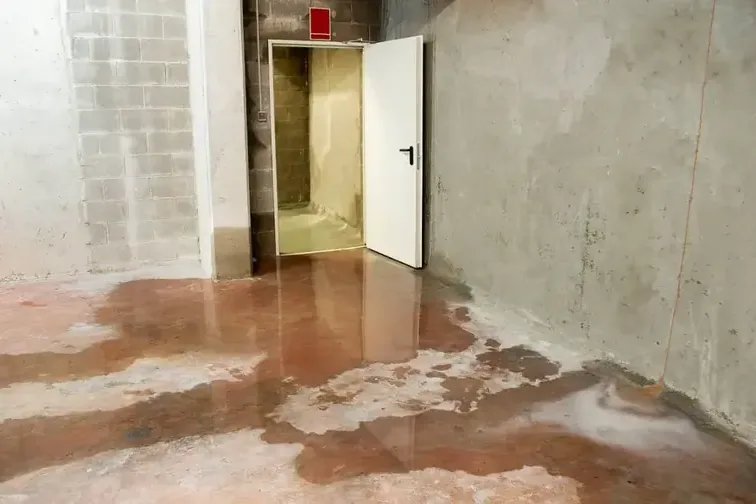 Basement Flooding Cleanup in CliftonBasement cleanup addresses accumulated water and wet materials below the occupied floors above. The source may be plumbing, outside entry or wastewater, and that distinction controls extraction, cleaning and porous-material decisions.
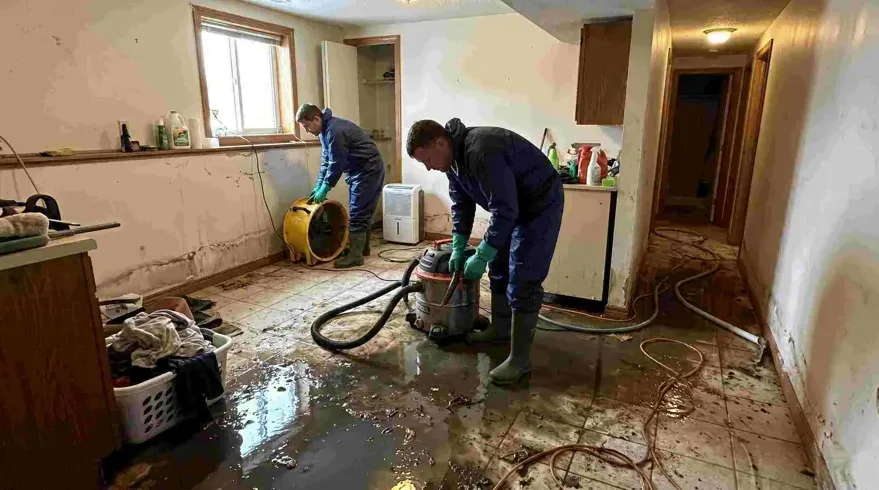 Water Extraction in CliftonExtraction removes liquid water before dehumidifiers manage the moisture left in materials. Crews choose pumps, wands and vacuum tools around water depth, contamination and the surfaces that need protection.
Storm Flood Cleanup in CaldwellStorm flood cleanup addresses water that enters from outside at doors, lower openings or other access points. The crew treats the affected space as contaminated and plans removal, cleaning and drying around safe entry.
Storm flood cleanup in Clifton, NJ
Clifton flood assessments consider properties around Lakeview, Delawanna and Botany Village individually, with the flooded level, current entry conditions and utility access discussed before work.
The same service nearby: storm flood cleanup in Caldwell, Woodland Park, Totowa.
Water damage restoration in Clifton · every town coveredStorm Flood Cleanup questions
Why is outdoor water treated cautiously indoors?
Outdoor water can carry sediment and contaminants into contact with floors, contents and wall materials. That changes cleaning and disposal decisions compared with an isolated fresh supply release. The assessment considers the actual entry and contact path before choosing a safe restoration approach.
Can belongings be moved directly into dry rooms?
Soaked items may carry water and deposits into unaffected space. Contents handling should establish a sorting area and removal route first. Dry possessions outside the flood boundary can be protected separately, while affected items receive decisions based on their materials and condition.
Is pumping enough before fans are started?
Removing standing water leaves residues and wet materials behind. Cleaning and removal decisions need to establish what can remain before drying equipment is arranged. Starting airflow across contaminated deposits can spread material beyond the original water boundary and complicate the cleanup area.
Does the city flood history predict one property?
An individual assessment determines what entered the building and which rooms were affected. The Hurricane Ida account supplies a historical example of basement pumping and utility work. Present restoration decisions still depend on current access, source conditions and the materials involved in this loss.
What should be included in a contents inventory?
Record each affected item, its room and visible damage, with photographs where safe. The city's Hurricane Ida update asked residents to inventory damaged or lost contents for assistance claims. Keeping disposal records with the inventory preserves useful detail after cleanup changes the interior.
When can residents return to the affected room?
Return depends on safe access, utilities, contamination cleanup and the remaining work area. Equipment and open assemblies may still restrict ordinary use after water disappears. The restoration plan should explain which spaces remain closed and what conditions must change before their use resumes.
Can the estimate include later repairs?
It can, provided the scope clearly separates cleanup from reconstruction and any source prevention work. Extraction, cleaning, material removal and drying should be identifiable tasks. That distinction helps explain immediate needs and allows repair decisions to follow the documented condition of the remaining structure.
Make room for cleaning before drying
A controlled flood cleanup addresses the water, what it carried and the wet assemblies left behind before ordinary repairs begin.
(888) 471-9821Discuss the flood cleanup boundaryCaldwell Water Damage Restoration
Caldwell, NJ and nearby Essex County
(888) 471-9821 · open 24/7
Water and sewage losses only
Find us on Google