Water Extraction in Woodland Park
A puddle across a doorway can hide a much larger wet area. Extraction in Woodland Park starts by finding safe access and checking where water has traveled beneath connected floor surfaces.
(888) 471-9821Arrange standing water removal- Surface specific extraction
- Hidden wetting checks
- Drying after removal
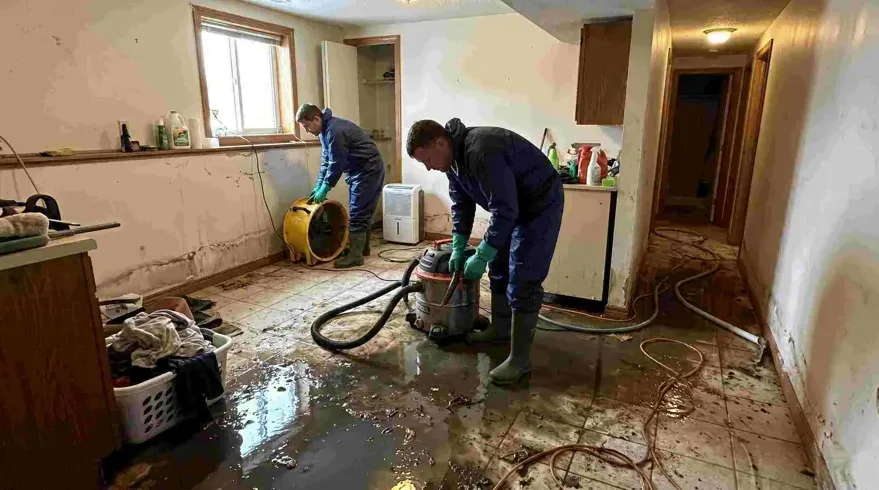
First steps for water extraction
- Keep the approach dry. Standing water near outlets, cords or equipment requires an electrical safety assessment. Occupants should remain outside the wet area until a safe approach has been established.
- Limit continued entry. A safely reachable supply valve may stop a plumbing release. Storm entry or a drain problem needs a different source response before removal can remain effective.
- Record rooms and contents. Images from safe locations help capture the spread before extraction changes it. Note wet thresholds, wall edges and belongings rather than only the deepest visible accumulation.
- Prepare the removal route. Unwet contents can be cleared from a safe passage. Contaminated belongings should remain separated so movement does not spread residue into clean rooms during extraction.
How water extraction is handled
Measure the starting conditions
The assessment identifies the release, visible depth and surfaces in contact with water. It also checks the approach for electrical or structural concerns. Notes and photographs establish where the work starts, while contaminated areas are separated from clean access routes before equipment is positioned.
Select practical removal equipment
Pumps or extraction tools are chosen for the accumulation and material. Equipment placement accounts for stairs, narrow passages and disposal arrangements. Work progresses across the affected surfaces, checking connected spaces for wetting that extends beyond the open room where removal started.
Inspect exposed edges and layers
Once standing water clears, technicians can examine transitions, wall bases and the underside of accessible finishes. Remaining moisture is mapped rather than estimated from appearance. Materials that prevent drying access are assessed for selective opening, and residue is addressed before airflow is introduced.
What does water extraction cost in Woodland Park, NJ?
Water extraction in Woodland Park varies with depth, access, contamination and the number of surfaces involved. The planning ranges describe removal work of increasing complexity; hidden material damage, source repairs and extended drying can add separate items to the estimate.
For a closer planning number, run the water damage cost calculator. The restoration contractor who responds sets the real scope after the walkthrough and the moisture map.
Water Extraction restoration sequence
- 01
Measure the starting conditions
The assessment identifies the release, visible depth and surfaces in contact with water. It also checks the approach for electrical or structural concerns. Notes and photographs establish where the work starts, while contaminated areas are separated from clean access routes before equipment is positioned.
- 02
Select practical removal equipment
Pumps or extraction tools are chosen for the accumulation and material. Equipment placement accounts for stairs, narrow passages and disposal arrangements. Work progresses across the affected surfaces, checking connected spaces for wetting that extends beyond the open room where removal started.
- 03
Inspect exposed edges and layers
Once standing water clears, technicians can examine transitions, wall bases and the underside of accessible finishes. Remaining moisture is mapped rather than estimated from appearance. Materials that prevent drying access are assessed for selective opening, and residue is addressed before airflow is introduced.
- 04
Transfer the moisture record
The extraction stage ends with a record of treated surfaces and the remaining wet assembly. Drying equipment is planned around those findings. Any continuing source issue or inaccessible area stays clearly identified so the next stage begins with a complete account of the conditions.
August 6, 2024: flooding closures included Lackawanna Avenue, Andrews Drive and Memorial Drive. During a water emergency, access to the building deserves attention before equipment moves indoors. Inside an affected room, the extraction plan starts with water depth, source and a safe working route.
Visible water is the first part of the job
A vacuum wand can remove a shallow accumulation, while deeper standing water may need pumping. The choice depends on the surface and the debris in the water. Loose objects, damaged flooring and electrical hazards must be addressed before work proceeds across the room.
The inspection follows the water toward thresholds and wall edges. Carpet backing, underlayment and adjoining storage areas can remain wet after an open floor looks clear. Recording those boundaries prevents the removal task from ending at the most visible puddle while connected materials retain moisture.
Separate the source from the removal method
Water from a supply failure and water carried indoors by a storm require different handling. Contamination affects protective measures, disposal and which porous finishes can remain. A working pump cannot solve continued entry, so source control and extraction must be coordinated.
- Identify reachable shutoffs without stepping into water near electrical equipment.
- Keep clean belongings outside the route used for wet removal.
- Photograph water at room edges before the surface is cleared.
- Check adjoining finishes when water disappears beneath a doorway or partition.
Leave a clear handoff to drying
After extraction, the retained assembly needs a moisture assessment. Air movement and humidity control address water held inside materials; they serve a different purpose from vacuuming the floor. The structural drying process explains how that remaining work is monitored.
For properties around Slippery Rock Brook, the actual entry route and room conditions shape the scope. An extraction record should identify the spaces treated, visible residues and layers needing further inspection, giving the owner a useful starting point for the rest of restoration.
Safety planning starts with Ready.gov flood precautions; household water-use checks appear at EPA WaterSense.
Related water damage services in Woodland Park
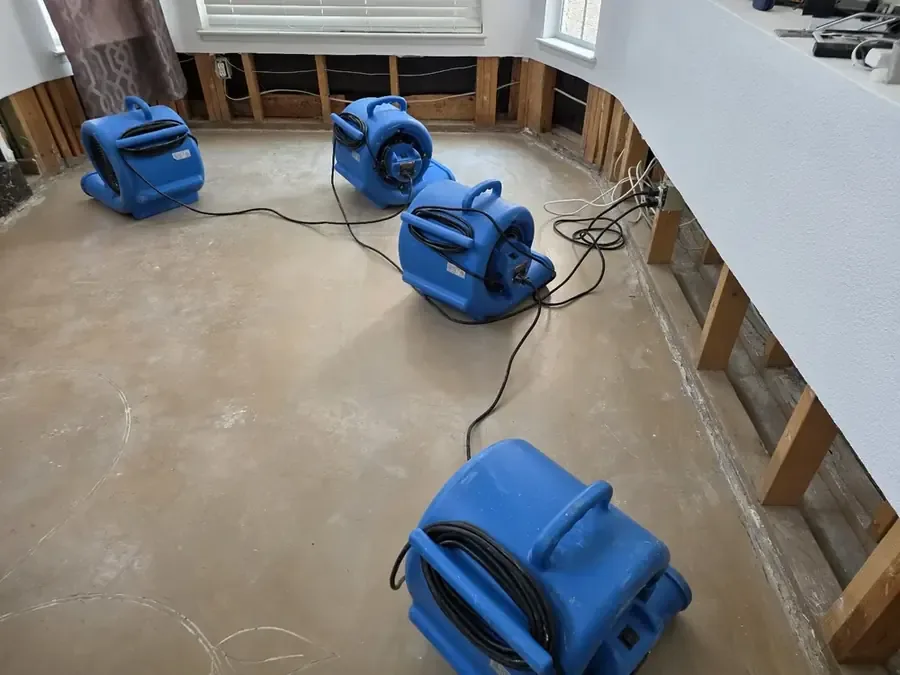 Structural Drying in Woodland ParkStructural drying removes retained moisture from salvageable building materials after source control and extraction. Air movement, dehumidification and temperature management work together, with repeated measurements showing whether the affected assembly is responding.
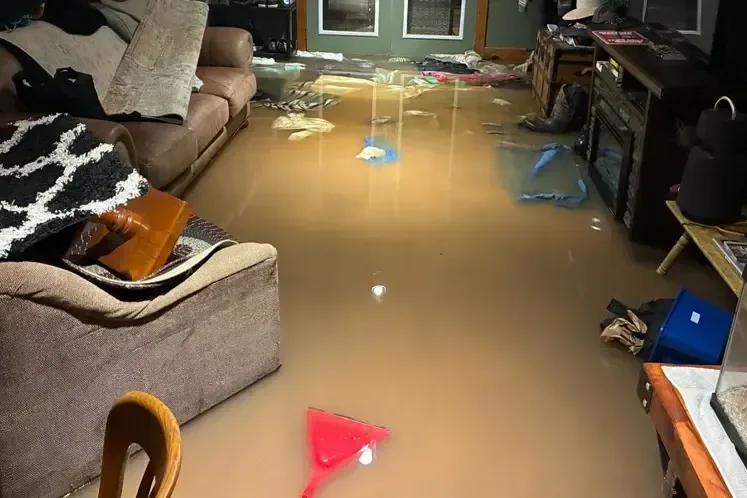 Storm Flood Cleanup in Woodland ParkStorm flood cleanup addresses water that enters from outside at doors, lower openings or other access points. The crew treats the affected space as contaminated and plans removal, cleaning and drying around safe entry.
Water Extraction in CaldwellExtraction removes liquid water before dehumidifiers manage the moisture left in materials. Crews choose pumps, wands and vacuum tools around water depth, contamination and the surfaces that need protection.
Water extraction in Woodland Park, NJ
Extraction assessments cover Woodland Park properties, including access discussions for McBride Avenue and Browertown Road, with equipment planning based on the affected room and entry route.
The same service nearby: water extraction in Caldwell, Totowa, Clifton.
Water damage restoration in Woodland Park · every town coveredWater Extraction questions
Does vacuuming the puddle finish the restoration?
No. Extraction addresses removable water, but porous materials can hold moisture after the floor is clear. The next check covers wall bases, coverings and underlying layers. Drying requirements depend on those readings and the condition of each material.
Can carpet remain after standing water removal?
Carpet decisions depend on the water source, backing condition and what happened to the pad below. Some materials need removal to expose the assembly. Inspection beneath the covering helps determine which layers can remain for cleaning and measured drying.
Should furniture be carried through the wet area?
A safe clean route is preferable when dry belongings can be moved. Wet furniture needs assessment before handling, particularly when contamination is involved. Keeping affected and unaffected contents separate reduces the chance of tracking residue into other rooms.
What if the water rises again after pumping?
Renewed accumulation means the source or entry route remains active. Extraction may need adjustment while that issue is addressed. The record should distinguish the new entry from moisture already present so the drying plan reflects the latest conditions.
Is outside water treated like a plumbing spill?
Outside water can contain debris and contaminants that change cleanup requirements. Handling, material removal and cleaning may be necessary before drying. The assessment considers where the water came from and what it contacted on the way indoors.
Can a household fan help before assessment?
Airflow should wait when the water condition or electrical safety is uncertain. Moving air across contaminated surfaces can spread residue. Safe removal and cleaning come first, followed by a drying arrangement suited to the retained materials and room conditions.
What details help prepare an extraction visit?
Useful information includes the apparent source, rooms affected, ongoing flow and access restrictions. A description of stairs or heavy contents helps with equipment planning. Photographs taken from a safe location can also show the visible extent before arrival.
Clear the water and assess what remains
A safe extraction plan creates access to the wet assembly and a documented starting point for cleaning and measured drying.
(888) 471-9821Discuss a removal planCaldwell Water Damage Restoration
Caldwell, NJ and nearby Essex County
(888) 471-9821 · open 24/7
Water and sewage losses only
Find us on Google