Structural Drying in Woodland Park
A cleared floor can leave the building assembly damp. Woodland Park structural drying uses material readings, controlled airflow and humidity management to address water retained in framing, subfloors and accessible wall cavities after cleanup.
(888) 471-9821Discuss the retained building moisture- Material specific measurements
- Controlled evaporation
- Progress based adjustments
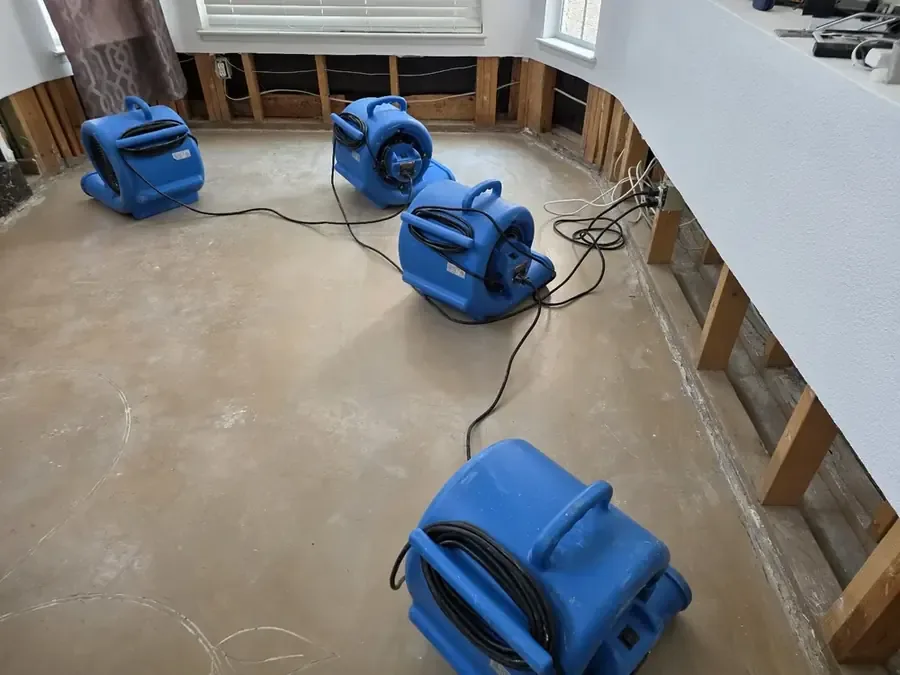
First steps for structural drying
- Confirm the release has stopped. Drying requires control of the source. Report renewed dripping, accumulating water or changes in the wet boundary so a fresh release can be distinguished from moisture already held within the materials.
- Keep treatment areas accessible. Equipment works around defined openings and measurement locations. Avoid covering those surfaces or placing belongings against damp walls while drying response is assessed through repeated material readings.
- Maintain the planned room conditions. Open windows, moved equipment or blocked airflow can alter the setup. Discuss comfort and access needs so adjustments preserve both practical occupancy and the intended drying environment inside the affected rooms.
- Request a material based handoff. The final record should identify what was measured and what remains to be repaired. That account helps the next contractor understand the assembly condition before insulation, flooring or wall finishes return.
How structural drying is handled
Set a material moisture starting point
The initial map identifies wet surfaces and accessible layers, supported by photographs and readings. Appropriate reference conditions help define the drying goals. The assessment also confirms that source control, extraction and any necessary contamination cleanup have been addressed before equipment is expected to dry the retained building assembly.
Design airflow and humidity control together
Equipment placement considers the room geometry, exposed materials and safe access. Air movement and dehumidification serve connected roles, with enough access for moisture to leave the assembly. Obstacles such as coverings or insulation are evaluated before assuming that a larger equipment arrangement alone will solve a slow response.
Reassess slow or uneven progress
Follow up readings are taken at meaningful locations so changes can be compared. A stubborn wet edge may need additional access, while a room that has progressed may need a different equipment balance. The record explains those adjustments and identifies any renewed water entry that changes the treatment plan.
What does structural drying cost in Woodland Park, NJ?
Structural drying in Woodland Park depends on the material assembly, access and equipment needed to reach the drying goals. The ranges reflect increasing complexity. Source repairs, extensive removal and reconstruction should be identified separately from the monitored drying work in the estimate.
For a closer planning number, run the water damage cost calculator. The restoration contractor who responds sets the real scope after the walkthrough and the moisture map.
Structural Drying restoration sequence
- 01
Set a material moisture starting point
The initial map identifies wet surfaces and accessible layers, supported by photographs and readings. Appropriate reference conditions help define the drying goals. The assessment also confirms that source control, extraction and any necessary contamination cleanup have been addressed before equipment is expected to dry the retained building assembly.
- 02
Design airflow and humidity control together
Equipment placement considers the room geometry, exposed materials and safe access. Air movement and dehumidification serve connected roles, with enough access for moisture to leave the assembly. Obstacles such as coverings or insulation are evaluated before assuming that a larger equipment arrangement alone will solve a slow response.
- 03
Reassess slow or uneven progress
Follow up readings are taken at meaningful locations so changes can be compared. A stubborn wet edge may need additional access, while a room that has progressed may need a different equipment balance. The record explains those adjustments and identifies any renewed water entry that changes the treatment plan.
- 04
Document the endpoint and remaining repairs
Completion is assessed against the materials and drying goals established for the loss. The closing record identifies treated assemblies and unresolved access or repair items. Reconstruction can then proceed with a clear account of the retained structure's condition and the separate work still required to restore finished surfaces.
After the major flooding of December 2023 and January 2024, the municipal account described residents monitoring homes and sump pumps. Once water stops accumulating, another task remains inside an affected building: determining whether framing, wall bases and floor layers still hold moisture that needs controlled drying.
Choose measurement locations that represent the assembly
At a property near Slippery Rock Brook, readings should follow the indoor water path and construction. Exposed framing, dense substrates and layered flooring can respond differently. A useful record identifies the material and location tested so later measurements show whether that specific area is improving.
Room humidity helps explain the drying environment, but it cannot replace material assessment. Air may become drier while a concealed layer remains wet. The plan needs both types of information to decide whether equipment placement, access or the retained material strategy should change.
Give retained moisture a practical escape path
Air movement supports evaporation from exposed surfaces. Dehumidification removes moisture from the air, helping sustain that process. A sealed covering or wet insulation can interrupt the route, so selective access may be needed before more equipment will meaningfully improve the assembly's response.
- Identify the layer being measured instead of recording only room names.
- Compare affected areas with suitable dry material references where available.
- Check concealed edges when open surfaces respond faster than expected.
- Keep equipment and access arrangements consistent with safe occupied circulation.
Use the results to decide when repairs begin
Garret Mountain Reservation and Rifle Camp Park are county parks within the borough. For buildings around those landmarks, the drying endpoint still comes from the affected materials inside the property. Time elapsed and surface appearance are supporting observations rather than the entire completion decision.
The handoff should identify the assemblies treated and any remaining limitation or repair item. Replacement finishes can then be scheduled using a documented material condition instead of closing a cavity because the equipment has run for a chosen period.
Safety planning starts with Ready.gov flood precautions; household water-use checks appear at EPA WaterSense.
Related water damage services in Woodland Park
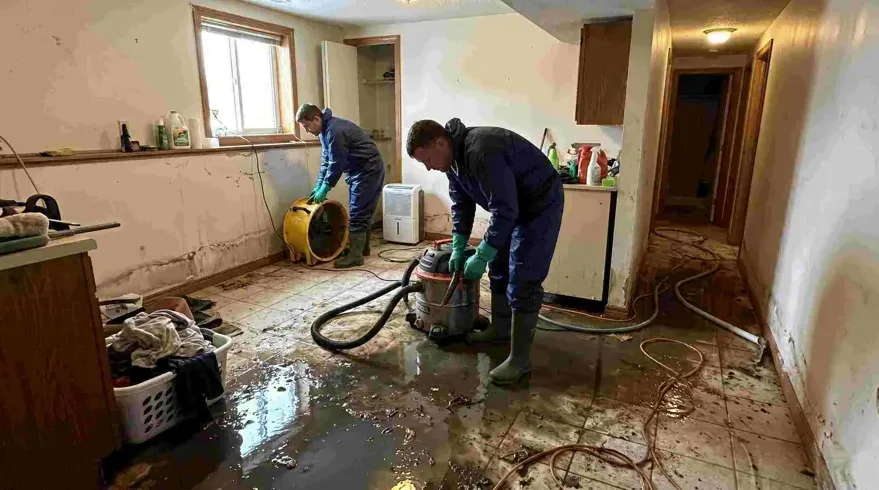 Water Extraction in Woodland ParkExtraction removes liquid water before dehumidifiers manage the moisture left in materials. Crews choose pumps, wands and vacuum tools around water depth, contamination and the surfaces that need protection.
 Hardwood Floor Water Damage in Woodland ParkHardwood restoration evaluates moisture across the floor assembly, including board surfaces, backing and subfloor access. Salvage depends on contamination, attachment, distortion and whether the affected layers can dry without leaving concealed moisture.
Structural Drying in CaldwellStructural drying removes retained moisture from salvageable building materials after source control and extraction. Air movement, dehumidification and temperature management work together, with repeated measurements showing whether the affected assembly is responding.
Structural drying in Woodland Park, NJ
Structural drying assessments cover Woodland Park buildings around Slippery Rock Brook and along McBride Avenue or Browertown Road, with equipment plans based on measured interior conditions and access.
The same service nearby: structural drying in Caldwell, Totowa, Clifton.
Water damage restoration in Woodland Park · every town coveredStructural Drying questions
Why is drying needed after all water is pumped out?
Pumping removes accumulated liquid, while building materials can retain absorbed moisture. Wallboard, framing and floor layers may need a controlled evaporation path. Measurements identify those remaining wet areas and help determine the equipment or selective access needed to treat the assembly effectively.
Can room humidity show when the job is finished?
Humidity describes the air, but a concealed material can remain wet in a relatively dry room. Completion also requires material assessment. Readings should identify the tested locations and support the decision that the affected assembly has met its intended drying goals.
Should windows stay open while equipment operates?
Outdoor air can change the drying environment and equipment performance. The appropriate setup depends on conditions and the plan for the affected rooms. Occupants should discuss ventilation or comfort needs before changing openings or relocating equipment during the monitored drying period.
Why might a wall need an opening for drying?
An enclosed layer can block moisture movement or conceal wet insulation. Selective access may expose retained framing and allow effective treatment. The opening should respond to the actual assembly and readings, with the reason for removal explained in the written scope.
Is a fixed number of drying days reliable?
Materials and access conditions vary, so progress needs measurement. A dense or concealed assembly may respond differently from exposed framing. The work plan should explain how drying is assessed and adjusted instead of using elapsed time as the only basis for completion.
What if a reading stops improving?
The area may need another look at access, material layers or continuing water entry. Equipment arrangement can also need adjustment. Comparing the same meaningful measurement locations helps identify the issue and determine whether the current drying approach remains suitable for that assembly.
What should the owner receive at completion?
A useful handoff identifies the wet areas treated, retained materials and drying assessment results. It also lists remaining repairs or inaccessible spaces. That record helps coordinate reconstruction and gives a clear distinction between completed moisture treatment and unfinished decorative or building repair work.
Base the repair handoff on material readings
Controlled conditions and meaningful measurements help establish when retained surfaces are ready for the next stage of rebuilding and finish replacement.
(888) 471-9821Arrange a material drying assessmentCaldwell Water Damage Restoration
Caldwell, NJ and nearby Essex County
(888) 471-9821 · open 24/7
Water and sewage losses only
Find us on Google