Structural Drying in Clifton
The absence of a puddle does not show the condition inside a wall or beneath flooring. Structural drying follows retained moisture with appropriate access, controlled equipment placement and readings that can be compared over time.
(888) 471-9821Discuss the materials still holding water- Material specific measurements
- Controlled drying environment
- Recorded progress checks
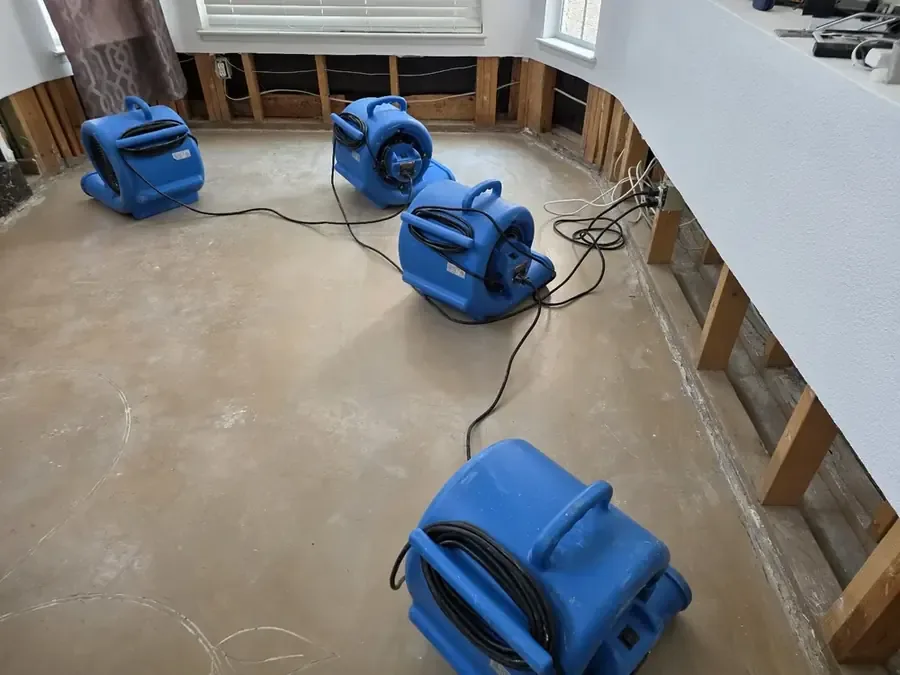
First steps for structural drying
- Describe what remains visibly damp. Water marks, swollen trim and damp edges identify inspection points. Material checks then follow moisture beneath coverings and inside cavities after visible pooling clears.
- Keep equipment locations available. Furniture and stored items should not obstruct the proposed airflow path or measurement points. A usable work boundary makes it easier to inspect progress without repeatedly moving possessions through affected rooms.
- Discuss occupied room needs. Sleeping areas, office activity and essential passageways should be identified before the setup is finalized. Practical access arrangements help maintain drying conditions while keeping people outside any unsafe part of the work area.
- Wait for the repair handoff. Replacement trim or coverings can hide moisture before measurements are complete. Repair scheduling should follow the documented result for each assembly and preserve access where additional checks or drying remain necessary.
How structural drying is handled
Establish a material moisture map
The assessment identifies affected materials and records readings at useful locations. Appropriate comparison areas help define a target for the assembly. Source control and completed cleaning are checked so the setup begins with a clear understanding of what remains wet and why it can now be dried.
Arrange access and environmental control
Equipment is selected and positioned around the wet layers, available power and usable room boundaries. Where a finish traps moisture, selective access is evaluated. The setup should explain how air movement and moisture removal will reach the retained assembly without unnecessary disruption to unaffected spaces.
Compare results and adjust the approach
Repeated checks use recorded locations to show whether moisture is declining as expected. A stalled area may need a different equipment position or additional access. Changes should be connected to the material response, allowing the record to explain why the drying plan developed during the work.
What does structural drying cost in Clifton, NJ?
Structural drying costs in Clifton depend on the material layers, accessible area and equipment needed to reach retained moisture. The estimate should describe the setup, monitoring and selective access, while separating material replacement and source repair from the drying scope itself.
For a closer planning number, run the water damage cost calculator. The restoration contractor who responds sets the real scope after the walkthrough and the moisture map.
Structural Drying restoration sequence
- 01
Establish a material moisture map
The assessment identifies affected materials and records readings at useful locations. Appropriate comparison areas help define a target for the assembly. Source control and completed cleaning are checked so the setup begins with a clear understanding of what remains wet and why it can now be dried.
- 02
Arrange access and environmental control
Equipment is selected and positioned around the wet layers, available power and usable room boundaries. Where a finish traps moisture, selective access is evaluated. The setup should explain how air movement and moisture removal will reach the retained assembly without unnecessary disruption to unaffected spaces.
- 03
Compare results and adjust the approach
Repeated checks use recorded locations to show whether moisture is declining as expected. A stalled area may need a different equipment position or additional access. Changes should be connected to the material response, allowing the record to explain why the drying plan developed during the work.
- 04
Document the endpoint for repair planning
The closing assessment identifies achieved targets and any unresolved access or material issue. Equipment removal follows those results rather than the visual disappearance of water. Repair planning then has a record of the retained structure, removed finishes and conditions at the time the drying work ended.
Drying equipment is useful when its setup matches the materials that remain wet. A wall cavity, an exposed floor and a dense supporting layer can respond differently. The plan should identify the assembly, establish useful measurement points and explain how the equipment will reach moisture concealed behind finishes.
Match the work area to its occupants
Clifton Avenue has low-rise offices occupied by legal, accounting and medical tenants. Drying an affected office may require arrangements around records, workstations and usable passageways. The plan should make equipment locations and restricted areas clear so normal activity does not block access or interrupt the selected drying conditions.
Dutch Hill is mostly residential near downtown. A household there needs a room-by-room account of the wet materials and the space required for equipment. Doors, furnishings and occupied rooms influence practical access, while the moisture measurements determine the affected assembly rather than the room's ordinary use.
Check whether the equipment reaches the moisture
Surface airflow may not reach water behind an impermeable covering or inside a closed cavity. Selective access can be needed to remove a trapping layer or expose a wet edge. Each opening should have a stated purpose, with unnecessary disturbance to dry surfaces avoided.
- Use consistent locations when comparing material readings between checks.
- Identify coverings that prevent effective access to wet layers.
- Record adjustments when an area is not progressing as expected.
- Keep the source controlled throughout the drying period.
Let the remaining assembly determine the endpoint
Allwood is a business district along Route 3. A restoration record for a property there should describe materials and results, not just equipment operating time. The selected target and comparison readings establish when drying has achieved its purpose. Where standing water remains, extraction planning comes first so equipment can focus on retained moisture in accessible building layers.
Safety planning starts with Ready.gov flood precautions; household water-use checks appear at EPA WaterSense.
Related water damage services in Clifton
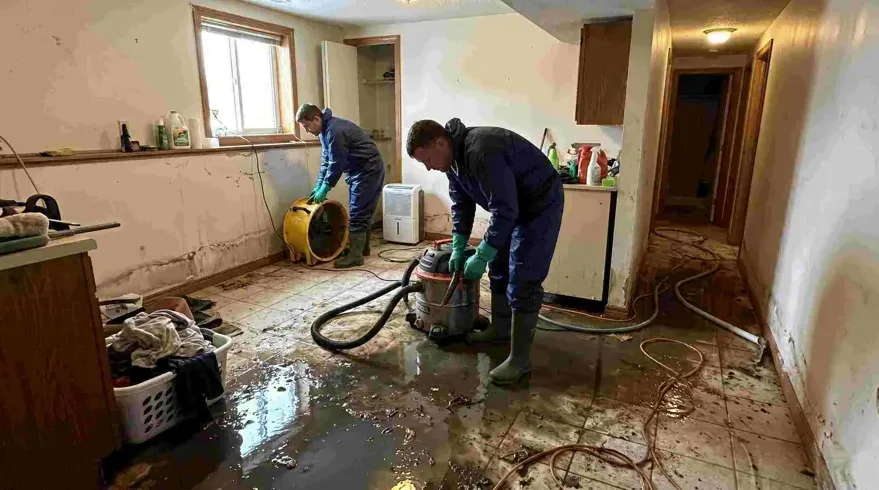 Water Extraction in CliftonExtraction removes liquid water before dehumidifiers manage the moisture left in materials. Crews choose pumps, wands and vacuum tools around water depth, contamination and the surfaces that need protection.
 Hardwood Floor Water Damage in CliftonHardwood restoration evaluates moisture across the floor assembly, including board surfaces, backing and subfloor access. Salvage depends on contamination, attachment, distortion and whether the affected layers can dry without leaving concealed moisture.
Structural Drying in CaldwellStructural drying removes retained moisture from salvageable building materials after source control and extraction. Air movement, dehumidification and temperature management work together, with repeated measurements showing whether the affected assembly is responding.
Structural drying in Clifton, NJ
Clifton drying assessments include occupied rooms in Dutch Hill, Allwood and the Clifton Avenue office corridor, with equipment placement based on the actual wet assemblies.
The same service nearby: structural drying in Caldwell, Woodland Park, Totowa.
Water damage restoration in Clifton · every town coveredStructural Drying questions
How is structural drying different from extraction?
Extraction collects accessible liquid water, while structural drying addresses moisture held within materials afterward. The tasks often follow one another but use different checks. A floor can be clear of pooling while its supporting layers and adjoining walls still need controlled moisture removal.
Can equipment operate effectively behind a closed wall?
That depends on the wall construction and available access to the wet layers. An enclosed cavity may prevent useful airflow or moisture removal. The assessment should explain whether the assembly can dry as it stands or whether a selective opening is needed.
Why are repeated readings necessary?
A single reading describes one point in the process. Repeated measurements at consistent locations show whether the setup is reaching retained moisture. They also help identify areas needing a change, so equipment operation remains connected to the material response throughout the work.
Does every material use the same drying target?
Different materials and assemblies require appropriate assessment methods and comparison conditions. A target should relate to what is being dried rather than a universal statement about the room. The documentation should make the measurement locations and the basis for the drying decision understandable.
Should occupants switch equipment off when leaving?
Changes to equipment operation can alter the planned drying environment. Occupants should discuss access, noise and operating arrangements before the setup is finalized. Any necessary interruption belongs in the work record so subsequent readings can be understood in the context of actual conditions.
Can repairs begin in one area while another dries?
That may be practical if the assemblies are independently ready and the work does not block equipment or inspection. The plan should identify which area has met its target. Closing finishes elsewhere must not conceal a connected wet cavity that still requires access.
What should be available when drying ends?
A useful handoff identifies affected materials, measurement locations, recorded progress and the final condition. It should also note removed finishes and any remaining limitation. That information allows repair work to start with a clearer understanding of the structure that will be covered again.
Make the drying result visible in the record
Equipment placement, repeated checks and a documented endpoint give repair planning a clearer basis before walls and floors receive replacement finishes.
(888) 471-9821Discuss a measured drying approachCaldwell Water Damage Restoration
Caldwell, NJ and nearby Essex County
(888) 471-9821 · open 24/7
Water and sewage losses only
Find us on Google