Hardwood Floor Water Damage in Clifton
Raised edges and changing gaps can make a wet wood floor look different from one day to the next. Restoration decisions need moisture measurements through the assembly before sanding, covering or replacing affected boards.
(888) 471-9821Discuss changes in the wet boards- Board condition assessment
- Supporting layer checks
- Measured floor recovery
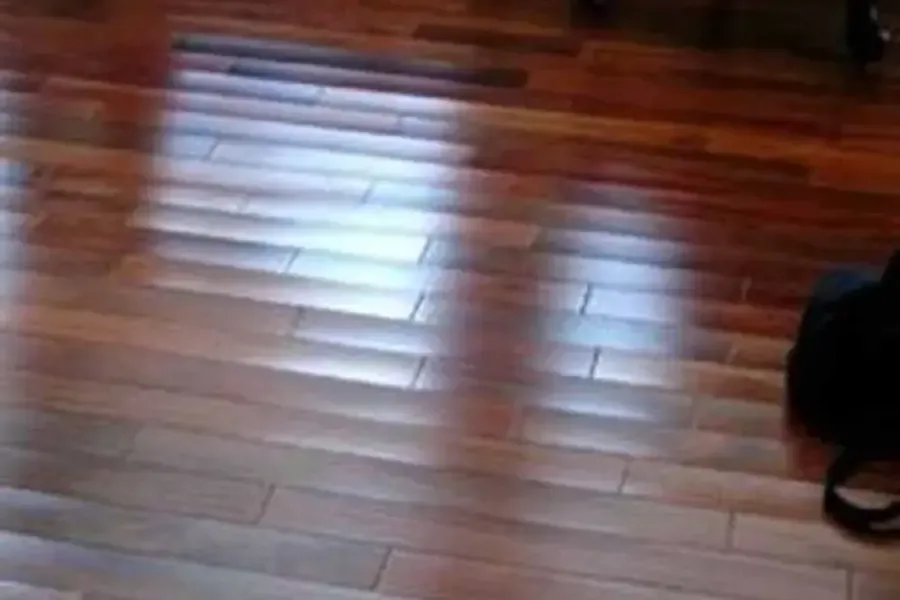
First steps for hardwood floor water damage
- Remove pressure from the damaged area. Avoid forcing swollen boards flat or placing heavy objects on changing sections. Restricted walking and a clear inspection area help preserve the visible condition while the floor assembly is assessed.
- Identify coverings holding moisture. Rugs and mats may keep water against the surface. Their movement should account for weight, contamination and the risk of transferring moisture onto another floor that remains dry and usable.
- Document board movement clearly. Photographs of raised edges, gaps and room transitions help show how the floor changes. Keep the locations consistent so later observations can be compared with the original visible condition.
- Postpone cosmetic floor work. Sanding or applying a new finish should follow moisture assessment and stabilization. The restoration plan needs to explain retained layers and the conditions that must be met before refinishing becomes useful.
How hardwood floor water damage is handled
Identify construction and water contact
The assessment begins with the installed floor type, visible movement and the source of wetting. Room transitions and accessible supporting layers help define the loss. Conditions involving contamination or severe physical damage may change the salvage approach before drying equipment is selected for the affected area.
Establish useful measurement locations
Readings should relate to specific boards and supporting materials, with appropriate comparison points where available. Notes describe the floor condition at those locations so changes can be followed. The work area remains accessible rather than being concealed by furniture or rugs returned before monitoring is complete.
Apply drying to the retained assembly
Equipment placement accounts for the floor's construction and available access. Some layers may need selective removal to expose moisture that cannot otherwise be reached. The scope should explain those decisions and connect equipment adjustments to measured progress instead of relying on the appearance of the top surface.
What does hardwood floor water damage cost in Clifton, NJ?
Hardwood restoration costs in Clifton depend on the floor construction, water source and wet supporting layers. The estimate should distinguish extraction and drying from board replacement, subfloor repair and later refinishing, with salvage decisions explained for the affected assembly.
For a closer planning number, run the water damage cost calculator. The restoration contractor who responds sets the real scope after the walkthrough and the moisture map.
Hardwood Floor Water Damage restoration sequence
- 01
Identify construction and water contact
The assessment begins with the installed floor type, visible movement and the source of wetting. Room transitions and accessible supporting layers help define the loss. Conditions involving contamination or severe physical damage may change the salvage approach before drying equipment is selected for the affected area.
- 02
Establish useful measurement locations
Readings should relate to specific boards and supporting materials, with appropriate comparison points where available. Notes describe the floor condition at those locations so changes can be followed. The work area remains accessible rather than being concealed by furniture or rugs returned before monitoring is complete.
- 03
Apply drying to the retained assembly
Equipment placement accounts for the floor's construction and available access. Some layers may need selective removal to expose moisture that cannot otherwise be reached. The scope should explain those decisions and connect equipment adjustments to measured progress instead of relying on the appearance of the top surface.
- 04
Separate recovery from cosmetic repair
After drying, the floor's physical condition still needs evaluation. Boards may require replacement or other repairs even when moisture targets are reached. The handoff records the retained assembly and remaining damage, allowing refinishing decisions to follow stable conditions rather than the first day the floor appears clearer.
A wood floor can remain wet below a surface that no longer feels damp. Changes in board shape also take time to interpret. The assessment should identify the flooring construction, the release that reached it and moisture in the supporting layers before deciding whether drying or selective removal is practical.
Read the floor that is actually installed
Dutch Hill is mostly residential and near downtown Clifton. At a home there with a wet wood floor, useful details include when the leak was found, whether water crossed room transitions and where board edges began to rise. Furniture and rugs can conceal part of the affected boundary.
Montclair Heights is a southwestern neighborhood adjoining Montclair State University and Upper Montclair. An assessment at an individual property should identify access beneath or beside the floor where available. That access can help distinguish wet boards from moisture retained in the assembly supporting them.
A cosmetic fix can arrive too early
Sanding changes the board surface, while continued moisture movement may alter its shape afterward. Covering the area with rugs or new finishes can also conceal the condition that needs monitoring. The drying plan should establish measurement points and explain which physical changes require separate repair decisions.
- Record raised edges without forcing boards back into position.
- Check transitions where water crossed into another flooring material.
- Keep wet rugs from holding moisture against the wood surface.
- Distinguish drying progress from permanent damage to individual boards.
Build a repair decision from the measurements
Rosemawr is largely residential and falls partly within Allwood. For an affected floor there, the final choice depends on the actual assembly, contamination and response to drying. Structural drying can address connected wet materials, while floor repair planning considers which boards and supporting components remain suitable to retain after their condition is documented.
Safety planning starts with Ready.gov flood precautions; household water-use checks appear at EPA WaterSense.
Related water damage services in Clifton
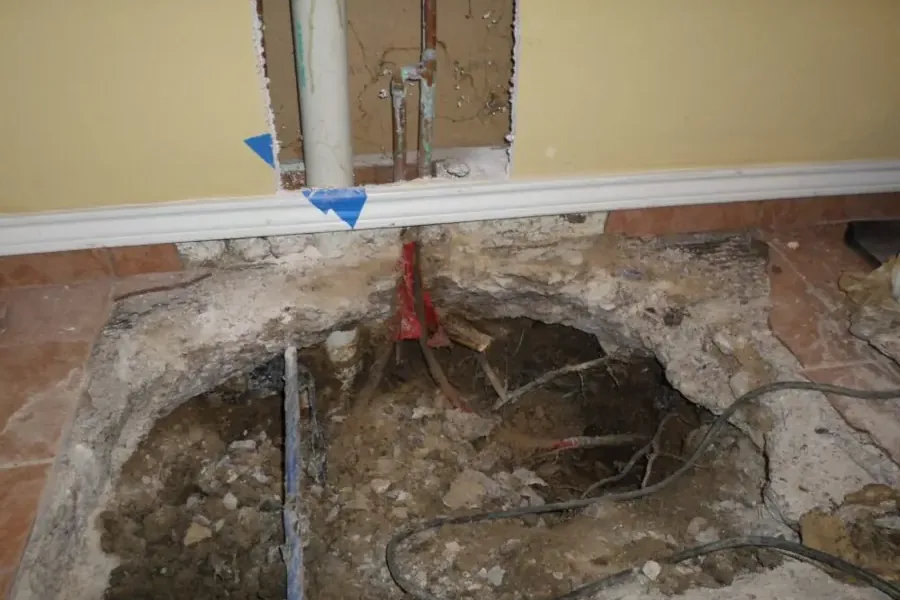 Slab Leak Water Damage in CliftonSlab leak restoration addresses water that has escaped beneath or through a concrete floor assembly. Plumbing diagnosis identifies the source; extraction, selective access and controlled drying address the materials already affected.
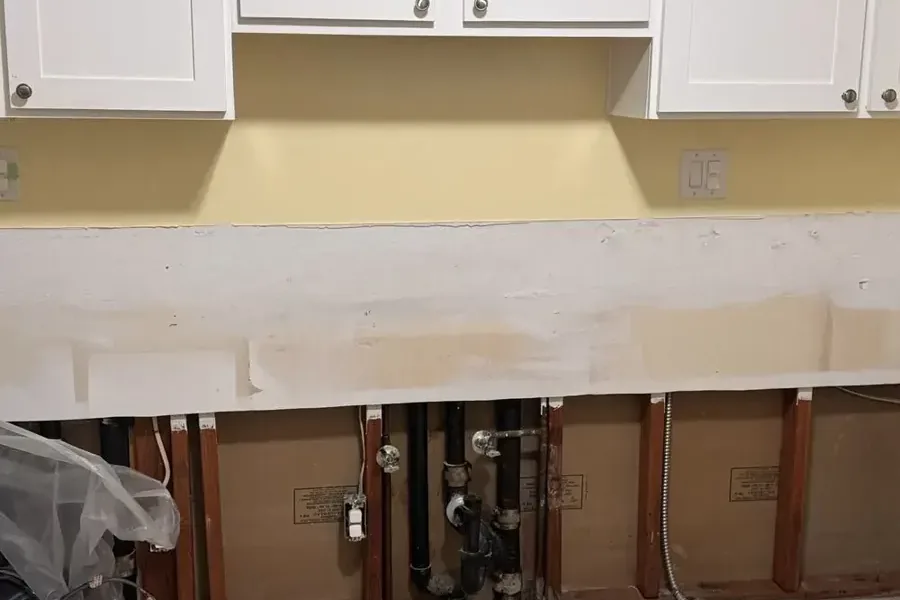 Appliance Leak Water Damage in CliftonAppliance cleanup addresses escaped water from supply connections, drains and equipment failures. The water source affects contamination decisions, while the cabinet and floor construction determine how technicians reach and dry concealed moisture.
Hardwood Floor Water Damage in CaldwellHardwood restoration evaluates moisture across the floor assembly, including board surfaces, backing and subfloor access. Salvage depends on contamination, attachment, distortion and whether the affected layers can dry without leaving concealed moisture.
Hardwood floor water damage in Clifton, NJ
Wood floor assessments in Clifton include Dutch Hill, Montclair Heights and Rosemawr, focusing on the installed floor at the property and its actual water exposure.
The same service nearby: hardwood floor water damage in Caldwell, Woodland Park, Totowa.
Water damage restoration in Clifton · every town coveredHardwood Floor Water Damage questions
Will raised board edges flatten after drying?
Some movement can change as moisture conditions stabilize, while other defects require physical repairs. Flooring construction and severity of damage matter. Recorded measurements and observation during drying help establish which boards are suitable for retention and where selective replacement is practical.
Can sanding solve the uneven surface immediately?
Sanding a floor while moisture is still changing can create an unsuitable surface later. The moisture condition and board movement need assessment first. Cosmetic work should follow a documented drying result and a repair decision based on the floor assembly that remains.
Why check beneath the visible boards?
Supporting layers can hold water and affect the boards above them. A dry-feeling surface may conceal that retained moisture. Accessible checks beneath or alongside the floor help establish whether the drying approach is reaching the assembly or whether further access is needed.
Does every wet wood floor need removal?
The decision depends on construction, contamination, physical damage and drying access. Some assemblies can be assessed for retention while others require selective or broader removal. The estimate should identify the basis for the recommendation instead of treating all wood floors as identical.
Should rugs return once the floor looks dry?
Rugs can conceal damp areas and interfere with measurements or airflow. Their return should follow the drying plan for the actual floor. A surface that looks clear of water may still need monitoring in the boards or supporting layer underneath it.
How are adjoining rooms included in the assessment?
Water may cross a threshold or move beneath a continuous floor covering into the next room. Inspection follows visible changes and moisture readings along those connections. The scope should identify the actual affected boundary rather than automatically extending work throughout every connected space.
Is refinishing included in a drying estimate?
The estimate should state that distinction clearly. Moisture removal and floor refinishing address different parts of recovery, and repair decisions may depend on drying results. Separating the tasks helps explain immediate restoration work and any later board or finish replacement that remains necessary.
Let measured conditions shape the floor repair
A clear restoration record separates drying progress from physical board damage before sanding, replacement or a new finish changes the surface again.
(888) 471-9821Plan the wood assembly assessmentCaldwell Water Damage Restoration
Caldwell, NJ and nearby Essex County
(888) 471-9821 · open 24/7
Water and sewage losses only
Find us on Google